
Use extra virgin olive oil in meals, dressings, dips, and cooking, while keeping portions moderate.
Learning how to consume olive oil is less about taking a spoonful and more about using it well. Extra virgin olive oil can add flavor to vegetables, beans, fish, grains, bread, and many everyday meals. This guide explains the best ways to use it, how much to take, when to use it, and which mistakes to avoid.
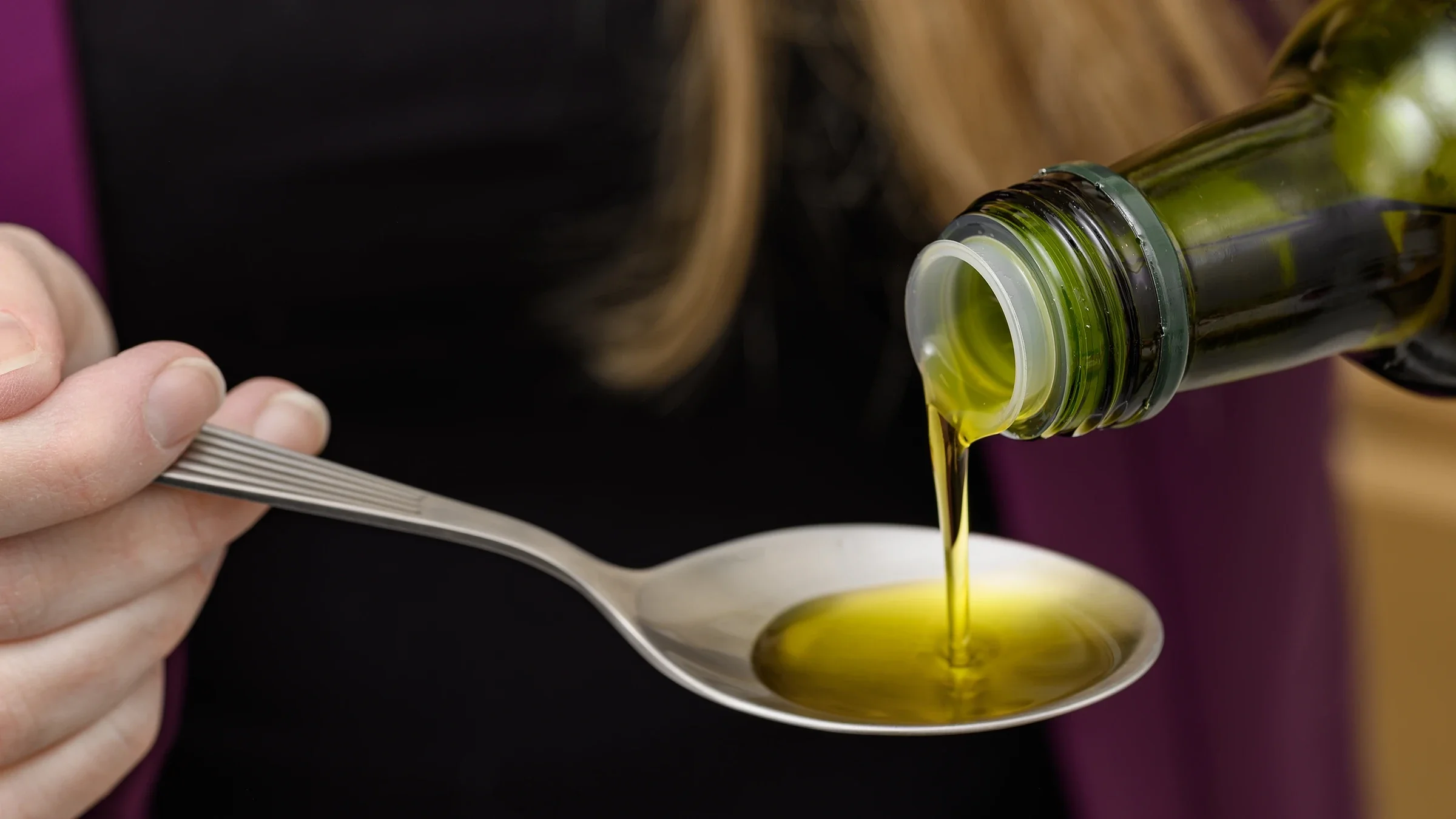
What Is the Best Way to Consume Olive Oil?
The best way to consume olive oil is to include it in balanced meals. Use it as a salad dressing, drizzle it over cooked vegetables, mix it into soups, or use it to dip whole-grain bread.
Extra virgin olive oil is the least processed form. It comes from the first pressing of olives and must meet standards for taste and chemical quality. It also contains natural plant compounds called polyphenols.
If you are learning how to consume olive oil for the first time, start with small amounts. One teaspoon can be enough to add flavor to a meal. You can slowly increase the amount based on your calorie needs and taste.
Good everyday options include:
• Drizzling it over roasted vegetables
• Mixing it with lemon juice and herbs
• Adding it to beans, lentils, or chickpeas
• Stirring it into cooked grains
• Using it as a dip for whole-grain bread
• Adding a small amount to soups after cooking
• Tossing it with pasta, tomatoes, garlic, and herbs
The goal is to replace less helpful fats, not simply add more calories. Olive oil contains about 120 calories per tablespoon, so portion size matters.

How to Consume Extra Virgin Olive Oil
Extra virgin olive oil works well both cold and warm. Its fresh taste can range from grassy and peppery to mild and buttery. Choose the style that fits your food.
Use It as a Salad Dressing
A simple dressing needs only olive oil, vinegar or lemon juice, salt, and pepper. Try this basic mix:
-
Add two tablespoons of extra virgin olive oil to a small bowl.
-
Add one tablespoon of lemon juice or vinegar.
-
Mix in herbs, garlic, or mustard if you like.
-
Whisk until the mixture looks smooth.
-
Toss it with greens just before serving.
This method makes salads more satisfying. The fat in olive oil also helps your body absorb fat-soluble nutrients such as vitamins A, E, and K from vegetables.
Drizzle It Over Cooked Foods
Add olive oil to foods after cooking when you want its full flavor. It pairs well with:
• Roasted potatoes
• Steamed broccoli
• Grilled fish
• Tomato soup
• Hummus
• Rice and quinoa
• Baked squash
• Toasted bread
A small drizzle can make plain food taste richer. Start with one teaspoon, taste the food, and add more only if needed.
Dip Bread in Olive Oil
Bread dipped in olive oil is common in Mediterranean-style meals. For a more balanced snack, choose whole-grain bread and add herbs, black pepper, or a little balsamic vinegar.
Keep the portion reasonable. Bread and oil can become calorie-dense when eaten without attention. A small plate and a measured tablespoon can help you enjoy the flavor without overeating.
Mix It Into Beans and Grains
Olive oil can improve the taste and texture of beans, lentils, rice, barley, and quinoa. Add a teaspoon or two with lemon juice, parsley, cumin, or paprika.
This is one of the easiest answers to how to consume olive oil on busy days. You can prepare a simple bowl with beans, vegetables, grains, and olive oil in less than 10 minutes.

Can You Drink Olive Oil Directly?
You can drink a small amount of olive oil, but you do not need to drink it for health benefits. Taking olive oil by the spoon may be unpleasant and can cause nausea, loose stools, heartburn, or stomach discomfort in some people.
There is no strong reason to believe that drinking olive oil works better than using it with food. Your body can digest and use olive oil as part of a meal.
If you still want to try it, follow these tips:
• Start with one teaspoon.
• Take it with food instead of on an empty stomach.
• Choose fresh extra virgin olive oil.
• Stop if you notice cramps, diarrhea, or reflux.
• Do not treat it as a detox drink.
Some people take olive oil with lemon juice as a home remedy. This combination may taste pleasant, but it has not been proven to cleanse the liver or remove toxins. Your liver and kidneys already handle waste removal as part of normal body function.
A practical lesson from recipe testing is that olive oil usually tastes better when paired with food. Lemon, tomatoes, beans, herbs, and leafy greens can soften its bitterness and make the experience more enjoyable.
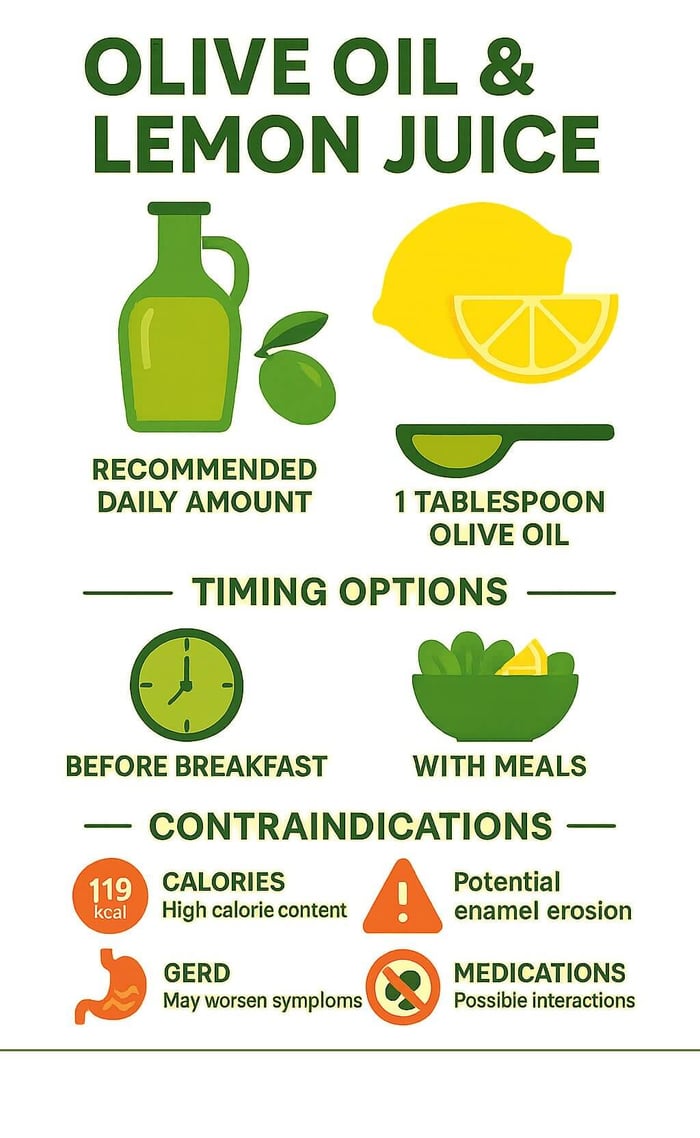
How Much Olive Oil Should You Consume?
The right amount depends on your total diet, energy needs, health goals, and activity level. For many adults, one to two tablespoons spread across the day can fit into a balanced eating pattern.
One tablespoon contains roughly:
• 120 calories
• About 14 grams of fat
• Mostly monounsaturated fat
• Small amounts of vitamin E and vitamin K
These numbers can vary slightly by product. Olive oil is nutritious, but it is still a concentrated source of calories.
A helpful approach is to use olive oil in place of butter, shortening, or highly processed sauces. Adding several tablespoons on top of your usual diet may lead to weight gain over time.
When deciding how to consume olive oil, consider your full plate. A balanced meal might include:
• Half a plate of vegetables
• A source of protein
• A serving of whole grains or starchy vegetables
• A small amount of olive oil
People with a calorie-restricted diet may need smaller portions. People with higher energy needs may use more. A registered dietitian can help you choose an amount for your personal needs.
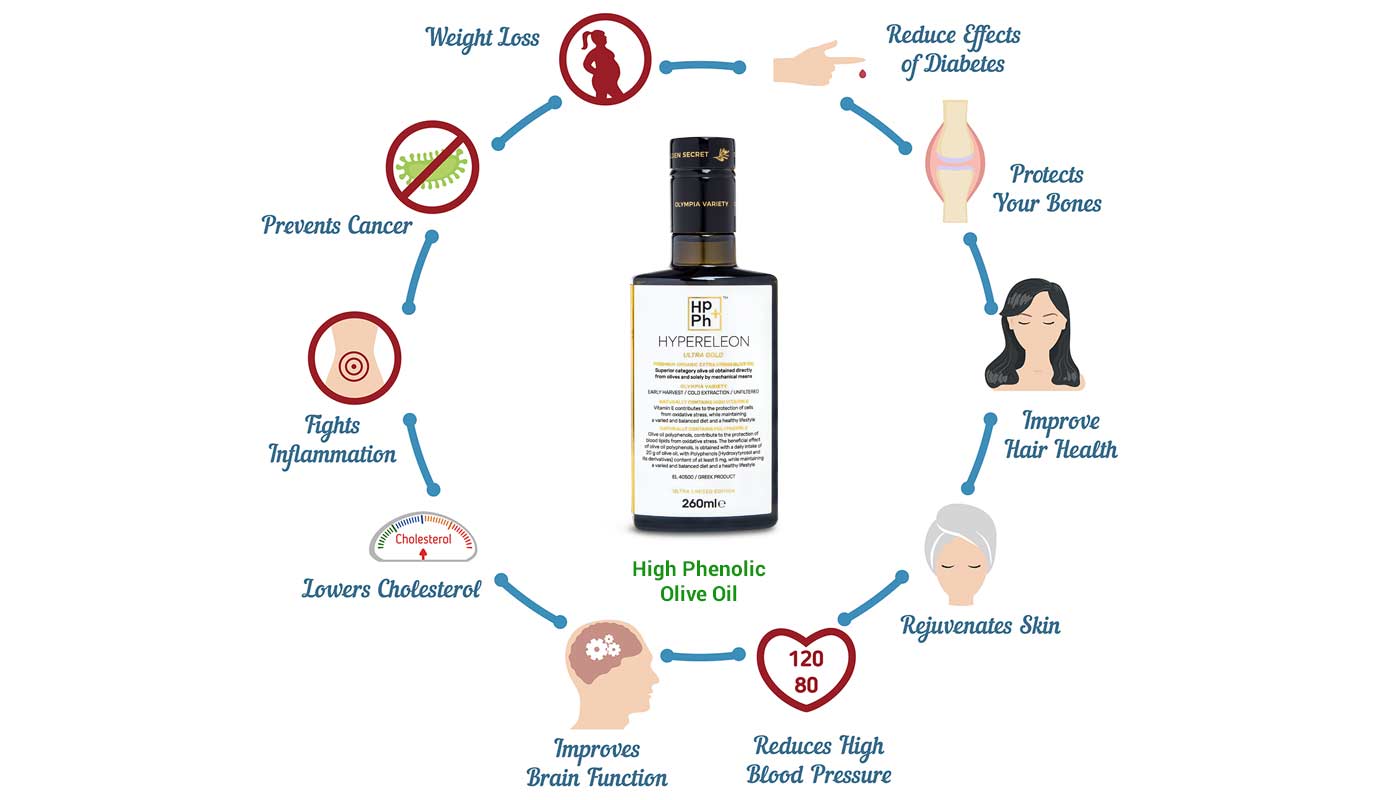
Health Benefits of Consuming Olive Oil
Olive oil is known for its high level of monounsaturated fat, especially oleic acid. Replacing saturated fats with unsaturated fats may support healthier blood cholesterol levels and heart health.
Research on Mediterranean-style eating patterns links regular use of olive oil with better cardiovascular outcomes. However, olive oil is only one part of that pattern. Vegetables, fruits, legumes, fish, whole grains, nuts, and regular movement also matter.
Heart Health
Using olive oil instead of butter or lard can reduce your intake of saturated fat. This change may help improve low-density lipoprotein cholesterol, often called LDL cholesterol.
The benefit comes from substitution. Olive oil added to an already high-calorie diet does not automatically create the same effect as olive oil replacing less healthy fats.
Antioxidant Support
Extra virgin olive oil contains plant compounds with antioxidant activity. These compounds help protect the oil from oxidation and may support the body’s natural defense systems.
The amount of these compounds varies. Factors include the olive variety, harvest time, storage conditions, and processing method.
Better Absorption of Some Nutrients
Some vegetables contain nutrients that are better absorbed with fat. Adding olive oil to tomatoes, carrots, spinach, or peppers can help your body absorb certain carotenoids and fat-soluble vitamins.
This does not mean you need a large amount. A teaspoon or two in a meal may be enough.
Digestive Comfort
Olive oil may help make meals easier to swallow and more satisfying. Some people also find that it supports regular bowel movements. Still, drinking large amounts can cause diarrhea or stomach upset.
Health benefits are not a reason to ignore symptoms. If olive oil repeatedly causes pain, reflux, or digestive changes, reduce your intake and speak with a health professional.

Is Olive Oil Safe for Cooking?
Yes, olive oil is suitable for many cooking methods, including sautéing, roasting, baking, and pan frying. Extra virgin olive oil can be used for cooking at moderate heat.
The smoke point is not the only measure of cooking safety. Oil quality, cooking time, pan temperature, and the food itself all affect how an oil performs.
Use moderate heat for most home cooking. If the oil begins to smoke, lower the heat and replace the oil if it has burned.
Best Uses for Extra Virgin Olive Oil
Extra virgin olive oil is excellent for:
• Sautéing onions and garlic
• Roasting vegetables
• Baking fish
• Cooking eggs
• Making tomato sauce
• Preparing grain bowls
• Finishing soups and stews
For very high-heat cooking, a refined olive oil may have a milder flavor and higher heat tolerance. Avoid heating any oil until it smokes.
A common mistake is saving only the expensive oil for special occasions while using butter for every daily meal. If you enjoy the taste, use extra virgin olive oil in normal cooking where it can replace less healthy fats.
How to Choose a Good Olive Oil
Look for extra virgin olive oil in a dark glass bottle or a metal container. Light and heat can damage the oil’s flavor and quality.
Check the label for:
• An expiration or best-by date
• A harvest date, when available
• The country or region of origin
• A seal that shows the bottle is unopened
• A trusted quality certification
A harvest date can offer more useful information than a distant best-by date. Olive oil is best when fresh, so buy a size you can use within a few months after opening.
Taste can also guide you. Fresh olive oil may smell fruity and taste slightly bitter or peppery. A flat, waxy, rancid, or crayon-like smell suggests that the oil is old or poorly stored.
Price alone does not prove quality. Choose a bottle from a reliable seller, store it well, and use it regularly.

How to Store Olive Oil
Store olive oil in a cool, dark place away from the stove, oven, and windows. Heat and light speed up oxidation.
Keep the cap tightly closed after each use. Air exposure can reduce freshness over time.
Good storage habits include:
• Use a dark container.
• Keep the bottle in a cupboard.
• Avoid placing it beside a hot burner.
• Do not transfer it to a clear glass bottle for display.
• Buy smaller bottles if you use oil slowly.
• Use clean, dry measuring spoons.
Most olive oil does not need refrigeration. Cold storage can make it cloudy or solid, though this does not always mean it has spoiled. Let it return to room temperature before judging its flavor.
If the oil smells stale or tastes unpleasant, discard it. Freshness matters more than forcing yourself to finish an old bottle.

Common Mistakes When Consuming Olive Oil
Knowing how to consume olive oil also means knowing what to avoid. Even a nutritious food can cause problems when used without balance.
Treating Olive Oil as a Cure
Olive oil may support a healthy eating pattern, but it does not cure disease. Be cautious of claims that it can clean the liver, melt body fat, or replace medical treatment.
Drinking Large Amounts
More oil does not mean more benefit. Large servings add calories and may cause diarrhea, nausea, or reflux.
Ignoring Total Calories
A salad can become very high in calories when covered with several tablespoons of oil, cheese, nuts, and creamy dressing. Measure the oil at first until you learn what a normal portion looks like.
Cooking Until It Smokes
Smoking oil has a harsh taste and may produce unwanted breakdown products. Use moderate heat and do not leave a pan unattended.
Keeping It Near Heat
A bottle beside the stove is convenient, but heat can shorten its useful life. Store it in a cool cabinet instead.
Assuming Every Olive Oil Is the Same
Extra virgin, virgin, and refined olive oils differ in processing, taste, and typical use. Read the label and choose the type that fits your meal.
Using It Without a Balanced Diet
Olive oil cannot replace vegetables, protein, fiber, or water. Think of it as one useful ingredient in a broad eating pattern.
How to Consume Olive Oil in Everyday Meals
Small habits make it easier to use olive oil consistently. You do not need complex recipes or special supplements.
Try these simple ideas:
• Breakfast: Add a teaspoon to eggs, avocado toast, or sautéed greens.
• Lunch: Make a lemon and olive oil dressing for a bean or grain salad.
• Dinner: Roast vegetables with olive oil, garlic, and herbs.
• Snack: Dip a small piece of whole-grain bread in olive oil and herbs.
• Soup: Add a light drizzle to lentil, tomato, or vegetable soup.
• Pasta: Toss cooked pasta with olive oil, vegetables, beans, and a little cheese.
• Fish: Brush a thin layer over fish before baking.
• Potatoes: Toss small pieces with olive oil and spices before roasting.
A useful meal formula is vegetables plus protein plus a high-fiber carbohydrate plus a measured amount of olive oil. This creates a satisfying plate without making oil the main event.
When I plan meals, I measure oil before pouring it into the pan. This small step prevents the “free pour” problem, which can quietly turn one tablespoon into three.
Who Should Limit Olive Oil?
Most people can enjoy olive oil as part of a balanced diet. Some people may need to limit it because of calorie goals, digestive symptoms, or a medical condition.
Speak with a qualified health professional if you have:
• Ongoing diarrhea after eating fatty foods
• Gallbladder or pancreas problems
• Severe acid reflux
• A condition requiring a controlled-fat diet
• A medically prescribed calorie limit
• Food allergies or unusual reactions
Olive oil is generally free of common allergens, but flavored oils may contain garlic, herbs, or other ingredients that cause a reaction.
People taking medication should not use olive oil as a replacement for treatment. If you are considering large dietary changes, ask your doctor or registered dietitian for advice that fits your health history.
How to Consume Olive Oil for Weight Management
Olive oil can fit into a weight-management plan, but portion control is important. It may make meals more satisfying, yet it still provides many calories in a small volume.
Measure one teaspoon or one tablespoon rather than pouring directly from the bottle. Use it to replace butter, creamy dressing, or other fats instead of adding it on top of them.
Build meals around foods that provide volume and fiber:
• Vegetables
• Fruit
• Beans and lentils
• Whole grains
• Lean protein
• Low-fat or plain dairy, if suitable for you
For example, use one tablespoon of olive oil in a large vegetable and chickpea salad. The oil adds flavor, while the vegetables and chickpeas provide fiber and fullness.
Weight management is influenced by sleep, movement, stress, food quality, and total energy intake. Olive oil can support a healthy pattern, but it is not a weight-loss product.
Frequently Asked Questions About How to Consume Olive Oil
Is it healthy to drink olive oil every day?
Drinking olive oil is not required to gain its nutritional benefits. Using a moderate amount in meals is usually more enjoyable and may reduce the chance of nausea, reflux, or diarrhea.
How much olive oil should I consume per day?
Many people can include one to two tablespoons in a balanced diet, depending on their calorie needs and the other fats they eat. A smaller amount may be better if you are limiting calories or have digestive symptoms.
Can I consume olive oil on an empty stomach?
You can, but there is no proven advantage to taking it on an empty stomach. Some people may experience nausea, heartburn, or loose stools, so using olive oil with food is often more comfortable.
Is extra virgin olive oil safe for cooking?
Yes, extra virgin olive oil is suitable for sautéing, roasting, baking, and other moderate-heat methods. Avoid heating it until it smokes, and choose a refined olive oil when you need a milder flavor for higher-heat cooking.
Can olive oil help with weight loss?
Olive oil may support a healthy eating pattern when it replaces butter or other less healthy fats. It is calorie-dense, so large amounts can make weight loss harder rather than easier.
What is the best time to consume olive oil?
There is no special best time. Add it to breakfast, lunch, dinner, or a snack based on your meals and personal preference.
How can I tell if olive oil has gone bad?
Fresh olive oil should smell and taste pleasant, fruity, grassy, or mildly peppery. A stale, waxy, crayon-like, or rancid smell suggests that the oil should be replaced.
Conclusion
Learning how to consume olive oil is simple: use it with balanced meals, choose extra virgin olive oil when you enjoy its flavor, measure portions, and store the bottle away from heat and light. Drizzle it over vegetables, mix it into dressings, cook with it at moderate heat, or add it to beans, grains, soups, and fish.
You do not need to drink large amounts or treat olive oil as a cure. Start with one teaspoon or tablespoon, use it in place of less healthy fats, and notice how it fits your body and your daily calorie needs. Try one new olive oil recipe this week, and explore more evidence-based nutrition guides for practical ways to build healthier meals.