
A slow cooker pot lets you cook food at a low, steady heat while you work, rest, or run errands. In a U.S. kitchen, the basic method is simple: add prepared ingredients, keep the lid on, choose LOW or HIGH, and cook until the food reaches a safe temperature and the texture is tender. Always follow your model’s manual because heat levels, pot size, and cooking times vary.
This guide explains how to use a slow cooker pot, how much food to add, when to use LOW or HIGH, how to prevent food safety problems, and what to do when a recipe does not turn out as planned.

What Is a Slow Cooker Pot?
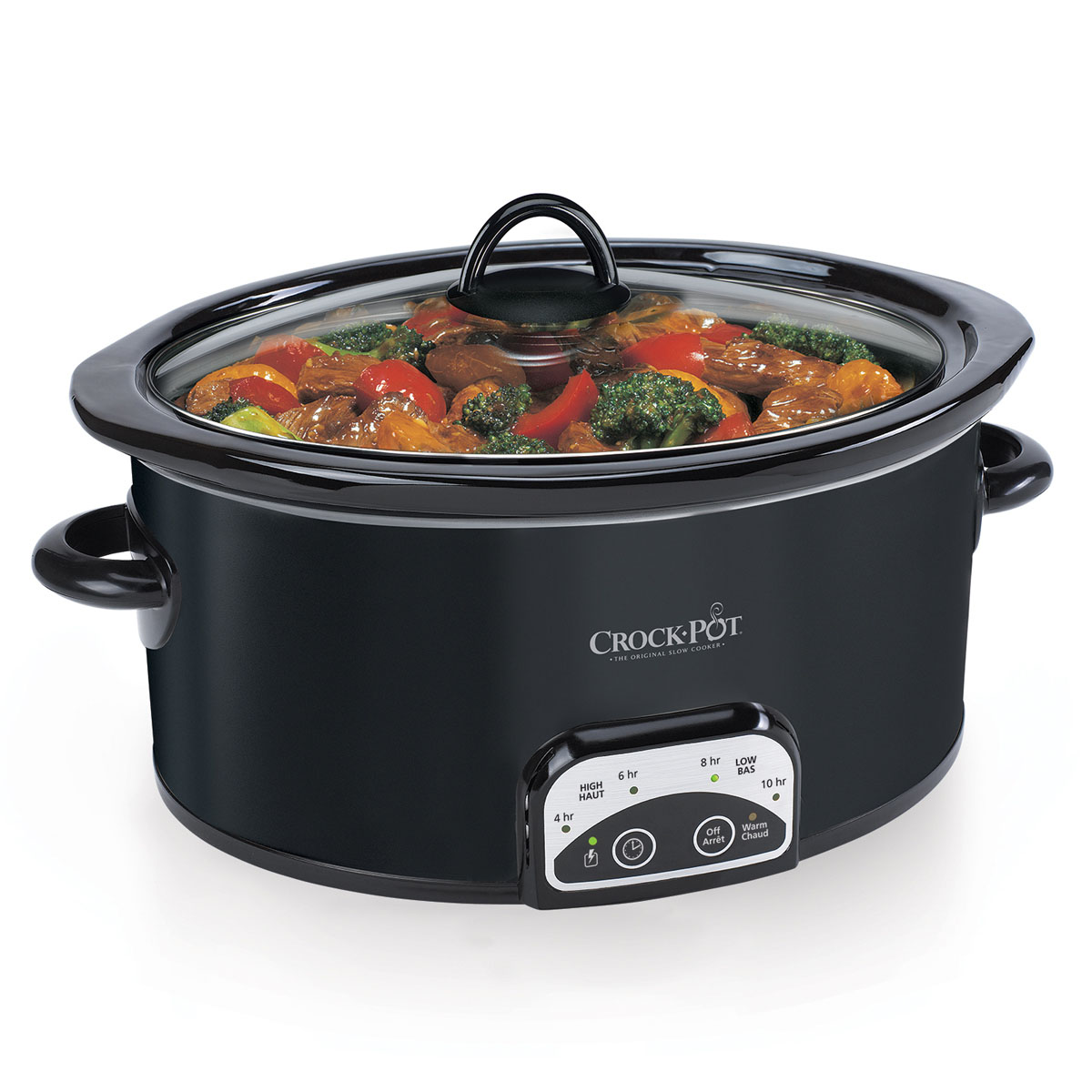
A slow cooker pot is the removable bowl inside an electric countertop appliance. The appliance heats the bowl from the sides and often from the base. A glass or plastic lid traps heat and moisture.
People in the United States may call the whole appliance a slow cooker, crock pot, or Crock-Pot. Crock-Pot is a brand name, while slow cooker is the general term.
Most slow cookers have:
- A removable cooking pot
- A fitted lid
- Heating elements
- LOW and HIGH settings
- A WARM setting
- An electrical cord and control panel
The pot is designed for long, moist cooking. It works well for soups, stews, beans, chili, shredded meat, braised vegetables, and some desserts.
Do not use the removable pot on a stovetop or in an oven unless the manufacturer clearly says it is safe. Some pots are made for limited oven use, but many are not.

How to Use a Slow Cooker Pot Step by Step
Use these steps for most slow cooker recipes. Read the manual first if your appliance has special settings, such as a probe, sear function, or programmable timer.
1. Check the slow cooker and pot
Make sure the cooking pot is clean, dry on the outside, and free from cracks. Check that the lid fits well.
Place the appliance on a dry, heat-resistant counter. Keep it away from the edge, water, paper towels, curtains, and other items that could catch heat.
2. Prepare the ingredients
Trim excess fat from meat. Cut vegetables into similar-size pieces so they cook at a similar rate. Drain canned beans and rinse them when the recipe calls for it.
Brown ground meat or larger cuts of meat first when the recipe recommends it. Browning can improve flavor and reduce excess grease, but it is not required for every dish.
Do not add frozen meat to a slow cooker. The U.S. Department of Agriculture advises thawing meat and poultry before slow cooking because frozen food may remain too long in the bacterial growth range.
3. Add ingredients in the right order
Put firm vegetables, such as carrots and potatoes, near the bottom. Place meat on top of or among the vegetables. Add liquid, seasonings, beans, and other ingredients according to the recipe.
A slow cooker does not need as much liquid as a stovetop pot. Food releases water as it cooks, and the lid prevents much of that moisture from escaping. Adding too much liquid can create a thin sauce or watery stew.
4. Fill the pot correctly
most manufacturers recommend filling the slow cooker about one-half to two-thirds full. Check your manual for the exact range.
Avoid filling it to the top. An overfilled pot may cook slowly and unevenly. A pot that is too empty may heat too fast and dry out the food.
5. Put the lid on
Keep the lid closed during cooking. Each time you lift the lid, heat escapes and the cooking time increases.
If you must stir, add an ingredient, or check the texture, do it quickly. Many slow cooker recipes do not require stirring.
6. Choose LOW or HIGH
Use LOW for long cooking and for tougher cuts that benefit from gentle heat. Use HIGH when you have less time or when the recipe specifically calls for it.
HIGH does not always mean the food will reach a much higher final temperature. It usually helps the slow cooker reach its cooking temperature sooner.
A common recipe pattern is:
| Setting | Typical use | General timing pattern |
|---|---|---|
| LOW | Long cooking, tough meat, beans, stews | About 6–10 hours |
| HIGH | Shorter cooking time | About 3–5 hours |
| WARM | Holding fully cooked food briefly | Not for cooking raw food |
These times are broad guides, not guarantees. The cut of meat, amount of food, starting temperature, liquid level, and appliance design all affect the result.
7. Cook until the food is done
Use a food thermometer to check meat and poultry. Insert the probe into the thickest part without touching bone.
According to the USDA:
- Poultry should reach 165°F
- Ground meats should reach 160°F
- Whole cuts of beef, pork, lamb, and veal should reach at least 145°F, followed by a three-minute rest
- Leftovers and casseroles should reach 165°F
Tenderness also matters. A roast may reach a safe temperature before it becomes soft enough to shred.
8. Serve or hold the food safely
Serve the food soon after cooking. If you use the WARM setting, keep the food hot and follow the appliance instructions.
Do not leave perishable food at room temperature for more than two hours. The limit is one hour when the room temperature is above 90°F, according to USDA guidance.
Transfer leftovers to shallow containers and refrigerate them promptly. Shallow containers help food cool more quickly.

When Should You Use LOW or HIGH?
Choose LOW when you have enough time and want gradual cooking. This setting often works well for beef chuck, pork shoulder, dried beans, chili, and thick stews.
Choose HIGH when the recipe is designed for a shorter cook or when you need dinner sooner. Some foods, such as delicate fish, dairy-based sauces, and tender vegetables, may not benefit from a long cook on LOW.
Do not assume that switching from LOW to HIGH cuts the time in half. Slow cookers heat at different rates, and food texture may change when you shorten the cooking time.
For best results:
- Start with thawed meat
- Use the time and setting in a tested recipe
- Keep the lid closed
- Check doneness with a thermometer
- Avoid changing settings repeatedly
If a recipe gives only one setting, use that setting unless the recipe author gives a tested conversion.
How Much Liquid Do You Need?
Use enough liquid to create steam and prevent scorching, but not so much that the dish becomes watery. A soup may need enough broth to cover most ingredients. A roast may need only a small amount of stock, sauce, or water.
Meat and vegetables release liquid as they cook. This is why a slow cooker often needs less broth than a Dutch oven or soup pot.
Add less liquid when:
- The meat is fatty or releases a lot of juice
- The recipe contains tomatoes, salsa, or canned soup
- You want a thick sauce
- The ingredients already contain water
Add more liquid when:
- The recipe contains dried beans or grains
- The ingredients could stick or scorch
- The recipe requires food to stay partly submerged
- The slow cooker is large and the food layer is shallow
Do not add dairy at the start unless the recipe was designed for it. Milk, cream, cheese, and sour cream can separate during long cooking. Stir them in near the end when instructed.

Can You Put Raw Meat in a Slow Cooker?
Yes. You can place thawed raw meat in a slow cooker, provided the appliance reaches a safe cooking temperature and you follow the recipe.
You do not have to brown every cut of meat first. Browning mainly adds a roasted flavor and color. It may also reduce some surface moisture and fat.
Browning is useful for:
- Beef chuck
- Pork shoulder
- Ground beef
- Sausage
- Lamb
- Meat used in a thick sauce
If you brown meat, cook it in a separate skillet unless your slow cooker manual says the insert is safe for stovetop use. Drain excess fat before transferring the meat.
Never put raw meat on top of food that will be served without cooking. All ingredients in the slow cooker should cook together until they reach safe temperatures.

How to Use a Slow Cooker for Chicken
Use boneless or bone-in chicken that has been thawed in the refrigerator. Chicken breasts can dry out if they cook for too long, while chicken thighs usually tolerate longer cooking better.
Add sauce, broth, salsa, or another moist ingredient. Arrange chicken pieces in a single layer when possible.
Cook until the thickest piece reaches 165°F. If you plan to shred the chicken, let it rest briefly, then shred it with two forks or a hand mixer on low speed.
Do not rely on color alone. Chicken can look white before it reaches a safe internal temperature, and it can remain slightly pink near the bone after it is safe.

How to Use Dried Beans in a Slow Cooker
Dried beans need special care. Some types, especially red kidney beans, can contain naturally occurring lectins that may cause illness if the beans are not boiled properly.
The FDA advises boiling soaked kidney beans for at least 10 minutes before slow cooking them. Follow a trusted recipe that gives clear bean-preparation instructions.
For dried beans in general:
- Sort through the beans and remove stones or damaged beans.
- Rinse them.
- Soak them if the recipe calls for soaking.
- Boil kidney beans before placing them in the slow cooker.
- Add enough liquid for the beans to absorb.
- Cook until fully soft.
Do not add acidic ingredients, such as tomatoes or vinegar, too early if they make the beans stay firm. Add them later when the recipe recommends it.

Common Slow Cooker Problems and Fixes
The food is still raw
Possible causes include an overfilled pot, frozen meat, a loose lid, a faulty appliance, or a recipe with too little cooking time.
Check the food with a thermometer. If it has not reached a safe temperature, continue cooking if the food has stayed hot and the appliance is working. If the slow cooker stopped heating or the food sat lukewarm for several hours, discard the food.
The food is watery
Too much liquid, frozen vegetables, or ingredients with high water content can thin a sauce.
Remove the lid for a short period only if the recipe allows it. You can also transfer the liquid to a saucepan and reduce it on the stovetop. Cornstarch mixed with cold water can thicken some sauces, but add it near the end.
The meat is tough
Tough meat may need more time, not less. Collagen turns soft during extended moist cooking.
If the meat has reached a safe temperature but remains firm, continue cooking on LOW until it becomes tender. If the meat is dry and stringy, it may have cooked too long or the cut may have been too lean.
The vegetables are hard
Large pieces and dense vegetables take longer to soften. Cut potatoes, carrots, and other firm vegetables into smaller, even pieces. Place them near the bottom, where heat is often strongest.
The dish tastes bland
Slow cooking can soften flavors. Add salt in small amounts, then adjust near the end. Fresh herbs, citrus juice, vinegar, hot sauce, or grated cheese can brighten a finished dish.
Do not add large amounts of salt at the start when the recipe includes salty broth, canned soup, cured meat, or packaged seasoning.
The slow cooker smells hot or electrical
Turn off and unplug the appliance if you smell burning plastic, see smoke, notice damaged wiring, or find that the cord or base is unusually hot. Do not use an appliance with a cracked pot or damaged cord.

Slow Cooker Safety Rules to Remember
Follow the manufacturer’s manual first, then apply these basic food safety rules:
- Thaw meat and poultry before slow cooking.
- Wash hands and surfaces after handling raw meat.
- Keep the lid in place during cooking.
- Use a food thermometer.
- Do not use the WARM setting to cook raw food.
- Refrigerate leftovers within two hours.
- Keep raw meat separate from ready-to-eat food.
- Do not reheat leftovers in the slow cooker.
- Reheat leftovers on the stovetop, in the microwave, or in an oven until they reach 165°F.
- Clean the pot, lid, and utensils after use.
The USDA provides detailed slow cooker and food safety guidance at FoodSafety.gov, USDA FSIS, and the FDA.

How to Clean a Slow Cooker Pot
Unplug the appliance and let it cool before cleaning. Remove the cooking pot and wash it with warm, soapy water unless the manual gives different instructions.
Clean the lid and wipe the heating base with a damp cloth. Never place the electrical base in water.
Avoid sudden temperature changes. Do not pour cold water into a hot ceramic pot because thermal shock may crack it.
For stuck food, soak the cooled pot in warm water. Use a soft sponge instead of abrasive tools that can damage the surface.
Dry the pot fully before storing it. Keep the lid slightly ajar if the manufacturer permits it, so trapped moisture does not create a stale smell.

Quick Slow Cooker Conversion Guide
A slow cooker recipe may use LOW or HIGH, but conversions are not exact. Use this table as a starting point only:
| Recipe instruction | Approximate slow cooker approach |
|---|---|
| 1 hour on HIGH | About 2 hours on LOW |
| 2 hours on HIGH | About 4 hours on LOW |
| 3 hours on HIGH | About 6 hours on LOW |
| 6–8 hours on LOW | About 3–4 hours on HIGH |
These estimates work best for moist dishes such as soups and stews. They may not work for bread, desserts, poultry breasts, seafood, or recipes that depend on a precise texture.
When converting a recipe, reduce the liquid slightly and check the food before the shortest suggested time. Add dairy, fresh herbs, and quick-cooking vegetables near the end.

Frequently Asked Questions
Can I leave a slow cooker on while I am away?
Many slow cookers are designed for unattended cooking, but you should follow the manufacturer’s instructions. Place the appliance on a clear, heat-safe surface, keep the lid on, and avoid using a damaged unit.
Can I put frozen vegetables in a slow cooker?
Frozen vegetables can often go into a slow cooker, but they may lower the food’s temperature and release extra water. Do not use frozen meat or poultry. Add frozen vegetables only when the recipe allows them and make sure the finished dish reaches a safe temperature.
Should the liquid cover the meat?
Not always. A roast may cook well with only a small amount of liquid. Meat does not need to be fully submerged unless the recipe requires it. Too much liquid can dilute the flavor.
Can I reheat food in a slow cooker?
No. Reheat leftovers quickly on the stovetop, in a microwave, or in an oven until they reach 165°F. You can then use the slow cooker’s WARM setting to hold the hot food briefly.
Why is my slow cooker not cooking evenly?
An uneven result may come from overfilling, uneven ingredient sizes, a loose lid, or a heating problem. Cut ingredients to similar sizes, place dense vegetables near the bottom, keep the pot one-half to two-thirds full, and test the appliance if it repeatedly fails to heat.
Conclusion
To use a slow cooker pot well, start with thawed ingredients, fill the pot one-half to two-thirds full, add only the liquid you need, keep the lid closed, and choose the setting that matches the recipe. Cook until the food is tender and reaches a safe internal temperature.
For your next meal, use a tested recipe, check your slow cooker manual, and keep a food thermometer nearby. That simple routine improves both flavor and safety.