
A kitchen table for cooking should be sturdy, hygienic, and the right height.
If you cook often, the right kitchen table for cooking can change your day. I’ve helped design, buy, and refinish many tables for busy home cooks and small food teams. In this guide, I’ll show you how to pick, set up, and care for a kitchen table for cooking so it stays safe, smooth, and a joy to use.

Choosing the right kitchen table for cooking
Start with the basics. The table must feel solid under a heavy cutting board and a mixer. It should wipe clean with no fuss. It should also fit your space and your height.
Look for a stable frame, easy-to-clean top, and safe finishes. If you prep a lot, a kitchen table for cooking needs to be more than a dining surface. It must work like a compact prep station with great access to tools.
Key points to check:
- Stability test by rocking the top and corners
- Food-safe finishes that resist water and stains
- Legs that do not block stools or storage bins
- A top that is thick enough for years of use
- An easy path from sink to table to stove

Best materials for a kitchen table for cooking
Your surface matters more than looks. Each material changes how you prep, clean, and protect food.
Hardwood butcher block:
- Warm feel and gentle on knives
- Needs regular oiling with food-grade mineral oil
- Seal well to prevent stains from raw meat juices
Stainless steel:
- Top choice for hygiene and heat resistance
- Easy to sanitize and does not stain
- Can show scratches but stays clean and safe
Quartz or engineered stone:
- Very durable and stain resistant
- Great for pastry work due to cool surface
- Heavy and not ideal for frequent moving
High-pressure laminate:
- Budget friendly and easy to clean
- Not heat proof; use trivets and boards
- Good all-around choice if well sealed at edges
Solid surface (like acrylic blends):
- Non-porous, smooth seams, easy to fix small nicks
- Good for a kitchen table for cooking in busy homes
- Keep hot pans off to prevent damage
Tile:
- Heat resistant tiles but grout can stain
- Use tight, sealed grout lines and large tiles
- Best with cutting boards on top
Stone like marble or granite:
- Cool for pastry but can etch and stain
- Seal often and be careful with acids
- Heavy and can be costly
If you want a long-lasting kitchen table for cooking, pick a material you can refinish or maintain with simple steps.
Size, shape, and layout that fit your space
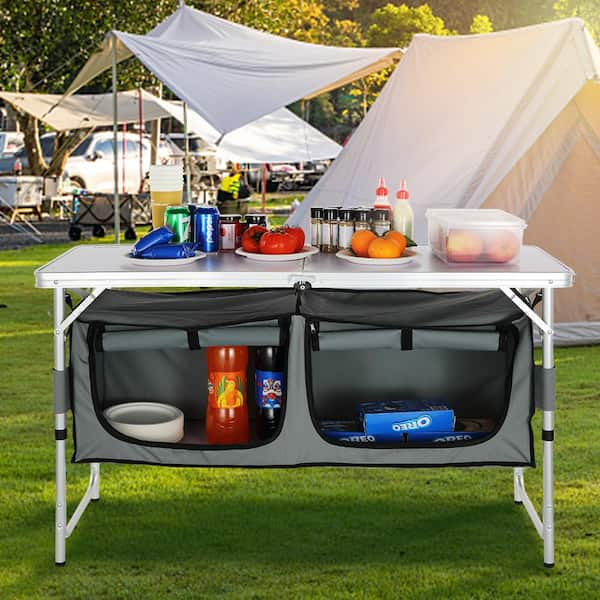
Fit comes first. Measure your kitchen and plan the flow from sink to stove. A kitchen table for cooking should not block doors or drawers.
Basic space rules:
- Leave at least 36 inches for walkways
- For two people prepping, aim for a 60 by 30 inch top
- For small kitchens, 48 by 24 inches can still work
- Round tables save corner space but reduce edge storage
Think about shape. Rectangular tables suit a wall or an island-style setup. A square works well for a centered prep zone. If you bake, aim for a deeper top to hold a scale, mixer, and bowls at once.

Ergonomics, height, and comfort for long prep sessions
Your elbows tell you the right height. When you stand, the top should sit about 2 to 3 inches below your bent elbow. For most people, that is 34 to 36 inches. Standard dining tables are 28 to 30 inches, which is nice for kneading or mixing while seated.
If you prep for hours, consider:
- Adjustable legs or risers for custom height
- Anti-fatigue mats to reduce stress on joints
- Rounded front edges to reduce wrist strain
- Seats with lumbar support if you sit to prep
For a kitchen table for cooking used by many people, aim for a middle ground height and add thick boards or mats to fine-tune.

Heat, moisture, and stain resistance made simple
Hot pans, splashes, and spills are part of cooking. Your kitchen table for cooking should handle them with calm.
Practical habits:
- Use trivets and heat pads under pots
- Wipe wet spots right away to stop swelling or stains
- Keep a set of color-coded boards for raw and ready foods
- Apply food-safe oils or sealers on schedule
For butcher block, oil new tops weekly for the first two months, then monthly. For sealed tops, follow the maker’s care guide. Stainless and quartz are easier, but you should still use boards to protect knives and edges.

Smart storage and organization
Make tools easy to reach. A kitchen table for cooking works best with simple storage built in or added on.
Ideas that work:
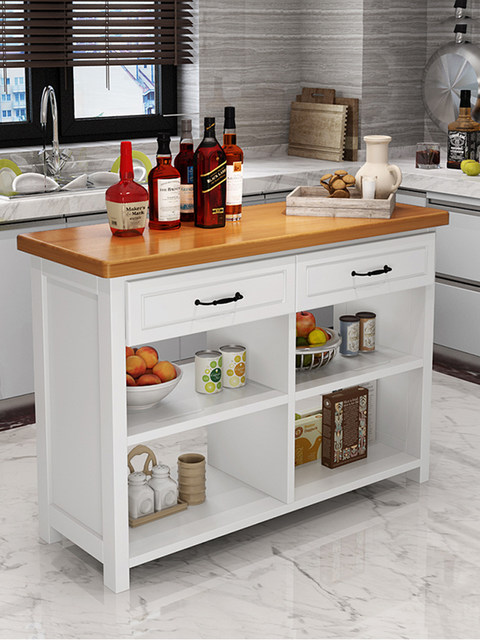
- Shallow drawers for knives, scales, and thermometers
- Hooks for towels, oven mitts, and measuring cups
- A low shelf for bins, mixing bowls, or a stand mixer
- Magnetic strips on a nearby wall for knives
- A rolling caddy that slides under the table
Keep heavy tools low and safe. Keep daily tools high and handy. Label bins so anyone can find and return items fast.
Workflow: turn your kitchen table for cooking into a prep zone
Plan your flow like a small restaurant. Map steps from clean to cook to plate. This helps speed and also cuts mess.
Set up four zones:
- Clean zone for washed produce and herbs
- Dirty zone for peelings and scraps
- Tools zone for knives, spoons, and boards
- Seasoning zone for salt, pepper, oils, and spices
Place a small trash bin or compost pail under the dirty edge. Keep a damp towel to keep your board from sliding. This simple setup makes any kitchen table for cooking feel pro.

Cleaning, sanitizing, and food safety
Food safety matters every day. Clean surfaces cut risk and stress.
Daily steps:
- Scrape crumbs and scraps into the bin
- Wash with hot, soapy water and a non-scratch sponge
- Rinse with clean water and wipe dry
- Sanitize with a food-safe spray or a mild bleach mix
- Let the surface air dry
A safe bleach mix is 1 tablespoon of unscented bleach per 1 gallon of water. For butcher block, avoid soaking the wood. Wipe on sanitizer, wait a few minutes, and dry. Use separate boards for raw meat and ready foods. This rule is key for any kitchen table for cooking.

Budget, buying tips, and where to shop
You do not need to spend a lot. You do need to buy smart. Set a clear budget and match it to your needs.
Price guide:
- Laminate top tables: very affordable and easy to clean
- Butcher block tops: mid-range, with great feel and repair options
- Stainless work tables: mid to high depending on gauge and shelf options
- Quartz or solid surface tops: higher cost, great durability
Before you buy, test in person if you can:
- Press the top. It should not flex.
- Shake a corner. The frame should not wiggle.
- Check edges. They should be smooth and sealed.
- Look for adjustable feet or locking casters.
Used restaurant supply stores are great for a rugged kitchen table for cooking. You can find stainless tops with shelves at a fair price.
Style ideas that still work hard
You can have beauty and brawn. Choose a look that fits your home and still works well.
Good style choices:
- Farmhouse wood with a thick, oiled top
- Industrial stainless with a warm wood shelf
- Clean, modern laminate with soft rounded edges
- Light colors to reflect light in small kitchens
Use simple mats or runners when not cooking. Remove them when you turn the surface into a kitchen table for cooking. Keep seating slim so it slides in and frees floor space.
Small spaces and multi-use setups
Short on space? You can still have a kitchen table for cooking that earns its keep.
Smart space ideas:
- Drop-leaf tables that open for prep and close after
- Wall-mounted fold-down tables with hidden supports
- Rolling island with a lock to park it in place
- A thick, food-grade prep mat that turns any table into a safe surface
- Stools that stack or fold
I love a rolling island with a butcher block top. It gives you a kitchen table for cooking when you need it and tucks away when you do not.
Real-world setups and lessons learned
In my first city apartment, I used a thrifted table as my kitchen table for cooking. It wobbled. My knife work suffered, and I hated cleanup. I fixed it with corner braces, felt-free locking casters, and a heavy board on top. It turned a $60 find into a solid prep base.
In a bakery test kitchen, we used a stainless table with a maple board that fit like a lid. We could swap the board out for pastry or for meat prep. The lesson is simple: put the right skin on your table for the job. That flexible setup made the kitchen table for cooking safe and fast.
Maintenance and lifespan
A little care goes far. Put a schedule on your calendar and stick to it.
Simple plan:
- Wipe after each use with warm, soapy water
- Sanitize daily if you handle raw meats
- Oil butcher block monthly, more often at first
- Reseal stone or grout as the maker advises
- Tighten bolts and level feet each season
For scratches in wood, sand with fine paper and re-oil. For stainless, clean along the grain and dry to prevent marks. These habits keep your kitchen table for cooking in top shape for years.
Eco-friendly and sustainable choices
You can prep well and go green. Pick materials and finishes that are safe for your home and the planet.
Better options:
- FSC-certified wood or reclaimed tops
- Bamboo for fast-renewing material
- Low-VOC or no-VOC finishes for indoor air quality
- Durable designs that you can repair, not replace
A repairable kitchen table for cooking beats a cheap one you toss out. Long life is the greenest choice.
Common mistakes to avoid
I see the same slip-ups again and again. Avoid them and you will save time and money.
Watch out for:
- Buying a table that wobbles under pressure
- Picking a top you cannot clean fast
- Choosing the wrong height for your body
- Skipping a seal on edges and end grain
- Mixing raw and ready foods on one board
- Forgetting about flow from sink to table to stove
Fixing these early makes your kitchen table for cooking a joy, not a chore.
Frequently Asked Questions of kitchen table for cooking
What height is best for a kitchen table for cooking?
Aim for 2 to 3 inches below your bent elbow. Most people find 34 to 36 inches ideal for standing prep.
Can I cut directly on my kitchen table for cooking?
Use a cutting board. It protects knives and the table, and it keeps cleaning simple and safe.
How do I sanitize a kitchen table for cooking after raw meat?
Wash with hot, soapy water, rinse, then sanitize. A mix of 1 tablespoon unscented bleach per gallon of water works well on non-porous surfaces.
Is butcher block safe for everyday prep?
Yes, if sealed and oiled on schedule. Keep it dry, clean fast, and use boards for raw meat.
What is the best material for low maintenance?
Stainless steel and quartz are very easy to clean. Laminate is also low effort if edges are sealed.
How large should my kitchen table for cooking be for baking?
A 60 by 30 inch top gives room for a mixer, scale, and rolling. Go deeper if you do big pastry work.
Can I use a dining table as a kitchen table for cooking?
Yes, with a food-grade prep mat or a large board. This protects the surface and improves hygiene.
Conclusion
The right kitchen table for cooking fits your space, your height, and your habits. It stays stable under load, cleans fast, and holds up to daily heat and spills. With smart zones, simple storage, and regular care, your table becomes the best tool in your kitchen.
Start small today. Measure your space, test your height, and pick the surface that matches your work. If you found this helpful, share it with a friend who cooks, subscribe for more guides, or drop a question in the comments.