
Olive oil is low in saturated fat and rich in monounsaturated fat, making it a heart-friendly choice for many diets.
Olive oil and saturated fat often appear in the same nutrition debate, but they are not equal. Olive oil contains some saturated fat, yet most of its fat is monounsaturated, especially oleic acid. This guide explains what the research shows, how olive oil compares with butter and other fats, and how to use it wisely in everyday meals.
What Is the Difference Between Olive Oil and Saturated Fat?
Olive oil is a liquid fat made from pressed olives. Saturated fat is a type of fat found in foods such as butter, fatty meat, full-fat dairy, coconut oil, and palm oil.
The main difference is their chemical structure:
• Olive oil is mostly monounsaturated fat.
• Saturated fat has no double bonds in its carbon chain.
• Monounsaturated fat has one double bond.
This difference affects how each fat behaves in the body and at room temperature. Saturated fats are often solid, while olive oil stays liquid.
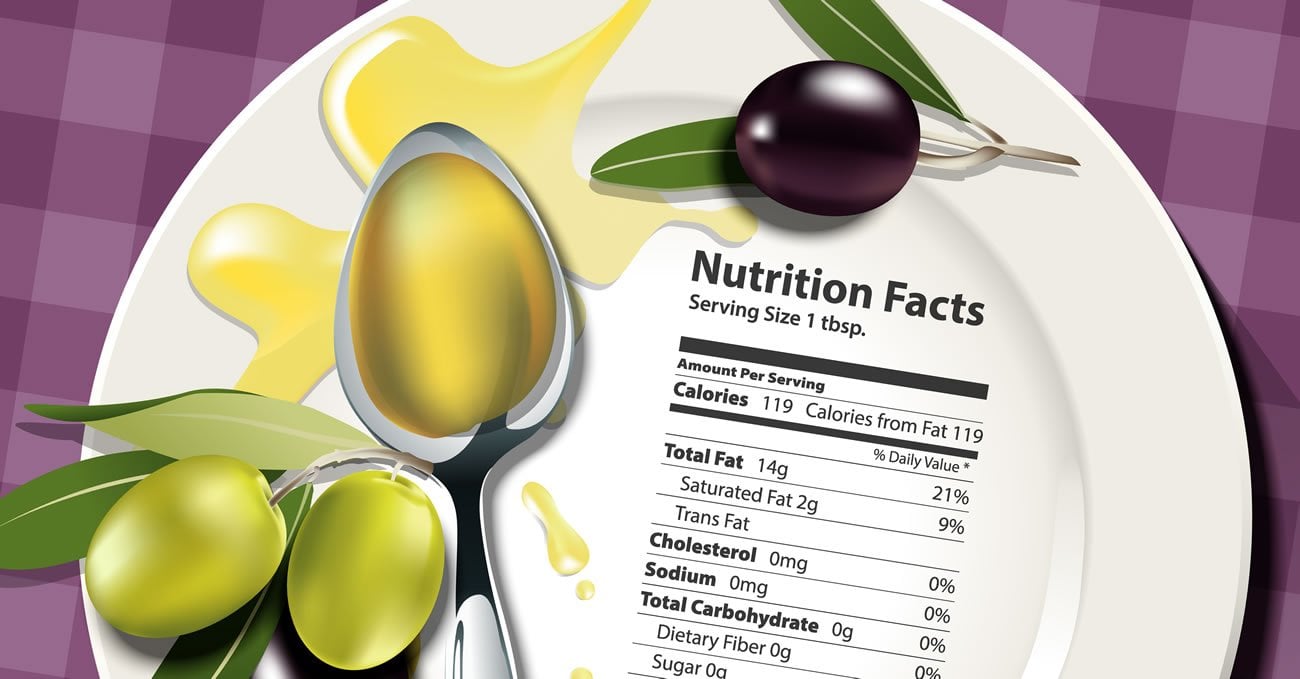
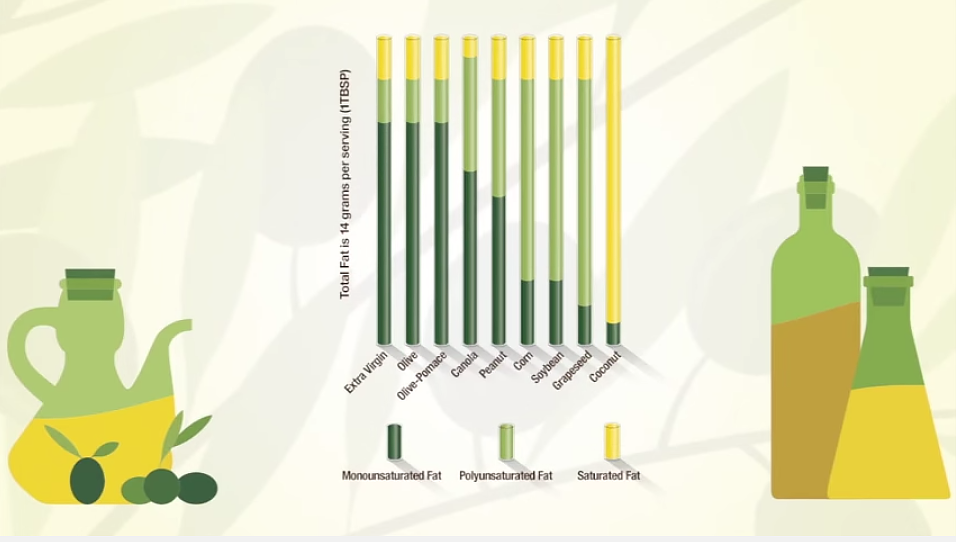
One tablespoon of extra virgin olive oil contains about 14 grams of fat. Around 9 to 10 grams are monounsaturated fat, about 1.5 to 2 grams are polyunsaturated fat, and roughly 2 grams are saturated fat. Exact values can vary by olive variety and brand.
So, olive oil does contain saturated fat. However, olive oil and saturated fat should not be treated as the same thing. Olive oil is mainly a source of unsaturated fat.
Is Olive Oil High in Saturated Fat?
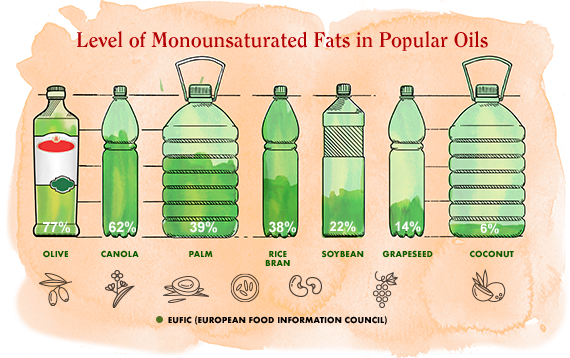
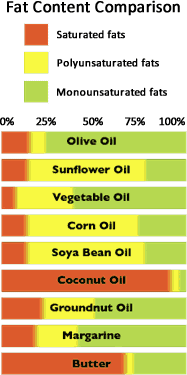
No. Olive oil is considered low in saturated fat compared with butter, lard, coconut oil, and palm oil.
For comparison, one tablespoon usually provides approximately:
• Extra virgin olive oil: about 2 grams of saturated fat
• Butter: about 7 grams of saturated fat
• Coconut oil: about 12 grams of saturated fat
• Lard: about 5 grams of saturated fat
These numbers make the difference clear. Olive oil and saturated fat can both add calories, but olive oil provides a much smaller share of calories from saturated fat.
The U.S. Dietary Guidelines recommend limiting saturated fat to less than 10% of daily calories. The American Heart Association often suggests an even lower limit for people who need to reduce their LDL cholesterol.
For someone eating 2,000 calories per day, 10% equals about 22 grams of saturated fat. Two grams from olive oil can fit into that limit easily. Still, the total diet matters. Cheese, desserts, processed meats, creamy sauces, and fried foods may add much more saturated fat than a spoonful of olive oil.
How Olive Oil Affects Cholesterol
Cholesterol is a waxy substance that your body needs to build cells and hormones. Your liver makes most of it, but food choices can influence blood cholesterol levels.
Saturated fat can raise low-density lipoprotein cholesterol, often called LDL cholesterol. High LDL cholesterol may increase the risk of plaque buildup in the arteries.
Replacing saturated fat with unsaturated fat is usually more helpful than simply adding olive oil to your current diet. For example, using olive oil instead of butter may improve the fat profile of a meal. Pouring olive oil over a meal that already contains plenty of cheese, cream, and fatty meat only adds more calories.
Research on Mediterranean-style eating patterns links regular use of olive oil with better heart health. These patterns also include vegetables, beans, whole grains, nuts, fish, and moderate portions. It is difficult to credit olive oil alone because the whole eating pattern works together.
Here is the practical lesson:
• Replace butter on toast with a small drizzle of olive oil.
• Use olive oil instead of bacon fat for sautéing vegetables.
• Choose fish, beans, or poultry more often than fatty processed meat.
• Keep portions reasonable because all oils contain about 120 calories per tablespoon.
Extra Virgin Olive Oil and Heart Health
Extra virgin olive oil is the least processed form of olive oil. It is made through mechanical pressing and must meet standards for taste, acidity, and chemical quality.
It also contains natural plant compounds called polyphenols. These compounds have antioxidant and anti-inflammatory effects in laboratory studies. Some studies suggest that high-quality extra virgin olive oil may support blood vessel function and reduce oxidative stress.
However, olive oil is not a cure for heart disease. It cannot cancel out smoking, inactivity, high blood pressure, or a diet high in refined carbohydrates and processed meat.
When I use olive oil at home, I keep both a mild olive oil and a peppery extra virgin olive oil. The mild oil works well for cooking. The stronger oil is best on beans, soup, roasted vegetables, or whole-grain bread, where its flavor stands out.
A common mistake is treating “extra virgin” as a free pass to use unlimited amounts. It is a nutritious choice, but it remains a calorie-dense fat.

Olive Oil vs. Butter, Coconut Oil, and Other Fats
Choosing a cooking fat can feel confusing. The best option depends on the type of fat, the cooking method, the amount used, and the rest of the meal.
Olive oil vs. butter
Butter contains more saturated fat and cholesterol than olive oil. Replacing some butter with olive oil can lower the saturated fat in a meal.
For example, roasted potatoes can be prepared with olive oil, herbs, garlic, and pepper instead of butter. You still get a rich texture, but with more unsaturated fat.
Olive oil vs. coconut oil
Coconut oil is very high in saturated fat. Some research suggests that it can raise HDL cholesterol, but it also tends to raise LDL cholesterol. Higher HDL alone does not erase the concern about high LDL.
For everyday heart health, olive oil is generally a better choice than coconut oil when replacing butter or other saturated fats.
Olive oil vs. canola oil
Canola oil is low in saturated fat and high in monounsaturated fat. It also contains some alpha-linolenic acid, an omega-3 fat.
Both canola oil and olive oil can fit into a healthy diet. Extra virgin olive oil offers more flavor and polyphenols, while canola oil has a neutral taste and often costs less.
Olive oil vs. avocado oil
Avocado oil is also rich in monounsaturated fat. It has a mild taste and a high smoke point, which makes it useful for certain cooking methods.
The healthiest choice is often the oil you will use in place of a less healthy fat, not the oil with the most impressive label.
Does Cooking Change Olive Oil?
Heat can damage fats over time, especially when oil is overheated, reused, or exposed to air for long periods. Yet olive oil is generally suitable for common cooking methods such as sautéing, roasting, and baking.
Extra virgin olive oil may smoke at a lower temperature than refined olive oil. The exact smoke point varies by quality, age, and chemical makeup. Smoke is a warning sign that the oil is too hot, so lower the heat when you see it.
Try these simple habits:
• Heat the pan gently before adding the oil.
• Do not let the oil smoke.
• Avoid reusing oil many times.
• Store olive oil in a cool, dark place.
• Keep the bottle tightly closed.
• Buy smaller bottles if you use oil slowly.
In my own kitchen, I used to leave an olive oil bottle beside the stove for convenience. The heat and light slowly dulled its flavor. Moving it to a dark pantry made a noticeable difference.
You do not need to fear cooking with olive oil. Use a suitable heat level and avoid burning it.

How Much Olive Oil Should You Eat?
There is no single perfect amount of olive oil for everyone. Your calorie needs, health goals, cooking style, and overall diet all matter.
A reasonable starting point is one to two teaspoons for a small cooking task or one tablespoon for a larger serving of vegetables or grains. Measure it at first if you are trying to lose weight or control calories.
A useful approach is to think in replacements:
-
Replace butter with olive oil in selected recipes.
-
Replace creamy dressing with olive oil, vinegar, and herbs.
-
Replace fatty processed meat with beans, fish, or poultry.
-
Add olive oil to vegetables instead of adding both oil and cheese.
-
Track portions for a week to understand your usual intake.
Olive oil works best as part of a balanced pattern. Pair it with fiber-rich foods, such as lentils, oats, vegetables, fruit, and whole grains. Fiber can also support healthy cholesterol levels.
Common Mistakes to Avoid
Many people hear that olive oil is healthy and then use it without limits. That can lead to unwanted weight gain because olive oil is energy-dense.
Other mistakes include:
• Assuming all olive oils taste and perform the same.
• Using olive oil as an excuse to eat more fried foods.
• Choosing “light” olive oil because it has fewer calories. It usually has a lighter flavor, not fewer calories.
• Ignoring saturated fat from cheese, cream, desserts, and processed meats.
• Storing olive oil in direct sunlight.
• Believing that one food can prevent or reverse heart disease.
The most important lesson about olive oil and saturated fat is substitution. Olive oil offers the greatest benefit when it replaces a source of saturated fat or a highly processed fat.
Who Should Be Careful With Olive Oil?
Most people can include olive oil in a balanced diet. Still, some people may need to watch portions closely.
People managing weight may need to measure oil because small amounts contain many calories. Individuals with gallbladder or digestive concerns should follow advice from a qualified health professional if fatty foods trigger symptoms.
People with high LDL cholesterol may benefit from replacing saturated fat with olive oil, but diet changes should work alongside medical care. Do not stop cholesterol medication without speaking with your doctor.
People with allergies to olives should avoid olive products and seek medical guidance. Also, be cautious with health claims on labels. “Natural,” “cold pressed,” and “extra virgin” describe qualities or processing methods, but they do not make an unlimited amount appropriate.
What the Research Says About Olive Oil and Saturated Fat
Large nutrition studies generally support replacing saturated fat with unsaturated fat, especially polyunsaturated fat. Monounsaturated fat, the main fat in olive oil, can also be a useful replacement.
Controlled feeding studies show that replacing saturated fat with unsaturated fat can lower LDL cholesterol. Long-term studies of Mediterranean-style diets also report lower rates of major cardiovascular events in high-risk adults.
Still, nutrition research has limits. Diet studies often depend on people remembering what they ate. People who use olive oil may also exercise more, eat more vegetables, or smoke less. This makes it hard to separate the effect of olive oil from the effect of a healthy lifestyle.
The most reliable advice is not that olive oil is magic. It is that a diet rich in minimally processed foods and unsaturated fats tends to be better for heart health than one high in saturated fat and processed foods.
Frequently Asked Questions About Olive Oil and Saturated Fat
Is olive oil considered a saturated fat?
No. Olive oil is mostly monounsaturated fat, although it contains a small amount of saturated fat. About 2 grams of the fat in one tablespoon of olive oil are usually saturated.
Is olive oil better than butter for cholesterol?
For most people, replacing butter with olive oil can help reduce saturated fat intake and may improve LDL cholesterol. The benefit comes from replacing butter, not from adding extra olive oil to the diet.
Can I use olive oil if I have high cholesterol?
Many people with high cholesterol can use olive oil as part of a heart-healthy eating pattern. Ask your health professional for personal advice, especially if you take cholesterol medicine or have other health conditions.
Is extra virgin olive oil healthier than regular olive oil?
Extra virgin olive oil usually contains more natural plant compounds and has a stronger flavor. Both types are low in saturated fat, but extra virgin olive oil is often preferred for salads, dipping, and gentle cooking.
Does olive oil raise blood sugar?
Olive oil contains little or no carbohydrate, so it does not directly raise blood sugar like sugary foods do. However, it still contains calories, and the full meal matters for blood sugar control.
How much saturated fat is in one tablespoon of olive oil?
One tablespoon of olive oil usually contains about 2 grams of saturated fat. The precise amount can vary slightly among brands and olive varieties.
Is olive oil safe for high-heat cooking?
Olive oil can be used for many cooking methods, including roasting and sautéing. Keep the heat below the smoking point, and discard oil that smells burnt or has been repeatedly overheated.
Conclusion
Olive oil and saturated fat are not interchangeable terms. Olive oil contains a small amount of saturated fat, but most of its fat is monounsaturated, which makes it a useful replacement for butter, lard, and other foods high in saturated fat.
The best strategy is simple: use olive oil in sensible portions, choose extra virgin olive oil when its flavor suits the meal, and build your diet around vegetables, beans, whole grains, nuts, fish, and other minimally processed foods. Start by replacing one saturated-fat source this week, then notice how the change affects your meals and health goals. Explore more evidence-based nutrition guidance and share your favorite olive oil recipe in the comments.