
Olive oil pills may support heart health, but evidence is limited and they cannot replace healthy foods.
Olive oil pills contain concentrated olive oil or olive oil compounds in a softgel. They may offer a simple way to add monounsaturated fat and antioxidants to your routine, yet their benefits depend on the product, dose, and your health needs. This guide explains the proven olive oil pills benefits, possible risks, how they compare with liquid olive oil, and how to use them wisely.
What Are Olive Oil Pills?
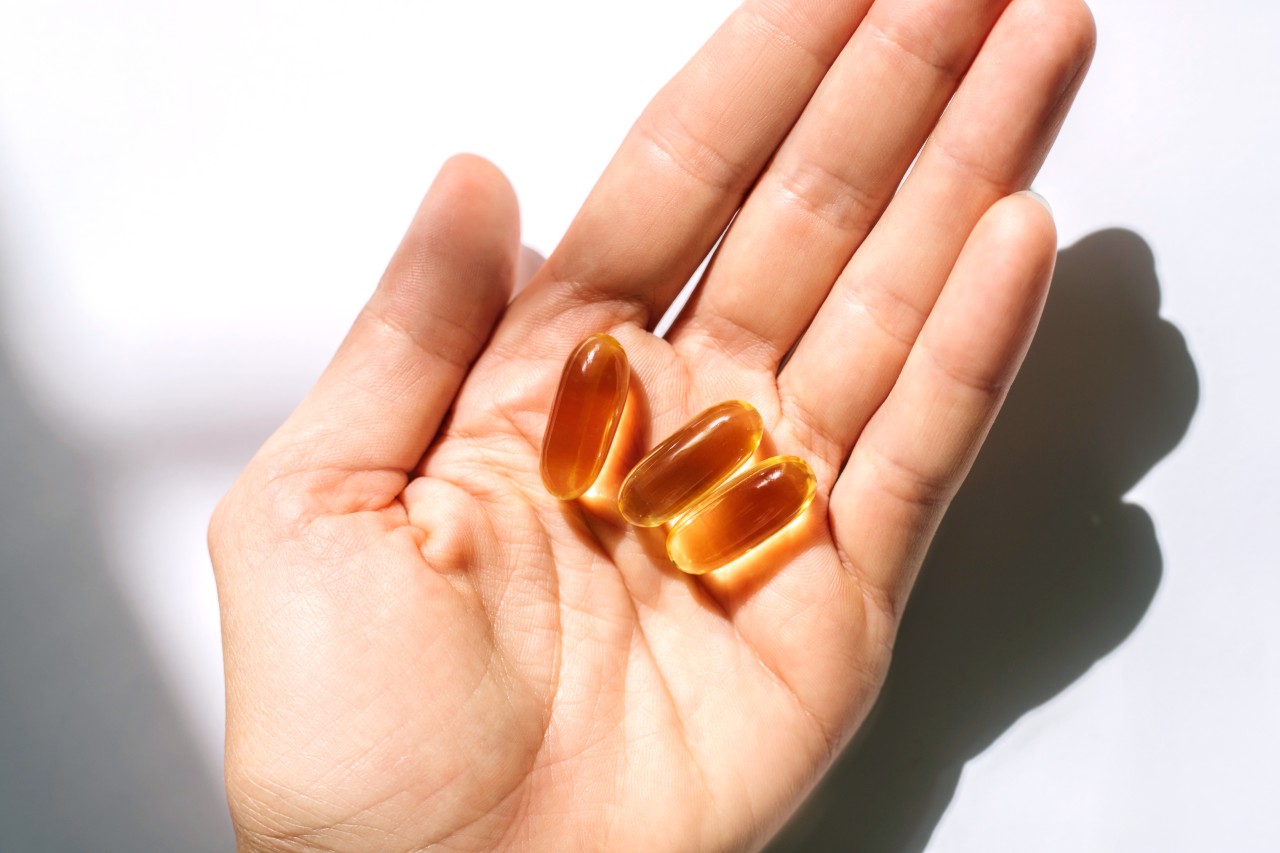
Olive oil pills are dietary supplements made with olive oil, olive leaf extract, or specific olive compounds. These products are not always the same, so reading the Supplement Facts label matters.
Most olive oil capsules contain extra-virgin olive oil or refined olive oil. Others contain olive leaf extract, which has different active compounds and should not be treated as a direct substitute for olive oil.
Common ingredients may include:
• Olive oil: A source of oleic acid, a monounsaturated fat.
• Polyphenols: Plant compounds that help protect cells from oxidative stress.
• Olive leaf extract: A plant extract that often contains oleuropein.
• Gelatin or plant-based capsule material: The outer shell of the pill.
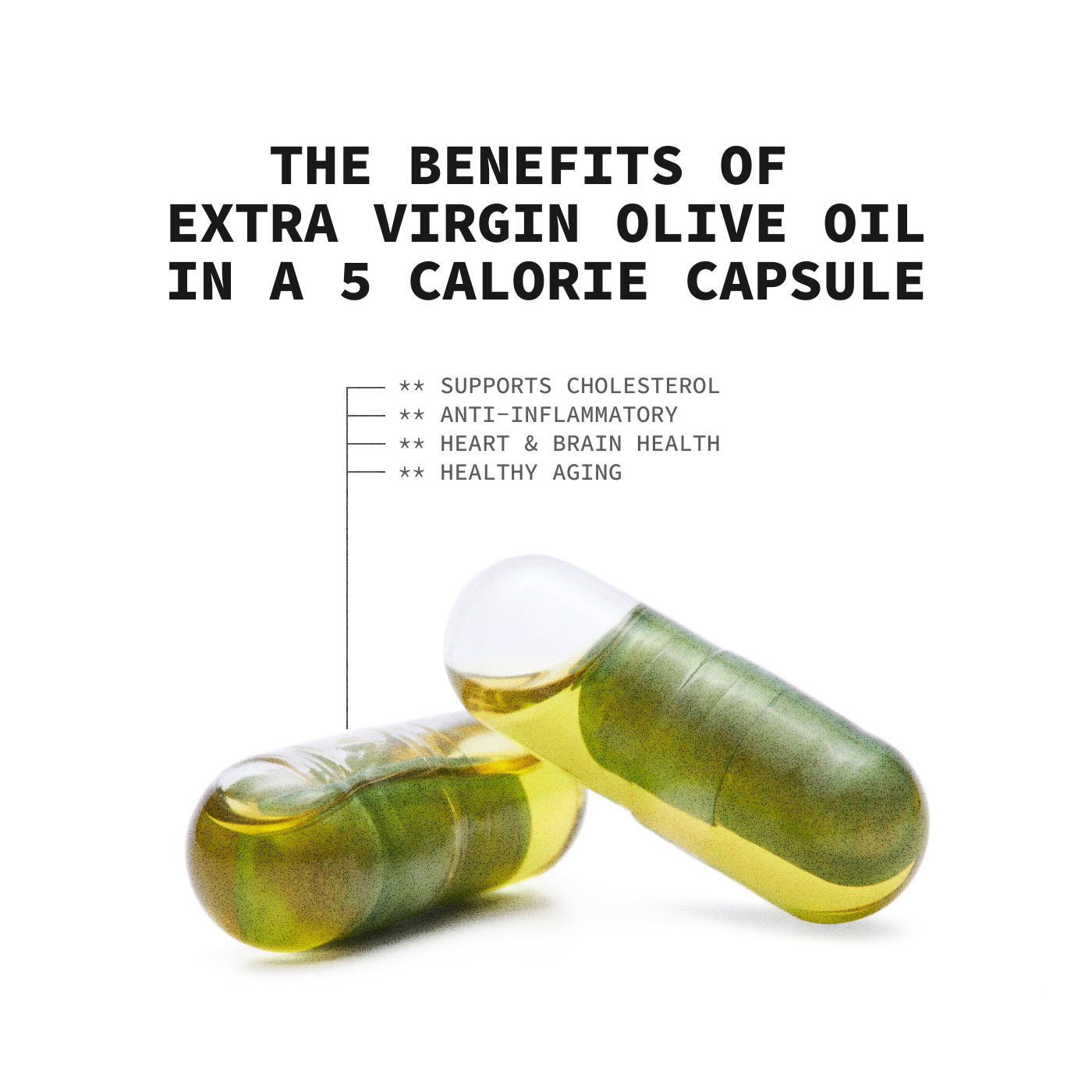
A capsule may provide far less oil than a tablespoon used in cooking. Some products also contain added vitamins or herbal ingredients. These additions can change the product’s effects and safety.
One important lesson when comparing supplements is to avoid judging a bottle by the words “natural” or “premium.” Check the serving size, active ingredients, expiration date, and third-party testing instead.
Olive Oil Pills Benefits Supported by Research
The possible olive oil pills benefits mainly come from oleic acid and polyphenols. However, research on olive oil as a food is much stronger than research on olive oil pills.
1. They may support heart health
Olive oil is rich in oleic acid, a fat linked with healthier eating patterns. Replacing butter, shortening, or other sources of saturated fat with unsaturated fat may help improve blood cholesterol levels.
The U.S. Food and Drug Administration allows a qualified health claim for conventional olive oil and coronary heart disease. The claim is based on limited evidence and applies when olive oil replaces fats higher in saturated fat.
This point is important: swallowing an olive oil pill is not the same as replacing butter with olive oil. The heart benefit may come from the overall dietary change, not from the capsule alone.
2. They may provide antioxidant compounds
Extra-virgin olive oil contains polyphenols. These compounds help defend plants against damage and may support the body’s natural response to oxidative stress.
Some olive oil supplements preserve these compounds, while others contain mostly purified or refined oil. A label that lists “olive oil” does not always tell you how many polyphenols the product provides.
Antioxidants are helpful parts of a balanced diet, but they are not magic shields. Sleep, exercise, fruit, vegetables, and not smoking usually have a much greater effect on long-term health.
3. They may support a Mediterranean-style diet
The Mediterranean diet includes vegetables, beans, whole grains, nuts, fish, and olive oil. This pattern is linked with heart health and may support healthy aging.
Olive oil pills may appeal to people who dislike the taste of liquid oil or travel often. Still, they do not provide the fiber, vitamins, minerals, and plant variety found in the full eating pattern.
Think of a pill as one small tile in a large mosaic. One tile cannot create the whole picture.
4. They may support normal inflammation balance
Olive oil polyphenols have shown anti-inflammatory activity in laboratory and human research. Some studies suggest that extra-virgin olive oil may influence markers linked with inflammation.
The evidence for olive oil pills is less clear. Many studies examine liquid extra-virgin olive oil, not capsules. Therefore, it is too early to claim that olive oil pills treat arthritis, autoimmune disease, or chronic inflammation.
5. They may support digestive comfort for some people
Liquid olive oil can help stool move through the digestive tract because dietary fat may stimulate digestion. Some people use olive oil for occasional constipation.
However, olive oil pills may not work in the same way. The amount of oil is often small, and capsules may dissolve after they pass through the stomach. Do not use olive oil capsules as a regular laxative without medical advice.
Olive Oil Pills vs. Liquid Olive Oil
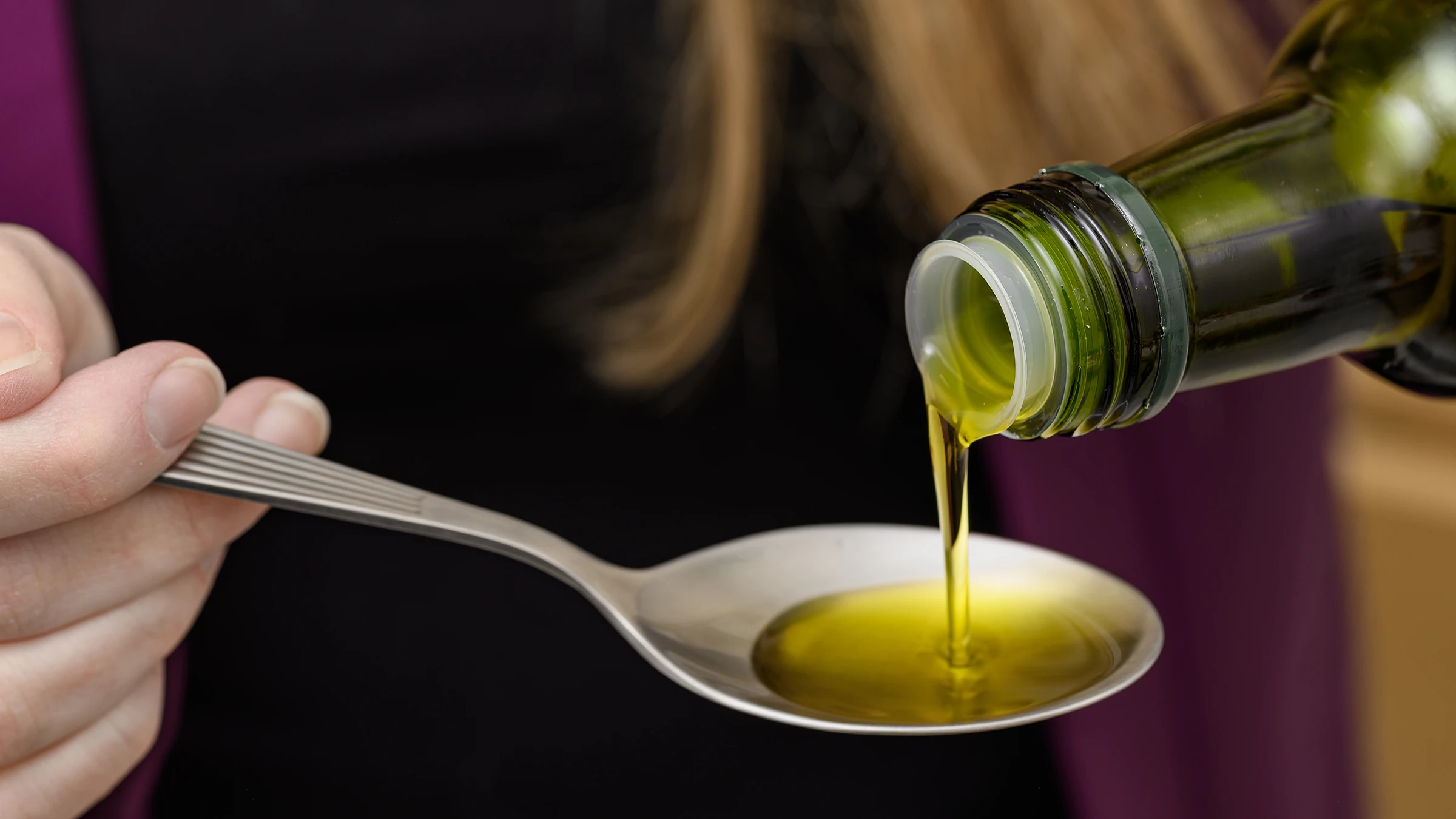
Liquid olive oil is usually the better-studied option. It is easy to add to salads, vegetables, beans, fish, and whole grains. It can also replace butter or other fats that contain more saturated fat.
Olive oil pills may be more convenient, but they have clear limits:
• A capsule often contains only a small amount of oil.
• You may not know whether the oil is extra-virgin or refined.
• The polyphenol content may be missing from the label.
• Pills do not provide the cooking and flavor benefits of liquid oil.
• Supplements can cost more per serving.
For example, a person who adds one tablespoon of extra-virgin olive oil to a salad receives more oil than most single-capsule products provide. The meal also includes vegetables and fiber, which may improve the total health value.
A practical approach is simple: use extra-virgin olive oil in meals when you can. Consider a capsule only when there is a clear reason, such as convenience or difficulty using liquid oil.
Remember that all fats contain calories. One tablespoon of olive oil has about 120 calories. Pills may seem small, but several capsules can still add calories to your day.

Do Olive Oil Pills Help With Weight Loss?
There is not enough strong evidence to say that olive oil pills cause weight loss. Olive oil contains healthy fats, but healthy does not mean calorie-free.
Some research links Mediterranean-style diets with better weight control. The benefit likely comes from the full eating pattern, portion control, fiber, protein, and regular activity.
Olive oil pills should not be marketed as fat burners. They do not melt body fat, block all calorie absorption, or replace a balanced diet.
If your goal is weight loss, focus on habits with stronger support:
• Eat meals built around vegetables, beans, fruit, whole grains, and lean protein.
• Use olive oil in measured portions.
• Reduce sugary drinks and highly processed snacks.
• Walk, exercise, or move your body most days.
• Sleep well and track progress over time.
A supplement may fit into a healthy plan, but it cannot carry the plan by itself.

How to Choose a Quality Olive Oil Supplement
Not all olive oil pills are made alike. A careful label review can reduce the chance of buying a weak or unsuitable product.
Look for these details:
• Exact ingredient name: The label should say olive oil, extra-virgin olive oil, olive leaf extract, or another clear ingredient.
• Amount per serving: Check the number of milligrams or grams, not just the capsule count.
• Polyphenol information: If antioxidant content is a major reason for use, look for a stated amount or a verified testing claim.
• Third-party testing: Independent testing may check identity, purity, and contamination.
• Full Supplement Facts panel: Avoid products with hidden blends that do not list each amount.
• Allergen and capsule information: Choose vegetarian capsules if needed, and check for soy, dairy, or other allergens.
• Expiration date and storage advice: Heat and light can affect oils.
Be careful with claims such as “detox,” “cures inflammation,” or “melts fat.” These phrases often signal aggressive marketing rather than strong evidence.
A trustworthy supplement company should provide a phone number, address, lot number, and clear instructions. Supplements are not approved by the FDA for safety and effectiveness before they reach the market in the same way prescription drugs are.

How to Take Olive Oil Pills Safely
Follow the serving instructions on the label unless a health professional gives you different advice. Taking the capsule with food may reduce stomach upset for some people.
Do not take more simply because a small dose seems harmless. Higher amounts may increase side effects without adding benefits.
Keep these tips in mind:
-
Start with the labeled serving.
-
Take the pill with water and a meal if the label allows it.
-
Store it away from heat, sunlight, and moisture.
-
Track any stomach changes, bruising, dizziness, or allergic symptoms.
-
Stop use and seek care for signs of a serious reaction, such as swelling, trouble breathing, or severe vomiting.
-
Tell your doctor and pharmacist about the supplement.
There is no universal best dose for olive oil pills. Product strength varies widely, and research has not established one standard dose for general health.
:max_bytes(150000):strip_icc()/VWH_Illustration_How-to-Use-Olive-Oil-for-Moisturizing_Illustrator_Jessica-Olah_Final-72d4c83116a04197ba8706887ef572d5.jpg)
Possible Side Effects and Safety Concerns
Olive oil pills are usually tolerated by many healthy adults, but “natural” does not mean risk-free.
Possible side effects include:
• Nausea or stomach discomfort
• Loose stools or diarrhea
• Bloating
• Heartburn
• An allergic reaction, especially in people sensitive to olive products
Olive oil supplements may also matter if you take medicines for blood pressure, blood sugar, or blood clotting. Olive leaf products may have stronger effects on blood pressure or blood sugar than plain olive oil.
Talk with a health professional before use if you:
• Take blood thinners or antiplatelet drugs.
• Use diabetes medicine.
• Take medication for high blood pressure.
• Have gallbladder or digestive problems.
• Are pregnant or breastfeeding.
• Have an upcoming surgery.
• Have a known allergy to olives or related plants.
As a general safety rule, stop supplements before surgery only when your surgeon gives that advice. Many clinicians ask patients to review supplements well before a procedure because some products may affect bleeding or blood pressure.
Who May Benefit Most From Olive Oil Pills?
Olive oil pills may be most useful for adults who cannot easily use liquid oil but still want a small supplement that fits their routine. This may include someone who travels, dislikes the flavor, or has limited access to cooking facilities.
Even then, the benefit may be modest. People who already eat a Mediterranean-style diet may gain little from adding a capsule.
A pill is less likely to be useful when someone:
• Expects fast weight loss.
• Wants to treat a medical condition without care.
• Uses several supplements at once.
• Has a medicine interaction risk.
• Believes a capsule replaces vegetables, fiber, or healthy meals.
The best choice depends on your diet, health history, medicine list, and goal. A registered dietitian or pharmacist can help you compare the product with your needs.
What the Research Can and Cannot Tell Us
Research on olive oil is promising, but research on olive oil pills is limited. Studies often differ in oil type, dose, duration, and participant health.
Extra-virgin olive oil has received the most attention because it contains naturally occurring phenolic compounds. Refined olive oil may contain fewer of these compounds. Olive leaf extract is a separate product with a different chemical profile.
This creates a common problem: a study on extra-virgin olive oil cannot automatically prove that a low-dose olive oil capsule has the same effect.
Credible health advice should include this uncertainty. Olive oil pills may support a healthy lifestyle, but they have not been proven to prevent or cure heart disease, cancer, diabetes, arthritis, or dementia.
The strongest evidence still supports the basics:
• Replace saturated fats with unsaturated fats.
• Eat more plant foods.
• Choose minimally processed meals.
• Stay active.
• Manage blood pressure, cholesterol, and blood sugar with professional guidance.
These habits may sound simple, but they are powerful because they work together.
Common Mistakes to Avoid
People often make the same mistakes when buying or using olive oil pills. Avoiding them can save money and protect your health.
Mistake 1: Treating every olive product as the same
Olive oil, extra-virgin olive oil, olive leaf extract, and oleuropein are different ingredients. Check the label before comparing products.
Mistake 2: Using pills instead of better food choices
A capsule cannot replace vegetables, beans, whole grains, nuts, or fish. Use it as a possible supplement, not a shortcut.
Mistake 3: Taking too many capsules
More is not always better. Higher doses may cause stomach problems or increase medicine interactions.
Mistake 4: Ignoring calories
Olive oil is calorie-dense. If weight control matters, count the oil from both food and supplements.
Mistake 5: Trusting disease claims
Statements that promise to cure high cholesterol, diabetes, or inflammation are warning signs. Talk with a qualified professional about medical treatment.
Mistake 6: Failing to report supplement use
Always tell your doctor and pharmacist what you take. This includes vitamins, herbal products, powders, and oils.
Frequently Asked Questions About Olive Oil Pills Benefits
Do olive oil pills have the same benefits as liquid olive oil?
Not necessarily. Liquid extra-virgin olive oil has been studied more often and may contain more useful polyphenols, while capsules vary in oil type and dose.
Can olive oil pills lower cholesterol?
They may provide monounsaturated fat, but there is limited evidence that olive oil pills alone lower cholesterol. Replacing butter and other saturated fats with unsaturated fats is a better-supported approach.
Are olive oil pills good for weight loss?
No strong evidence shows that olive oil pills cause weight loss. They contain calories and should not replace portion control, nutritious meals, activity, and other proven habits.
Can I take olive oil pills every day?
Some healthy adults may tolerate daily use when following the product label. Ask a doctor or pharmacist first if you take blood pressure, diabetes, or blood-thinning medicine.
Are olive oil pills safe during pregnancy?
Safety can vary by product, especially when olive leaf extract or added herbs are included. Pregnant or breastfeeding people should ask a qualified health professional before taking them.
What is the best time to take olive oil pills?
There is no proven best time for everyone. Taking them with food may reduce stomach discomfort, but follow the instructions on the product label.
Are olive leaf pills the same as olive oil pills?
No. Olive leaf supplements contain plant compounds such as oleuropein, while olive oil pills contain oil and fatty acids. Their possible effects, doses, and safety concerns can differ.
Conclusion
Olive oil pills may offer a convenient source of olive oil and related compounds, but the proven olive oil pills benefits are more limited than many advertisements suggest. They may support a healthy diet, yet they do not replace extra-virgin olive oil in meals, a Mediterranean-style eating pattern, or medical care.
Choose products with clear labels, avoid exaggerated claims, and check for medicine interactions. If you are considering olive oil pills, discuss your plan with a pharmacist or doctor and compare the supplement with simple food-based options. For more practical nutrition guidance, explore trusted health resources and share your questions with a qualified professional.