
Olive oil is liquid fat from pressed olives, while whole olives offer fiber and a more complete food profile.
Choosing between olive oil and olives is not an either-or decision. Both come from the same fruit, yet pressing changes their calories, nutrients, texture, and best uses. After comparing labels, cooking results, and everyday portions, I find that olive oil works best for concentrated flavor and healthy fats, while whole olives offer more fiber and a satisfying bite. This guide explains olive oil vs olives so you can choose with confidence.
Olive Oil vs Olives: What Is the Difference?
Olives are the fruit of the olive tree. They contain water, fiber, natural plant compounds, and fat. People eat them whole after curing, since fresh olives are naturally very bitter.
Olive oil is made by crushing olives and separating the oil from the fruit’s water and solid parts. Extra virgin olive oil usually comes from mechanical methods without chemical refining. It keeps more of the olive’s natural flavor and plant compounds.
The biggest difference is simple:
• Whole olives are a complete food with fiber and a firm texture.
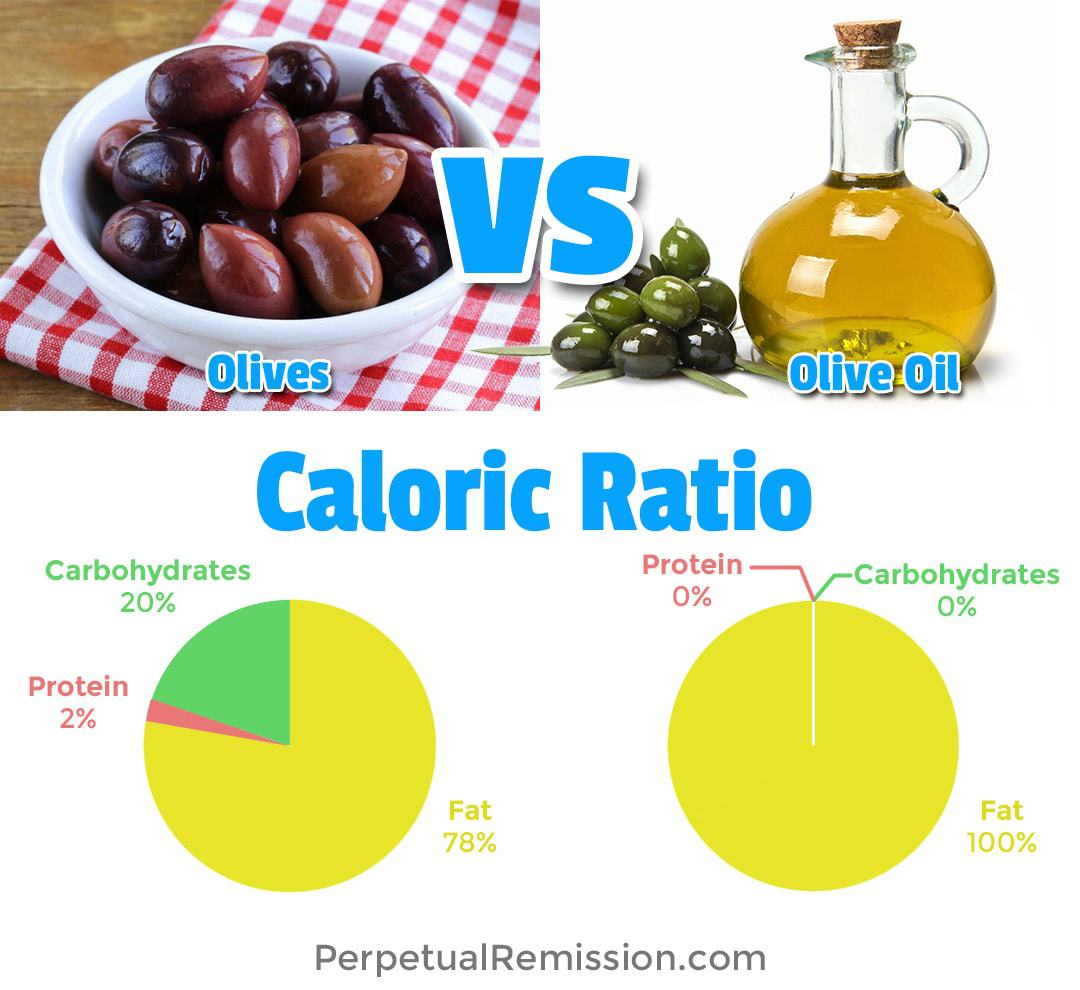
• Olive oil is a concentrated fat with almost no fiber or protein.
• Olives often contain more sodium because curing needs salt or brine.
• Olive oil provides more calories per tablespoon because it is nearly pure fat.
Think of an orange and orange juice. They come from the same fruit, but the form changes how quickly you consume calories and nutrients. Olive oil vs olives follows a similar pattern.
Nutrition Comparison: Olive Oil vs Olives
Both foods can fit into a healthy eating plan. Their nutrition differs because olive oil removes most of the fruit’s water, fiber, and solid material.
Nutrition in olive oil
One tablespoon of olive oil has about 119 calories and 14 grams of fat. Most of this fat is monounsaturated fat, especially oleic acid. It contains no fiber and only a small amount of vitamin E and vitamin K.
Extra virgin olive oil also contains polyphenols. These natural compounds help explain why high-quality extra virgin olive oil tastes bitter, peppery, or fruity. The amount varies by olive type, harvest time, storage, and processing.
Nutrition in whole olives
A small serving of olives, such as about 10 large black olives or 15 small green olives, usually has far fewer calories than a tablespoon of oil. Exact values vary by type and brand, but olives also offer fiber, small amounts of vitamin E, and plant compounds.
The main concern is sodium. Many table olives are cured in salty brine. A serving can provide a meaningful share of the daily sodium limit, especially when combined with cheese, cured meat, bread, or salty sauces.
Simple comparison
| Feature | Olive oil | Whole olives |
|---|---|---|
| Main nutrient | Fat | Fat, fiber, and water |
| Fiber | Almost none | Some fiber |
| Calories | About 119 per tablespoon | Usually lower per small serving |
| Sodium | Very low in plain oil | Often high after curing |
| Texture | Liquid | Firm or soft fruit |
| Best role | Cooking, dressing, dipping | Snacks, salads, spreads |
| Portion control | Easy to overpour | Easier to see and count |
This comparison shows why neither food is automatically “healthier.” The better choice depends on your meal, portion, and overall diet.
Health Benefits of Olive Oil
Olive oil has a strong place in Mediterranean-style eating patterns. Research on these patterns links them with better heart health and a lower risk of several chronic diseases. However, the benefits come from the full dietary pattern, not from adding unlimited oil to any diet.
Heart-friendly fat
Extra virgin olive oil is rich in monounsaturated fat. Replacing butter, shortening, or some highly saturated fats with olive oil may support healthier blood cholesterol levels.
The change matters. Pouring olive oil over a diet already high in calories does not create the same benefit as using it instead of less favorable fats.
Helpful plant compounds
Extra virgin olive oil contains phenolic compounds. These include oleocanthal and other antioxidants, although levels vary widely between bottles. Fresh, well-stored oil often has stronger flavor and more active compounds than old or poorly stored oil.
A peppery throat feeling is not a defect. It can come from natural compounds in the oil. Still, taste alone cannot prove a specific health effect.
Better absorption of some nutrients
Adding olive oil to vegetables can help your body absorb fat-soluble nutrients. These include carotenoids found in tomatoes, carrots, spinach, and other colorful produce.
In my own kitchen tests, a small drizzle of extra virgin olive oil made roasted vegetables more enjoyable, which helped me eat larger portions of them. That practical effect matters too. A healthy food is more useful when you actually want to eat it.
Health Benefits of Whole Olives
Whole olives provide many of the same plant compounds found in olive oil, but in a less concentrated form. They also bring fiber and water to the plate.
Fiber and fullness
Fiber supports normal digestion and may help you feel full. Olives do not provide as much fiber as beans, lentils, berries, or whole grains, but they can still add a little fiber to meals.
Because olives require chewing, they may feel more satisfying than quickly pouring oil onto food. That small difference can help with mindful eating.
Useful micronutrients
Olives provide small amounts of vitamin E, iron, copper, and other nutrients. The exact amount depends on the olive variety, ripeness, processing method, and serving size.
Green and black olives are not always different species. They often represent different ripeness stages or processing styles. Color alone does not determine which olive is more nutritious.
Fermented and cured foods
Some olives undergo natural fermentation. Fermented foods can contain helpful microbes during processing, but not every commercial olive product provides live cultures at the time you eat it.
Treat olives as a flavorful plant food, not as a guaranteed probiotic. Read the label if live cultures are important to you.
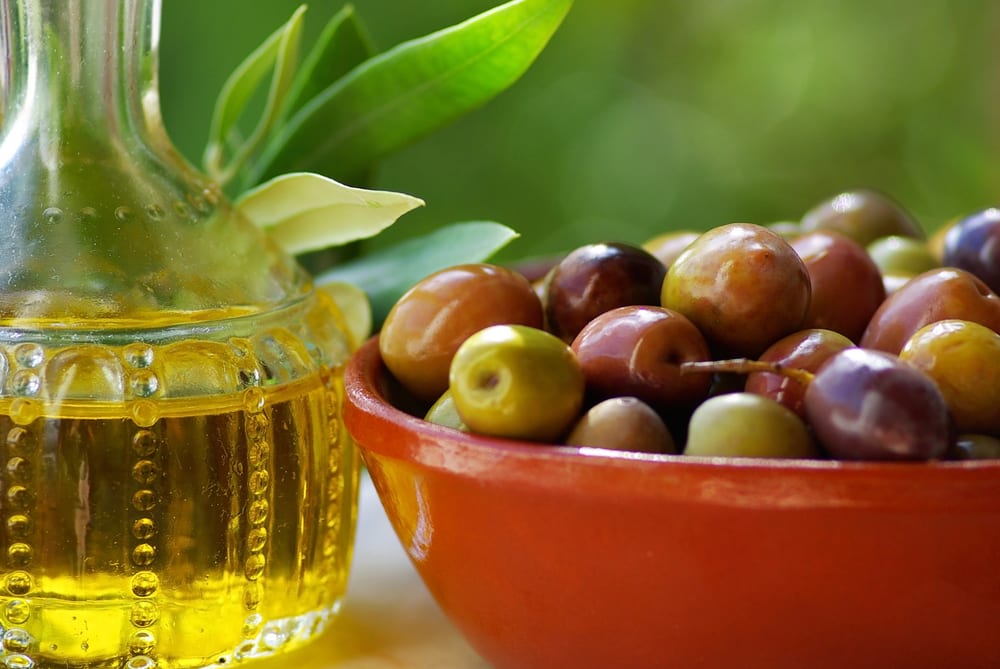
Olive Oil vs Olives for Weight Management
Olive oil and olives can both fit into a weight-conscious diet. The key is portion size and what each food replaces.
Oil is energy dense. One tablespoon can add about 119 calories, and a generous pour can easily become two or three tablespoons. This was one of my early mistakes when making salad dressing. The salad looked light, but the dressing quietly added most of the meal’s extra calories.
Whole olives usually take longer to eat and are easier to count. Yet they can still add calories, especially when served with nuts, cheese, crackers, and dips.
Use these practical tips:
• Measure olive oil with a teaspoon or tablespoon when calories matter.
• Use olives to add flavor before adding more oil.
• Rinse brined olives if you want to reduce some surface sodium.
• Pair either option with vegetables, beans, whole grains, or lean protein.
• Focus on replacement. Use olive oil instead of butter rather than simply adding both.

Cooking With Olive Oil and Olives
Olive oil and olives play different roles in the kitchen. Combining them can create deep flavor without needing large amounts of either one.
Best uses for olive oil
Extra virgin olive oil works well in:
• Salad dressings
• Vegetable dips
• Bean and lentil dishes
• Roasted vegetables
• Finishing soups
• Pasta and grain bowls
• Marinades
Refined olive oil has a milder taste and a higher smoke point than extra virgin olive oil. It can suit higher-heat cooking when you do not want a strong olive flavor. Extra virgin olive oil is also suitable for many everyday cooking methods, including sautéing, roasting, and baking, as long as you avoid burning it.
Smoke point is not the only measure of quality. Heating any oil until it smokes damages flavor and creates irritating fumes. Use moderate heat and replace oil that smells burnt.
Best uses for whole olives
Olives work well in:
• Greek-style salads
• Pasta sauces
• Pizzas
• Tapenade
• Grain bowls
• Braised chicken or fish
• Hummus plates
• Sandwiches and wraps
Remove pits before serving olives to young children or anyone who may have trouble chewing them. Also check for pits in jars labeled pitted, since an occasional fragment can remain.
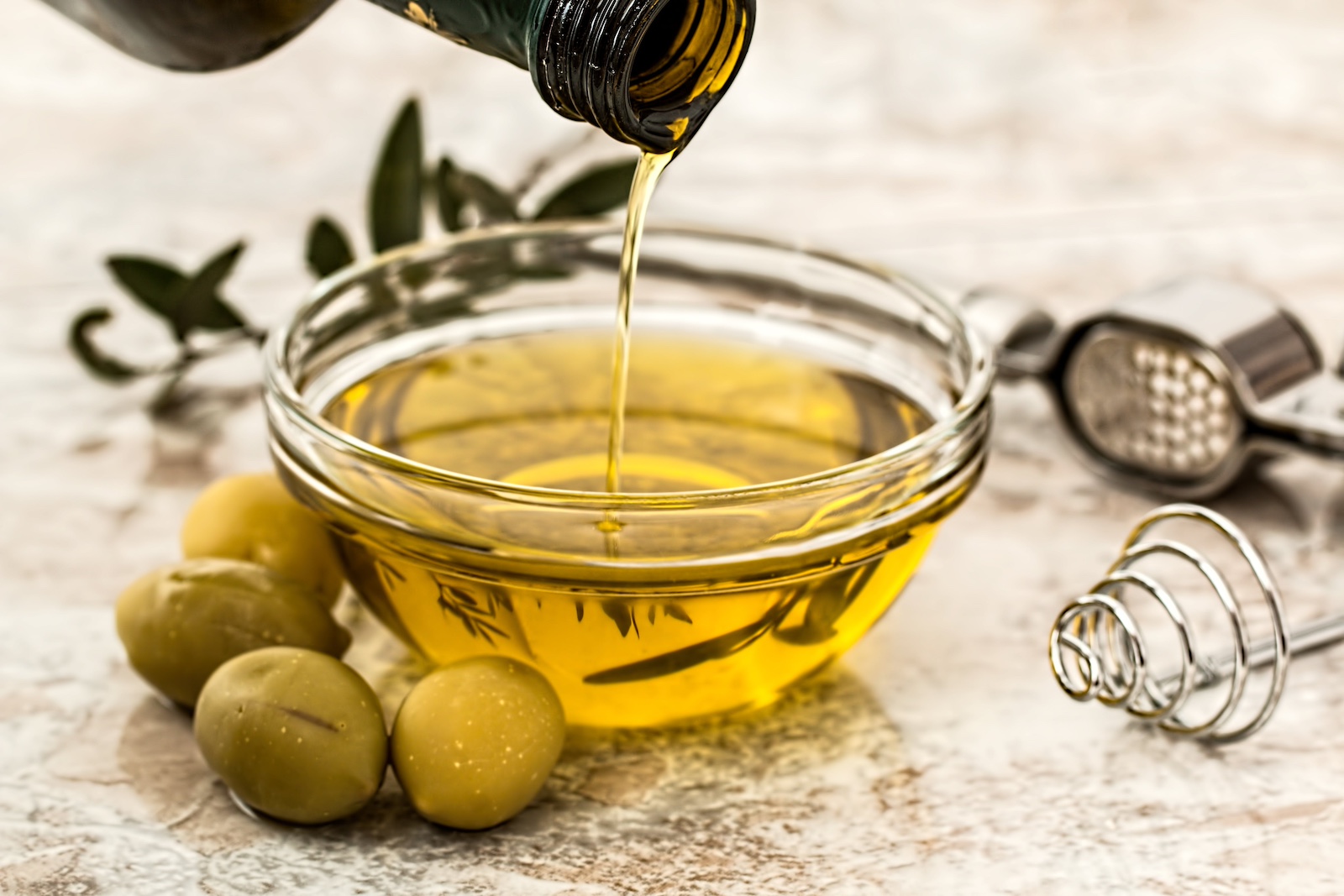
How to Choose High-Quality Olive Oil
A good bottle protects flavor, freshness, and value. The label can help, but it cannot tell you everything.
Look for these details:
• Choose extra virgin olive oil when you want the least processed option.
• Check the harvest date when available, not only the best-by date.
• Buy a size you can use within a few months after opening.
• Choose dark glass or a metal container.
• Store it away from heat, light, and the stove.
• Look for a clear producer, region, or lot code.
A quality seal can add useful information, but certification systems differ. Taste also matters. Fresh oil may smell grassy, fruity, or herbal and may have a mild bitter or peppery finish.
Do not store olive oil beside a hot cooktop. Heat is one of the fastest ways to flatten its flavor. A cool cabinet is better than a sunny counter.

How to Choose and Store Whole Olives
For whole olives, compare the ingredient list and nutrition facts. Some products contain only olives, water, salt, and simple seasonings. Others include added oils, sugar, flavorings, or preservatives.
Choose based on your needs:
• For lower sodium, compare brands and select reduced-sodium options.
• For bold flavor, try Kalamata, Castelvetrano, green cracked olives, or oil-cured olives.
• For a softer texture, choose ripe black olives.
• For a crisp snack, choose firm green olives.
• For cooking, buy pitted olives to save preparation time.
Keep unopened olives according to the package instructions. Refrigerate opened olives and use a clean utensil. Keep them covered by their brine when possible, and follow the product’s use-by guidance.

Common Mistakes to Avoid
Understanding olive oil vs olives helps you avoid a few common food mistakes.
Treating all olive oil as the same
Extra virgin, virgin, and refined olive oils differ in processing, flavor, and typical use. A mild refined oil may be practical for cooking, while a flavorful extra virgin oil may be better for finishing a dish.
Assuming expensive means better
Price can reflect farming, packaging, certification, and origin. It does not always guarantee freshness or flavor. Buy from a trusted seller and taste the oil when possible.
Ignoring sodium in olives
Olives can be a smart snack, but brine adds sodium. If you have high blood pressure or need to limit sodium, keep portions moderate and compare labels.
Believing “healthy” means unlimited
Olive oil contains beneficial fats, but it remains calorie dense. Olives are nutritious, but they can also be salty. Both foods work best as part of a balanced plate.
Storing oil incorrectly
Light, air, and heat slowly damage olive oil. A clear bottle left near a sunny window may lose quality faster than a dark bottle stored in a cool pantry.
Olive Oil vs Olives: Which One Should You Choose?
Choose olive oil when you need a cooking fat, salad dressing, marinade, or smooth finishing ingredient. Extra virgin olive oil is especially useful when you want a fresh, fruity, or peppery taste.
Choose whole olives when you want a snack, a chewy salad topping, or a way to add flavor without pouring extra liquid fat. They offer fiber and more volume, but you should watch the sodium.
For many meals, the best answer is both. Use a small amount of olive oil to cook vegetables, then add a few chopped olives for flavor. This approach creates a layered taste, much like adding music at different volumes instead of turning one instrument all the way up.
Frequently Asked Questions About Olive Oil vs Olives
Is olive oil healthier than whole olives?
Neither is always healthier. Olive oil provides concentrated monounsaturated fat and has almost no sodium, while whole olives provide some fiber but often contain more sodium from curing.
Do olives have the same benefits as olive oil?
Olives and olive oil share some plant compounds, but they are not nutritionally identical. Whole olives contain fiber and water, while olive oil contains more concentrated fat and fewer nonfat nutrients.
Can I eat olives every day?
Many people can enjoy a small serving of olives each day as part of a balanced diet. Check the sodium content and keep the portion moderate, especially if you follow a sodium-restricted diet.
Is extra virgin olive oil good for cooking?
Yes, extra virgin olive oil can work well for sautéing, roasting, baking, and other moderate-heat methods. Avoid heating it until it smokes, and choose a milder oil if you prefer less flavor.
Which has more calories, olive oil or olives?
Olive oil has more calories by weight and volume because it is nearly pure fat. Whole olives contain water and fiber, so a normal serving usually has fewer calories than a tablespoon of oil.
Should I rinse olives before eating them?
Rinsing can remove some surface brine and may lower the sodium you consume. It will not remove all sodium because some has moved into the olive during curing.
How long does olive oil stay fresh after opening?
Olive oil is usually best when used within a few months after opening, though the exact time depends on storage and freshness at purchase. Keep it tightly closed in a cool, dark place and discard it if it smells stale, waxy, or like old crayons.
Conclusion
Olive oil and whole olives come from the same fruit, but they serve different nutrition and cooking roles. Olive oil offers concentrated monounsaturated fat and rich flavor, while olives provide texture, water, and some fiber. The main limits are portion size for oil and sodium for cured olives.
Use olive oil in place of less healthy fats, measure it when needed, and add whole olives for flavor and satisfaction. Try both in simple meals, compare labels, and pay attention to freshness. If this guide helped, explore more Mediterranean-style recipes or share your favorite olive oil and olive pairing in the comments.