
Refined olive oil is a mild, heat-stable cooking oil suited to sautéing, roasting, frying, and baking.
Refined olive oil for cooking is a practical choice when you want olive oil’s clean profile without the strong flavor or lower heat tolerance of extra virgin olive oil. This guide explains how it is made, how it performs in the kitchen, how it compares with other oils, and how to choose and store it with confidence.
What Is Refined Olive Oil?
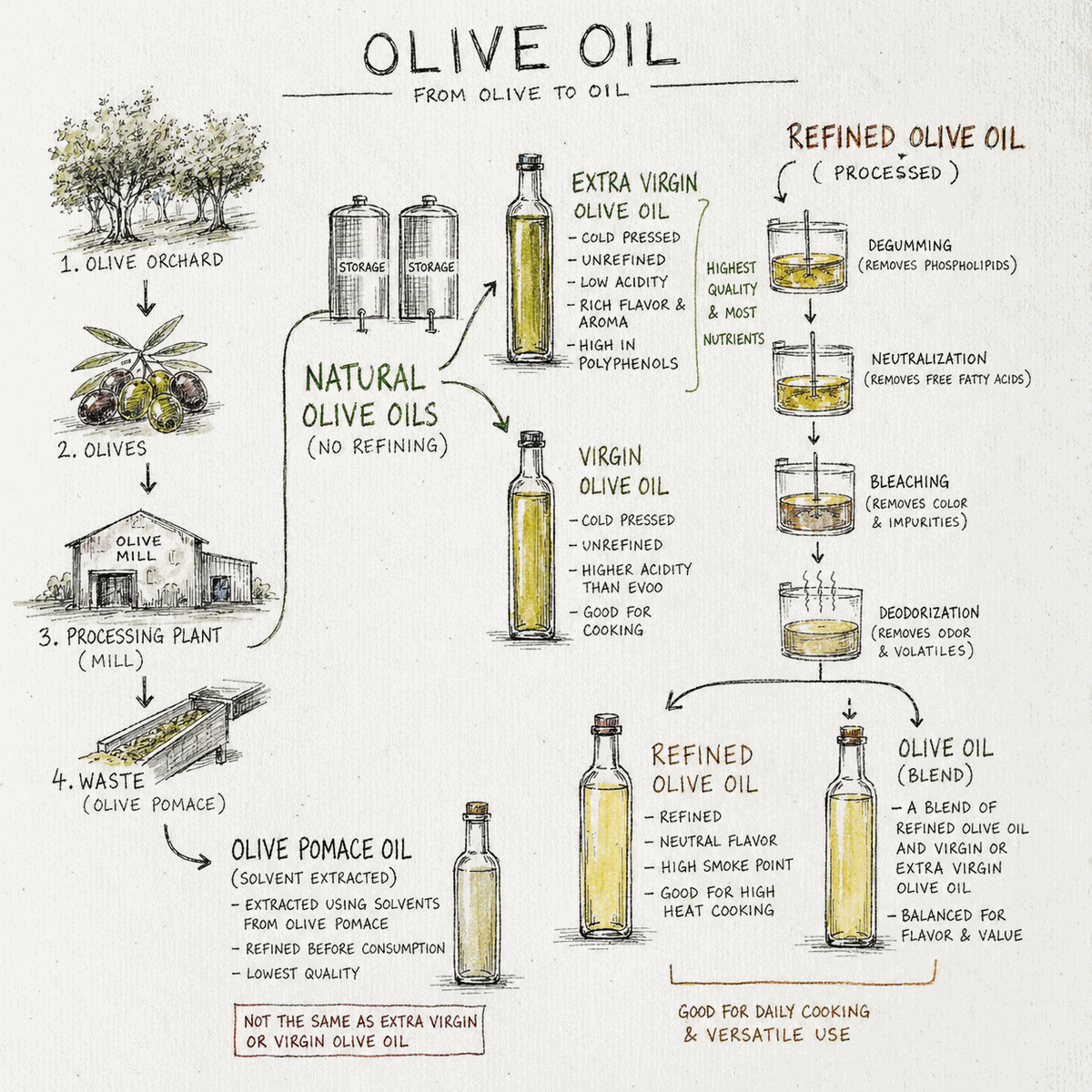
Refined olive oil is made from olive oil that has been treated to remove unwanted tastes, odors, color, and minor impurities. The process may use heat, filtration, or other approved methods. It creates a mild oil with a more neutral flavor.
Unlike extra virgin olive oil, refined olive oil does not have the same level of fresh olive aroma and natural plant compounds. It is still made from olives, but refining changes its taste and some of its nutritional qualities.
The word “refined” does not mean artificial. It describes how the oil was processed. It also does not mean the oil is low in calories. Like other cooking oils, refined olive oil contains about 120 calories per tablespoon.
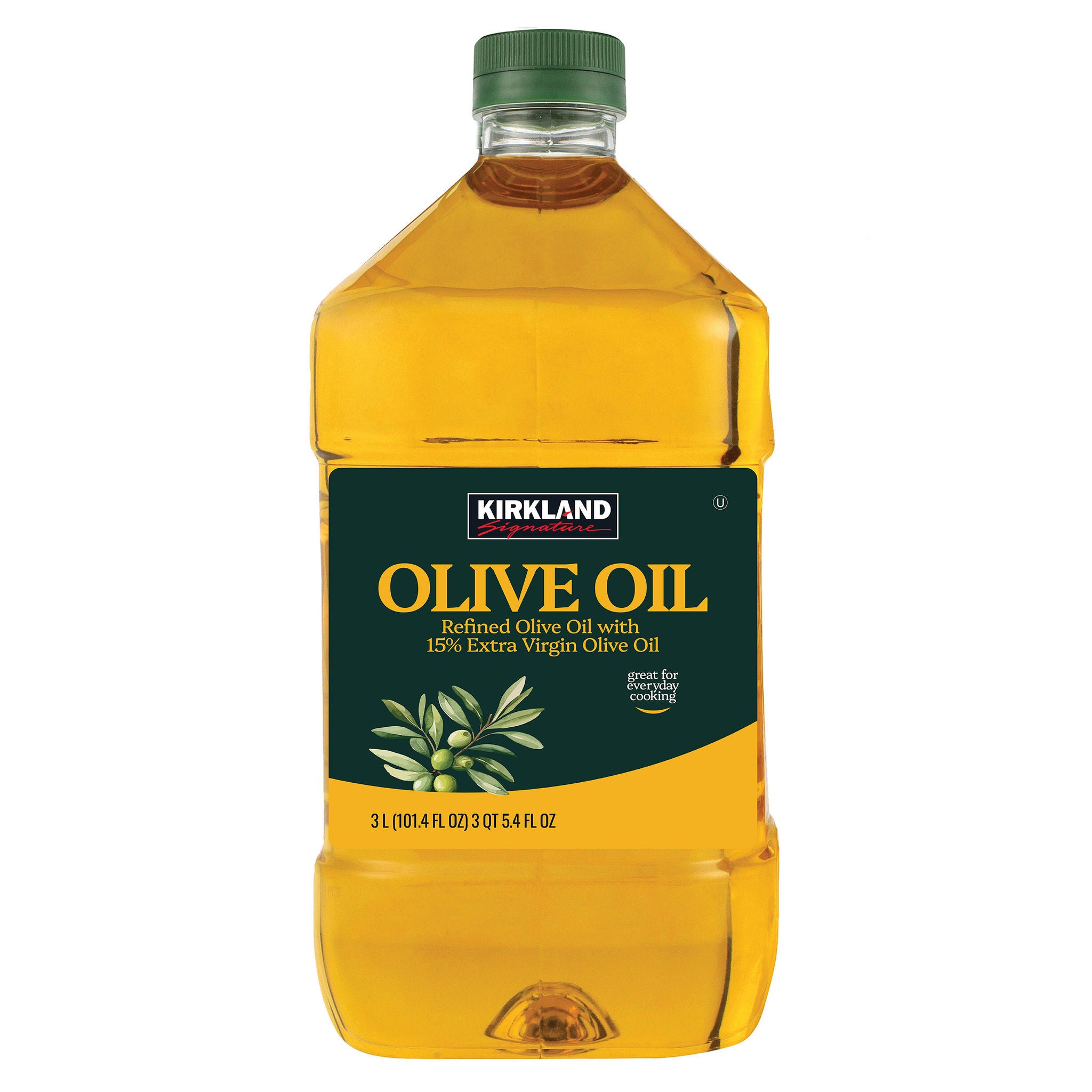
In many U.S. stores, refined olive oil may appear under names such as:
• Olive oil
• Pure olive oil
• Light olive oil
• Refined olive oil
• Olive oil blended with extra virgin olive oil
“Light” usually refers to flavor and color, not calories. Always read the label to see whether the bottle contains refined olive oil alone or a blend.
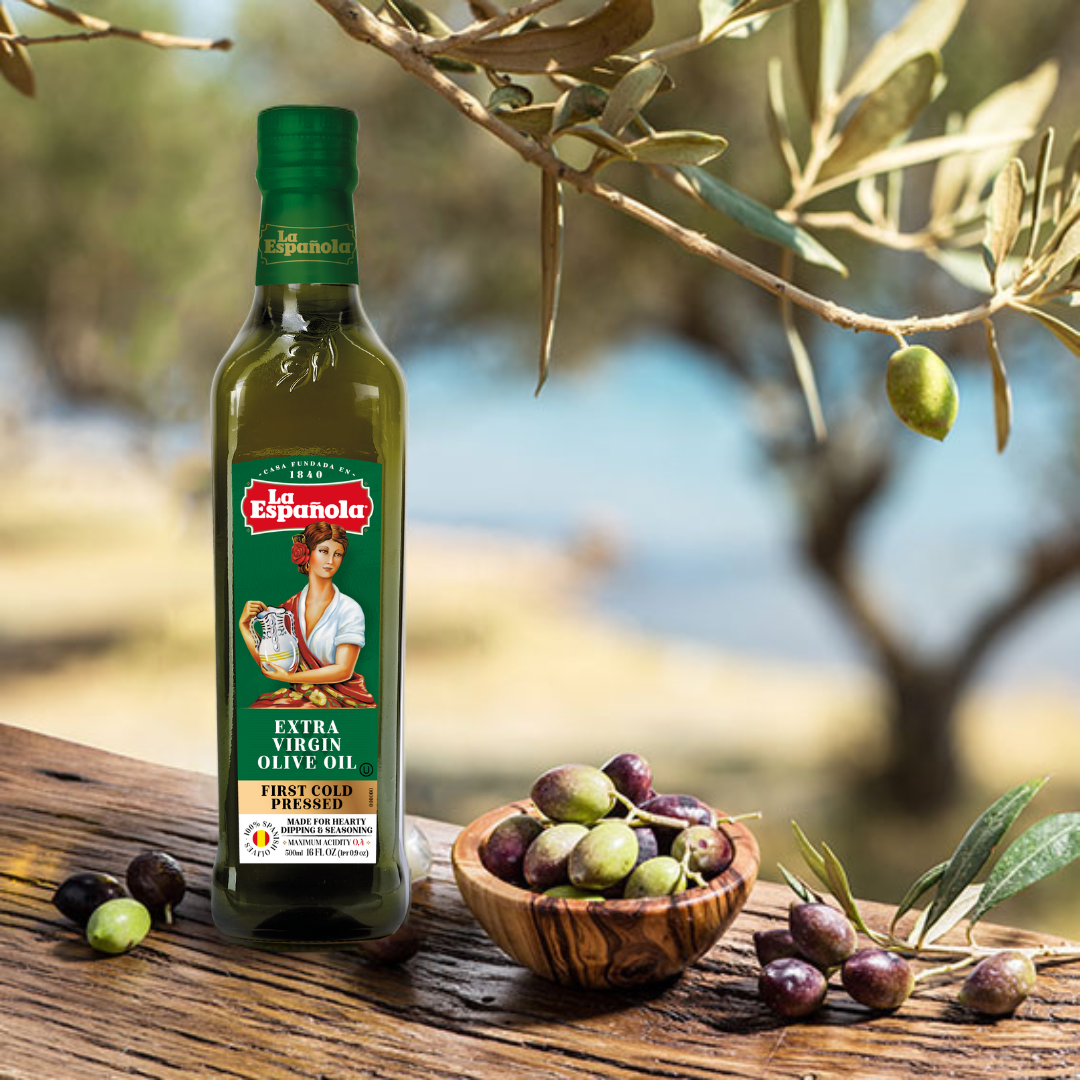
Is Refined Olive Oil Good for Cooking?
Yes, refined olive oil is good for cooking, especially when you need a mild taste and steady performance at medium to high heat. It works well in dishes where a strong olive flavor could distract from herbs, spices, meat, vegetables, or sauces.
Refined olive oil for cooking is often useful for:
• Sautéing onions, garlic, and vegetables
• Roasting potatoes, chicken, and root vegetables
• Pan-frying fish or breaded foods
• Baking cakes, muffins, and quick breads
• Making marinades and salad dressings
• Light deep-frying at home
Its mild flavor is one of its biggest strengths. For example, refined olive oil can coat a sheet pan without making roasted vegetables taste strongly fruity or peppery.
It also has a relatively high smoke point. Depending on the oil and the testing method, refined olive oil may begin to smoke around 390°F to 470°F. Smoke point can vary with freshness, processing, storage, and the presence of food particles.
A smoke point is not a complete measure of oil quality. An oil can handle heat yet still lose flavor or break down if it is overheated again and again. Use steady heat, avoid visible smoke, and replace oil that smells stale or burnt.
Refined Olive Oil vs. Extra Virgin Olive Oil
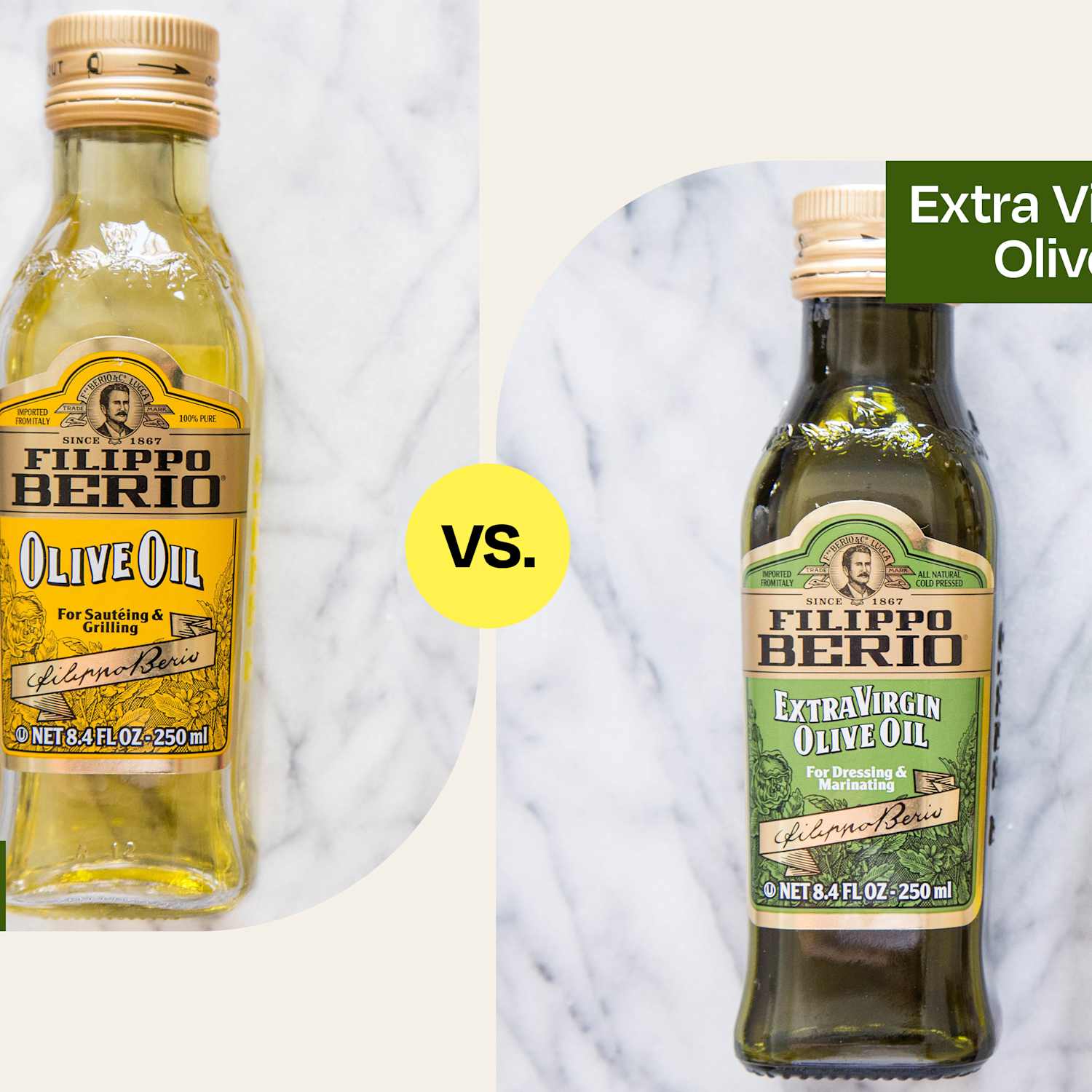
The main difference between refined olive oil and extra virgin olive oil is processing. Extra virgin olive oil is produced by mechanical methods and must meet strict standards for flavor, aroma, acidity, and chemical quality. Refined olive oil undergoes additional treatment to create a more neutral product.
Here is a simple comparison:
| Feature | Refined olive oil | Extra virgin olive oil |
|---|---|---|
| Flavor | Mild and neutral | Fruity, grassy, or peppery |
| Color | Often pale gold | Ranges from green to gold |
| Processing | Refined after extraction | Mechanically extracted |
| Best use | Cooking, baking, frying | Finishing, dressings, gentle cooking |
| Natural plant compounds | Usually lower | Usually higher |
| Heat performance | Generally steady | Suitable for many cooking tasks, but flavor may change with heat |
Extra virgin olive oil is often the better choice when you want flavor and natural antioxidants. Refined olive oil for cooking can be better when you want versatility, a clean taste, and a lower cost.
Neither oil is automatically best for every dish. Think of extra virgin olive oil as a flavorful ingredient and refined olive oil as a quiet kitchen helper.
Benefits of Refined Olive Oil for Cooking
Refined olive oil offers several practical benefits. These benefits matter most when you cook often and want one dependable oil for many tasks.
Mild flavor
Refined olive oil has little of the bitter or peppery taste found in some extra virgin oils. This makes it a good match for delicate foods, including:
• Eggs
• White fish
• Cakes and cookies
• Cream sauces
• Stir-fried vegetables
• Homemade mayonnaise
Useful heat tolerance
Refined olive oil can work well for sautéing, roasting, and pan-frying. It is not a reason to cook at extreme heat, but it gives you a useful margin for common stovetop and oven tasks.
Fewer flavor conflicts
Some recipes need fat without a strong flavor. Refined olive oil for cooking can support the texture and moisture of a dish while allowing the main ingredients to stand out.
A source of unsaturated fat
Olive oil is rich in monounsaturated fat, especially oleic acid. Replacing some sources of saturated fat with unsaturated plant oils may support a heart-conscious eating pattern.
Health effects depend on your whole diet, serving size, and personal needs. No single oil can replace a balanced eating pattern, regular activity, and medical advice.
Flexible use
One bottle can serve many roles. You can use refined olive oil to grease a pan in the morning, roast vegetables at dinner, and mix a simple marinade later.
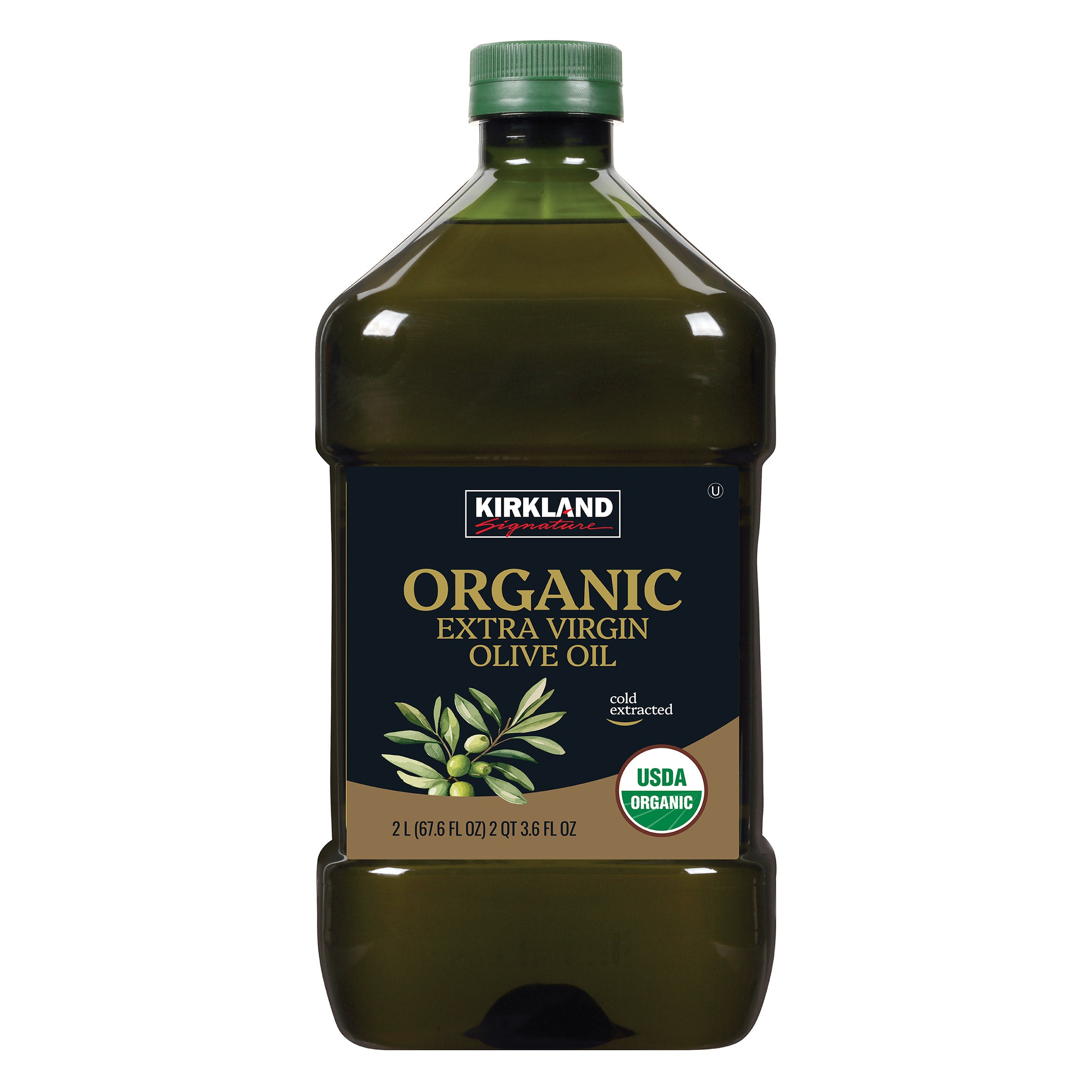
Nutrition and Health Considerations
Refined olive oil contains mostly fat, with very little protein or carbohydrate. A tablespoon generally provides about 14 grams of fat and roughly 120 calories, though exact values can vary by brand.
Refining removes some naturally occurring compounds found in extra virgin olive oil. These include many phenolic compounds and aromatic substances. As a result, refined olive oil may not provide the same level of antioxidant compounds as high-quality extra virgin olive oil.
However, refined olive oil can still fit into a nutritious diet. The most important factor is often what it replaces. Using it instead of butter, shortening, or animal fats may increase the amount of unsaturated fat in some meals.
A few practical points are worth remembering:
• Measure oil when calories matter.
• Avoid assuming “light” means low calorie.
• Choose a fresh bottle with a clear ingredient label.
• Use a variety of healthy foods rather than relying on one oil.
• Ask a health professional for advice if you follow a medical diet.
Cooking oil is only one piece of the nutrition picture. The quality of the meal also depends on vegetables, whole grains, legumes, protein foods, and portion size.

Best Ways to Use Refined Olive Oil
Refined olive oil for cooking works best when its mild flavor supports the recipe rather than competing with it.
Sautéing
Warm the oil over medium or medium-high heat. Add vegetables once the oil looks fluid and moves easily across the pan. If it begins to smoke, lower the heat and let the pan cool slightly.
Roasting
Toss vegetables with a small amount of refined olive oil, salt, and seasoning before roasting. It helps spread heat and encourages browning. Too much oil can make food heavy rather than crisp.
Pan-frying
Use enough oil to coat the pan or partially surround the food. Keep the heat steady, and avoid placing wet food into hot oil because splashing can cause burns.
Baking
Refined olive oil can replace some melted butter or other liquid oils in muffins, quick breads, cakes, and savory bakes. Its neutral flavor is helpful when you do not want the finished dessert to taste strongly of olives.
Marinades
Combine refined olive oil with lemon juice, vinegar, garlic, herbs, and spices. The oil helps carry flavor and coats foods evenly.
Homemade mayonnaise
Its mild taste makes refined olive oil a useful base for mayonnaise. Extra virgin olive oil can taste bitter in this recipe, especially when it is blended at high speed.
:max_bytes(150000):strip_icc()/__opt__aboutcom__coeus__resources__content_migration__serious_eats__seriouseats.com__images__2015__03__20150320-cooking-olive-oil-vicky-wasik-3-3666952dafbb4a7ebacbe27d17f469bc.jpg)
How to Choose the Best Refined Olive Oil
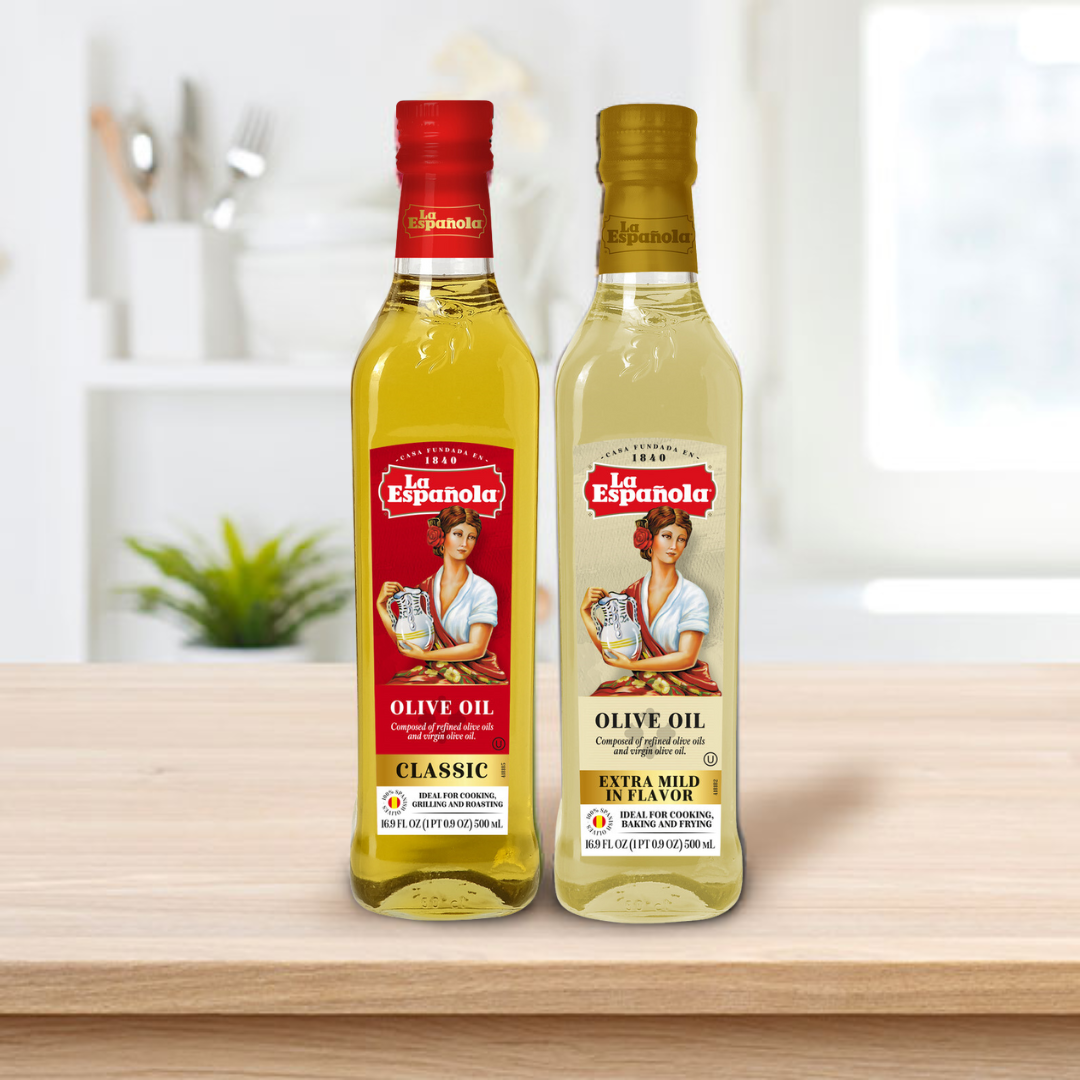
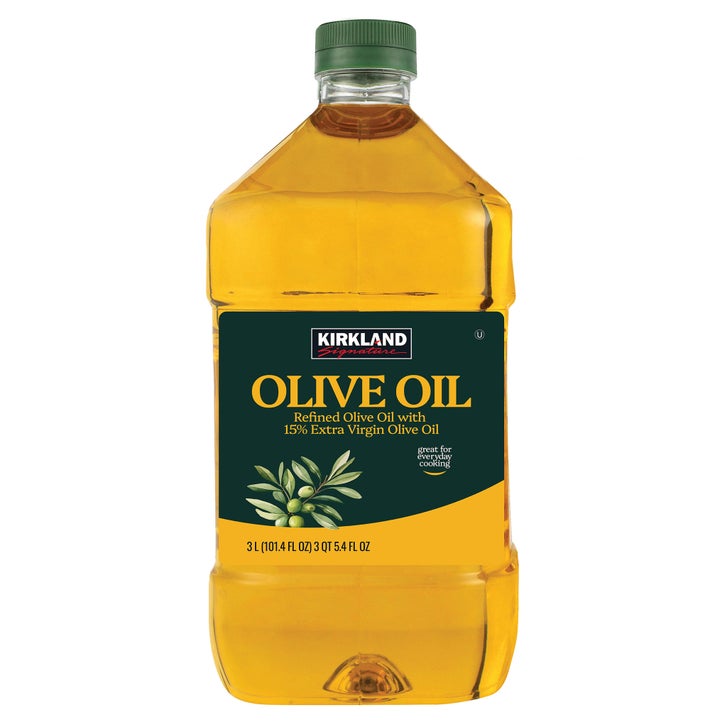
A good bottle begins with a clear label. Look for the product name, ingredient list, net quantity, and best-by date.
Use these buying tips:
• Choose a bottle that lists olive oil as the only ingredient unless you want a blend.
• Check whether the label says refined olive oil, olive oil, or light olive oil.
• Select a smaller bottle if you use oil slowly.
• Prefer dark glass, metal, or another package that limits light exposure.
• Look for a recent harvest or best-by date when available.
• Buy from a store with good product turnover.
• Avoid bottles with leaks, damaged seals, or a stale smell.
Price alone does not prove quality. Very cheap oil may still be useful, but unclear labeling and poor storage can affect freshness.
You can also inspect the oil after opening it. A clean, mild smell is a good sign. A smell like crayons, old nuts, wet cardboard, or paint may suggest oxidation or poor storage.
How to Store Refined Olive Oil
Light, heat, air, and time can reduce oil quality. Store refined olive oil in a cool, dark cabinet away from the stove, oven, dishwasher, and sunny window.
Keep the cap closed between uses. Do not pour fresh oil into a dirty bottle, because old residue can speed up spoilage.
A practical storage routine looks like this:
- Keep the main bottle in a dark cupboard.
- Close it tightly after each use.
- Pour only a small amount into a countertop container if needed.
- Wash and dry the smaller container before refilling it.
- Use the oil within a reasonable time after opening.
Refrigeration is usually unnecessary. It may make the oil cloudy or thick, although this does not always mean the oil is spoiled. Let it return to room temperature before judging its appearance.
Trust your senses, but do not taste oil that has visible mold or contamination. Rancid oil is not usually a serious poisoning risk, but it has an unpleasant taste and is best discarded.
Common Cooking Mistakes to Avoid
Even a good oil can perform poorly when it is used carelessly. These simple mistakes are common in home kitchens.
Heating the oil until it smokes
Smoke means the oil is too hot for the current task. Turn down the heat and move the pan if needed. Repeated overheating can create unpleasant flavors and unwanted breakdown products.
Using too much oil
More oil does not always create better browning. Food may become greasy, and the extra calories can add up quickly.
Storing oil beside the stove
This is convenient but harmful over time. Heat from the stove can slowly damage the oil, even when the bottle does not feel hot.
Reusing oil too many times
Oil used for frying may contain crumbs, water, and food compounds. Strain it only if it remains clean and fresh, and discard it when it smells stale, foams heavily, smokes quickly, or looks unusually dark.
Expecting a neutral oil to add olive flavor
Refined olive oil is designed to be mild. If you want a bright, grassy, peppery finish, drizzle extra virgin olive oil over the finished dish instead.
A lesson many home cooks learn after a few burnt meals is simple: control the heat before trying to control the recipe. The oil should support the food, not become the main event.
Is Refined Olive Oil Better Than Other Cooking Oils?
There is no single best cooking oil for every person or recipe. Refined olive oil for cooking is a strong all-purpose option, but other oils have useful qualities too.
Canola oil
Canola oil has a mild taste and is often affordable. It is useful for baking, sautéing, and frying, and it contains a relatively low amount of saturated fat.
Avocado oil
Refined avocado oil has a mild flavor and high heat tolerance. It can cost more than refined olive oil, so it may not be the most practical choice for large-batch cooking.
Peanut oil
Peanut oil works well for frying and has a light nutty taste. People with peanut allergies should avoid it unless a medical professional confirms that a specific product is safe.
Coconut oil
Coconut oil has a distinct flavor and a higher amount of saturated fat. It can be useful in some recipes, but it may not be the best everyday replacement for unsaturated oils.
Butter
Butter adds rich flavor and browning qualities. It also contains more saturated fat than olive oil and can burn at lower temperatures.
The right choice depends on flavor, heat, price, dietary needs, and the recipe itself. A well-stocked kitchen may use more than one fat.
A Simple Kitchen Test for Refined Olive Oil
You do not need special equipment to judge whether refined olive oil suits your cooking. Start with a small test using a clean pan and a familiar food.
Warm one teaspoon over medium heat. Add a piece of bread or a few sliced vegetables, then watch how the oil behaves. It should spread easily, coat the food, and remain free of harsh smoke at a normal cooking temperature.
Taste the cooked food after it cools slightly. Ask yourself:
• Does the oil add an unwanted flavor?
• Did the food brown evenly?
• Did the oil smell fresh?
• Was the texture light or greasy?
• Would the oil work in other recipes?
This kind of test is more useful than judging a bottle by color alone. Color does not reliably show freshness, purity, or cooking performance.
My practical advice is to test a new bottle in a simple dish before using it for a special meal. A basic roasted potato or sautéed vegetable reveals flavor problems quickly and saves disappointment later.
Frequently Asked Questions About Refined Olive Oil for Cooking
Is refined olive oil safe for high-heat cooking?
Refined olive oil is generally suitable for common high-heat methods such as roasting, sautéing, and pan-frying. Keep the temperature controlled, and do not allow the oil to smoke repeatedly.
Can I use refined olive oil for frying?
Yes, refined olive oil can be used for shallow frying and some deep-frying applications. Filter or discard used oil when it develops a burnt smell, heavy foam, dark color, or an unusual taste.
Is refined olive oil healthier than vegetable oil?
“Vegetable oil” is a broad term that can describe several oils with different fat profiles. Refined olive oil is rich in monounsaturated fat, but the best choice depends on the full diet, cooking method, price, and personal health needs.
Is light olive oil low in calories?
No. Light olive oil usually means light in color or flavor, not light in calories. It contains about the same number of calories per tablespoon as other olive oils.
Can refined olive oil be used in baking?
Yes, refined olive oil works well in many cakes, muffins, breads, and savory baked dishes. Its mild flavor is useful when you want moisture without a strong olive taste.
Does refined olive oil go bad?
Yes, refined olive oil can become rancid after exposure to air, heat, light, and time. Store it in a cool, dark place, keep the cap closed, and discard it if it smells like crayons, old nuts, or paint.
Can I mix refined olive oil with extra virgin olive oil?
Yes, you can mix them, although many commercial bottles already contain a blend. The mixture may offer a milder flavor than extra virgin olive oil alone while retaining some of its aroma.
Conclusion
Refined olive oil for cooking is a mild, flexible option for sautéing, roasting, baking, pan-frying, and everyday meal preparation. It offers a clean taste, useful heat performance, and a good source of monounsaturated fat, though it contains fewer natural flavor and antioxidant compounds than extra virgin olive oil.
Choose a clearly labeled bottle, store it away from heat and light, and avoid letting it smoke. Use refined olive oil for neutral cooking and extra virgin olive oil when you want a fresh, flavorful finish. Try these tips in your next meal, and share your favorite olive oil cooking method or recipe in the comments.