
You use olive oil for cooking, baking, salad dressing, skin care, and many simple home remedies.
When people ask what do you use olive oil for, they often expect one answer: cooking. In fact, extra virgin olive oil can add flavor to meals, support a balanced eating pattern, and replace less suitable fats in many recipes. This guide explains the best uses, cooking tips, health facts, storage rules, and common mistakes in a simple way.
:max_bytes(150000):strip_icc()/__opt__aboutcom__coeus__resources__content_migration__serious_eats__seriouseats.com__images__2015__03__20150320-cooking-olive-oil-vicky-wasik-3-3666952dafbb4a7ebacbe27d17f469bc.jpg)
What Do You Use Olive Oil For?
Olive oil is a natural oil made by pressing whole olives. Its flavor, color, and nutrient content can vary based on the olive type, harvest time, and production method.
You can use olive oil for:
• Cooking vegetables, eggs, fish, chicken, and grains
• Making salad dressings and marinades
• Dipping with bread
• Baking cakes, muffins, and quick breads
• Finishing soups, pasta, beans, and roasted foods
• Making sauces such as pesto and vinaigrette
• Moisturizing dry skin and softening cuticles
• Conditioning dry hair in small amounts
• Preserving some herbs, vegetables, and cheese
• Replacing butter or other oils in selected recipes
The best use depends on the type of olive oil. Extra virgin olive oil has the strongest flavor and the least processing. Regular or light olive oil has a milder taste, but “light” usually refers to flavor and color, not lower calories.

Cooking With Olive Oil
Cooking is the most common answer to what do you use olive oil for. It works well for sautéing, roasting, pan-frying, grilling, and low to medium heat cooking.
Extra virgin olive oil contains mostly monounsaturated fat. It also has natural plant compounds called polyphenols. These compounds help give high-quality oil its peppery taste and may support its stability during normal cooking.
Sautéing
Use olive oil to cook onions, garlic, mushrooms, greens, peppers, and other vegetables. Add enough oil to lightly coat the pan, then cook over medium heat.
For example, try this simple method:
- Warm one to two tablespoons of olive oil in a pan.
- Add chopped onions or vegetables.
- Stir often as they soften.
- Add herbs, beans, eggs, or cooked grains.
- Season near the end to control the flavor.
Avoid letting the oil smoke. Smoke means the oil is too hot and the flavor may become bitter.
Roasting
Olive oil helps vegetables brown and keeps them from drying out. Toss carrots, potatoes, cauliflower, Brussels sprouts, or squash with a small amount of oil before roasting.
A light coating is enough. Too much oil can make food greasy and may prevent crisp browning.
Pan-frying
Olive oil is suitable for shallow pan-frying. Choose a stable pan, keep the heat moderate, and avoid filling the pan too much.
For crisp food, pat ingredients dry before adding them to the oil. Moisture can cause splattering and may stop the food from browning well.
Grilling
Brush olive oil on vegetables, seafood, or lean meat before grilling. It can help prevent sticking and carry herbs and spices across the surface.
Do not pour oil directly onto open flames. Excess oil may cause flare-ups.
Using Olive Oil in Salads, Sauces, and Dips
One of the easiest answers to what do you use olive oil for is a fresh salad dressing. Olive oil adds richness and helps spread flavors from herbs, spices, garlic, and citrus.
A basic vinaigrette needs:
• Three tablespoons of olive oil
• One tablespoon of vinegar or lemon juice
• A small pinch of salt
• Black pepper to taste
• Optional mustard, honey, garlic, or herbs
Shake the ingredients in a jar or whisk them in a bowl. The mixture may separate after a few minutes, so shake it again before serving.
Olive oil also works well in:
• Hummus
• Pesto
• Garlic sauce
• Bean salads
• Pasta sauces
• Marinades
• Tomato bruschetta
• Grain bowls
• Roasted vegetable sauces
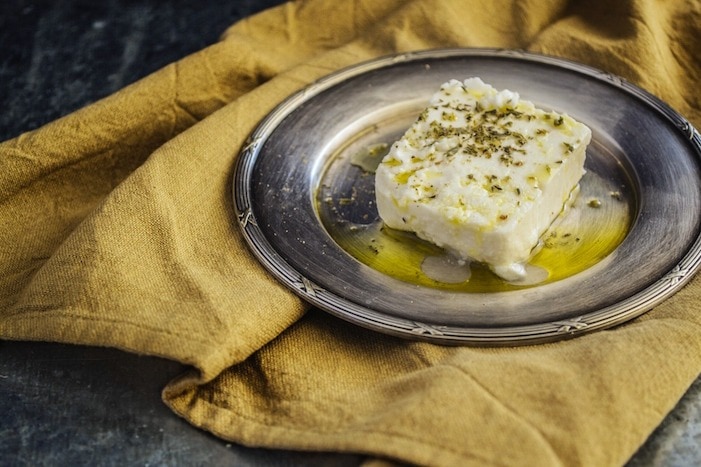
For a simple dip, pour olive oil into a shallow dish and add black pepper, dried herbs, red pepper flakes, or a little balsamic vinegar. Serve it with whole-grain bread, but remember that olive oil is calorie-dense, so a small serving can be enough.
Using Olive Oil for Baking
You can use olive oil for baking when you want a soft texture and a mild fruit flavor. It works especially well in cakes, muffins, quick breads, focaccia, and some cookies.
Use mild olive oil in sweet recipes. Extra virgin olive oil can also work, but its strong taste may stand out. This can be pleasant in lemon cake, orange loaf, chocolate cake, or savory bread.
Olive oil often replaces melted butter or other liquid oils at a similar volume. Still, every recipe behaves differently. Start with a tested recipe when possible.
Useful baking tips include:
• Choose mild-tasting oil for delicate desserts.
• Use extra virgin olive oil when you want a clear olive flavor.
• Do not replace solid butter in recipes that rely on creaming.
• Store baked goods in a cool place because oil-based cakes can become stale over time.
• Check the oil for freshness before using it. A stale smell can affect the whole dessert.
Olive oil cannot always replace butter one for one. Butter contains water and milk solids, while olive oil is nearly all fat. This difference can change texture, rise, and flavor.
:max_bytes(150000):strip_icc()/VWH_Illustration_How-to-Use-Olive-Oil-for-Moisturizing_Illustrator_Jessica-Olah_No-Text_Final-d9c6abc89db24e5789499e4a27bf2953.jpg)
Olive Oil for Health and Nutrition
Many people ask what do you use olive oil for because they have heard that it may be better than butter or highly saturated cooking fats. The strongest evidence supports using olive oil as part of an overall healthy eating pattern, not treating it as a cure.
Olive oil is rich in monounsaturated fat. Replacing some saturated fat with unsaturated fat may help support healthy cholesterol levels. Olive oil also fits well into Mediterranean-style eating patterns, which include vegetables, fruits, beans, whole grains, fish, nuts, and moderate portions of healthy fats.
Extra virgin olive oil contains more natural plant compounds than refined olive oil. However, all olive oil contains about 120 calories per tablespoon. Healthy does not mean unlimited.
A balanced approach looks like this:
• Use olive oil instead of butter or shortening in suitable dishes.
• Measure it when calories matter.
• Pair it with vegetables, beans, whole grains, fish, and nuts.
• Avoid relying on oil alone for nutrition.
• Choose a varied diet rather than focusing on one ingredient.
Some people take spoonfuls of olive oil for supposed detox benefits. There is no strong evidence that drinking large amounts detoxes the body. It may also add unnecessary calories or cause stomach discomfort.
:max_bytes(150000):strip_icc()/Can-You-Use-Olive-Oil-Instead-of-Vegetable-Oil-fbf183b687a24b0aa98e1fc02109862f.jpg)
Extra Virgin Olive Oil vs. Regular Olive Oil
Understanding oil labels helps you decide what do you use olive oil for in different recipes.
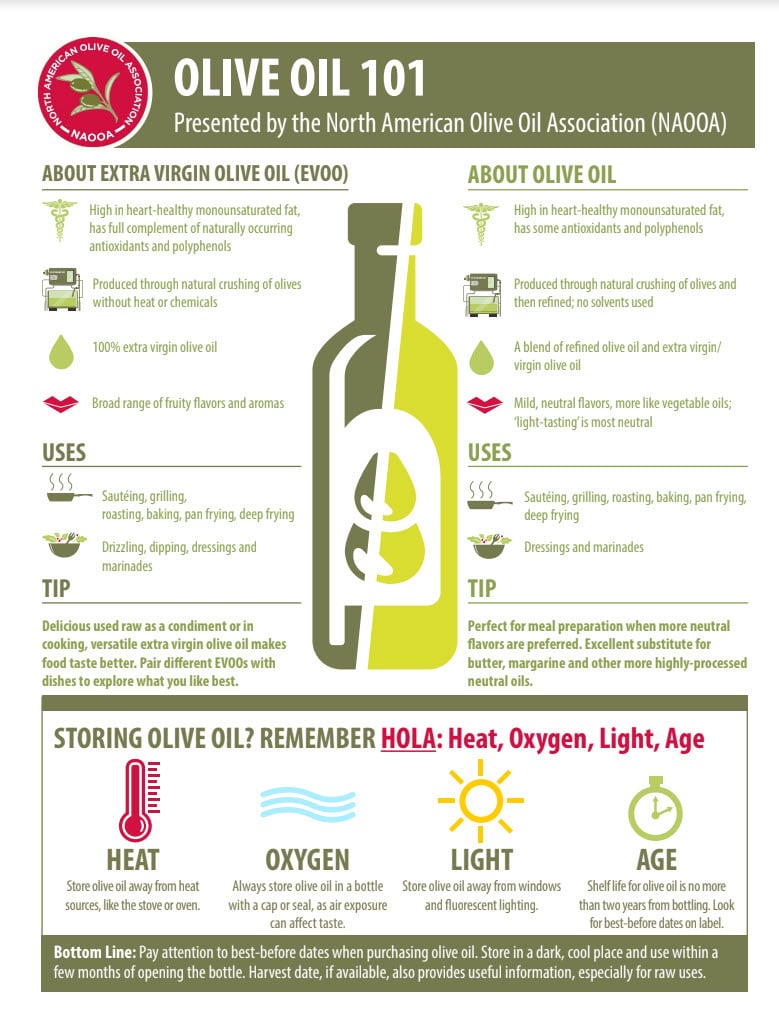
Extra virgin olive oil
Extra virgin olive oil is produced without chemical refining and must meet standards for taste and acidity. It usually has a deeper flavor and more natural compounds.
Use it for:
• Salad dressings
• Dipping
• Finishing soups and pasta
• Roasted vegetables
• Marinades
• Medium-heat cooking
• Bread and tomato dishes
Regular olive oil
Regular olive oil is often refined and blended with virgin olive oil. It has a lighter taste and may suit recipes where you do not want a strong olive flavor.
Use it for:
• Baking
• Sautéing
• Pan-frying
• Mild sauces
• High-volume cooking
“Light” olive oil
Light olive oil is not usually lower in calories. The term generally describes its lighter color and flavor. Read the nutrition label if you are comparing calories.
A practical rule is simple: use extra virgin olive oil when flavor matters and regular olive oil when you want a neutral taste.
Olive Oil for Skin, Hair, and Home Care
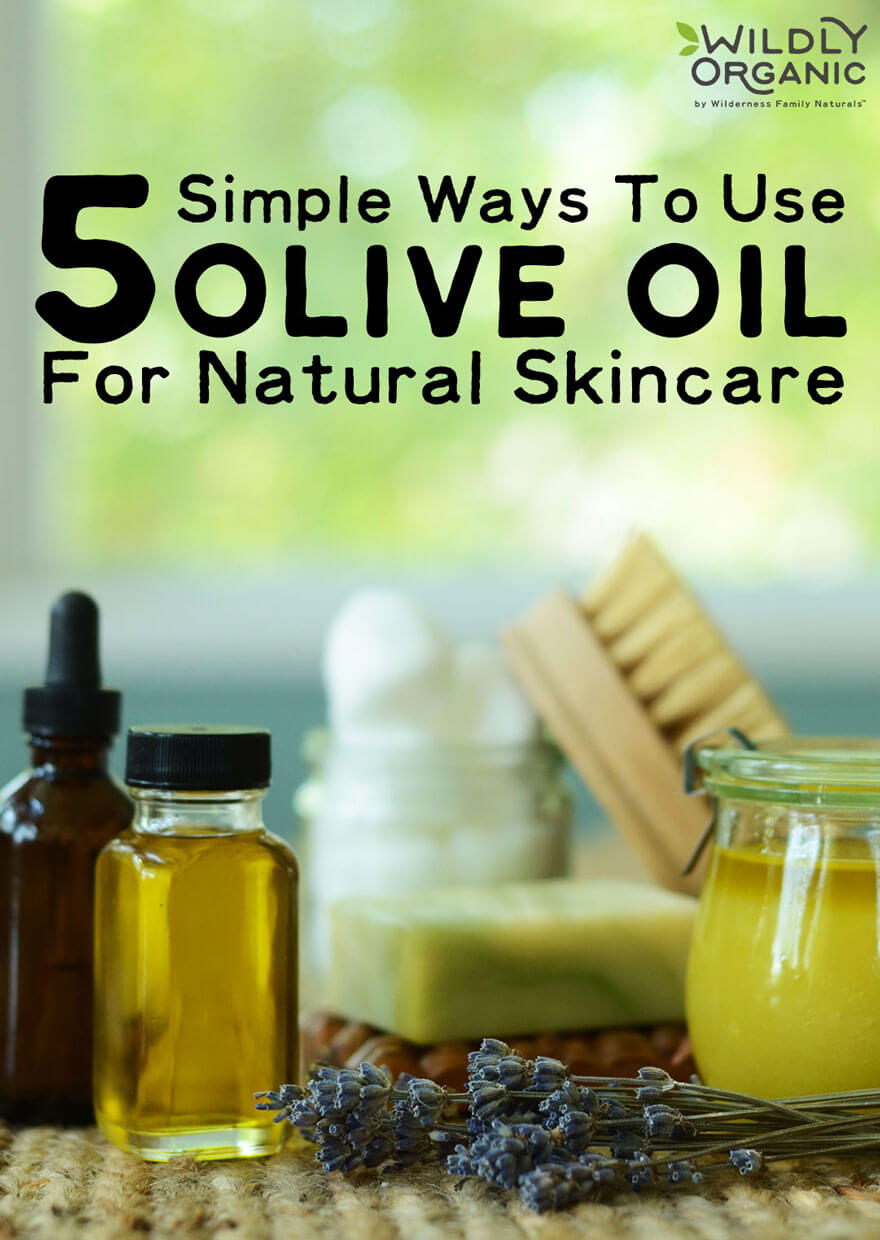
People also ask what do you use olive oil for beyond the kitchen. Olive oil can soften dry skin and cuticles because it creates an oil layer that reduces moisture loss.
You can apply a small amount to:
• Dry hands
• Rough elbows
• Cuticles
• Dry heels
• Shaving areas
• Hair ends
Test it on a small patch of skin first. Olive oil may irritate some people or worsen acne for some skin types. It is also not a replacement for sunscreen, medical treatment, or a fragrance-free moisturizer designed for sensitive skin.
Use caution with babies and children. Do not use olive oil as a treatment for eczema without medical advice. Research suggests that some oils may weaken the skin barrier in people with certain skin conditions.
For hair, apply a small amount to the ends before washing. Too much can leave hair heavy and difficult to rinse. Never use olive oil as a substitute for heat-protection products when using a hot styling tool.

How to Choose Good Olive Oil
Choosing the right bottle makes a major difference. Look for clear labeling and a package that protects the oil from light.
Helpful buying tips include:
• Choose a dark glass bottle, tin, or another light-blocking container.
• Check the harvest date when available.
• Buy a size you can use within a few months after opening.
• Look for a seal or certification if quality matters to you.
• Avoid bottles stored in direct sunlight or near a hot stove.
• Pick a flavor you enjoy, from mild and buttery to grassy and peppery.
A high price does not always guarantee the best oil. Taste, freshness, storage, and reliable labeling all matter.
At home, fresh olive oil should smell fruity, grassy, or pleasantly peppery. It should not smell like crayons, old nuts, wet cardboard, or stale paint. Those smells may suggest oxidation.
How to Store Olive Oil
Proper storage protects olive oil from its main enemies: light, heat, air, and time.
Keep the bottle:
• In a cool, dark cabinet
• Away from the oven and stove
• Tightly closed between uses
• In its original dark container when possible
• Away from windows and strong sunlight
Do not store olive oil beside a hot cooktop. Heat speeds up oxidation and can shorten its useful life.
Olive oil does not need refrigeration. Cold storage may make it cloudy or thick, although this does not always mean it has spoiled. Let it return to room temperature before judging its appearance.
Write the opening date on the bottle. Try to use opened olive oil within a few months for the best flavor, and always trust your senses. A stale smell is a better warning than color alone.
Common Olive Oil Mistakes to Avoid
Even when you know what do you use olive oil for, a few common mistakes can affect flavor and safety.
Using too much
Olive oil is nutritious, but it is still energy-dense. Measure it when making dressings, cooking for weight control, or following a specific nutrition plan.
Heating it until it smokes
Smoking oil tastes unpleasant and may produce irritating compounds. Use moderate heat and lower the temperature if the oil begins to smoke.
Buying a large bottle for rare use
A large bottle may seem like a bargain, but oil can become stale before you finish it. Buy an amount that fits your cooking habits.
Leaving the cap open
Air slowly damages oil quality. Close the bottle after every use.
Assuming “light” means low calorie
Light olive oil usually has a mild flavor, not fewer calories. Check the nutrition label.
Using it as a cure
Olive oil can be part of a healthy diet, but it does not replace medical care. Be careful with claims about detoxes, disease cures, or guaranteed weight loss.
Practical Ways to Use Olive Oil Every Day
If you are still wondering what do you use olive oil for, start with small changes rather than changing your whole kitchen.
Try these ideas:
- Drizzle olive oil over cooked beans with lemon and herbs.
- Toss vegetables with oil, salt, and pepper before roasting.
- Replace part of the butter in a savory pasta dish.
- Whisk olive oil with vinegar for a fast salad dressing.
- Add a teaspoon to soup just before serving.
- Brush oil on bread before toasting.
- Use it to marinate chicken, fish, tofu, or vegetables.
- Mix it with garlic and herbs for a simple dipping sauce.
- Add a small drizzle to oatmeal with fruit and nuts for a savory version.
- Use mild olive oil in muffins or quick breads.
A useful kitchen lesson is to match the oil to the dish. Strong, peppery oil can make a tomato salad exciting, but it may overpower a delicate cake. Mild oil is often more flexible for baking and everyday cooking.
Frequently Asked Questions About What Do You Use Olive Oil For
What do you use olive oil for in cooking?
You can use olive oil to sauté, roast, grill, pan-fry, bake, and finish foods. Extra virgin olive oil is especially good for dressings, dips, vegetables, pasta, and medium-heat cooking.
Can you fry with olive oil?
Yes, olive oil can be used for shallow frying and many everyday frying tasks. Keep the heat controlled and do not let the oil smoke.
Is olive oil healthier than butter?
Olive oil is higher in monounsaturated fat, while butter contains more saturated fat. Replacing some butter with olive oil may support a healthier fat balance, but total portions and the rest of the diet still matter.
Can you use extra virgin olive oil for baking?
Yes, extra virgin olive oil can work in cakes, muffins, breads, and some cookies. Its flavor is stronger, so mild olive oil may be better for delicate desserts.
Can olive oil be used on skin?
A small amount may soften dry skin, hands, heels, or cuticles. Patch-test it first, and avoid using it on irritated skin or as a treatment for a skin condition without professional advice.
How long does olive oil last after opening?
For the best flavor, use opened olive oil within a few months and store it away from heat, light, and air. Discard it if it smells stale, waxy, or like old nuts.
Is light olive oil lower in calories?
Usually, no. “Light” generally means a lighter flavor and color, not fewer calories.
Can you drink olive oil for health benefits?
There is no strong reason for most people to drink large amounts of olive oil. It is usually more useful and enjoyable as part of meals, where it replaces less suitable fats and adds flavor.
Conclusion
Olive oil is useful for far more than frying. You can use it in dressings, sauces, marinades, roasted vegetables, baked goods, dips, and selected skin-care routines. Extra virgin olive oil brings bold flavor, while regular olive oil offers a milder option for cooking and baking.
Choose a fresh bottle, store it in a cool, dark place, and use moderate amounts. Start with one simple change today, such as making a homemade vinaigrette or roasting vegetables with olive oil. Explore more healthy cooking ideas, and share your favorite olive oil use in the comments.