
Virgin olive oil is a natural oil made by pressing fresh olives without chemical refining.
Understanding what is virgin olive oil can help you choose better oil, cook with confidence, and avoid confusing labels. It has a fruity taste, useful fats, and a long food history. Yet not every bottle labeled “olive oil” has the same quality, flavor, or production method. This guide explains how virgin olive oil is made, how it differs from extra virgin olive oil, how to use it, and how to store it well.
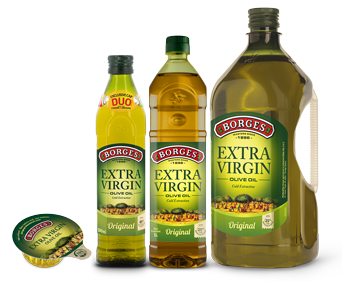
What Is Virgin Olive Oil?
Virgin olive oil is oil taken from fresh olives through mechanical or physical methods. Producers may use crushing, pressing, centrifuging, filtering, and careful settling. The process does not use chemical solvents or refining to extract the oil.
The word “virgin” describes how the oil is produced. It does not mean the oil comes from a special olive variety, and it does not always mean the oil is the highest grade available.
Virgin olive oil must meet set chemical and sensory standards. It should have no major flavor defects, although its taste may be less refined than extra virgin olive oil. Its free acidity is generally no more than 2 grams per 100 grams of oil under widely used international standards.
The flavor can range from mild and buttery to grassy, bitter, and peppery. These differences come from the olive variety, harvest time, growing region, weather, and storage conditions.
A simple way to think about virgin olive oil is this: it is pressed fruit juice from olives. Just as apple juice can taste sweet, sharp, or cloudy, olive oil can show many natural flavors.
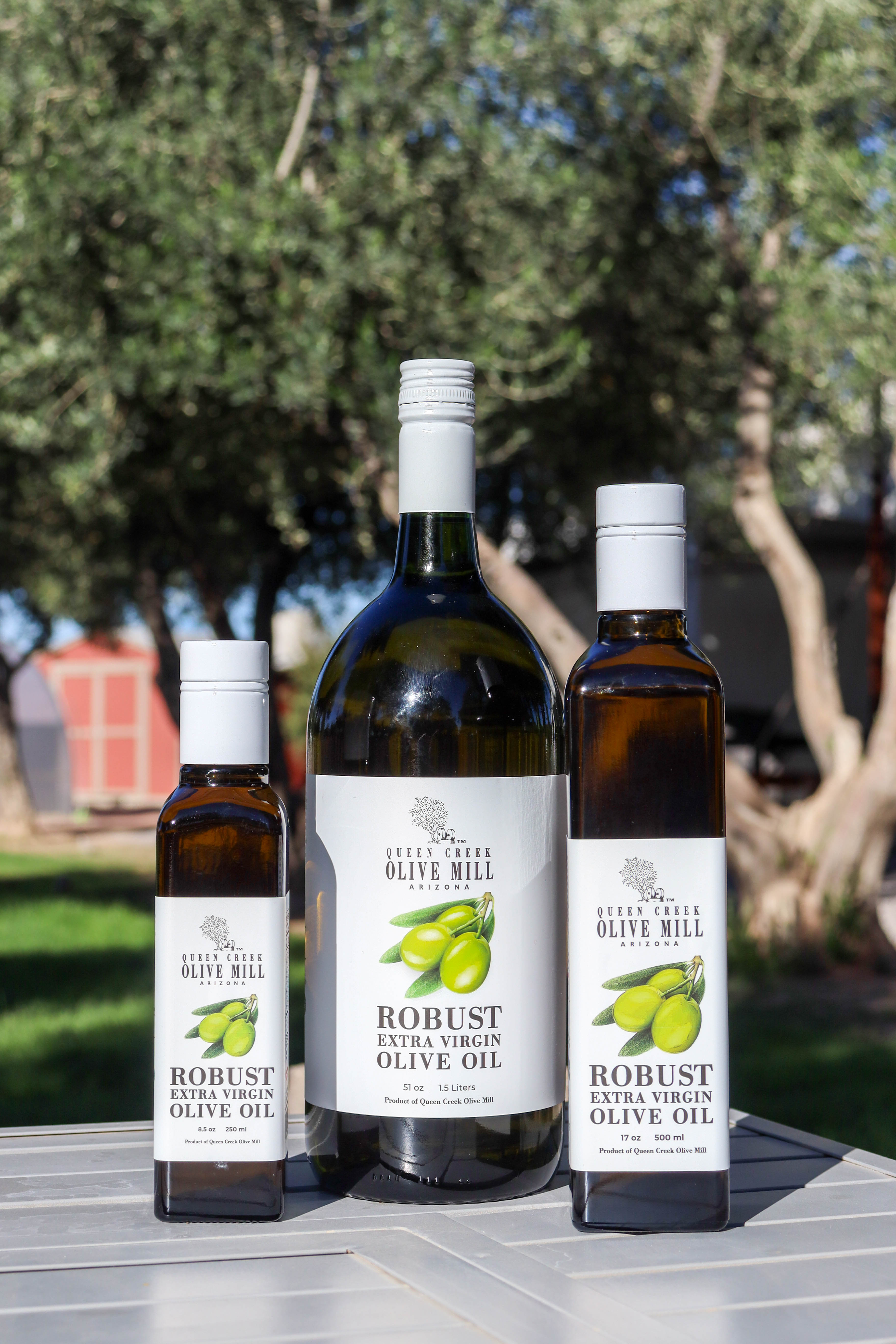
How Is Virgin Olive Oil Made?
Making virgin olive oil begins with harvesting olives. Farmers may pick them by hand or use mechanical harvesters. The timing matters because green olives often create a more bitter, peppery oil, while ripe olives tend to produce a softer and milder oil.
After harvest, the olives are cleaned to remove leaves, twigs, and dirt. They are then crushed into a thick paste. Modern mills often use metal crushers, while some traditional mills use stone equipment.
The olive paste is mixed slowly in a step called malaxation. This helps small oil droplets join together. The paste then goes through a centrifuge, which separates the oil from water and solid olive material.
Producers may filter the oil or allow it to settle naturally. Filtering can remove tiny particles and moisture that may shorten shelf life. Unfiltered oil may look cloudy and taste rustic, but cloudy does not automatically mean better.
The main production steps are:
- Olives are harvested.
- Leaves and debris are removed.
- Olives are crushed into a paste.
- The paste is gently mixed.
- Oil is separated by centrifugation or pressing.
- The oil is stored, filtered, and bottled.
Virgin olive oil is not refined after extraction. Refining can remove unwanted odors and flavors, but it may also reduce some natural compounds and the character of the oil.

Virgin Olive Oil vs. Extra Virgin Olive Oil
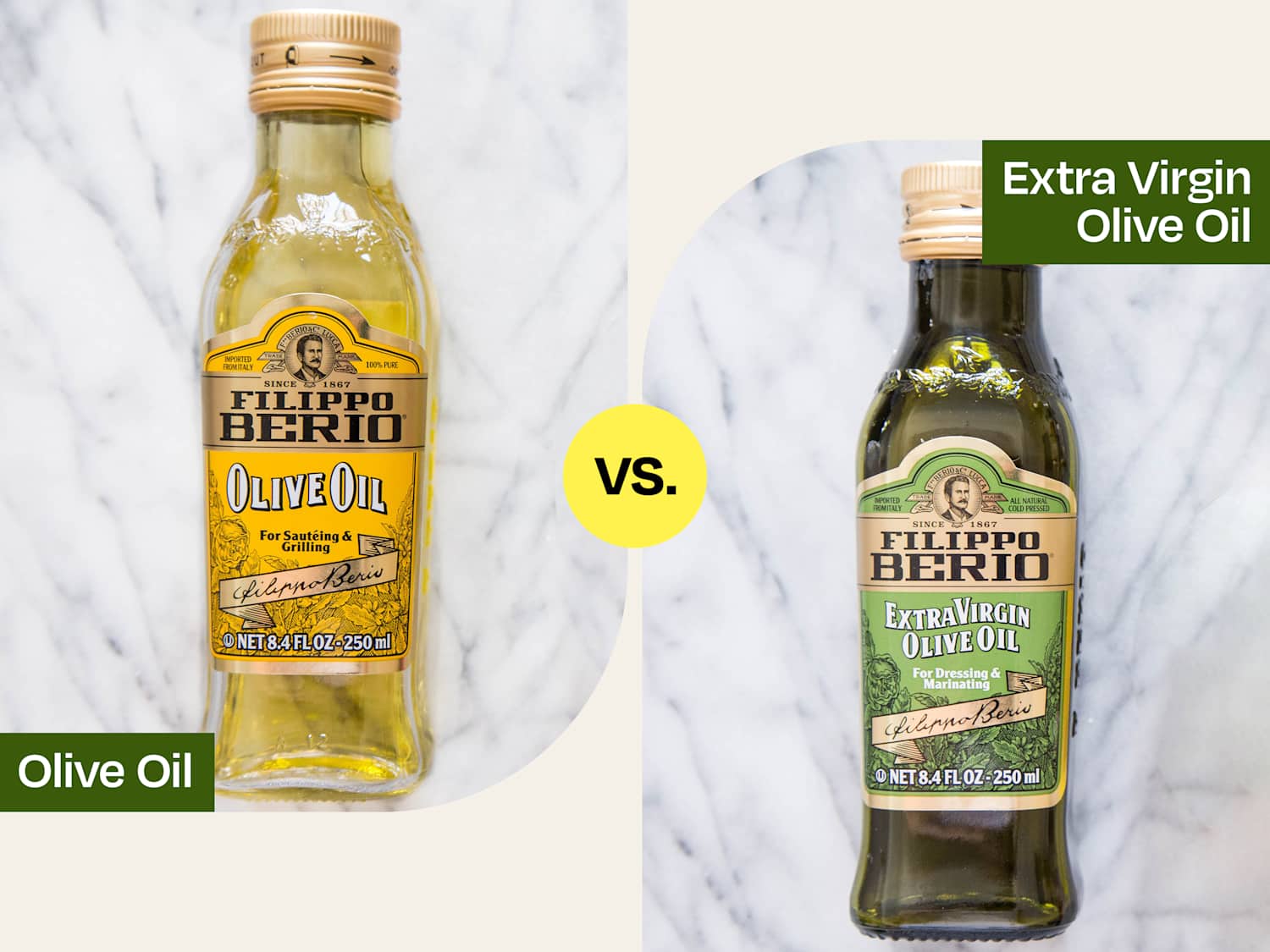
Many shoppers ask what is virgin olive oil compared with extra virgin olive oil. Both come from mechanical extraction, but extra virgin olive oil has stricter quality and sensory requirements.
Extra virgin olive oil must have very low free acidity, usually no more than 0.8 grams per 100 grams under international standards. It must also pass sensory testing with no detectable defects. Virgin olive oil allows a higher acidity level and may have a less complex aroma or taste.
Here is a simple comparison:
| Feature | Extra virgin olive oil | Virgin olive oil |
|---|---|---|
| Extraction | Mechanical or physical | Mechanical or physical |
| Refining | Not refined | Not refined |
| Maximum acidity under common international standards | 0.8% | 2.0% |
| Flavor standard | No sensory defects | May have mild sensory flaws |
| Typical use | Finishing, salads, cooking | Cooking and everyday use |
| Price | Often higher | Often lower |
Extra virgin olive oil is usually the better choice when you want fresh flavor, strong aroma, or more natural antioxidants. Virgin olive oil can be a practical option for general cooking when you want a less intense taste or lower cost.
One important point is that acidity alone does not tell the whole story. A skilled sensory panel, freshness, storage, and harvest information also matter.
:max_bytes(150000):strip_icc()/evoo-7c819bcdd0c343a7bae114cbc9baea2f.jpg)
What Does Virgin Olive Oil Taste Like?
Virgin olive oil can taste very different from one bottle to another. Some oils taste soft and fruity, while others taste bold, green, bitter, or peppery.
Common flavor notes include:
• Fresh grass
• Green apple
• Tomato leaf
• Almond
• Artichoke
• Herbs
• Pepper
• Mild bitterness
Bitterness and a scratchy feeling in the throat are not always signs of poor quality. They can come from natural plant compounds, especially in oil made from early-harvest olives.
A mild oil works well in cakes, sautéed vegetables, roasted fish, and dishes where you do not want a strong olive flavor. A peppery oil can brighten beans, soups, grilled bread, tomatoes, and salads.
When tasting oil, pour a small amount into a clean cup. Warm it gently in your hand, smell it, and take a small sip. Notice the fruitiness first, then the bitterness and peppery finish.
In my own kitchen, one of the biggest lessons has been to match the oil to the food. A strong oil can overpower delicate white fish, while a bold tomato salad may need that same oil to taste complete.
Is Virgin Olive Oil Healthy?
Virgin olive oil contains mostly monounsaturated fat, especially oleic acid. It also contains smaller amounts of polyunsaturated fat, saturated fat, vitamin E, and other plant compounds.
Replacing butter, shortening, or some highly saturated fats with olive oil can support a heart-friendly eating pattern. Research on Mediterranean-style diets also links regular olive oil use with better overall diet quality and cardiovascular benefits.
However, virgin olive oil is still calorie-dense. One tablespoon contains about 120 calories, so more is not always better. Its benefits come from using it in place of less healthful fats, not simply adding extra oil to every meal.
Potential benefits include:
• Supporting a diet rich in unsaturated fats
• Adding vitamin E and natural plant compounds
• Improving the taste of vegetables and legumes
• Helping people enjoy a Mediterranean-style eating pattern
• Replacing butter or solid fats in many recipes
Virgin olive oil is not a medicine. It cannot cancel out a diet high in sugar, processed meat, or excess calories. A balanced diet, regular movement, sleep, and medical care remain important.
Some health claims about olive oil are stronger than the evidence supports. More research is still needed on exact amounts, specific diseases, and how different olive varieties affect health.
Can You Cook With Virgin Olive Oil?
Yes, you can cook with virgin olive oil. It works well for sautéing, roasting, baking, pan-frying, and making sauces.
Its smoke point varies. The exact number depends on freshness, free fatty acid levels, moisture, and the oil’s chemical makeup. For this reason, a single smoke-point number should not be treated as a perfect safety rule.
Use medium heat and avoid letting the oil smoke heavily. If oil repeatedly smokes, it can develop unpleasant flavors and lose quality. A fresh, well-stored oil is generally more stable than an old or poorly stored one.
Virgin olive oil works well for:
• Sautéing onions, garlic, and vegetables
• Roasting potatoes and vegetables
• Cooking eggs
• Baking muffins and quick breads
• Making marinades and salad dressings
• Finishing soup, beans, pasta, and grilled foods
For very high-heat cooking, choose a suitable oil and follow the recipe. You do not need to waste a high-quality finishing oil for every task. A mild virgin olive oil can handle everyday cooking, while a flavorful extra virgin oil can be saved for dishes where its taste stands out.

Virgin Olive Oil Nutrition Facts
A tablespoon of virgin olive oil contains roughly:
• 119 calories
• About 14 grams of total fat
• About 2 grams of saturated fat
• About 10 grams of monounsaturated fat
• Small amounts of vitamin E and vitamin K
Exact values can vary by brand and serving size. Olive oil contains no cholesterol because cholesterol occurs in animal foods.
Virgin olive oil contains no protein, fiber, or carbohydrates in meaningful amounts. It is best viewed as a flavorful fat, not a complete source of nutrition.
If you are watching calories, measure the oil with a spoon instead of pouring freely from the bottle. This small habit can make a large difference over time.

How to Choose Good Virgin Olive Oil
Choosing virgin olive oil becomes easier when you look beyond the front label. A dark glass bottle or metal container can protect the oil from light. Clear bottles may let you see the color, but light exposure can damage freshness.
Check the harvest date when one is available. A harvest date gives more useful information than a vague “best by” date. Olive oil is freshest when used relatively soon after harvest and stored correctly.
Look for these details:
• A clear product name, such as “virgin olive oil”
• A harvest date or recent bottling date
• The country or region of origin
• A dark bottle or tin
• A reliable producer or importer
• A seal that is intact
• A bottle size you can finish within a reasonable time
Do not choose oil only because it has a dark green color. Color can be adjusted during tasting tests, and green oil is not automatically fresher or healthier.
Be cautious with labels that make broad claims without clear details. Words such as “premium,” “pure,” and “natural” may sound appealing but do not always describe a legally defined quality grade.
A useful buying tip is to purchase smaller bottles if you use oil slowly. Fresh oil in a small container is often better than a large bottle that sits open for a year.
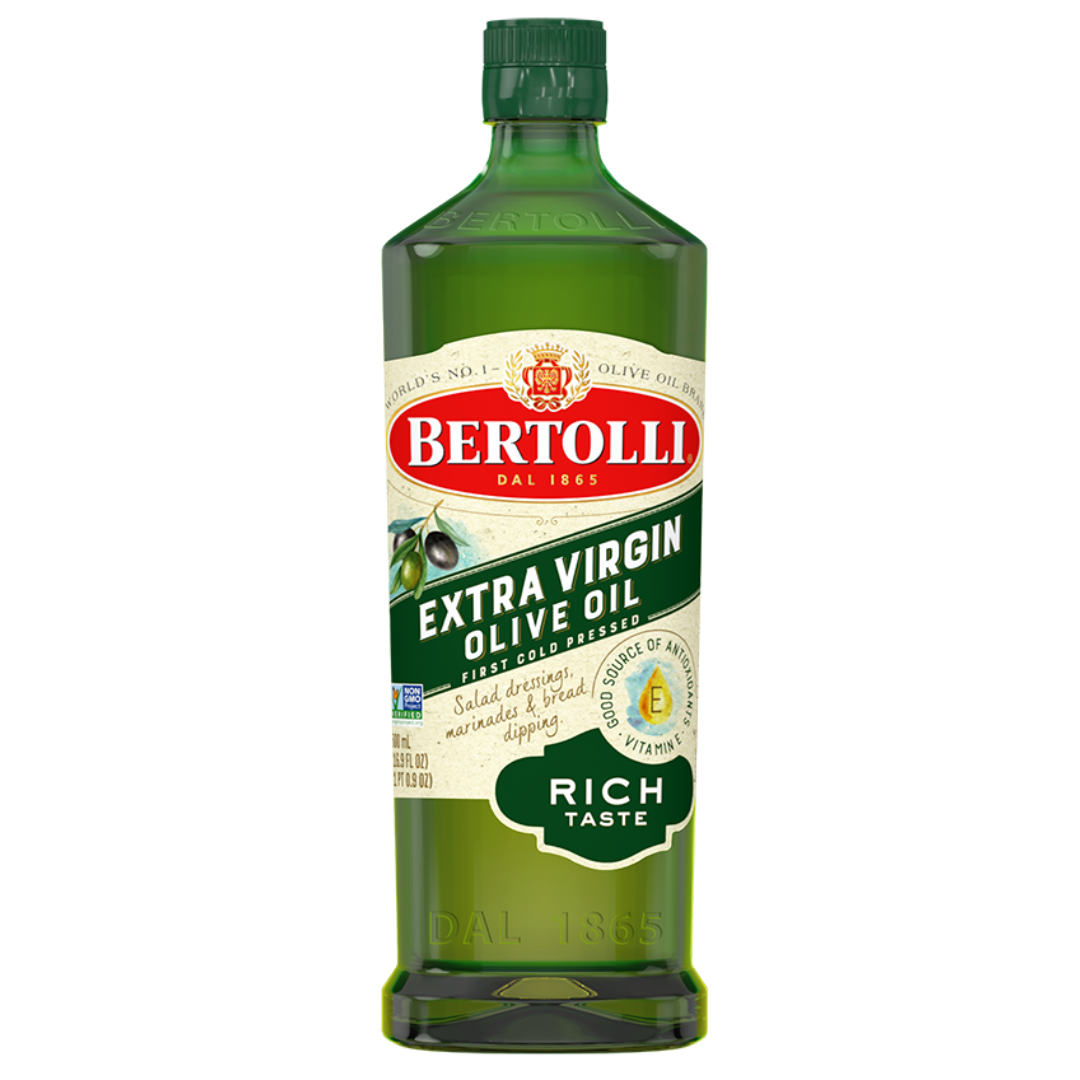
How to Store Virgin Olive Oil
Light, heat, air, and time are the main enemies of virgin olive oil. These factors can cause oxidation, which makes the oil taste flat, stale, or rancid.
Store your bottle in a cool, dark cabinet away from the stove, oven, dishwasher, and sunny windows. Keep the cap tightly closed after each use.
Good storage habits include:
• Use a dark bottle or metal tin.
• Keep the oil away from heat.
• Close the cap firmly.
• Avoid storing it beside a warm cooktop.
• Buy an amount you can use within several months.
• Do not mix fresh oil with old oil in the same container.
Refrigeration is usually unnecessary for everyday storage. Cold temperatures may make olive oil cloudy or partly solid, but this does not always mean it has spoiled. It should return to its normal texture at room temperature.
To check freshness, smell and taste a small amount. A fresh oil may smell fruity, grassy, or lightly peppery. A stale oil may smell like crayons, old nuts, wax, or putty.
Common Misunderstandings About Virgin Olive Oil
Several myths make it harder to understand what is virgin olive oil and how to use it.
First, virgin olive oil is not the same as extra virgin olive oil. Extra virgin is a higher grade with stricter chemical and sensory standards.
Second, darker color does not prove better quality. Taste, freshness, production standards, and storage matter more than appearance.
Third, virgin olive oil is not only for salad dressing. It can be used in many cooked dishes, from roasted vegetables to baked goods.
Fourth, bitterness is not always a flaw. A bitter or peppery taste may show the presence of natural olive compounds. A rancid, musty, or waxy smell is a different issue.
Finally, “cold pressed” does not guarantee that an oil is extra virgin. The full grade and quality information still matter.
Benefits and Limitations of Virgin Olive Oil
Virgin olive oil has clear advantages, but it is not perfect for every person or recipe.
Benefits
• It is made without chemical refining.
• It offers a pleasant range of natural flavors.
• It contains mostly monounsaturated fat.
• It works in both raw and cooked dishes.
• It can replace butter and other solid fats.
• It fits well into Mediterranean-style eating patterns.
Limitations
• It contains many calories per tablespoon.
• Quality declines with heat, light, air, and age.
• Flavor can vary widely between brands.
• It may cost more than refined cooking oils.
• It is not ideal when a recipe requires a neutral flavor.
• Some bottles may provide limited harvest or origin details.
People with olive or food allergies should follow medical advice. Anyone with a health condition that requires fat or calorie limits should discuss portions with a qualified health professional.
How to Use Virgin Olive Oil Every Day
You do not need complicated recipes to enjoy virgin olive oil. A few simple uses can bring out its flavor.
Try drizzling it over:
• Warm beans with lemon and herbs
• Tomato, cucumber, and onion salad
• Whole-grain toast
• Roasted vegetables
• Lentil soup
• Grilled chicken or fish
• Pasta with garlic and parsley
• Hummus or mashed chickpeas
For baking, replace some melted butter with virgin olive oil when the recipe allows it. Use a mild oil if you do not want a noticeable olive flavor.
For a quick dressing, mix three parts virgin olive oil with one part vinegar or lemon juice. Add salt, pepper, mustard, or herbs. Shake it in a jar and taste before serving.
One mistake I often see at home is leaving the oil bottle open while cooking. It takes only a few seconds to close it, and that simple step helps protect the oil from air and kitchen heat.
Frequently Asked Questions About What Is Virgin Olive Oil
Is virgin olive oil the same as extra virgin olive oil?
No. Both are produced without chemical refining, but extra virgin olive oil meets stricter acidity and sensory standards. Virgin olive oil may have a milder flavor or small sensory defects that prevent it from earning the extra virgin grade.
Can you fry with virgin olive oil?
Yes, virgin olive oil can be used for sautéing, pan-frying, roasting, and other everyday cooking methods. Use moderate heat and do not let the oil smoke heavily.
Is virgin olive oil good for your health?
Virgin olive oil provides mostly monounsaturated fat and small amounts of vitamin E and other plant compounds. It can support a balanced diet when used instead of less healthful fats, but it is still high in calories.
How long does virgin olive oil last?
Virgin olive oil is best when used while fresh, often within several months after opening. Heat, light, air, and poor storage can reduce its quality much faster.
How can you tell if virgin olive oil has gone bad?
Fresh oil may smell fruity, grassy, or peppery. Oil that smells like crayons, old nuts, wax, or paint may be oxidized and should not be used for its intended flavor.
What is the best container for virgin olive oil?
A dark glass bottle or metal tin is usually best because it limits light exposure. Keep the container closed and store it in a cool cabinet away from heat.
Does virgin olive oil have a strong taste?
It can have a mild, medium, or strong taste. The flavor depends on the olive type, harvest time, growing region, and production method.
Conclusion
Virgin olive oil is a non-refined oil made from fresh olives through mechanical methods. It offers natural flavor and mostly monounsaturated fat, but quality depends on freshness, storage, production, and the label grade. Extra virgin olive oil has stricter standards, while virgin olive oil remains a useful choice for many everyday recipes.
Choose a fresh bottle, store it away from light and heat, and taste different styles to find what you enjoy. Start by using virgin olive oil on vegetables, beans, salads, and simple cooked meals, then explore more recipes and share your favorite pairing with someone who loves good food.