
Scrub rust with steel wool, rinse, dry well, and re-season right away.
If you love cast iron, you will face rust at some point. The good news is simple: how to remove rust from cast iron is a clear process you can master in an afternoon. I’ve restored dozens of pans for home cooks and pros. In this guide, I’ll show you how to remove rust from cast iron safely, fix deeper damage, and season it so it stays slick and strong for years.

Why cast iron rusts and what it means for your pan
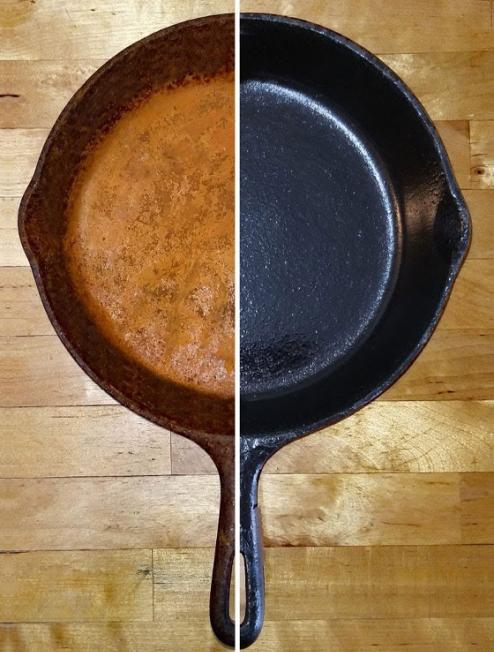
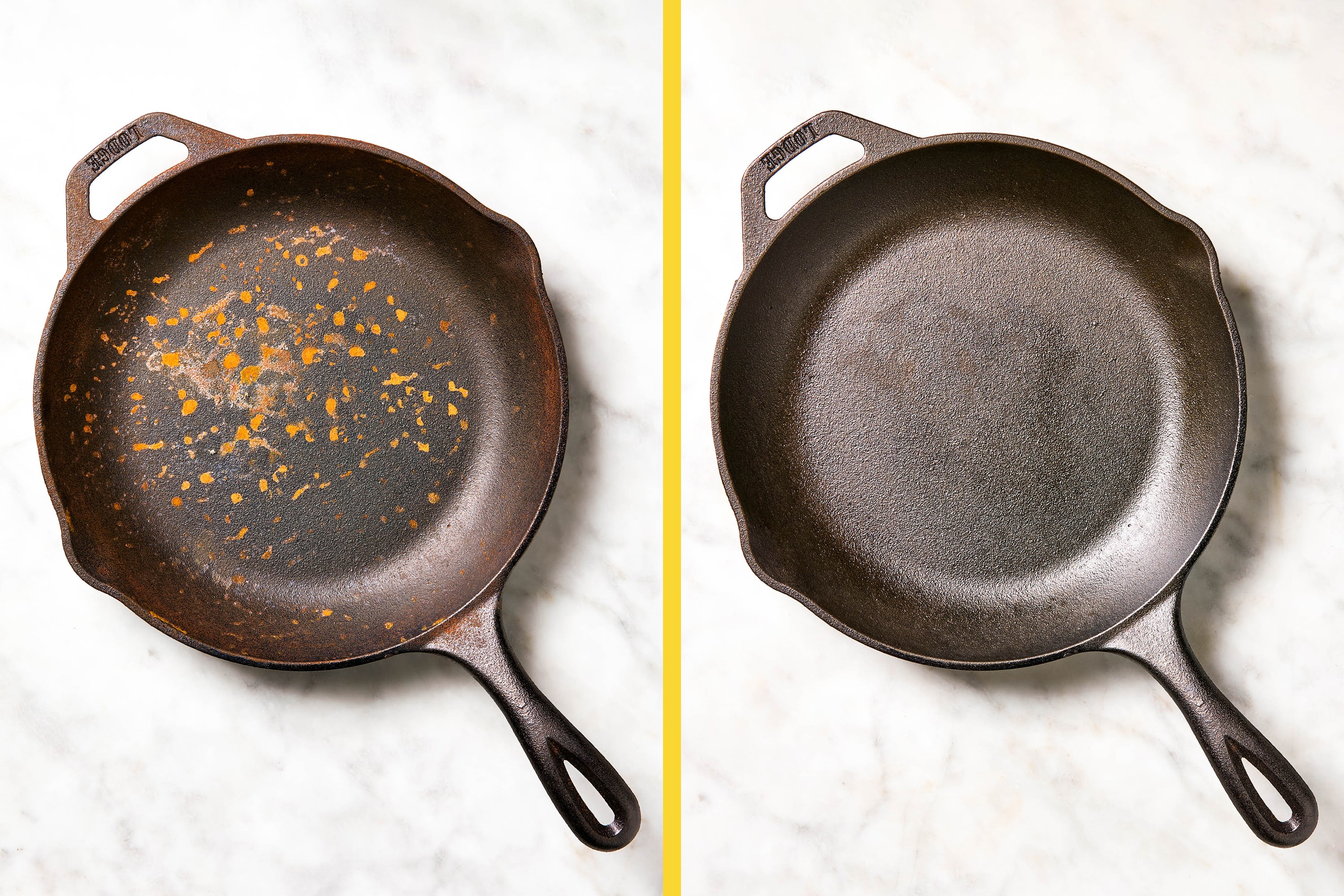
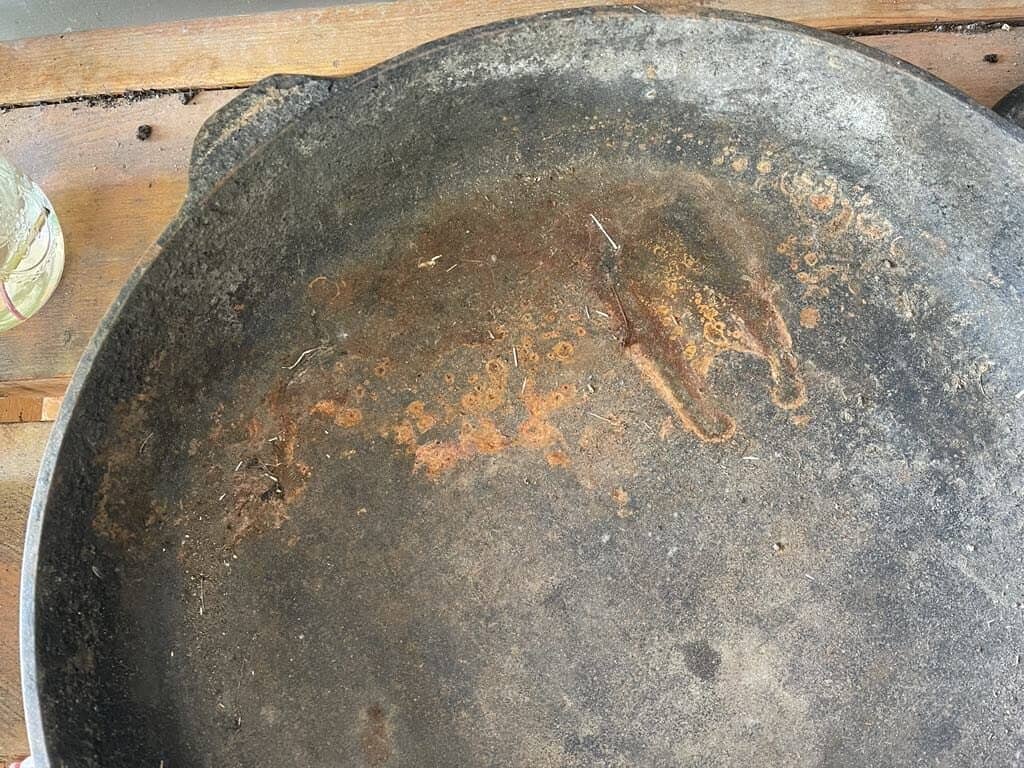
Cast iron is mostly iron. When iron meets water and oxygen, rust forms. This can happen fast in damp air, after a soak in the sink, or if the seasoning gets thin. The orange layer looks scary, but most rust is only on the surface.
Your pan is not ruined. If the rust is light, it will clean up in minutes. If rust has pitted the surface, you can still cook on it. You may need sanding or a full reset. In any case, knowing how to remove rust from cast iron is key to long life in the kitchen.
Tools and materials you will need
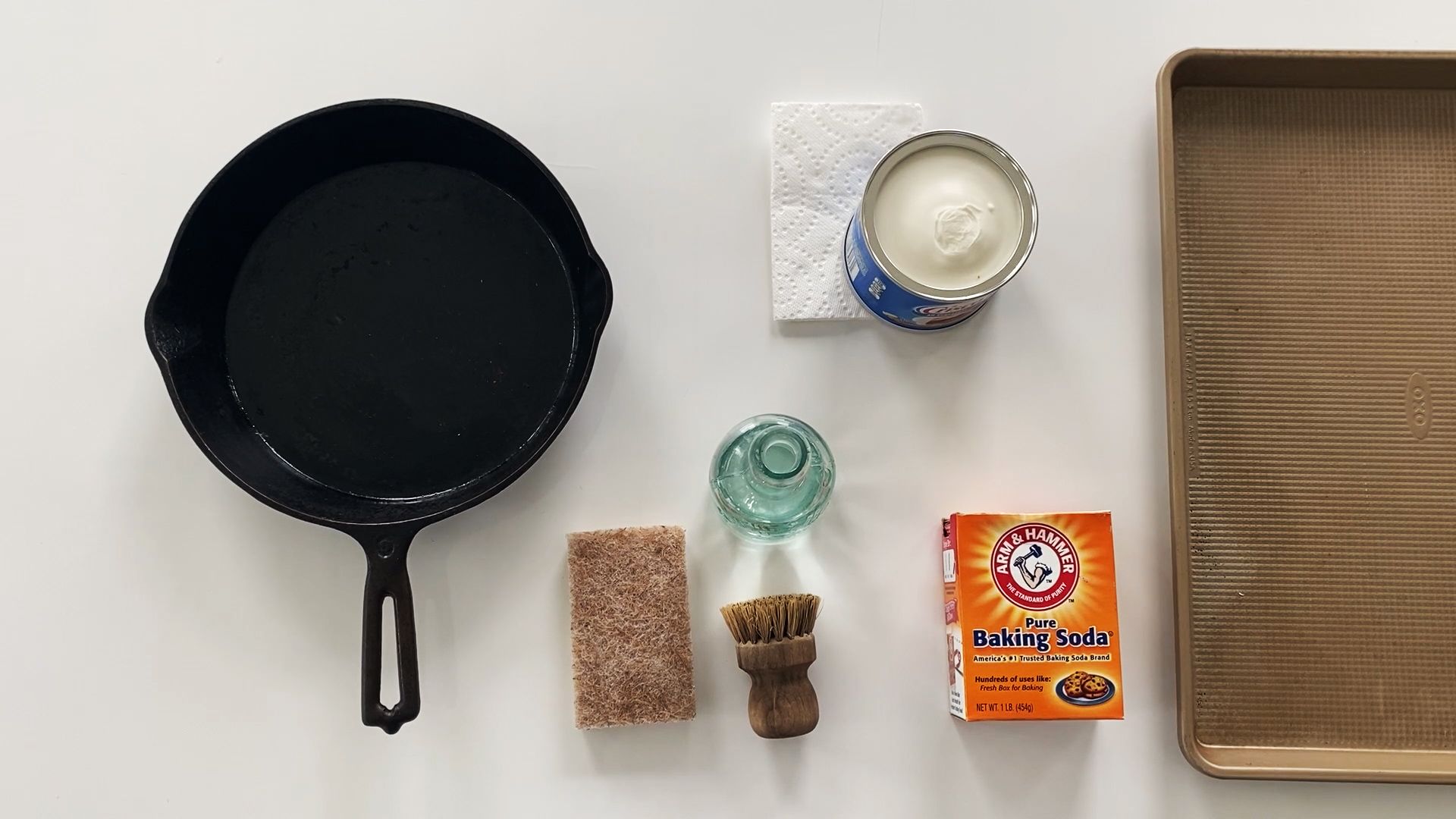
Gather what you need before you start. Use gentle tools first. Only move up to stronger options if needed.
- Steel wool (00 or 000) or a chainmail scrubber for light rust
- Nylon scrub pad and a stiff brush for cleaning
- Plastic or wood scraper for stuck bits
- Kosher salt for abrasive scrubbing
- Baking soda to neutralize vinegar
- White vinegar for short soaks on stubborn rust
- Dish soap for a one-time deep clean
- Paper towels or lint-free cloths for drying and oiling
- High-smoke-point oil like canola, grapeseed, or refined avocado
- Oven or stovetop burner for drying and seasoning
- Optional rust eraser block for spot work
- Optional fine sandpaper (220–400 grit) for pitting
- Optional lye bath or oven cleaner to strip old, bad seasoning
- Optional electrolysis setup for heavy restorations
These tools are safe for cookware when used with care. Always start mild, then scale up. This is the safest way how to remove rust from cast iron without harming the metal.
Step-by-step: how to remove rust from cast iron
Most pans clean up with this simple path. I follow the same flow in my shop.
Start with a quick check. If the rust is a light film, dry scrub first. If it is flaky or dark, plan a short vinegar soak. Either way, you will clean, dry, and re-season the pan the same day.
- Assess the rust
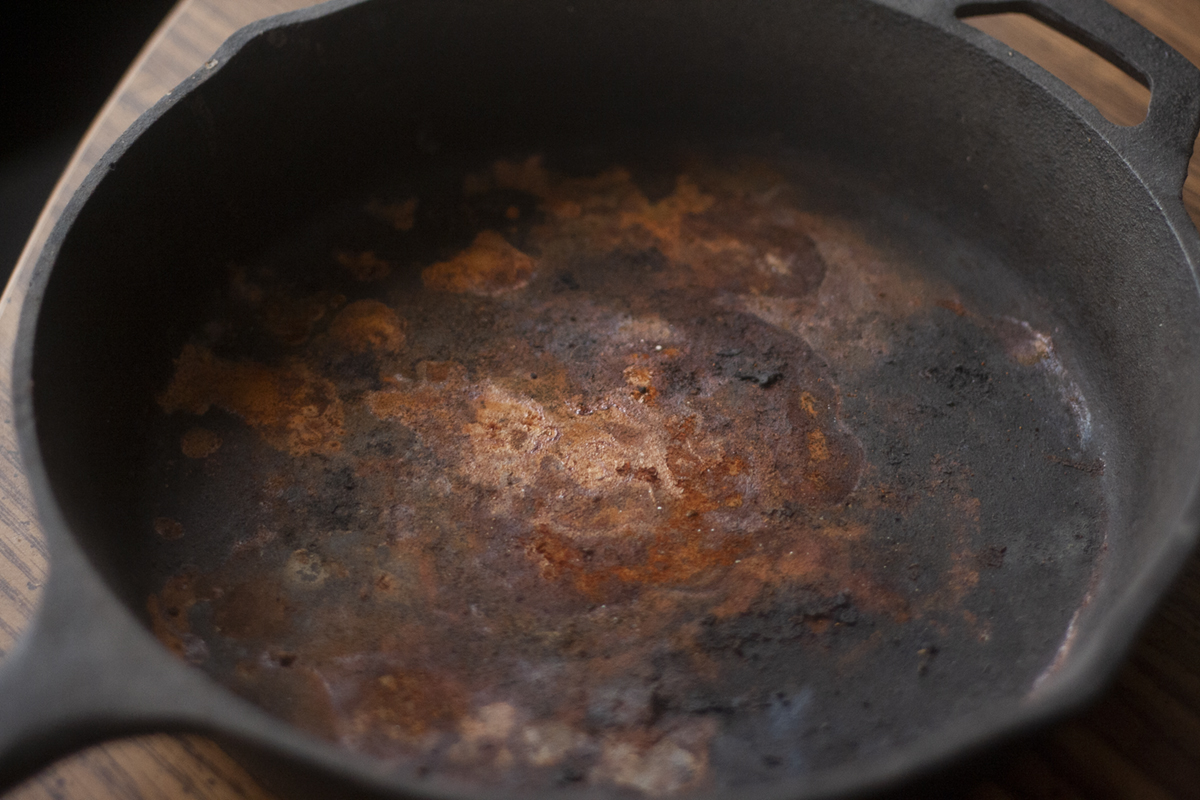
- Light orange haze: use steel wool or salt scrub.
- Medium rust with dark spots: do a brief vinegar soak.
- Heavy, thick rust or layered gunk: consider a lye strip or electrolysis first.
- Dry scrub the surface
- Rub with dry steel wool over the rust until it turns dark gray.
- Wipe away dust with a dry cloth.
- Rinse with warm water and a drop of soap if needed. This one-time soap use is fine.
- Try a salt or baking soda paste
- Sprinkle kosher salt or baking soda on the wet pan.
- Add a splash of water. Scrub with a nylon pad or cut potato.
- Rinse and check your progress.
- For stubborn rust, do a short vinegar soak
- Mix equal parts white vinegar and water in a tub.
- Submerge the rusted area only. Soak 15–30 minutes. Check often.
- Do not exceed 60 minutes total. Vinegar can etch the iron if left too long.
- Once rust loosens, scrub with steel wool, then rinse.
- Neutralize and rinse
- Sprinkle baking soda on the wet surface to neutralize any vinegar.
- Scrub, then rinse well with warm water.
- Dry 100%
- Place on a burner over low heat for 5–10 minutes. Or into a 200–250°F oven.
- The pan must be bone dry. Water hides in pores and causes flash rust.
- Oil and protect at once
- While warm, wipe a few drops of oil over all surfaces.
- Buff until it looks dry and even. No drips, no sticky film.
- Re-season for long-term protection
- See the seasoning section below for full steps. One light coat can work.
- For better results, do two or three thin coats.
Safety notes
- Vent your kitchen if you use oven cleaner or lye. Wear gloves.
- If you used vinegar, always neutralize with baking soda and rinse well.
- The basic method above is the safest way how to remove rust from cast iron at home.
Fixing deep rust, pitting, and stains
Deep rust can leave pits. Pits look like tiny craters. They will not hurt cooking. Food will still release if you build good seasoning.
What to do if pitting is severe
- Hand sand with 220–400 grit to smooth sharp edges.
- Use a sanding block for flat bottoms to keep the surface even.
- For very rough pans, a flap wheel or random orbital sander helps. Go slow. Do not thin the pan.
When to strip and start over
- If the pan has sticky, uneven seasoning and heavy rust under it, strip it.
- A lye bath or oven cleaner breaks down old polymerized oil.
- After stripping, remove rust using the steps above. Then re-season.
Electrolysis for heavy jobs
- Electrolysis removes rust without grinding metal. It is great for vintage finds.
- It needs a basic power supply, washing soda, a steel sacrificial anode, and a plastic tub.
- This is advanced. If you are unsure, skip it. The standard method still works and is a safe path how to remove rust from cast iron without special gear.
Seasoning: lock in protection after rust removal
Seasoning is a thin, baked-on oil layer. It fills pores and keeps water out. This is your best shield against rust.
How to season after you remove rust from cast iron
- Preheat the oven to 450–500°F.
- Warm the clean, dry pan on the stove for 2 minutes. This opens the pores.
- Add a few drops of oil. Wipe the entire pan, inside and out.
- Buff with a clean cloth until it looks almost dry. Very thin is key.
- Place the pan upside down on the middle rack. Put foil on a lower rack to catch any faint drips.
- Bake 60 minutes. Turn off the oven. Let it cool inside to room temp.
- Repeat 2–3 times for a strong base layer.
Why thin coats matter
- Thin oil polymers turn into a hard, slick layer.
- Thick oil stays sticky, attracts dust, and can flake.
This is the final step in how to remove rust from cast iron the right way. No step matters more for long-term results.
Daily care and how to prevent rust returning
Small habits keep rust away. They also make the pan nonstick over time.
Simple rules
- Clean while warm with hot water and a soft brush.
- Stuck bits? Add water and simmer 1 minute. Scrape with a wood or plastic tool.
- Dry on heat for 3–5 minutes. Water is the enemy.
- Wipe a drop of oil while warm. Buff to a bare sheen.
- Store with a paper towel inside to absorb moisture.
- Avoid soaking or dishwashers.
- Cook a few high-fat meals after a deep clean to rebuild seasoning.
- In humid areas, oil a touch more and avoid damp cabinets.
With these habits, you may never need how to remove rust from cast iron again.
Troubleshooting and common mistakes
Even pros slip up. Here is what I see most and how to fix it.
- Soaked in vinegar too long: Rinse fast. Neutralize with baking soda. If gray spots appear, re-season. Light sanding can help.
- Seasoning is sticky: You used too much oil or baked too low. Scrub with hot water and a pad. Re-season with thinner coats at 475°F.
- Black residue on towel: That is carbon, not rust. Wipe until it stops. Bake one more thin coat.
- Orange dust after cleaning: That is flash rust from trapped water. Reheat to dry. Oil and re-season once.
- Food sticks after restoration: The base layer is thin. Cook bacon or roast potatoes to build it. Avoid long tomato stews for the first week.
- Handle or ring rust: Give it the same clean, dry, oil routine. Do not forget the undersides and rims.
If you follow the core steps, you already know how to remove rust from cast iron in a safe, repeatable way.
Real-life examples and pro tips from the shop
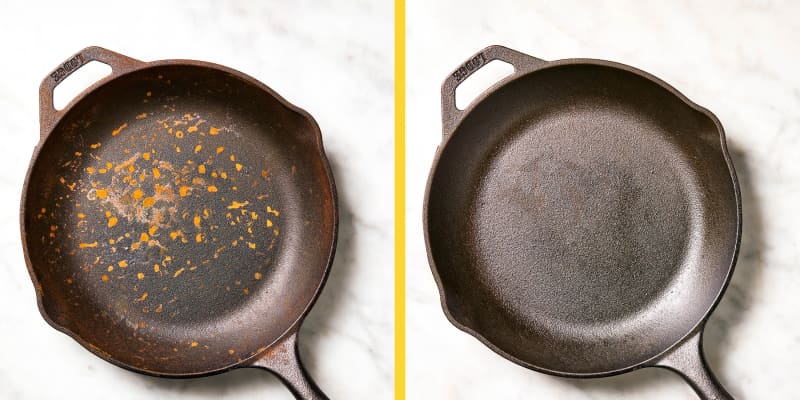
I once found a yard-sale skillet for a few dollars. It had thick rust on the bottom and a sticky black interior. I stripped it with a lye soak, then did a 30-minute vinegar pass. I kept checking every 10 minutes. After a scrub, it turned a clean gray. Three thin seasoning coats later, eggs slid like on glass. My mistake at first was too much oil. It felt tacky. I stripped just the top coat, wiped almost dry, and rebaked. Perfect.
Practical tips you can use today
- Warm the pan before oiling. The oil spreads thinner and bonds better.
- Use a blue shop towel for buffing. It leaves less lint.
- Grapeseed or canola oil are steady and easy to find.
- Bake upside down to avoid pooling. Use foil on a lower rack to catch mist.
- If you must soak, set a phone timer. Short soaks save metal.
- Keep a small kit: steel wool, nylon pad, baking soda, and a tiny oil bottle. Fast fixes prevent big jobs later.
Once you learn how to remove rust from cast iron and how to season well, you will worry less and cook more.
Frequently Asked Questions of how to remove rust from cast iron
How fast can I remove light rust from a skillet?
Light rust often comes off in 10–15 minutes with steel wool and warm water. Dry and oil right away to block flash rust.
Can I use soap on cast iron?
Yes, for a one-time deep clean or after greasy meals. Rinse well, dry on heat, and oil to keep the seasoning safe.
Is vinegar safe for cast iron?
Yes, in a short 15–30 minute soak. Always neutralize with baking soda, rinse well, and never soak longer than 60 minutes.
What oil is best for seasoning?
Use a neutral, high-smoke oil like grapeseed, canola, or refined avocado. The key is very thin coats and enough heat.
Will pitting ruin my pan?
No. Pitting is normal on old pans and will not harm cooking. Build seasoning and the surface will perform well.
Do I need to season after I remove rust?
Yes. Seasoning seals the surface and prevents new rust. One to three thin coats work best.
Can I cook acidic foods after restoring my pan?
Wait a few uses to build the base seasoning. After that, short acidic cooks are fine; avoid long, wet braises at first.
Conclusion
Rust is normal, fixable, and often fast to remove. With a scrub, a careful rinse, full drying, and thin coats of seasoning, your pan will shine again. Now you know how to remove rust from cast iron with simple tools and a safe plan.
Try the steps on one skillet today. Build the habit of dry, warm, and oiled. If this helped, share it with a friend, subscribe for more kitchen fixes, or leave a comment with your results.