
Clean nonstick pans with warm soapy water, a soft sponge, and gentle drying.
I’ve spent years testing cookware and fixing kitchen mistakes, so this guide on how to clean nonstick pan distills safe, proven methods. Read on for step-by-step routines, pro tips, and real-life fixes that protect coatings and keep your pan performing like new.
:max_bytes(150000):strip_icc()/How-to-Clean-Nonstick-Pans-4x3-80536fe6a44d43e9a57f33430b94cd4b.jpg)
How to Clean Nonstick Pan: Essential Principles
Cleaning a nonstick pan correctly starts with understanding the coating. Most nonstick pans use PTFE (often called Teflon) or ceramic coatings. Both can scratch or degrade if treated roughly. Knowing how to clean nonstick pan means using mild cleaners, soft tools, and low-abrasion methods.
Why this matters
- Coating damage reduces nonstick performance and can shorten pan life.
- Abrasive cleaners or metal tools can cause permanent scratches.
- Proper cleaning maintains flavor and prevents residue build-up.
Key rules to follow when you learn how to clean nonstick pan
- Always cool the pan before washing.
- Avoid harsh scouring pads or powders.
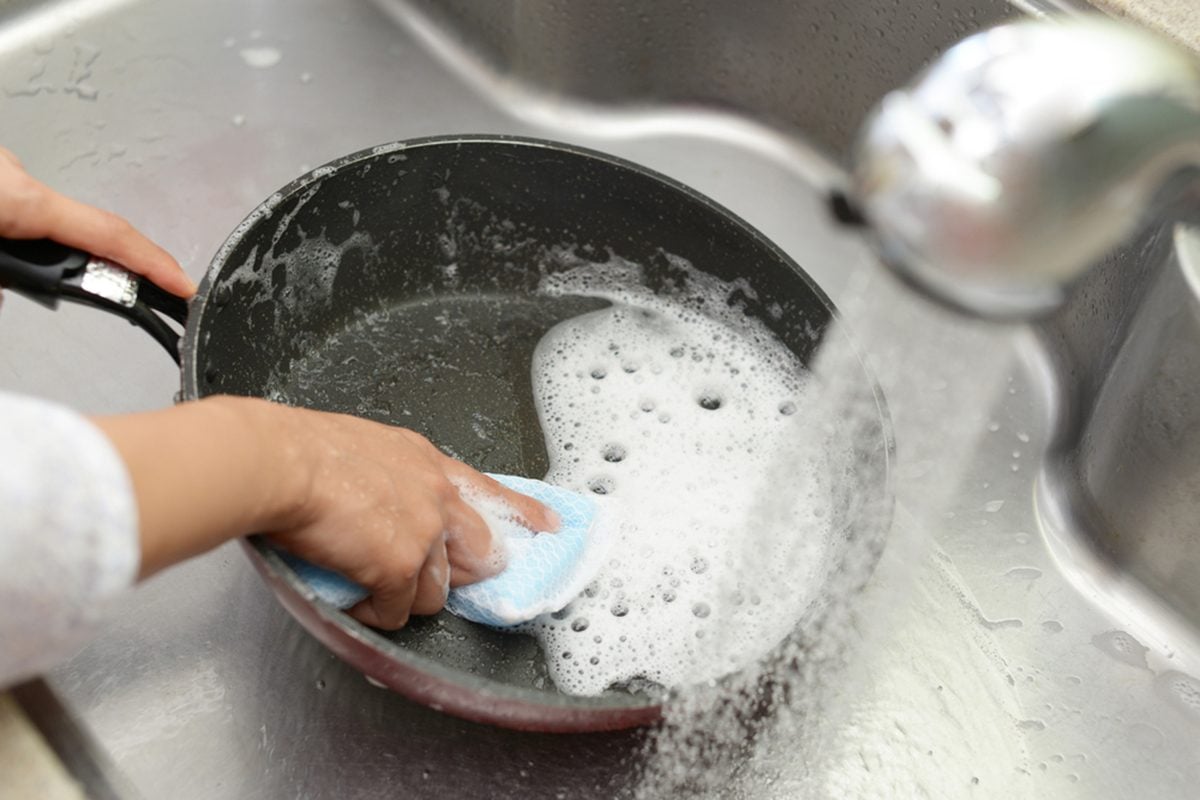
- Use warm soapy water and a soft sponge.
How to Clean Nonstick Pan: Tools and Supplies You Need
Choosing the right tools makes cleaning easy and safe. Below are the basic items to keep handy when you clean nonstick pan.
Must-have items
- Soft sponge or dishcloth for gentle scrubbing.
- Mild dish soap for grease removal.
- Nylon or silicone scraper for stuck bits.
- Baking soda for mild abrasive cleaning.
- White vinegar for odor and light stain help.
- Soft towel or drying rack to air dry.
Optional helpful items
- Soft-bristled brush for textured surfaces.
- Bar keepers or special nonstick cleaners designed for coated pans.

How to Clean Nonstick Pan: Step-by-Step Everyday Cleaning
These simple steps work for daily cleanup. They protect the coating and remove grease fast.
- Cool the pan
- Let the pan cool for 10 to 20 minutes after cooking.
- Rapid temperature changes can warp or damage the coating.
- Rinse and remove loose food
- Rinse with warm water to remove loose crumbs.
- Use a nylon scraper for stuck-on bits.
- Wash with warm soapy water
- Apply a few drops of mild dish soap.
- Gently scrub with a soft sponge in circular motions.
- Rinse thoroughly
- Remove all soap to avoid streaks and residue.
- Dry gently
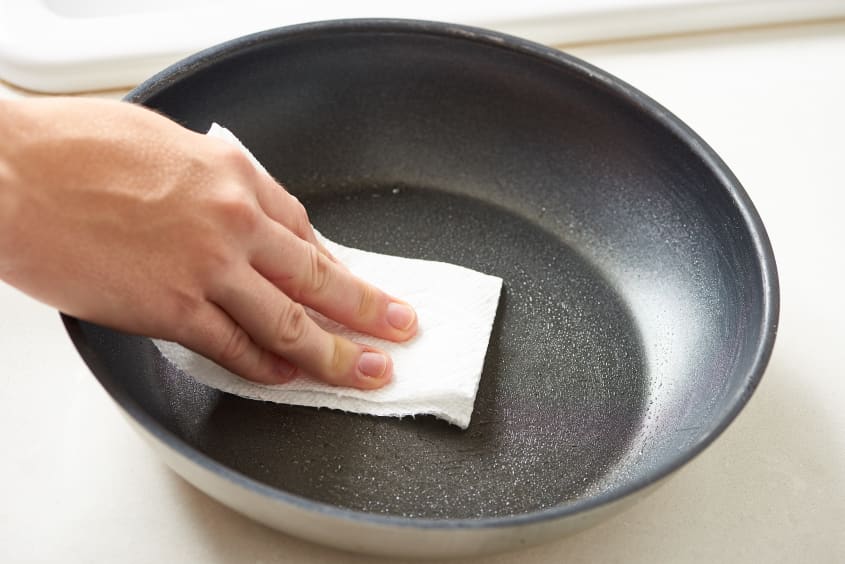
- Wipe with a soft towel or let air dry upside down.
These steps are the foundation of how to clean nonstick pan safely. Repeat this routine after each use to prevent build-up.

How to Clean Nonstick Pan: Removing Stubborn Stains and Burnt Food
When everyday cleaning fails, use targeted methods. These are safe and effective for tougher messes.
Method for light burns or sticky residue
- Fill the pan with warm water and a splash of dish soap.
- Let soak for 15 to 30 minutes.
- Use a soft sponge to lift residue.
Method for stubborn burnt spots
- Fill with equal parts water and white vinegar.
- Simmer gently for 3 to 5 minutes.
- Let cool, then scrub softly.
Method for persistent residue with baking soda
- Sprinkle a thin layer of baking soda over the stain.
- Add a little warm water to form a paste.
- Let sit 10 minutes, then rub gently with a sponge.
When to stop and seek help
- If coating flakes or peels, stop using the pan.
- Contact the manufacturer for warranty or disposal guidance.
:max_bytes(150000):strip_icc()/ms-nonstick-pan-d517c9929310442d8a1646adcbf104c8.jpg)
How to Clean Nonstick Pan: Deep Cleaning and Reconditioning
Deep cleaning can remove grease build-up and restore performance. Use these methods sparingly—only when regular cleaning isn’t enough.
Deep-clean steps
- Boil a solution of one part vinegar and two parts water for 5 minutes.
- Allow to cool, then add baking soda and scrub gently.
- Rinse well and dry.
Reconditioning tip
- After deep cleaning, rub a light film of cooking oil on the surface.
- Heat the pan gently for a couple of minutes, then wipe excess oil away.
- This can restore a slight sheen and help short-term nonstick performance.
Limitations
- Reconditioning won’t fix scratches or flaking.
- Frequent deep cleans with abrasives can shorten pan life.
Dos and Don’ts When You Learn How to Clean Nonstick Pan
A quick list you can memorize to avoid costly mistakes.
Do
- Cool pans before washing.
- Use mild soap and soft sponges.
- Hand wash when possible.
- Store pans with protection between surfaces.
Don’t
- Use metal utensils or steel wool.
- Put very hot empty pans into cold water.
- Use oven cleaners or bleach on the coating.
- Stack pans without protective layers.
Maintenance Tips to Extend Pan Life
Simple habits keep nonstick pans working longer.
- Season lightly: Occasionally rub a small amount of oil on the surface after cleaning.
- Use lower heat: Nonstick coatings perform well at medium or low heat.
- Use wood, silicone, or plastic utensils.
- Avoid washing in the dishwasher unless manufacturer allows it.
- Replace when coating shows major wear, flaking, or uneven surface.
From my experience, a well-cared-for nonstick pan lasts several years. I once kept a single pan in rotation for five years by washing carefully and avoiding high heat. That saved money and reduced waste.

Sustainable Disposal and Safety Notes
If the coating peels or is badly scratched, replace the pan. Small scratches won’t usually make food harmful, but large flakes can affect cooking and cleanup.
Safe disposal tips
- Check manufacturer guidance for recycling options.
- If no recycling route, wrap the pan and dispose with metal waste per local rules.
Limitations and safety
- Avoid claiming that scratched pans cause specific diseases; current evidence links very high exposures in industrial settings, not normal household use.
- When in doubt, replace the pan to be safe.
Frequently Asked Questions of how to clean nonstick pan
What is the safest way to clean a nonstick pan?
Use warm soapy water and a soft sponge. Rinse and dry gently to avoid water spots and preserve the coating.
Can I use baking soda on a nonstick pan?
Yes, use a baking soda paste for mild abrasive cleaning. Apply gently and avoid heavy scrubbing to prevent damage.
Is it okay to put nonstick pans in the dishwasher?
Many nonstick pans say dishwasher-safe, but hand washing is gentler and prolongs the coating. Check the manufacturer’s instructions for best care.
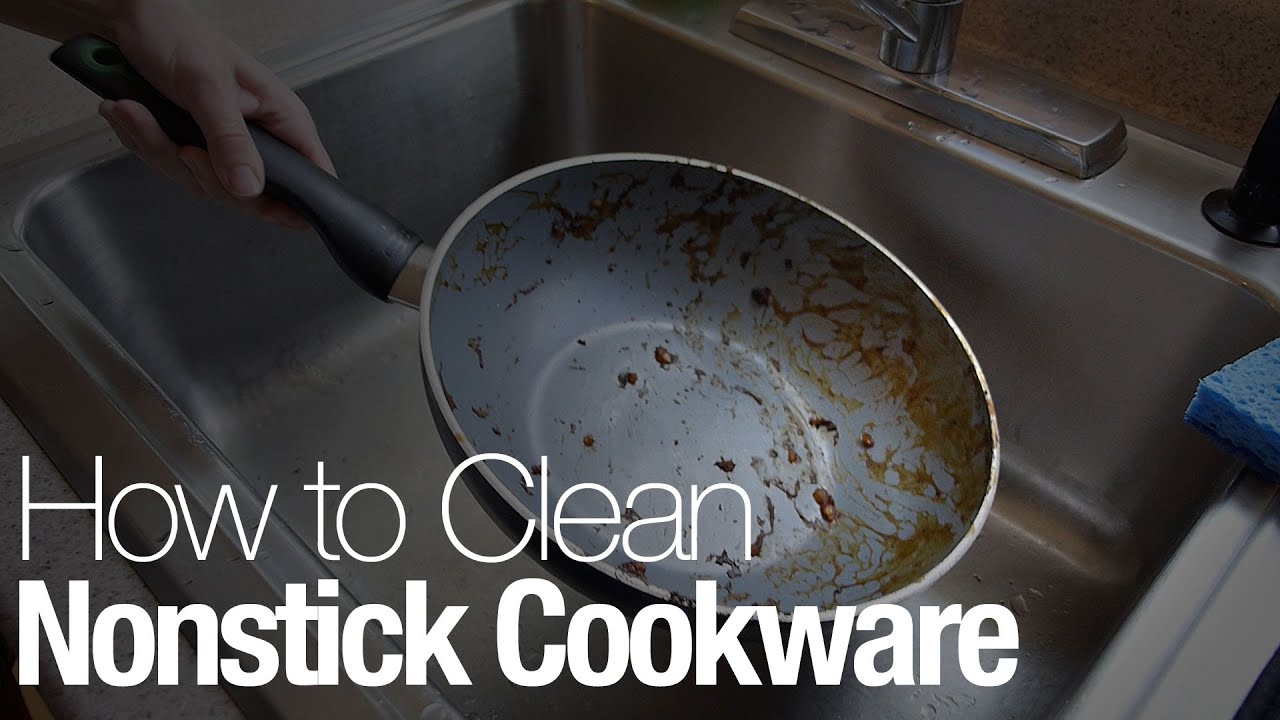
How do I remove burnt food without scratching the pan?
Soak with warm water and dish soap, then use a nylon scraper or soft sponge. For tougher burns, simmer a vinegar-water solution briefly.
When should I replace my nonstick pan?
Replace if the coating peels, flakes, or has deep scratches. Loss of even coating or persistent food sticking also means it’s time to replace.
Can I re-season a nonstick pan like a cast-iron pan?
You can lightly oil and heat a nonstick pan to add temporary slickness. This is not the same as seasoning cast iron and won’t repair scratches or flaking.
Conclusion
You can keep nonstick pans reliable and smooth by following gentle cleaning routines, avoiding abrasives, and using moderate heat. Learning how to clean nonstick pan correctly saves money and improves cooking every day. Try the simple steps here for one month and notice how much longer your pans perform—then share your experience or questions below to help others.