
The best cutting board for meat is end-grain hardwood or NSF plastic with a deep juice groove.
If you want the best cutting board for meat, you need more than a pretty slab. You need the right surface, the right size, and the right care routine. I test boards in real kitchens and at the grill. I also study food safety data so you get advice that works. This guide breaks down what to buy, why it matters, and how to keep it clean and safe. Read on to find your perfect match.
:max_bytes(150000):strip_icc()/alr-tier-3-primary-best-carving-boards-wdickey-1022-584e4ce0186f4d68bfb36e9b568092e1.jpeg)
What actually makes the best cutting board for meat
The best cutting board for meat should protect your knives, hold juices, and clean fast. It should not warp or slide. It should help prevent cross-contamination.
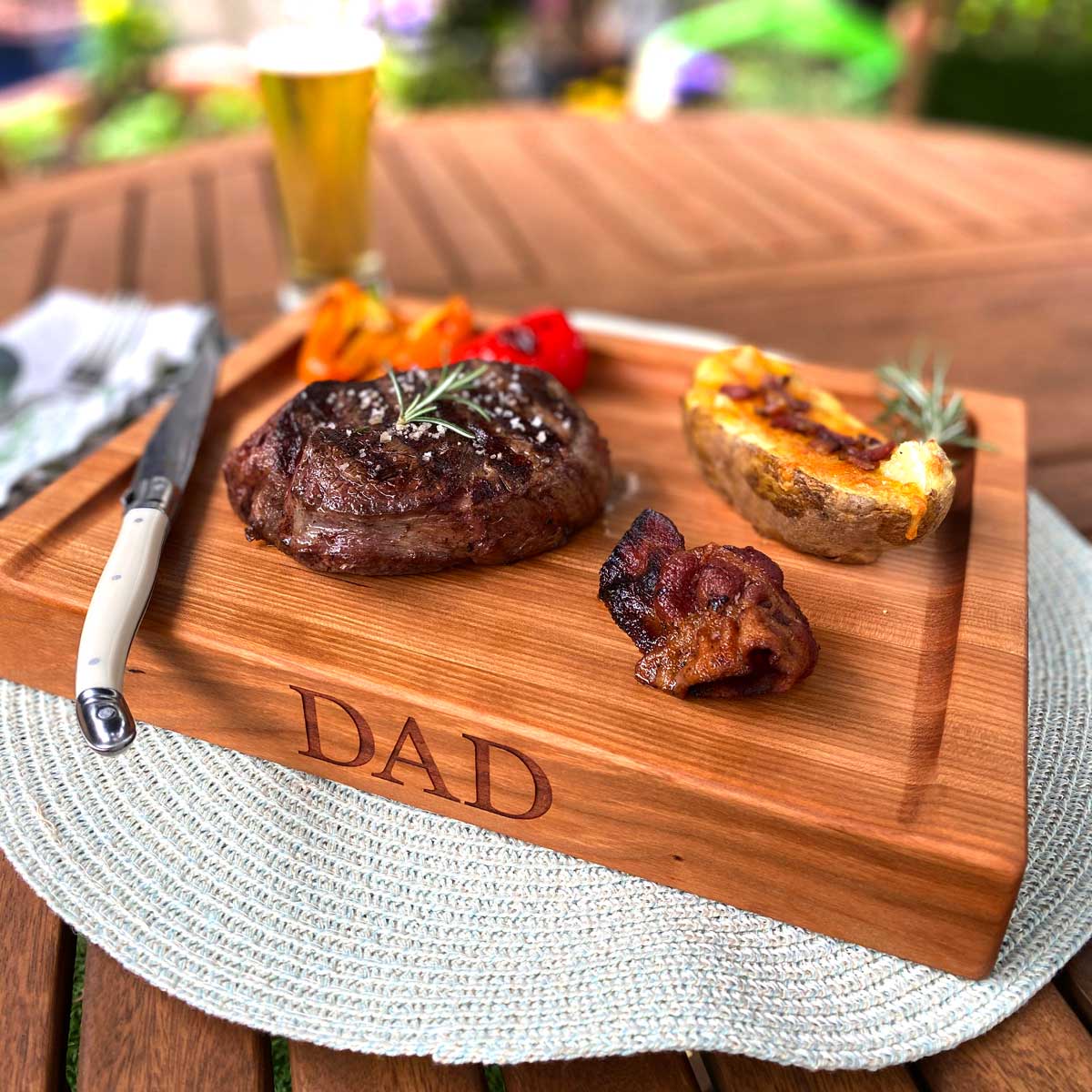
For cooked meat and carving, end-grain hardwood is ideal. Maple, walnut, or cherry are gentle on knives. They feel stable and look great on the table. For raw meat, many home cooks prefer NSF-grade plastic. It goes straight into the dishwasher and handles bleach.
Look for a deep juice groove, a wide surface, and strong grip. The best cutting board for meat balances safety, size, and durability.
Wood vs plastic vs bamboo vs composite vs glass or stone
Different materials change how you cut, clean, and maintain. Here is how they stack up when you want the best cutting board for meat.
- End-grain hardwood
- Pros: Gentle on knives, self-sealing grain, stable, beautiful.
- Cons: Hand-wash only, needs oiling, heavier, higher cost.
- Edge-grain hardwood
- Pros: Cheaper than end grain, solid, good for daily use.
- Cons: Shows knife marks sooner, still needs oil.
- NSF-grade plastic (HDPE)
- Pros: Dishwasher safe, color-coded options, light, affordable.
- Cons: Knife scars hold stains; replace when heavily scored.
- Bamboo
- Pros: Eco-friendly, light, budget-friendly.
- Cons: Harder on knives, can be brittle at edges, glue lines.
- Composite (paper/wood fiber)
- Pros: Thin, durable, heat tolerant, dishwasher safe in many cases.
- Cons: Louder with knives, can be slick when wet, medium price.
- Glass or stone
- Pros: Easy to sanitize, no absorbency, looks clean.
- Cons: Dulls knives fast, slippery, noisy. Not recommended for the best cutting board for meat.
My rule of thumb: plastic for raw prep and hardwood for carving. That is the safest, most practical setup for most kitchens.
Key features to look for when choosing the best cutting board for meat
When you compare options, these features make a big difference.
- Size and working area
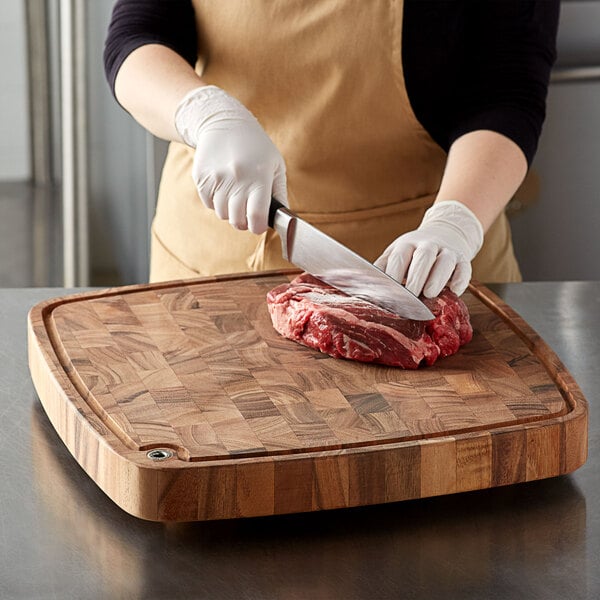
- At least 12 by 18 inches for steaks and chicken. 18 by 24 inches for brisket or turkey.
- Thickness and weight
- 1.5 to 2.25 inches for wood adds stability. 0.5 to 0.75 inches is fine for plastic.
- Juice groove and well
- A wide groove and a corner well catch pan-worthy drippings.
- Non-slip control
- Rubber feet, silicone corners, or a damp towel under the board.
- Reversible design
- One side for raw meat, one for cooked, or flat side for bread.
- Knife friendliness
– End grain is top tier. Edge grain and quality plastic are good value picks. - Food safety markers
- NSF stamp for plastic. Color-coded sets help avoid mixing raw and cooked zones.
- Carry handles or finger holds
- Move heavy boards with less risk.
- Compatibility
- Plastic or composite if you need dishwasher-safe speed. Wood for showpiece carving and presentation.
If a board checks most of these boxes, it likely qualifies as the best cutting board for meat for your needs.

Size and thickness guide for meat prep and carving
Right size saves time and stress. Too small, and juices spill. Too thin, and the board slides.
- Everyday meat prep
- 12 by 18 inches, 0.5 to 1 inch thick plastic or 1.25 inch wood.
- Smoking and BBQ cuts
- 18 by 24 inches or larger, 1.5 to 2.25 inches thick wood. A deep groove helps.
- Holiday roasts
- 16 by 20 inches minimum. Look for a well to hold at least half a cup of juice.
- Small kitchens
- 10 by 14 inches plastic for raw. Store it upright. Add a larger fold-away wood board for big jobs.
I prefer a heavy end-grain maple board for slicing brisket or tri-tip. I use a mid-size NSF plastic board for breaking down chicken. That two-board system is the best cutting board for meat strategy in real life.
Care, cleaning, and food safety
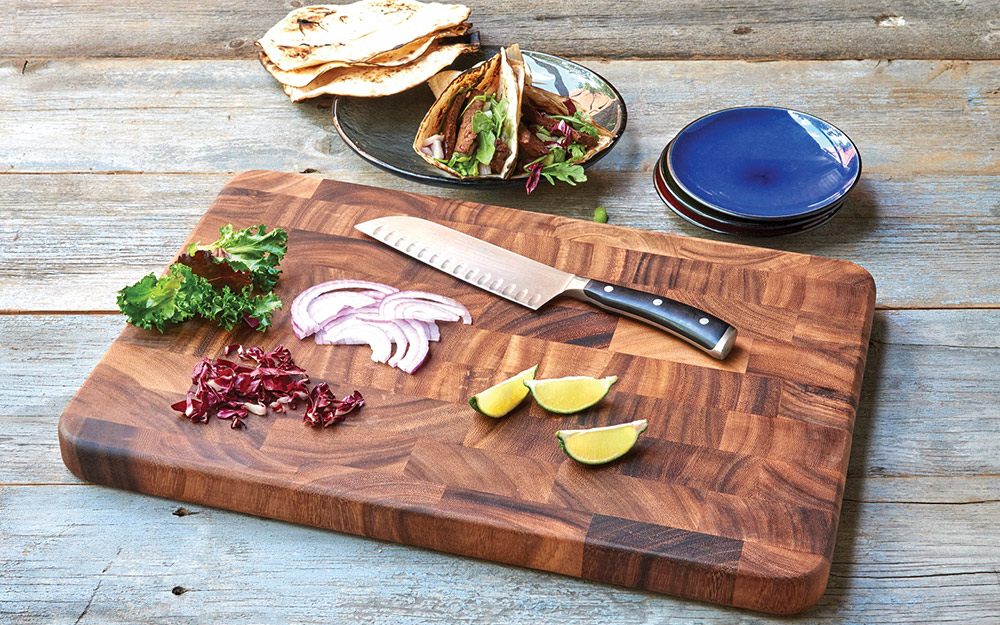
Clean habits keep meat boards safe. They also help your knives last.
- Use separate boards
- One for raw meat. Another for cooked meat or ready-to-eat foods.
- Washing plastic
- Hot, soapy water, then top-rack dishwasher if rated safe. Replace when grooves stay stained.
- Washing wood
- Scrub with hot, soapy water. Rinse and dry upright. Do not soak or put in a dishwasher.
- Sanitizing
- For plastic, use a diluted bleach solution or a high-temp dishwasher cycle. For wood, wipe with white vinegar, then 3% hydrogen peroxide. Dry well.
- Deodorize and refresh
- Sprinkle coarse salt and rub with half a lemon. Rinse and dry.
- Oil and wax wood
- Mineral oil once a month, or when the surface looks dry. Apply board cream to seal.
- Safe storage
- Store dry with air flow on both sides. Use a rack or stand.
Studies show both wood and plastic can be safe when cleaned right. The best cutting board for meat is the one you will clean and maintain well, every time.
:max_bytes(150000):strip_icc()/alr-tier-3-product-john-boos-reversible-maple-wood-cutting-board-wdickey-143-8f87e1e44b8849e8bebb1b758097b0f0.jpeg)
My tested favorites and real-world use cases
I have cooked in small apartments and big backyard pits. I cut hot brisket, whole chickens, and juicy pork shoulder. These setups keep winning.
- Best overall at home
- A large end-grain maple board, 18 by 24 by 2 inches, with a deep groove. It is stable, gentle on knives, and perfect for carving.
- Best raw meat workhorse
- NSF-grade HDPE, 15 by 20 inches, with grippy feet. It goes in the dishwasher, so I can reset fast.
- Best compact kitchen pick
- 12 by 18 inch composite or plastic. Thin, light, and easy to store upright.
- Best for BBQ and smoked meats
- Oversized end-grain wood with a trench well. It holds brisket juices without flooding the counter.
- Best budget option
- A mid-size HDPE board plus a small bottle of bleach. Add a cheap non-slip mat. This covers 90% of tasks.
- Best presentation board
- Walnut end grain for serving steaks and roasts at the table. It looks sharp and treats knives well.
If you want the best cutting board for meat, match the board to the job. Raw gets plastic. Carving gets end-grain wood.

Budget and sustainability
A great board does not need to break the bank. Think long-term cost, not just sticker price.
- Cost ranges
- Plastic: budget-friendly and easy to replace. Wood: higher price but lasts years with care.
- Durability math
- A quality wood board can last a decade or more. Cheap boards replaced every year add up fast.
- Eco notes
- Look for FSC-certified hardwoods or reclaimed wood. Consider recycled or recyclable plastic. Bamboo grows fast, but it can be hard on knives.
- Repair and end-of-life
- Wood can be resurfaced with sanding. Plastic should be replaced once deep grooves stay dirty.
Balance cost, care time, and lifespan. That balance leads you to the best cutting board for meat for your kitchen and your values.
Common mistakes to avoid
These errors cause slips, dull knives, and unsafe prep.
- Using one board for all foods. Separate raw and cooked zones.
- Skipping non-slip pads. A sliding board is dangerous.
- Putting wood in the dishwasher. Heat and steam will warp and crack it.
- Letting grooves build up on plastic. Replace when cuts hold residue.
- Ignoring size. A tiny board cannot handle a roast or brisket safely.
- Forgetting to oil wood. Dry boards split and stain faster.
- Using glass or stone. They wreck edges and can cause slips.
Avoid these, and you are close to the best cutting board for meat setup.
Frequently Asked Questions of best cutting board for meat
Is wood or plastic better for the best cutting board for meat?
Both work when used right. Plastic is ideal for raw meat due to dishwasher sanitizing. Wood shines for carving and serving cooked meats.
How often should I oil a wooden meat board?
Oil monthly, or any time the surface looks dry or chalky. Use food-grade mineral oil, then seal with board cream if you have it.
Can I cut raw chicken on a wooden board?
You can, but you must clean well and dry fast. Many home cooks use plastic for raw chicken, then switch to wood for cooked foods.
What size is best for brisket or turkey?
Aim for 18 by 24 inches or larger with a deep groove. The extra room keeps juices on the board and your elbows clear.
When should I replace a plastic cutting board?
Replace when deep knife grooves stay stained after washing, or when the board warps. If it smells even after cleaning, it is time to swap.
Are juice grooves worth it for the best cutting board for meat?
Yes, for roasts and steaks. A wide groove or well keeps drippings in place and reduces mess.
Do glass boards keep meat safer?
No. They are easy to sanitize but they dull knives and can be slippery. Choose plastic or wood for the best cutting board for meat.
Conclusion
Choose one large end-grain wood board for carving and one NSF plastic board for raw prep. Add a deep juice groove, strong grip, and a size that fits your roasts. Keep them clean, dry, and oiled when needed. That simple setup is often the best cutting board for meat for any home.
Ready to upgrade? Pick your two-board combo today, set your cleaning routine, and enjoy safer, faster prep. Have questions or favorite boards to share? Drop a comment and join the conversation.