
Learning how to make water in blender starts with using clean water, a safe jar, and the right blending method.
Have you ever searched for how to make water in blender because plain water feels dull, heavy, or hard to drink? A blender cannot create water from nothing, but it can turn ice, fruit, herbs, or filtered water into a smooth, refreshing drink. The key is to use enough liquid, blend in short bursts, and strain the mix when needed. I also checked the listed Amazon products closely. They are art and reading books, not blender tools, so I explain their limits clearly before sharing a practical blender guide.
Watercolor in Nature

Watercolor in Nature is a guided art book about woodland wildlife and plants. It is not a blender, water filter, pitcher, or recipe book. Its value comes from its beginner-friendly painting projects, not from helping you make drinking water in a blender. I would not buy it as a tool for a kitchen task.
The book may still fit a calm home routine built around healthy drinks and creative time. After I make a fruit water blend, I can sit down and paint while the drink chills. That use is indirect, but it can make a simple kitchen habit feel more pleasant. For the exact question of how to make water in blender, however, this book offers no mechanical help.
Pros:
- Offers guided nature painting projects
- Friendly choice for beginner artists
- Can support a relaxing home routine
- Uses woodland wildlife as a clear theme
- Works well as a creative gift
- Easy to pair with a fresh drink break
Cons:
- Does not include blender instructions
- Does not make or filter water
- Not a kitchen appliance or recipe guide
Beginner’s Guide to Painting

How to Paint is a broad starter guide for watercolor, acrylic, and oil work. It covers basic tools, materials, and step-by-step projects. It does not explain how a blender works, how to crush ice, or how to prepare drinking water. I would treat it as a hobby book rather than a kitchen purchase.
I like its broad scope for people who enjoy learning one skill at a time. A blender-made fruit drink can be a nice pause between projects, especially when a person forgets to drink during a long creative session. Still, the book cannot replace a blender manual. If your goal is how to make water in blender, look for a sturdy appliance with a secure lid and clear speed controls.
Pros:
- Covers three common painting media
- Helpful for people new to painting
- Provides structured project ideas
- Explains basic art materials
- Supports gradual skill building
- May suit a creative family gift
Cons:
- Not related to water preparation
- Contains no blender safety advice
- May feel too broad for advanced painters
Watercolor Workbook
 botanical projects” />
Watercolor Workbook focuses on botanical projects and practice pages. The workbook format may help a learner repeat shapes, leaves, and simple plant forms. It is not designed to blend water, remove germs, or make tap water safer. Buyers should know that before placing an order.
This book has one small link to the topic: plants and water often inspire healthy kitchen habits. I can blend water with cucumber, mint, or berries, then use the workbook while the drink rests in the refrigerator. That is a lifestyle pairing, not a product feature. For anyone learning how to make water in blender, the real purchase should be a food-safe blender and fresh ingredients.
Pros:
- Gives learners a focused botanical theme
- Includes repeated practice opportunities
- May build control of brush and color
- Easy to use at home
- Pairs well with a relaxing drink routine
- Suitable for plant and flower fans
Cons:
- Cannot blend ingredients or water
- Not a nutrition or hydration guide
- Paper pages need protection from kitchen spills
Water, Wine, and the Word

Water, Wine, and the Word is a faith-focused guide. Its title includes the word “water,” but it does not describe a blender method or a drinking-water process. It should not be confused with a cookbook, appliance manual, or water treatment guide. I would recommend it only to readers seeking its stated spiritual subject.
The book may have personal value during a quiet morning routine. I can prepare a simple blended drink, set the appliance aside, and read in a calm space. Yet that connection comes from routine, not from the book itself. When researching how to make water in blender, always judge a product by its actual description rather than by one keyword in its title.
Pros:
- Targets readers interested in faith and reflection
- Offers a focused subject
- May support a quiet daily routine
- Can serve as a meaningful personal gift
- Easy to read away from screens
Cons:
- Does not cover blender use
- Does not explain safe drinking water
- Not suitable as a kitchen recipe source
101 Textures in Colored Pencil
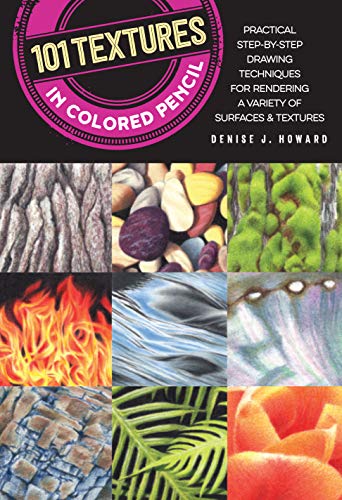
101 Textures in Colored Pencil teaches drawing methods for surfaces and textures. It may help artists make fruit skin, glass, leaves, and water look more real on paper. It does not turn solid ice into liquid or teach blender operation. I see it as a useful art reference, but not as an answer to a kitchen search.
Its subject can still connect with blended drinks in a fun way. A reader might sketch a glass of berry water after learning how to make water in blender. That project can improve observation and make healthy ingredients more inviting to children. However, the book has no role in food safety, motor power, blade care, or ingredient ratios.
Pros:
- Explores many drawing textures
- Useful for fruit, glass, and nature studies
- Supports step-by-step practice
- May improve pencil control
- Good reference for hobby artists
- Encourages close visual observation
Cons:
- Provides no drink recipes
- Cannot replace a blender guide
- Colored pencil work may need special paper
Sarah Morton’s Day

Sarah Morton’s Day is a children’s historical reader about the daily life of a Pilgrim girl. It may support early reading, history lessons, and family discussion. It is not about hydration, kitchen tools, or food preparation. Parents should not buy it expecting blender advice.
I can imagine using it during a family breakfast after making a smooth fruit drink. That pairing creates a simple lesson about daily life, food, and routines. It does not change the basic answer to how to make water in blender: use clean ingredients, keep hands away from moving blades, and wash the jar after use. The book’s main value remains educational reading.
Pros:
- Designed for young readers
- Introduces a historical daily-life setting
- Can support parent-child reading time
- May fit a classroom history unit
- Offers a screen-free activity
Cons:
- Not connected to blender use
- Does not teach food preparation
- Historical content may need adult context
Complete Book of Textures

The Complete Book of Textures for Artists is a wide art reference. It covers graphite, charcoal, colored pencil, acrylic, and oil techniques. Its large subject range may help artists draw wood, metal, fruit, and water with more depth. It does not contain blender recipes or appliance tests.
This title may suit someone who enjoys both cooking and art, but the connection is indirect. After making water with blended berries, I could use the drink as a still-life subject. That can turn a basic beverage into a small creative project. For practical blender results, though, I would spend the budget on a tested appliance with a strong motor, a stable base, and dishwasher-safe parts.
Pros:
- Covers several art media
- Includes a wide range of texture ideas
- Useful for still-life drawing
- May help artists study food and glass
- Supports long-term skill growth
- Good reference for varied art projects
Cons:
- Not an appliance buying guide
- Does not explain water or juice making
- Its broad scope may overwhelm new artists
Dynamic Seascapes

Dynamic Seascapes teaches artists how to paint seas and skies with movement. It may help a painter understand waves, clouds, light, and flowing color. It is not a guide to making, purifying, or chilling water in a blender. The title belongs in an art section, not an appliance comparison.
Still, it may inspire a drink presentation with a blue or green theme. I could make cucumber water, pour it into a clear glass, and use the scene as a painting prompt. That is a pleasant creative link, but it is not a product benefit for kitchen work. When learning how to make water in blender, focus on jar shape, blade design, speed control, and easy cleaning.
Pros:
- Focuses on seas and skies
- May help painters show movement
- Useful for landscape art practice
- Offers ideas for light and color
- Can inspire water-themed projects
- Suitable for artists seeking more drama
Cons:
- Does not discuss blender functions
- Not a drink or hydration guide
- May not suit people seeking basic art lessons
My Recommendation
None of these listed books is the best product for learning how to make water in blender. They can support reading, painting, or quiet family time, but they cannot blend, filter, chill, or sanitize water. I recommend buying a real blender from a trusted brand, then checking its 2026 manual for jar limits, pulse settings, and cleaning rules. A simple model is best for water, ice, fruit, and herbs.
For a child, Sarah Morton’s Day is the clearest reading choice. For an artist, Watercolor in Nature, Watercolor Workbook, or Dynamic Seascapes may offer more value. For a person who wants to make a drink, none of the eight products is a suitable match. Always confirm the listing, format, seller, current price, and return policy before ordering.
| Best for | Why |
|---|---|
| Beginner artists | How to Paint gives a broad starting point across several media. |
| Children and family reading | Sarah Morton’s Day supports a short history-based reading activity. |
| Blender drink makers | None of these books; choose a real blender with safe controls and easy cleaning. |
How to Make Water in Blender: What This Means
The phrase “how to make water in blender” can mean several things. Some people want plain water made from ice. Others want flavored water with fruit, herbs, or vegetables. A few people may think a blender can turn dry ingredients or air into water. It cannot. A blender only moves and breaks down ingredients that already contain liquid.
The safest method starts with water that is already safe to drink. Use tap water that meets local standards, filtered water, or sealed bottled water. A blender does not remove all harmful germs, metals, chemicals, or other pollutants. The U.S. Food and Drug Administration and public health agencies advise using safe water for food and drink preparation.
If you want cold water, add ice and a small amount of liquid water. If you add only ice, the blades may struggle, the motor may heat up, and the jar may shake. A little water helps the blades pull the ice into a smooth flow. Use the pulse setting first, then blend at a medium speed.
Simple Step-by-Step Method
First, wash your hands and rinse the blender jar, lid, and ingredients. Check the jar for cracks and make sure the blade base sits firmly. Pour in one to two cups of safe drinking water. Leave space at the top because liquid can rise when the blender starts.
Next, add ice if you want cold water. For a light flavor, add a few slices of lemon, lime, cucumber, strawberry, apple, or fresh mint. Do not pack the jar full. Small amounts blend more evenly and place less stress on the motor.
Place the lid on the jar and hold it down with one hand. Start with one or two short pulses. Then blend for 10 to 20 seconds, depending on the ingredients. Stop the blender before removing the lid. Never place a spoon, hand, or spatula near moving blades.
Check the drink. If it looks too thick, add more water. If fruit seeds or pulp bother you, pour it through a fine strainer. Serve it right away or chill it in a clean, covered container. Refrigerate homemade flavored water and use it soon for the best taste and quality.
How to Make Plain Ice Water in Blender
Plain ice water is the easiest version. Add one cup of cold water to the jar, then add a small handful of ice. Use the pulse control for a few seconds. The result may be cloudy and slightly slushy, rather than clear like poured water.
This happens because the blades chip the ice into tiny pieces. It does not mean the water is unsafe. It simply means you made a cold, aerated drink. Let it rest for a minute if you want the bubbles and foam to settle.
Do not blend a full jar of hard ice unless the manual says the blender can handle it. Basic personal blenders often work best with liquid and soft ingredients. High-power models may crush ice more easily, but power alone does not make a product safe. A secure lid and stable base matter just as much.
How to Make Fruit Water in Blender
Fruit water gives plain water a soft taste. Use one cup of water, half a cup of soft fruit, and ice if desired. Berries, melon, ripe peach, mango, and seedless grapes blend well. Remove pits, stems, hard cores, and spoiled sections first.
Blend the water and fruit until the drink looks even. If the mixture is thick like a smoothie, add more water. If you want infused water rather than juice, use less fruit and blend for only a few seconds. Straining can remove seeds and large bits.
Do not assume every fruit needs the same treatment. Citrus peel can taste bitter, and apple seeds should not go into the jar. Pineapple has tough fibers, so it may need more liquid and a longer blend. Start with a small batch until you learn what your blender can manage.
How to Make Lemon Water in Blender
For quick lemon water, add two cups of water and the juice of half a lemon. Add a few ice cubes if you want a cold drink. Blend for five to ten seconds. You do not need to blend lemon juice for a long time.
You can add a small amount of lemon flesh, but remove seeds first. I usually avoid large pieces of peel because the white part can create a sharp, bitter taste. A little mint or cucumber can soften the flavor without adding much sugar.
Lemon water is not a detox cure. It can help plain water taste better, which may help some people drink more. It does not melt body fat or remove toxins from the body. Rinse your mouth with plain water after frequent acidic drinks, and do not brush immediately after drinking acidic liquids.
How to Make Cucumber Water in Blender
Cucumber water is light and fresh. Peel the cucumber if the skin is waxy or tough. Add half a cucumber, two cups of water, and a few mint leaves. Blend for 15 to 20 seconds, then strain if you want a clear drink.
Use a fresh cucumber with firm flesh. A soft or bitter cucumber can spoil the taste of the whole batch. You can add lime juice, but keep the amount small at first. Serve over ice or refrigerate it in a sealed glass container.
Cucumber water can separate while it sits. That is normal. Stir or shake it gently before serving. Throw it away if it develops an odd smell, slimy texture, or sour taste. Cold storage slows spoilage, but it does not stop it forever.
How to Make Mint Water in Blender
Mint water needs only water, mint, and optional ice. Use a small handful of washed mint leaves with two cups of water. Pulse for a few seconds. Long blending can make the drink dark and grassy.
Strain the drink if you dislike leaf pieces. You can also blend mint with cucumber or lemon for more flavor. Fresh mint is strong, so start with less than you think you need. Add more after tasting the first small batch.
Wash herbs well under cool running water. Do not use soap on food. Remove yellow or damaged leaves. Store extra mint in the refrigerator and use it soon. Fresh ingredients give better flavor and lower the chance of spoilage.
Can a Blender Purify Water?
No. A blender cannot purify water. It cannot reliably remove bacteria, viruses, parasites, lead, pesticides, or dissolved chemicals. It only mixes and breaks ingredients into smaller pieces.
If local officials issue a boil-water notice, follow the exact public health advice. Boiling can kill many disease-causing germs, but it may not remove chemicals or metals. A certified water filter may help with certain substances, but each filter has a specific claim and service life.
Never use a blender as a substitute for a water filter, purifier, or approved treatment method. This is the most important safety point in any guide about how to make water in blender. Start with water that is safe before it enters the jar.
Best Blender Features for Water Drinks
You do not need the biggest blender for simple flavored water. A stable base is more useful than flashy buttons. Look for a jar that locks in place and a lid that seals well. A pulse button helps you control herbs, fruit, and ice.
Dishwasher-safe parts can save time, but check the care instructions first. Some blade assemblies must be washed by hand. A wide jar is easier to fill and clean, while a narrow personal cup may work well for one serving.
Noise can matter in a small home. High-speed blenders often make more sound, especially when crushing ice. If you live with a baby, roommate, or sleeping family member, use short blends and choose a model with a stable, low-slip base.
Do not judge a blender only by wattage. Motor design, blade shape, jar design, cooling, and warranty all affect real use. Read recent buyer reviews for leaks, stuck buttons, broken lids, and difficult cleaning. I pay close attention to repeated complaints rather than one extreme review.
Common Mistakes to Avoid
The first mistake is using too little liquid. Dry ingredients can sit above the blades and fail to move. Add liquid first, then soft ingredients, then ice. This order helps the blades create a better flow.
The second mistake is overfilling the jar. Leave room for movement and expansion. Overfilling can cause leaks, uneven blending, and pressure under the lid. Follow the maximum fill line printed on the jar.
The third mistake is blending hot liquid in a closed jar without checking the manual. Steam can build pressure and force the lid off. Use cool or room-temperature water for these recipes. If you must blend hot ingredients, follow the maker’s instructions exactly.
The fourth mistake is washing the motor base under running water. Unplug the blender and wipe the base with a damp cloth. Keep the electrical parts dry. Remove the jar before cleaning around the blade area.
The fifth mistake is leaving a sugary drink in the jar for hours. Fruit residue can cling around the seal and blade. Rinse the jar soon after use, then wash it with warm water and dish soap. Clean the gasket if the design allows it.
How to Clean a Blender After Making Water
Unplug the appliance before cleaning. Remove the jar from the motor base. Take out removable parts only if the manufacturer says they are designed to come apart.
For a quick rinse, add warm water and one drop of dish soap to the jar. Put the lid on firmly and use a short, low-speed pulse. Turn the blender off, unplug it, and rinse every part well. This method helps loosen fruit pulp, but it does not replace a full wash.
Dry the parts before storage. Moisture trapped under a gasket can create an unpleasant smell. Keep the jar open or partly open until it is fully dry. Never reach into the blade area with bare fingers.
If the blender smells sour, wash the jar, lid, seal, and blade area according to the manual. A soft brush can reach small corners. Do not use abrasive pads that may scratch plastic. Replace damaged seals or cracked jars before use.
Storage and Food Safety Tips
Fresh blended water tastes best soon after preparation. If you save it, use a clean, covered container and place it in the refrigerator. Do not leave fruit water at room temperature for a long period, especially on a hot day.
Label the container with the time you made it. This small habit helps prevent forgotten drinks from sitting in the back of the refrigerator. If the drink looks, smells, or tastes wrong, discard it. Do not taste questionable food or drinks to test safety.
Use clean ice made from safe water. Do not add ice that has been stored beside raw meat or strong-smelling food without protection. Wash cutting boards and knives after cutting fruit. Small steps can prevent cross-contamination.
People with allergies should check every ingredient. People with kidney, heart, or other health conditions may need advice about fluid or mineral intake. If a doctor has given you a fluid limit, follow that plan instead of general hydration tips.
How to Make Water in Blender Without a Blender
If you do not own a blender, you can still make flavored water. Add sliced fruit, cucumber, or herbs to a clean pitcher. Pour in safe drinking water and chill it for a few hours. This method creates infused water without breaking the ingredients apart.
You can also mash soft fruit with a fork and stir it into water. Strain the drink through a clean mesh strainer if needed. This works well for berries, ripe peaches, and soft melon. It takes more time, but it creates less noise and uses less power.
For plain cold water, use ice from a clean source. A blender is optional. The phrase how to make water in blender often hides a simple need: make water taste better. Slices, herbs, and cold storage may solve that need with less cleanup.
FAQs Of how to make water in blender
Can I make plain water from ice in a blender?
You can blend ice with safe drinking water to make a cold, slushy drink. A blender cannot create water from dry ice, air, or empty space. Add liquid first to help the blades move.
Can a blender purify tap water?
No. A blender only mixes ingredients. It cannot reliably remove germs, lead, chemicals, or other pollutants. Use approved treatment methods when needed.
What ingredients work best for flavored blender water?
Soft fruit, cucumber, lemon juice, lime juice, and mint work well. Remove pits, stems, hard seeds, and spoiled pieces. Add more water if the drink becomes too thick.
Should I strain water made in a blender?
Straining is optional. Use a fine strainer if you want to remove seeds, pulp, or herb pieces. It also gives fruit water a smoother feel.
How long can I store blended water?
Store it in a clean, covered container in the refrigerator. Use it soon, and discard it if the smell, taste, or texture changes. Fresh fruit drinks spoil faster than plain water.
Final Verdict: Which Should You Buy?
For learning how to make water in blender, buy a real blender, not one of these art or reading books. Look for a stable base, secure lid, pulse control, and easy-clean jar. Among the listed titles, none is the right kitchen product.
Use safe water, fresh ingredients, short blends, and careful cleaning. That simple method makes refreshing blender water without false claims or risky shortcuts.