
Clean blender blades quickly by blending warm soapy water, then rinsing and scrubbing stubborn grime.
I’ve cleaned hundreds of blenders in my kitchen and for friends. This guide on how to clean blender blades walks you through safe, fast, and deep-clean methods. You’ll get step-by-step instructions, tools to keep on hand, tips to remove smells and rust, and practical maintenance advice so blades stay sharp and leak-free. Read on for proven, easy-to-follow techniques I use every week.

Why clean blender blades regularly
Dirty blades trap food, oil, and bacteria. Regular cleaning prevents bad smells, cross-contamination, and stains. It also keeps blades sharp and the motor running efficiently. Knowing how to clean blender blades saves time and avoids costly repairs or replacements.
Safety first: protect yourself and the appliance
Always unplug the blender before cleaning. Handle the blade assembly with care — the edges are sharp even when dull. Avoid submerging the motor base to prevent electric damage. Wear gloves if you have cuts or sensitive skin to reduce risk.

Tools and supplies you’ll need
- Warm water and mild dish soap for everyday cleaning.
- White vinegar or lemon for odors and stains.
- Baking soda for gentle scrubbing and brightening.
- Small brush or old toothbrush for tight spots.
- Bottle brush or soft sponge for jars.
- Towel or rack for air drying.
- Gloves and a nut driver or wrench if your model needs disassembly.
- Replacement gaskets or blade assembly as a spare.

Quick daily clean: fast method for everyday use
- Rinse the jar and blades immediately after use to prevent sticking.
- Fill the jar halfway with warm water, add a drop of dish soap.
- Secure the lid and run the blender on low for 20–30 seconds.
- Pour out soapy water, rinse thoroughly, and air dry upside down.
This quick routine removes most residues and is the easiest way to keep blades clean. It’s the first step I do after every smoothie.
Deep clean: disassembly and thorough cleaning
- Unplug the blender. Remove the jar from the base.
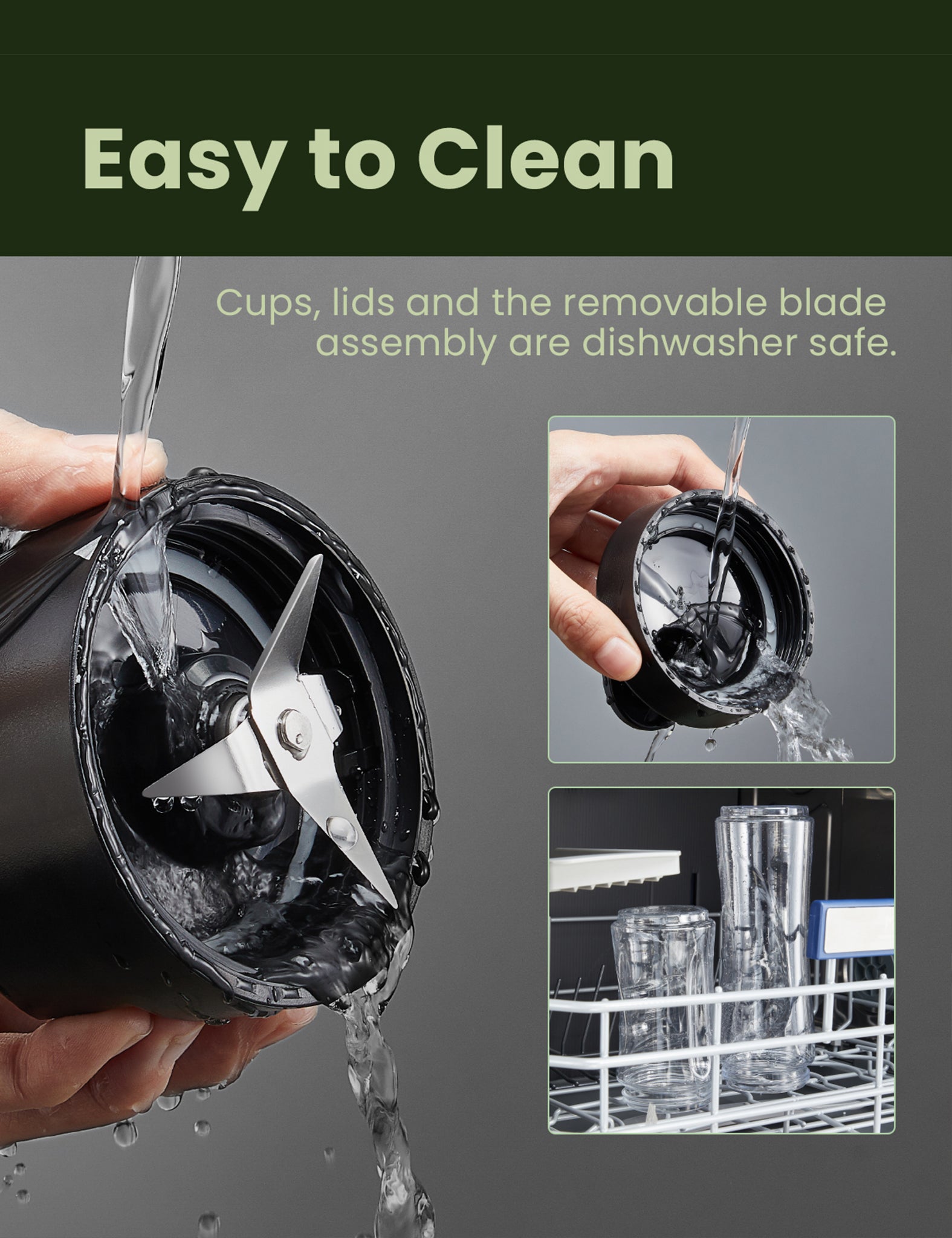
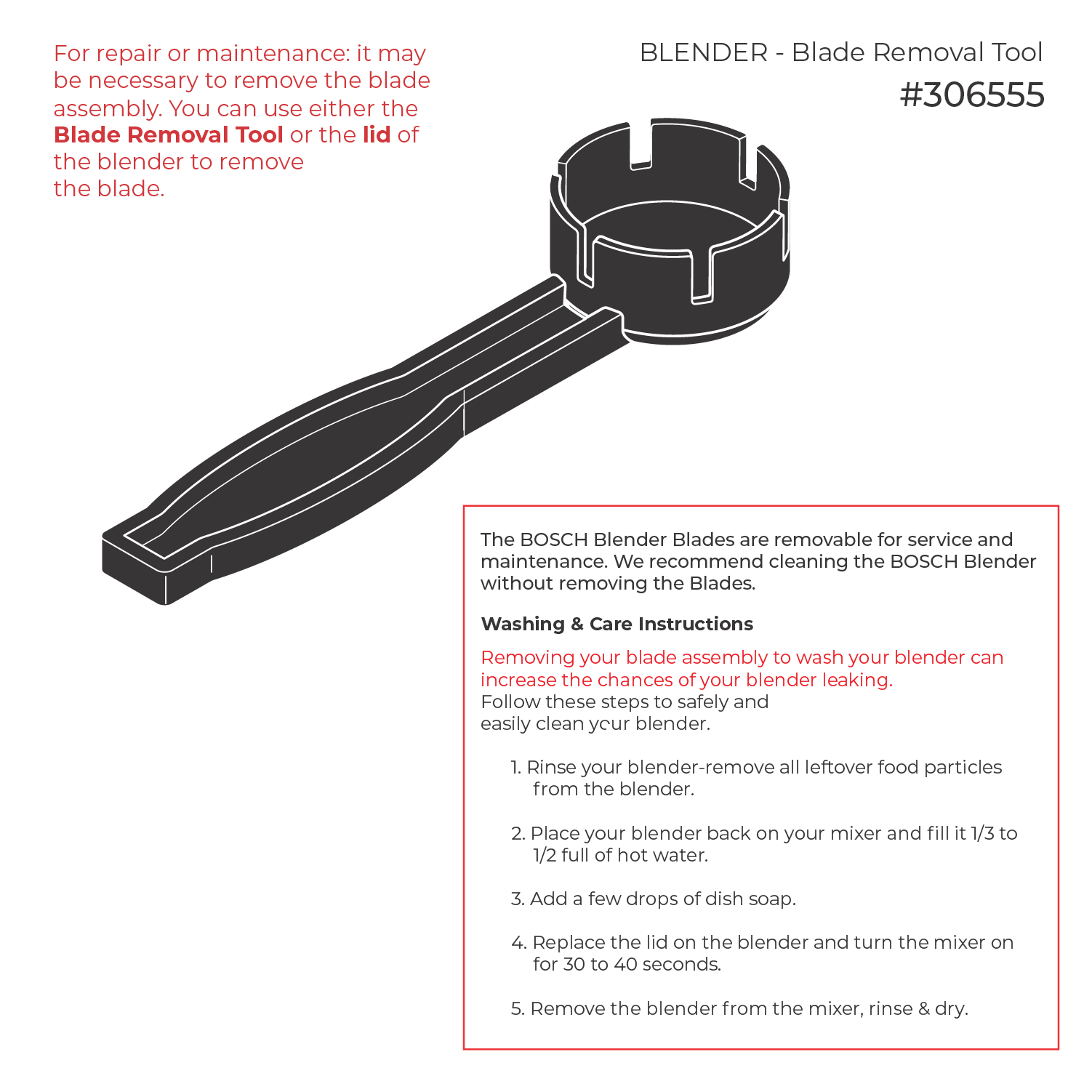
- Unscrew the blade assembly from the jar if your model allows. Keep parts organized.
- Remove the gasket and wash the gasket, blade, and underside with warm soapy water. Use a toothbrush to clean around the blade hub.
- Soak stubborn grime in a 1:1 warm water and vinegar solution for 15–30 minutes.
- Rinse all parts thoroughly. Dry metal parts to avoid rust.
- Wipe the motor base with a damp cloth; do not submerge it. Reassemble when all parts are dry.
Always check your manufacturer’s instructions before disassembling. Some blade units are sealed and not meant to be taken apart. If the blade housing is sealed, focus on cleaning the jar and sealing surfaces.

Removing odors, stains, and sticky residue
- For smells: blend a mixture of warm water, 1/4 cup white vinegar, and a squeeze of lemon; rinse after.
- For stains: make a paste of baking soda and water, scrub the jar lightly, then rinse.
- For sticky sugar or sauces: soak in hot water with dish soap for 30 minutes before scrubbing.
- For persistent cloudiness: mix water and denture-cleaning tablets or a small amount of bleach solution (use caution and rinse thoroughly).
Test any bleaching or abrasive cleaning on a small area first. Avoid abrasive pads on plastic jars; they scratch and trap bacteria.
Dealing with rust, dull blades, and damage
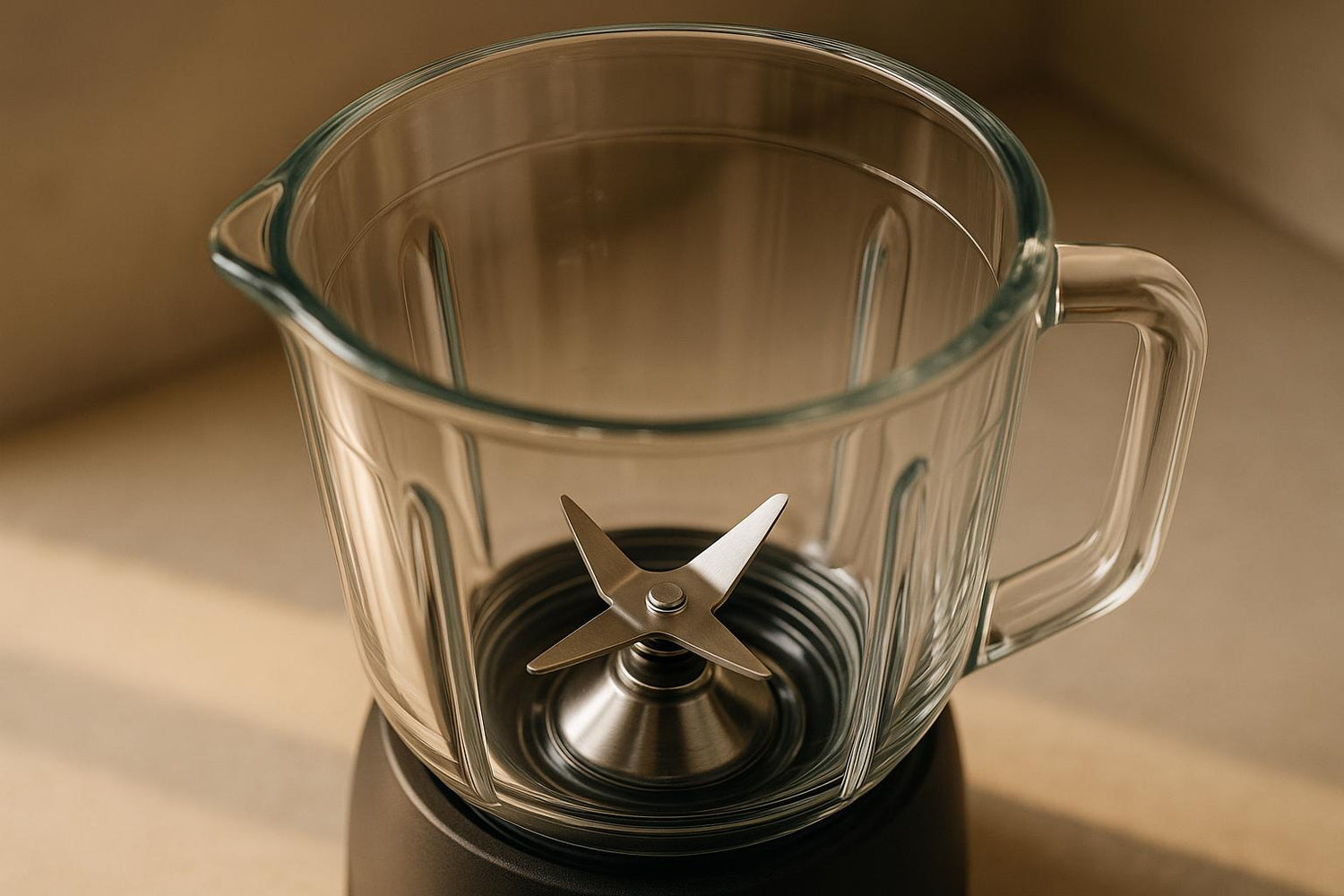
Check blades for chips, heavy rust, or bends. Shallow surface rust can be scrubbed with baking soda and a brush, then dried and oiled lightly. Deep rust or damaged blades mean it’s time to replace the blade assembly. Sharpening can change tolerances and void warranties, so replacing is safer and often inexpensive.
How to clean blender blades includes knowing when to replace them. Proper care delays wear but not forever.

Maintenance tips to extend blade life and prevent leaks
- Clean right after use to avoid dried-on food.
- Avoid blending very hard items like large ice chunks or whole bones often.
- Use the correct jar size for the load to avoid stress on the motor and blades.
- Keep gaskets clean and replace them if cracked or flattened.
- Hand-dry metal parts thoroughly to prevent rust.
- Store with the lid off to avoid trapped moisture and odors.
These small habits make a big difference in how long blades stay good.
Personal experience: lessons learned and mistakes to avoid
I once ruined a good blender by pouring water into the base to clean it. Never submerge the motor. I also learned that leaving a smoothie to dry overnight makes cleaning ten times harder. My best tip is to rinse and run soapy water through the jar immediately after use. Replace gaskets early — a cheap gasket can save you from a leaky mess.
Troubleshooting common problems
- Blades not spinning: check that the jar is seated properly and the drive socket is clean.
- Leaks from the base: inspect and replace the gasket or tighten the blade assembly.
- Persistent bad smell: deep-clean with vinegar and baking soda, and air dry in sunlight.
- Loud grinding or wobble: stop using the blender and inspect for bent blades or worn bearings.
These fixes resolve most everyday problems once you know how to clean blender blades and care for the unit.
Quick questions people ask (PAA-style)
How often should I clean blender blades?
Clean blades after every use with the quick blend method. Do a deep clean at least once a month or after sticky ingredients.
Is it safe to put blender blades in the dishwasher?
Some blade assemblies are dishwasher-safe. Check your manual. If unsure, hand-wash to avoid loosening seals or dulling blades.
Can I use baking soda to clean blades?
Yes. Baking soda is a mild abrasive that helps remove stains and rust. Rinse and dry thoroughly after use.
Frequently Asked Questions of how to clean blender blades
How do I clean blender blades without disassembling?
Run warm soapy water in the jar for 20–30 seconds, then rinse well. Use a toothbrush to reach the underside of the blade if needed.
Can vinegar damage my blender blades?
Short vinegar soaks are safe for stainless steel and plastic jars. Do not leave acidic solutions on aluminum parts for long periods.
How do I remove strong odors from blender blades?
Blend warm water with white vinegar and lemon, then rinse. Let parts air dry in sunlight for extra odor removal.
Will steel wool damage the blades?
Yes. Steel wool can scratch and remove protective coatings, speeding up rust. Use a soft brush or baking soda paste instead.
How long should blades last with proper care?
With good care, blades often last several years. Heavy use or frequent blending of hard ingredients will shorten lifespan.
Is it okay to sharpen blender blades at home?
Sharpening can alter blade balance and void warranties. It’s safer to replace the blade assembly if cutting power is low.
Conclusion
Cleaning blender blades is simple when you follow safe daily steps and do monthly deep cleans. Regular care prevents odors, leaks, and premature wear. Start a quick rinse-and-blend habit today, check seals monthly, and replace parts as needed. Try these methods this week and see how much cleaner your blender feels — leave a comment with your results or questions.