
Refined olive oil can be a healthy cooking fat, especially when used instead of saturated fats.
The answer to “is refined olive oil healthy” depends on how it is made, how you use it, and what replaces it in your diet. This guide explains its fats, heat performance, nutrients, limits, and the best ways to choose and use it.
What Is Refined Olive Oil?
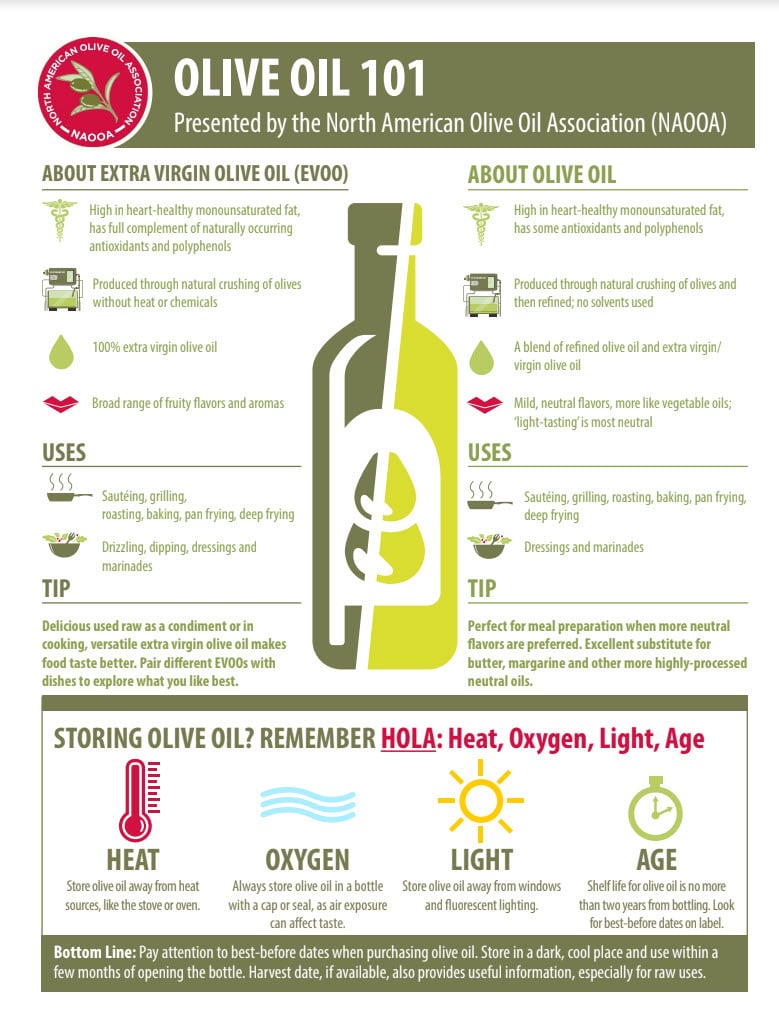
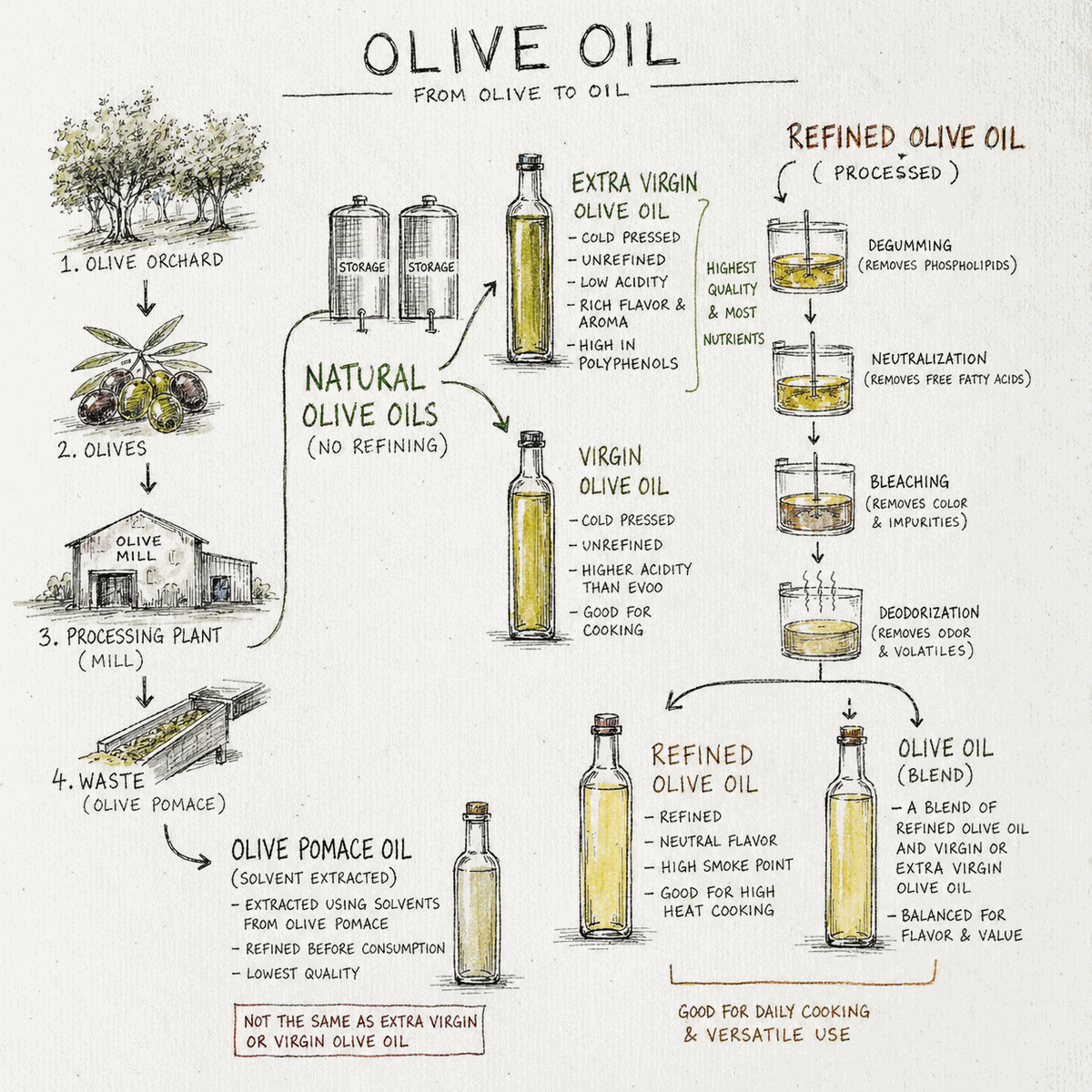
Refined olive oil is olive oil that has been treated to improve its color, smell, taste, and stability. Producers may use heat, filtration, steam, or approved processing agents to remove unwanted flavors and defects.
The result is a mild oil with a light color and little olive taste. It is not the same as extra virgin olive oil, which comes from mechanical pressing and keeps more natural plant compounds.
The word “refined” can sound negative, but it does not mean the oil is unsafe. It means the oil has gone through more processing. The main trade-off is that refining removes many helpful compounds along with unwanted ones.
Refined olive oil often appears on labels as:
• Refined olive oil
• Pure olive oil
• Olive oil
• Regular olive oil
• Light olive oil, which refers to flavor and color, not fewer calories
“Pure olive oil” does not mean the oil is completely unprocessed. In many cases, it is a blend of refined olive oil and virgin olive oil.

Is Refined Olive Oil Healthy?
Yes, refined olive oil can be healthy when eaten in sensible amounts. It contains mostly monounsaturated fat, especially oleic acid, which is linked with better heart health when it replaces butter, lard, or other foods high in saturated fat.
Still, refined olive oil is not usually the most nutrient-rich olive oil. Extra virgin olive oil contains more polyphenols and other natural antioxidants because it receives less processing.
So, is refined olive oil healthy compared with butter? Usually, it is the better choice for heart health. Is refined olive oil healthy compared with extra virgin olive oil? Both can fit a balanced diet, but extra virgin olive oil generally offers more protective plant compounds.
Health depends on the full meal pattern. An oil cannot turn a diet high in sugar, salt, and ultra-processed food into a healthy diet. Think of it as one small tool in your kitchen, not a magic ingredient.

Nutrition in Refined Olive Oil
Like other cooking oils, refined olive oil is calorie-dense. One tablespoon has about 120 calories and around 14 grams of fat, although the exact amount can vary slightly by brand.
Most of its fat is monounsaturated fat. This type of fat is more stable than many polyunsaturated fats and can support a heart-friendly eating pattern.
A typical tablespoon contains:
• About 120 calories
• About 14 grams of total fat
• Mostly monounsaturated fat
• Small amounts of saturated and polyunsaturated fat
• Little or no protein, carbohydrate, fiber, or sodium
Refined olive oil does not provide meaningful amounts of protein, fiber, or minerals. It may also contain fewer antioxidants than extra virgin olive oil.
The key nutrition lesson is simple: the type of fat matters, but portion size matters too. Pouring oil freely into a pan can add hundreds of calories before you notice. Measuring with a spoon can help if weight control is a goal.
Potential Health Benefits
It can support heart health
Replacing saturated fat with monounsaturated fat may help improve the overall quality of your diet. Saturated fat is common in butter, fatty meats, cream, and some processed foods.
Many heart health guidelines encourage replacing saturated fat with unsaturated fat. This does not mean eating unlimited oil. It means choosing a better fat source when cooking or dressing food.
For example, using refined olive oil instead of butter to sauté vegetables may lower the meal’s saturated fat content. The rest of the meal still matters, including the vegetables, grains, protein, and portion size.
It may have a useful fat profile
Oleic acid makes up a large part of olive oil’s fat. This monounsaturated fat is less prone to oxidation than some polyunsaturated fats during cooking.
That stability can make refined olive oil practical for roasting, pan cooking, and other everyday uses. It also has a mild taste, so it works well in dishes where you do not want a strong olive flavor.
It can help you eat more vegetables
A small amount of oil can make vegetables more enjoyable. Better flavor may help you eat vegetables more often, which is a major benefit of using oil in real life.
For example, roasted carrots, green beans, or potatoes may be more appealing with a little oil, herbs, garlic, and pepper. A healthy diet must be enjoyable enough to follow.
It may be suitable for people who dislike strong flavors
Extra virgin olive oil can taste grassy, peppery, or bitter. Those flavors are normal, but not everyone enjoys them.
Refined olive oil has a softer taste. This can make it useful in baking, stir-frying, sauces, and recipes with delicate flavors.
Refined Olive Oil vs. Extra Virgin Olive Oil
The biggest difference is processing.
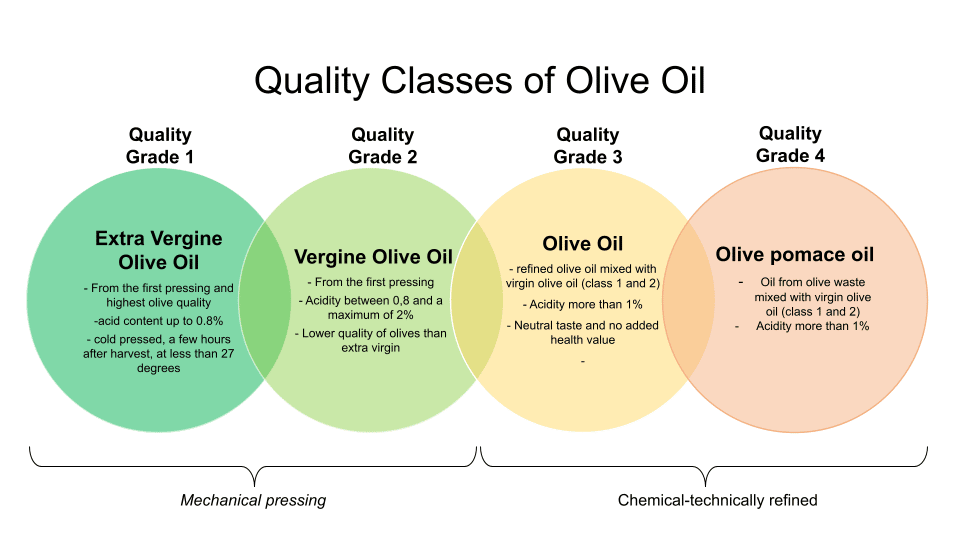
Extra virgin olive oil is made from olives through mechanical methods. It must meet strict standards for flavor, chemistry, and acidity. It usually contains more polyphenols and natural antioxidants.
Refined olive oil undergoes additional processing. It has a milder taste and often fewer natural plant compounds. It may also have a more consistent flavor from bottle to bottle.
Here is a simple comparison:
| Feature | Refined olive oil | Extra virgin olive oil |
|---|---|---|
| Processing | More processed | Minimally processed |
| Flavor | Mild and neutral | Fruity, bitter, or peppery |
| Antioxidants | Usually lower | Usually higher |
| Cooking use | Versatile for many methods | Excellent for low to medium heat and finishing |
| Price | Often less expensive | Often more expensive |
| Best use | High-heat cooking, baking, mild dishes | Dressings, dips, finishing, and everyday cooking |
Is refined olive oil healthy enough for daily use? For many people, yes. Extra virgin olive oil may be the better choice when you want more flavor and antioxidants, while refined olive oil may be more practical for high heat or recipes needing a neutral taste.
Is Refined Olive Oil Good for High-Heat Cooking?
Refined olive oil is often suitable for medium-high heat cooking because it has a mild flavor and can tolerate normal kitchen temperatures. However, no oil should be pushed until it smokes heavily.
Smoke point is not a perfect health score. It can change based on the oil’s age, quality, storage, and processing. It also does not tell the whole story about oxidation or nutrition.
Use these practical tips:
• Heat the pan gradually rather than leaving oil over high heat for a long time.
• Lower the heat if the oil starts smoking.
• Avoid reusing oil many times.
• Do not store oil beside the stove or in direct sunlight.
• Use fresh oil for deep frying and discard it when it becomes dark, foamy, or strongly scented.
For roasting vegetables, sautéing, and pan cooking, refined olive oil can work well. For cold dishes, extra virgin olive oil usually offers better flavor and more natural plant compounds.
Possible Drawbacks and Limitations
Refined olive oil is not a perfect food. Its main limitation is the loss of some natural antioxidants during processing. If your goal is to get more polyphenols from olive oil, extra virgin olive oil is usually the stronger choice.
It is also easy to overuse. All oils contain many calories per tablespoon. A meal can become much higher in calories when oil is poured directly from the bottle without measuring.
Another concern is product quality. Olive oil can degrade when exposed to heat, oxygen, and light. Poor storage can create stale flavors and reduce quality, even before the bottle reaches its best-by date.
Be cautious of labels that use vague marketing claims. “Light,” “pure,” and “mild” do not mean low calorie. They usually describe taste, color, or the blend of oils.
People with specific medical needs should follow advice from a registered dietitian or health professional. This is especially important for people managing gallbladder disease, pancreatitis, digestive disorders, or a medically prescribed low-fat diet.
How to Choose a Better Bottle
Choosing refined olive oil does not need to be complicated. A few label and storage habits can improve quality.
- Check the ingredient list. Look for olive oil as the main or only listed oil.
- Choose a dark glass bottle, tin, or another container that blocks light.
- Check the harvest date when available. A recent harvest date can offer more useful information than a distant expiration date.
- Buy a size you can use within a few months.
- Look for a trusted producer with clear labeling and quality testing.
- Store the bottle in a cool, dark cupboard.
- Keep the cap closed tightly after each use.
A common kitchen mistake is keeping olive oil beside the stove. It is convenient, but heat speeds up quality loss. A nearby cabinet away from the oven is a better home.
Another useful habit is tasting the oil before using a large amount. If it smells like crayons, old nuts, paint, or stale food, it may be rancid. Rancid oil is not a good choice, even if the date looks acceptable.
Best Ways to Use Refined Olive Oil
Refined olive oil works well when you want a neutral cooking fat. It can blend into a recipe without covering the natural taste of the ingredients.
Try it for:
• Sautéing onions, mushrooms, greens, or chicken
• Roasting vegetables
• Pan-searing fish or tofu
• Making marinades
• Baking muffins, quick breads, and cakes
• Preparing homemade mayonnaise
• Cooking rice, grains, or pasta sauces
• Lightly greasing a pan
For salad dressings, dips, and bread dipping, extra virgin olive oil usually gives a richer taste. You can also use both oils in the same kitchen. Use refined olive oil for cooking and extra virgin olive oil for finishing.
A practical portion is often one to two teaspoons per serving, but needs vary. If you are cooking for several people, measure the total oil and divide it across the meal rather than adding more by feel.
Common Mistakes to Avoid
One mistake is assuming that a higher smoke point makes an oil automatically healthier. Heat performance matters, but the oil’s fat profile, freshness, portion, and place in the diet matter too.
Another mistake is avoiding olive oil because it is refined while continuing to eat large amounts of butter or processed meat. The useful comparison is not “refined versus perfect.” It is “which choice improves the overall meal?”
People also sometimes confuse refined olive oil with low-calorie oil. It is not low calorie. A tablespoon of refined olive oil has about the same calories as a tablespoon of other cooking oils.
Finally, do not judge quality by color alone. A pale color does not prove that oil is better or worse. Smell, taste, storage, labeling, and freshness provide more useful clues.
What Research Says About Olive Oil and Health
Research on Mediterranean-style eating patterns often links olive oil use with better cardiovascular outcomes. These eating patterns also include vegetables, beans, whole grains, fruit, nuts, fish, and moderate portions of dairy and meat.
Evidence is strongest for olive oil as a replacement for less healthy fats, not as an extra source of unlimited calories. Studies of extra virgin olive oil often focus on its polyphenols, which may help protect cells from oxidative stress.
Refined olive oil has a similar basic fat structure but generally fewer minor plant compounds. Researchers cannot always separate the effects of the oil from the rest of the diet, lifestyle, and cooking habits.
Public health guidance from major nutrition and heart organizations generally supports unsaturated oils in place of saturated fats. The exact best oil may depend on cooking style, budget, taste, cultural foods, and personal health needs.
Frequently Asked Questions About Is Refined Olive Oil Healthy
Is refined olive oil healthy for everyday cooking?
Yes, refined olive oil can be part of a healthy diet when used in moderate amounts. It is especially useful when it replaces butter, lard, or other fats high in saturated fat.
Is refined olive oil healthier than vegetable oil?
It depends on the type of vegetable oil and how you use it. Refined olive oil is rich in monounsaturated fat, while some vegetable oils contain more polyunsaturated fat; both can fit a balanced diet when fresh and used in reasonable portions.
Does refined olive oil lose all its nutrients?
No. Refining lowers some antioxidants and natural plant compounds, but the oil still provides unsaturated fat and calories. It does not lose all nutritional value.
Can you fry with refined olive oil?
Yes, refined olive oil can be used for frying and other higher-heat cooking methods. Avoid overheating it, do not let it smoke heavily, and avoid repeatedly reusing the same oil.
Is extra virgin olive oil always better than refined olive oil?
Extra virgin olive oil usually has more flavor and antioxidants, so it may offer extra benefits. Refined olive oil can still be a useful, healthy option when you want a mild taste or a versatile cooking oil.
Does “light olive oil” contain fewer calories?
No. “Light” usually refers to the oil’s mild flavor or pale color, not its calorie content. Light olive oil has about the same calories as other olive oils.
How should refined olive oil be stored?
Store it in a tightly closed container in a cool, dark place. Keep it away from the stove, sunlight, and heat to help preserve its flavor and quality.
Conclusion
So, is refined olive oil healthy? Yes, it can be a healthy cooking choice, mainly because it provides mostly monounsaturated fat and can replace fats higher in saturated fat.
Its main limitation is that refining removes many of the antioxidants and flavor compounds found in extra virgin olive oil. Use refined olive oil for mild, heat-based cooking, and choose extra virgin olive oil when you want bold flavor and more natural plant compounds.
Measure your portions, store the bottle well, and focus on the quality of your whole diet. Try these simple tips in your kitchen, and share your favorite olive oil recipes or cooking questions in the comments.