
A slow cooker cooks food at a low, steady heat for several hours. In a U.S. kitchen, you can use it to make soups, chili, beans, pulled pork, pot roast, and many other meals with little hands-on work. Add the ingredients, choose Low or High, secure the lid, and let the cooker do its job.
The safest method is to use thawed meat, keep the cooker at least half full but no more than two-thirds full, and follow the recipe’s cooking time. A slow cooker should bring food to a safe temperature and keep it hot, but it does not replace basic food-safety steps.
How a Slow Cooker Works
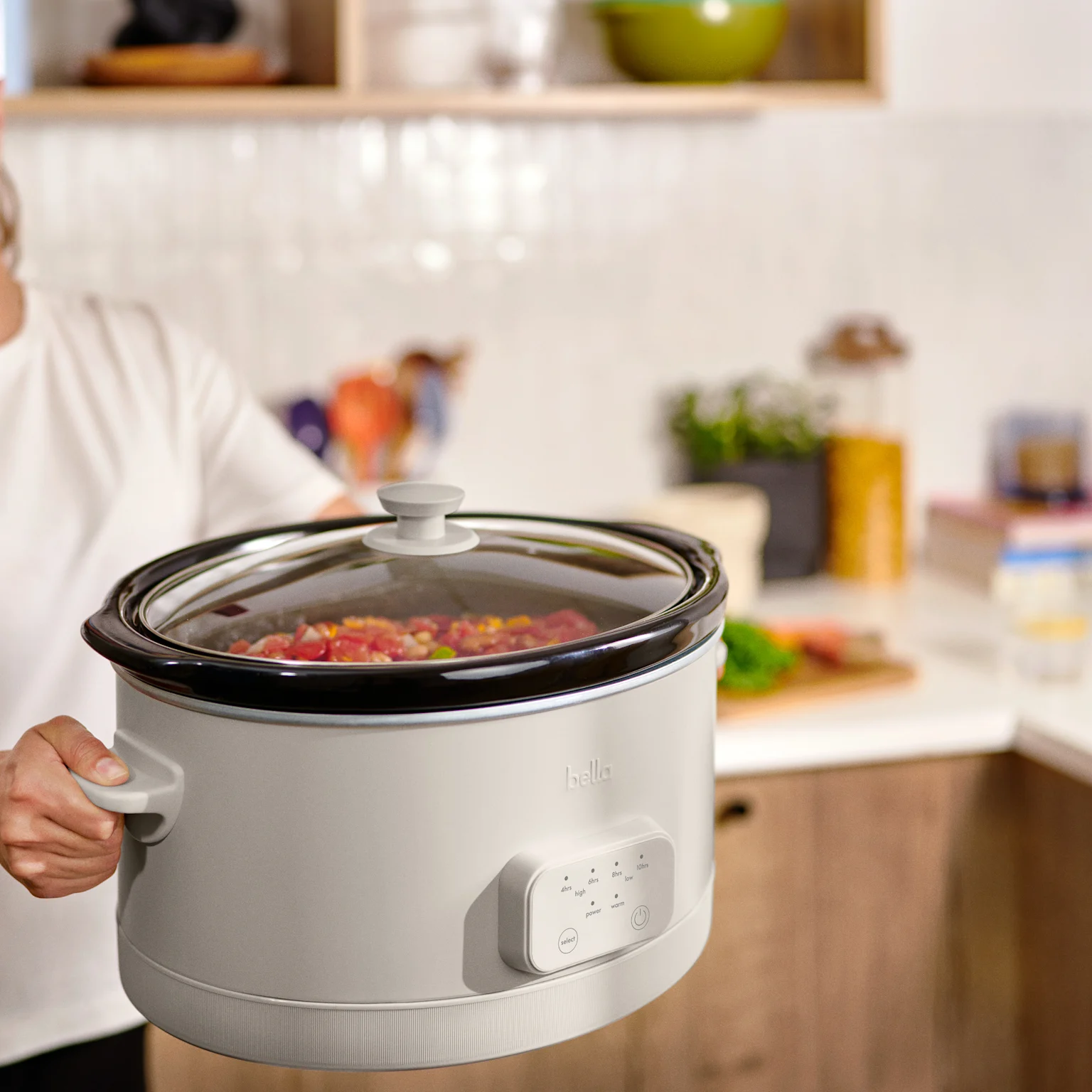
A slow cooker uses an electric heating element around a removable stoneware crock. The heat moves slowly from the outside of the crock toward the food. The lid traps steam, which helps keep food moist during long cooking times.
Most slow cookers have these settings:
- Low: Best for long cooking, usually about 6 to 10 hours.
- High: Best when you have less time, usually about 3 to 5 hours.
- Warm: Holds cooked food at a serving temperature. It is not meant to cook raw food.
The exact heat and timing vary by brand, model, recipe, and the amount of food inside. A newer cooker may cook faster than an older model, so use the recipe as a guide and check the food with a food thermometer when safety matters.
What the settings mean
The Low and High settings usually reach a similar final cooking temperature. High gets there sooner, while Low takes longer. Switching from Low to High does not always cut the cooking time in half.
As a general guide:
| Recipe time on Low | Approximate time on High |
|---|---|
| 6 to 8 hours | 3 to 4 hours |
| 8 to 10 hours | 4 to 6 hours |
| 10 to 12 hours | 5 to 7 hours |
This table is only a starting point. Dense foods, large meat cuts, frozen ingredients, and a very full crock may need more time.

How to Use a Slow Cooker Step by Step
Follow these steps before starting any slow-cooker recipe.
1. Read the manual
Check the instructions for your model before the first use. The manual will explain:
- Whether the crock is safe for the oven or stovetop
- Whether the lid can go in the dishwasher
- The correct fill level
- How to use the control panel or timer
- Whether the cooker has a temperature probe or sear function
Do not place a cold stoneware crock on a hot stovetop unless the manufacturer specifically allows it. Sudden temperature changes can crack the crock.
2. Prepare the ingredients
Wash produce under running water, trim excess fat, and cut food into pieces of a similar size. Smaller, even pieces cook more consistently than a mix of very large and very small pieces.
Use thawed meat and poultry. The U.S. Department of Agriculture advises against putting frozen meat into a slow cooker because it may spend too long between 40°F and 140°F, the food-safety danger zone.
3. Brown meat when the recipe calls for it
browning meat in a skillet before slow cooking can improve color and flavor. It can also reduce some excess fat.
Browning is not required for every recipe. If you skip it, the dish may still cook safely, but the finished meat may look paler and taste less rich.
4. Add the ingredients in the right order
Place firm foods, such as root vegetables, near the bottom. Put meat on top of or among the vegetables. Add liquid according to the recipe.
A slow cooker loses very little moisture. You often need less liquid than you would in a stovetop recipe. Too much liquid can make a stew thin, while too little can cause food to dry or scorch.
5. Fill the crock correctly
Fill the crock about one-half to two-thirds full. This range helps the food heat evenly.
Avoid filling it to the rim. An overfilled cooker may cook slowly and unevenly. A nearly empty cooker may also heat differently from the way the manufacturer intended.
6. Secure the lid
Place the lid firmly on the crock before turning on the cooker. Do not remove it unless the recipe tells you to check or stir the food.
Each lid lift releases heat and steam. The cooker may need extra time to return to its cooking temperature.
7. Select Low or High
Choose the setting based on the recipe and your schedule. Use Low when you have several hours. Use High when the recipe allows it and you need the meal sooner.
Do not use Warm to cook raw meat, poultry, seafood, or beans. Warm is for holding food that is already fully cooked.
8. Check for doneness
When the cooking time ends, check the texture and, when needed, the internal temperature. Insert a food thermometer into the thickest part of the meat without touching bone.
The USDA recommends these minimum internal temperatures:
- Poultry: 165°F
- Ground meats: 160°F
- Whole cuts of beef, pork, veal, and lamb: 145°F, followed by a 3-minute rest
- Leftovers and casseroles: 165°F
Tenderness also matters. Tough cuts used in stews may reach a safe temperature before they become tender.

How Much Liquid Should You Add?
Use the recipe’s liquid amount first. If you are adapting a stovetop or oven recipe, reduce the liquid only with care because slow cookers trap steam.
Liquids may include:
- Water
- Broth or stock
- Crushed tomatoes
- Enchilada sauce
- Coconut milk
- Wine or beer, when suitable for the recipe
Do not assume that alcohol will fully evaporate in a slow cooker. Because the lid stays closed and the temperature remains low, some alcohol can remain. Use less, replace it with broth, or choose a recipe designed for slow cooking if this matters to you.
Add delicate ingredients near the end when possible:
- Dairy
- Fresh herbs
- Pasta
- Seafood
- Quick-cooking vegetables
- Thickening agents
Milk, cream, and sour cream can separate during long cooking. Stir them in during the final 15 to 30 minutes unless the recipe gives different instructions.
How to Convert a Regular Recipe for a Slow Cooker
You can adapt some soup, stew, and braised-meat recipes, but not every recipe transfers well.
A slow cooker works best for foods that benefit from moist, gradual heat. Good choices include:
- Beef chuck
- Pork shoulder
- Chicken thighs
- Dried beans
- Lentil soup
- Chili
- Vegetable stew
- Braised dishes
It works less well for foods that need crisping, quick timing, or dry heat. Fried foods, delicate fish, crisp-skinned poultry, and most baked goods may need a different method.
When converting a recipe:
- Choose a slow-cooker-friendly dish.
- Brown meat first if you want deeper flavor.
- Reduce extra liquid unless the original recipe needs it.
- Add pasta, dairy, seafood, and fresh herbs later.
- Use the recipe’s recommended Low or High time.
- Check doneness before serving.
Do not rely on a fixed “one hour equals two hours” rule for every recipe. The result changes with the cut of meat, food size, starting temperature, liquid level, and cooker design.

How to Cook Common Foods in a Slow Cooker
Meat and poultry
Use cuts with enough connective tissue for long cooking. Chuck roast, pork shoulder, chicken thighs, and bone-in cuts often stay moist and become tender over time.
Trim large amounts of surface fat, but do not remove all fat from a recipe that depends on it for moisture. Brown meat first if the recipe calls for a rich, roasted flavor.
Always thaw meat before placing it in the cooker. Do not use the slow cooker to thaw food.
Dried beans
Some dried beans require special care. Red kidney beans, in particular, can contain a naturally occurring toxin called phytohemagglutinin. The Food and Drug Administration advises boiling these beans for at least 10 minutes before slow cooking; slow-cooker heat alone may not destroy the toxin.
Follow a tested recipe for beans. Do not assume every dried bean can be added dry with no preparation.
Rice and pasta
Rice and pasta can become soft or mushy after long cooking. Add them near the end when the recipe allows. Use the type and amount listed in the recipe because liquid absorption varies among products.
Vegetables
Dense vegetables such as potatoes, carrots, and turnips take longer than soft vegetables. Cut them into similar pieces and place them near the bottom of the crock.
Add peas, spinach, zucchini, and other delicate vegetables later to preserve texture.
How to Keep Food Safe
Food safety begins before the slow cooker starts and continues after the meal ends.
Before cooking
- Wash your hands and clean utensils.
- Keep raw meat separate from ready-to-eat food.
- Thaw meat in the refrigerator, cold water, or microwave—not on the counter.
- Use a clean crock and lid.
- Start cooking soon after preparing raw ingredients.
During cooking
- Keep the lid closed as much as possible.
- Do not put frozen meat in the slow cooker.
- Do not overfill the crock.
- Do not taste food made with raw meat until it is fully cooked.
- Use a thermometer for meat and poultry.
After cooking
Set the cooker to Warm only after the food is fully cooked. Do not leave cooked food at room temperature for more than two hours. If the air temperature is above 90°F, refrigerate it within one hour.
Place leftovers in shallow containers so they cool more quickly. Refrigerate them promptly and use them within the time recommended by USDA guidance, or freeze them for longer storage.
Do not reheat leftovers from a cold state in the slow cooker. Reheat them on the stove, in the oven, or in a microwave until they reach 165°F. You can then transfer the hot food to a slow cooker for serving, if the cooker can keep it at 140°F or above.

Common Slow Cooker Problems and Fixes
The food is still raw
Possible causes include:
- The crock was overfilled.
- The lid was removed often.
- The food started frozen.
- The cooking time was too short.
- The cooker heats unevenly or is not working correctly.
Check the thickest piece with a food thermometer. If the food has spent too long at unsafe temperatures, do not taste it or try to save it. When in doubt, discard it.
The meat is tough
Tough meat may need more time, not less. Cuts such as chuck roast and pork shoulder contain connective tissue that softens during long, moist cooking.
If the meat is dry and tough, the cut may have been too lean, the crock may have been too empty, or the cooker may run hotter than expected.
The vegetables are hard
Dense vegetables take longer than meat in some recipes. Cut them smaller and place them near the heating surface at the bottom of the crock. If the meat is already done, remove it, continue cooking the vegetables, and return the meat before serving if appropriate.
The sauce is too thin
Slow cookers do not reduce liquid as quickly as uncovered pans. To thicken a sauce:
- Remove the lid during the final cooking stage if the recipe allows.
- Stir in a cornstarch slurry near the end.
- Transfer the liquid to a saucepan and reduce it separately.
- Mash some cooked vegetables into the sauce.
A cornstarch slurry usually contains cornstarch mixed with cold water. Add it gradually to avoid lumps.
The sauce is too thick or the food is dry
The cooker may have been underfilled, the food may have cooked too long, or there may not have been enough liquid. Add hot broth or water in small amounts and check the seasoning.
Do not add a large amount of cold liquid to a hot stoneware crock. A sudden temperature change can damage it.
The dish tastes bland
Slow cooking softens flavors over time. Add salt carefully near the end, then adjust with herbs, acid, spice, or a small amount of concentrated stock.
Fresh herbs, lemon juice, vinegar, and grated cheese often add more flavor when added shortly before serving.

Slow Cooker Care and Cleaning
Unplug the slow cooker before cleaning it. Let the crock cool first, especially if it is made of stoneware.
Wash the removable crock and lid according to the manufacturer’s instructions. Avoid sudden temperature changes, harsh scouring pads, and placing a hot crock in cold water. Do not immerse the electrical base in water.
Inspect the cord, plug, heating base, crock, and lid. Stop using the appliance if the cord is damaged, the crock is cracked, or the base shows signs of electrical damage.
Store the cooker with the lid loose or slightly open if the manufacturer permits it. This can help prevent trapped odors and moisture.

Quick Slow Cooker Decision Guide
| Your situation | Best approach |
|---|---|
| You have most of the day | Use Low |
| You have only a few hours | Use High, if the recipe supports it |
| The food is already cooked | Use Warm for serving |
| The meat is frozen | Thaw it first |
| You want crisp skin | Finish the food in an oven or skillet |
| You need a thick sauce | Add a thickener near the end |
| You are reheating leftovers | Reheat to 165°F by another method first |
| You are cooking dried kidney beans | Boil them first, then slow cook |
The safest choice is to follow a recipe written for your slow cooker’s size and type. If you adapt a recipe, change one variable at a time so you can see how the result changes.

Frequently Asked Questions
Can you put raw meat in a slow cooker?
Yes. A slow cooker can cook raw meat when you use thawed meat, a suitable recipe, the correct cooking time, and a safe final temperature. Brown the meat first only when the recipe calls for better color or flavor.
Can you leave a slow cooker on while you are away?
Many slow cookers are designed for long, unattended cooking, but place the appliance on a stable, heat-safe surface away from walls, towels, and water. Follow the manufacturer’s instructions, and do not use a damaged appliance.
Should the lid stay on a slow cooker?
Yes. Keep the lid on during cooking unless the recipe directs you to add an ingredient or check the food. Removing the lid releases heat and can extend the cooking time.
Can you overcook food in a slow cooker?
Yes. Meat can become dry, vegetables can turn mushy, and dairy can separate if food cooks too long. Use the shortest time in the recipe’s range, then switch to Warm only after the food is fully cooked.
Can you cook frozen chicken in a slow cooker?
No. Thaw chicken before slow cooking. Frozen chicken may take too long to pass through unsafe temperatures, even when the cooker is set to High.
Is Low or High better for a slow cooker?
Neither setting is always better. Low works well for long cooking and tougher cuts. High works when you have less time, but the food may have a slightly different texture. Follow the recipe and check the result with a thermometer when needed.
Final Takeaway
To work a slow cooker, add thawed ingredients to a clean crock, keep the fill level between one-half and two-thirds full, secure the lid, and select Low or High. Cook until the food is tender and reaches a safe internal temperature. Use Warm only to hold fully cooked food, and refrigerate leftovers promptly.
For your next meal, start with a recipe designed for your slow cooker’s size. Measure the liquid, keep the lid closed, and use a food thermometer when cooking meat or poultry.