
Yes. In the United States, a Crock-Pot is a brand of slow cooker, while slow cooker is the general name for the appliance. The two terms often mean the same thing in everyday speech, but they are not exact synonyms: every Crock-Pot is a slow cooker, but not every slow cooker is a Crock-Pot.
Introduction
For U.S. shoppers and home cooks, the difference is much like the difference between “tissue” and “Kleenex.” One is the broad product name; the other is a well-known brand. Both slow cookers and Crock-Pot appliances cook food over low heat for several hours, but features, controls, shape, and cooking results can vary by model.

Slow Cooker vs. Crock-Pot: The Key Difference
A slow cooker is an electric countertop appliance designed to cook food at a low temperature over a long period. Crock-Pot is a trademarked brand name used for certain slow cookers.
The general term includes appliances made by many companies, such as:
- Crock-Pot
- Hamilton Beach
- KitchenAid
- BLACK+DECKER
- All-Clad
- Cuisinart
- Other appliance brands
So, the relationship is simple:
| Term | Meaning |
|---|---|
| Slow cooker | The general category of appliance |
| Crock-Pot | A brand that makes slow cookers |
| Crock pot | A common informal spelling of “Crock-Pot” |
| Multicooker | A broader appliance that may slow-cook, pressure-cook, sauté, steam, or perform other tasks |
The name “Crock-Pot” became so familiar that many Americans use it to describe any slow cooker. That usage is common, but it does not mean that every slow cooker is made by Crock-Pot.

How Do Slow Cookers and Crock-Pots Work?
Both appliances use an electric heating element to warm a removable cooking vessel. The vessel is usually made from glazed ceramic or another heat-resistant material. A lid holds in heat and moisture while the food cooks.
Most traditional models have three basic settings:
- Low: Cooks food gently over a longer period.
- High: Reaches cooking heat more quickly.
- Warm: Holds cooked food at a serving temperature for a limited time.
The exact heat level depends on the model, food volume, starting temperature, and other factors. “Low” and “high” are cooking settings, not exact temperatures that work the same way in every appliance.
Slow cooking works well for foods that benefit from time, moisture, and gentle heat. Common examples include:
- Beef stew
- Pulled pork
- Chili
- Beans
- Pot roast
- Chicken soup
- Braised vegetables
- Oatmeal and other long-cooking grains
The long cooking time helps soften tough cuts of meat and blend flavors. It does not mean that every recipe can be left unattended for an unlimited period.
Do Crock-Pots cook differently from other slow cookers?
Not always. A Crock-Pot and another brand of slow cooker may produce similar results when they have similar sizes, settings, and heating designs.
Differences can still occur because of:
- Heating element placement
- Cooking vessel shape
- Lid fit
- Appliance size
- Control type
- Recipe quantity
- Ingredient temperature
- Age and condition of the appliance
A wide, shallow cooker may cook differently from a tall, narrow cooker. A newer model may also heat faster than an older one. For that reason, cooking time from a recipe should be treated as a guide rather than a guarantee.
Are All Crock-Pots Slow Cookers?
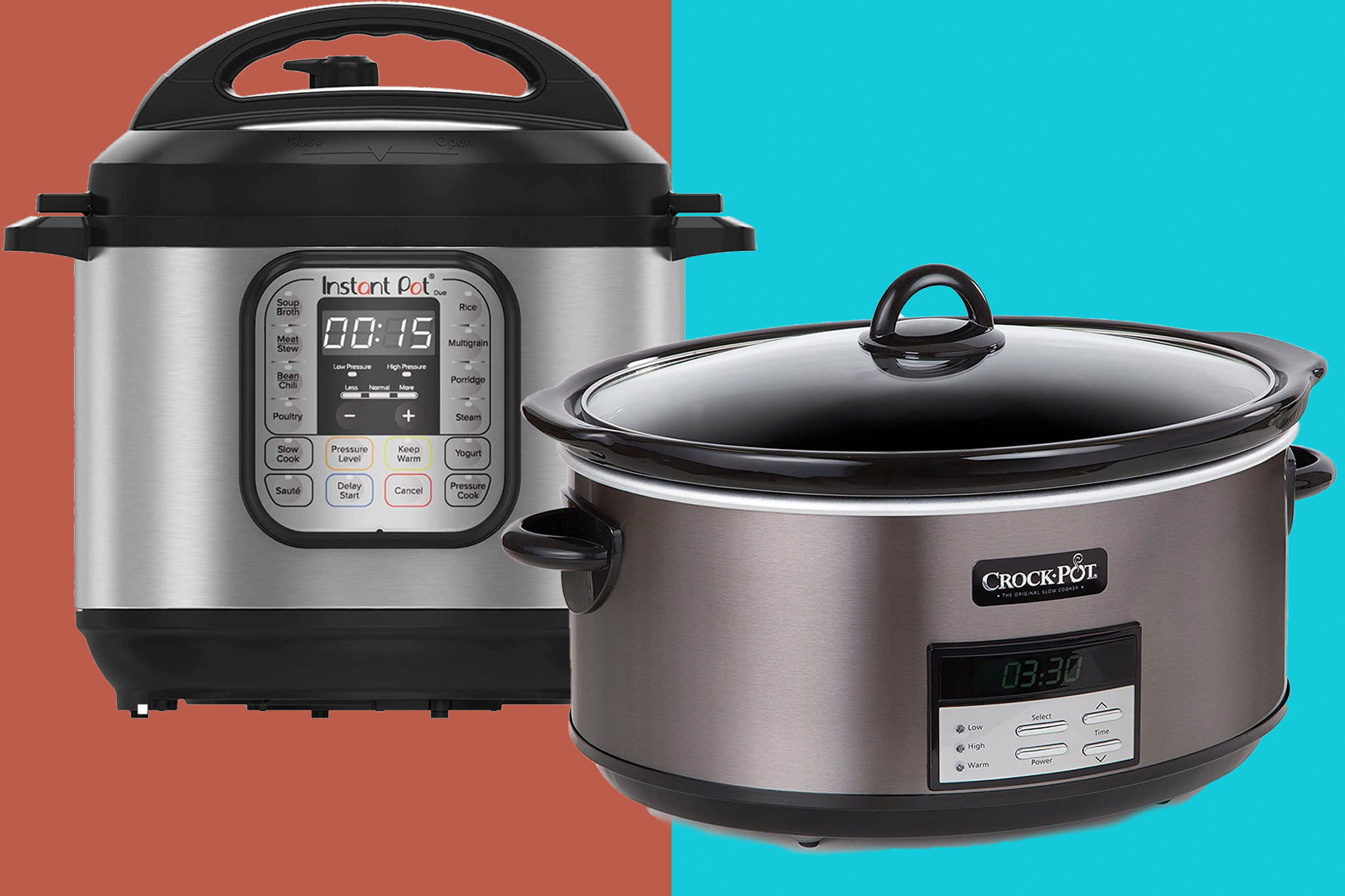
Yes, traditional Crock-Pot appliances are slow cookers. However, the Crock-Pot brand has also sold appliances with extra functions, including models that can brown, steam, sauté, or pressure-cook.
This creates an important distinction:
- A basic Crock-Pot slow cooker mainly cooks food slowly at low or high heat.
- A multifunction Crock-Pot appliance may offer several cooking methods.
- A pressure cooker uses sealed pressure and is not the same as a traditional slow cooker, even if it includes a slow-cook setting.
Check the control panel and the instruction manual before using a recipe. A device with buttons labeled “pressure cook,” “steam,” or “sauté” may work very differently from a simple slow cooker.
Slow Cooker and Crock-Pot Differences to Check Before Buying
The brand name is less important than the appliance’s design and controls. Compare the following features before choosing one.
Capacity
Common U.S. slow cooker sizes include:
- 1 to 2 quarts for dips, sauces, and small portions
- 3 to 4 quarts for couples or small meals
- 5 to 7 quarts for many families and larger cuts of meat
- 8 quarts or more for large batches
A cooker should generally be filled according to its manual. Many recipes work best when the vessel is neither nearly empty nor packed to the top. Overfilling can slow heating and may cause spills.
Shape
Oval models suit long foods such as:
- Pork shoulder
- Whole chicken
- Brisket
- Large roasts
Round models may work well for:
- Soups
- Chili
- Dips
- Smaller portions
Shape can affect how food fits and how evenly it cooks.
Controls
Basic models may have a simple dial. Others use digital controls, timers, temperature probes, or automatic switches to a warm setting.
A timer can be useful, but it does not make an appliance safe for every recipe. Some foods should not remain on warm for long periods, and a timer cannot correct an unsafe starting method.
Removable cooking vessel
A removable insert is easier to wash and may be made from ceramic, stoneware, or metal. Some inserts can go into the oven, but only when the manufacturer says they are oven-safe and provides a temperature limit.
Do not assume that a removable insert can go directly from a refrigerator into a hot oven. Sudden temperature changes may crack some ceramic vessels.
Stove-top and oven use
Some slow cookers have inserts designed for browning meat on a stovetop. Many do not. Never place a ceramic insert over a burner unless the manual specifically allows it.
The same rule applies to oven use. Product names and appearances are not enough to establish heat safety.
Which Is Better: a Crock-Pot or Another Slow Cooker?
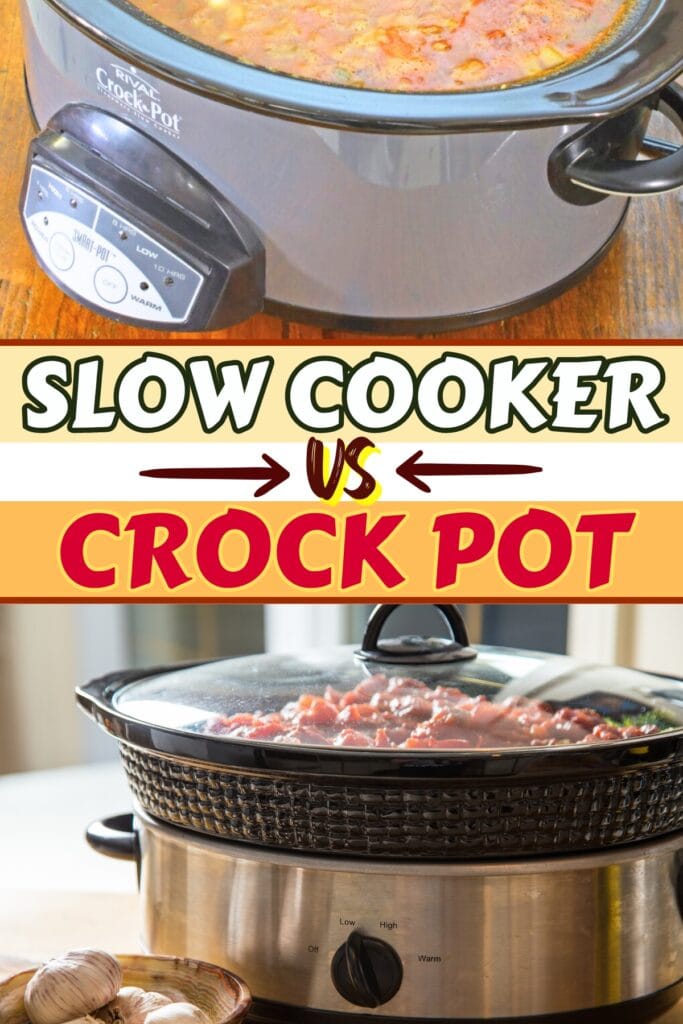
Neither category is automatically better. The best choice depends on how you cook and which features matter to you.
Choose a basic slow cooker if you want:
- Simple controls
- Fewer parts to clean
- A lower-cost appliance category
- Reliable cooking for soups, stews, and braises
Choose a Crock-Pot model if you prefer:
- That specific brand
- A model with features that match your recipes
- A familiar control layout
- A particular size or insert design
Choose a multifunction appliance only if you will use its extra settings. More functions can save counter space, but they may also add complexity, cleaning needs, and different operating rules.
The useful comparison is not “Crock-Pot versus slow cooker.” It is one slow cooker model versus another.
Quick decision guide
| Your main need | Feature to prioritize |
|---|---|
| Soups and chili | Easy cleaning and suitable capacity |
| Large roasts | Oval shape and enough room |
| Small servings | 1- to 4-quart size |
| Browning meat first | Stovetop-safe insert |
| Cooking while away | Reliable timer and clear warm function |
| Fewer appliances | Multicooker with a documented slow-cook mode |
| Simple operation | Manual dial and fewer settings |

How to Use a Slow Cooker or Crock-Pot Safely
Use the manufacturer’s manual first, especially for capacity, insert care, and programmable settings. The following practices support safe use of a standard slow cooker.
1. Start with safe ingredients
Keep meat, poultry, seafood, dairy, and cut produce refrigerated until preparation. Do not leave perishable ingredients on the counter while you gather other items.
Frozen meat may heat too slowly in a slow cooker. The U.S. Department of Agriculture advises thawing meat and poultry before placing them in a slow cooker.
2. Cut food into similar sizes
Similar pieces cook more evenly. Large or very thick pieces may take longer to reach a safe internal temperature.
3. Use enough liquid when the recipe requires it
Slow cookers lose less moisture than uncovered pots. You may need less liquid than you would use on a stovetop, but the food should not be dry if the recipe depends on liquid for safe and even cooking.
Do not add liquid simply to fill the vessel. Follow a tested recipe or the appliance instructions.
4. Keep the lid closed
Each time you lift the lid, heat escapes and cooking slows. Open it only when the recipe calls for stirring or when you need to check the food.
5. Confirm doneness with a food thermometer
Color and texture are not reliable safety tests for meat. Use a food thermometer and check the thickest part of the food without touching bone.
The USDA recommends a minimum internal temperature of:
- 145°F, followed by a three-minute rest, for whole cuts of beef, pork, veal, and lamb
- 160°F for ground meats
- 165°F for poultry and reheated leftovers
Always follow the recipe and the USDA’s current food-safety guidance for the specific food.
6. Refrigerate leftovers promptly
Divide large amounts into shallow containers so they cool faster. Refrigerate leftovers within two hours, or within one hour when the surrounding temperature is above 90°F, according to USDA guidance.
Do not use the warm setting as a substitute for refrigeration. A slow cooker is designed to cook and hold food according to its instructions, not to preserve food indefinitely.

Can You Use a Slow Cooker Recipe in a Crock-Pot?
Usually, yes. A recipe written for a standard slow cooker will generally work in a Crock-Pot of similar size and design.
Adjust your expectations when the appliances differ in:
- Capacity
- Shape
- Heat setting
- Lid fit
- Cooking mode
- Recipe amount
For example, a recipe written for a 6-quart oval slow cooker may not cook at the same rate in a small round model. A small cooker filled too high can heat slowly, while a large cooker with a small amount of food may cook faster around the edges.
Converting cooking times
Recipes often give approximate conversions such as:
- 7 to 8 hours on Low may equal about 3 to 4 hours on High
- 4 to 5 hours on Low may equal about 2 to 3 hours on High
These are rough guides, not universal rules. Do not use time alone to judge whether meat or poultry is safe. Check the food’s internal temperature and texture, and follow the manual for your specific appliance.
Adapting stovetop recipes
A stovetop recipe may need changes before it works well in a slow cooker:
- Reduce added liquid if the original recipe is uncovered.
- Brown meat first if you want a deeper roasted flavor.
- Add delicate dairy ingredients near the end when the recipe directs.
- Add pasta, seafood, and some fresh herbs late because they can become soft or lose flavor.
- Avoid putting raw dried beans in a slow cooker unless the recipe gives a safe preparation method. Some beans, especially red kidney beans, require boiling before slow cooking to destroy naturally occurring toxins.
Common Slow Cooker and Crock-Pot Mistakes
Filling the cooker too high
Overfilling can cause uneven cooking and spills. Follow the fill limits in the manual and leave room for bubbling.
Filling it too little
A very small amount of food in a large cooker may cook faster than the recipe expects. Use a vessel that matches the recipe quantity.
Adding frozen meat
Frozen meat may remain too long in the temperature range where bacteria can multiply. Thaw it safely in the refrigerator before slow cooking.
Lifting the lid often
Repeated lid lifting extends cooking time and may dry the food around the edges.
Using the insert incorrectly
Do not use a ceramic insert on a stovetop or under a broiler unless the manufacturer specifically approves it. Do not place a hot insert on a cold or wet surface, since thermal shock can cause cracking.
Assuming “warm” means safe forever
The warm setting is meant to hold food after cooking for a limited period. It is not a replacement for proper cooking, temperature checks, or refrigeration.
Leaving a damaged appliance in use
Stop using the appliance if you see:
- A cracked insert
- A damaged power cord
- Exposed wiring
- A loose plug
- Signs of overheating
- A lid that no longer fits properly
Contact the manufacturer or replace the appliance when repair instructions are not available.

Frequently Asked Questions
Is a Crock-Pot the same as a slow cooker?
A Crock-Pot is a type and brand of slow cooker. The terms often refer to the same kind of meal preparation, but “slow cooker” includes products from many brands.
Why do people call all slow cookers Crock-Pots?
Crock-Pot became a widely recognized slow cooker brand in the United States. Over time, many people began using the brand name as a general term for the appliance category.
Is a Crock-Pot better than a slow cooker?
Not by definition. A Crock-Pot may be the better choice if its size, controls, and features fit your needs. Another slow cooker may offer a better design for your recipes or budget.
Can I use a Crock-Pot recipe in another brand of slow cooker?
Yes, in most cases. Match the appliance size as closely as possible, follow the other manufacturer’s instructions, and check food temperature rather than relying only on the listed cooking time.
Is a Crock-Pot a pressure cooker?
A traditional Crock-Pot slow cooker is not a pressure cooker. Some Crock-Pot-branded appliances are multicookers that include pressure-cooking functions. Check the model name and manual.
Can I leave a slow cooker on while I am away?
Many recipes are designed for unattended slow cooking, but you should follow the appliance manual and recipe directions. Place the cooker on a stable, heat-safe surface away from water, children, pets, and flammable items. Do not use a damaged appliance.
Does a slow cooker use less electricity than an oven?
A slow cooker often uses less power than a full-size oven because its heating element is smaller, but actual energy use depends on wattage, cooking time, food quantity, and the oven. Compare the appliance wattage and hours of use for a meaningful estimate.
Conclusion
A slow cooker is the general appliance category, while Crock-Pot is a well-known brand within that category. In everyday U.S. conversation, the names are often used interchangeably, but the technical distinction matters when you compare brands, read instructions, or choose a replacement.
Before cooking, check the model’s size, settings, insert instructions, and safety guidance. Then use a reliable recipe, thaw meat first, keep the lid closed, and verify doneness with a food thermometer.