
The benefits of cooking with olive oil include heart support, rich flavor, and simple meal preparation.
The benefits of cooking with olive oil go well beyond taste. Extra virgin olive oil brings monounsaturated fat, plant compounds, and a light fruitiness to everyday foods. Used in the right way, it can replace less healthy fats, improve meals, and fit into a balanced eating pattern.
This guide explains the benefits of cooking with olive oil, the best types to use, safe cooking methods, common mistakes, and what research really suggests.
What Makes Olive Oil a Healthy Cooking Fat?
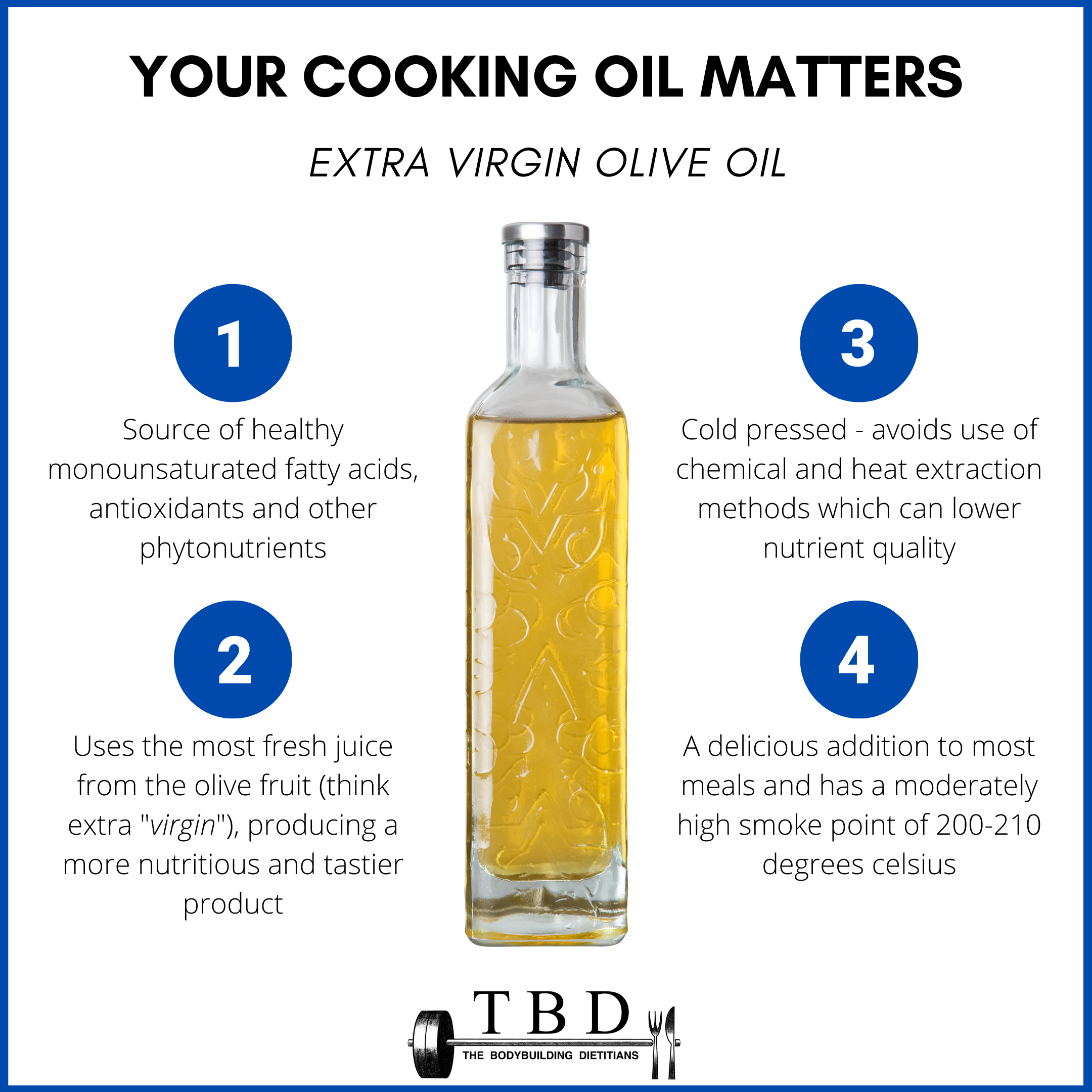
Olive oil comes from pressed olives. Extra virgin olive oil is the least processed type. It keeps more natural flavor and plant compounds because it is made without chemical refining.
The main fat in olive oil is oleic acid. This is a monounsaturated fat. It is more stable than many polyunsaturated fats and can be a smart choice when it replaces butter, shortening, or other fats high in saturated fat.
The benefits of cooking with olive oil also come from smaller compounds called polyphenols. These compounds help protect the oil from damage and may support the body’s natural defense against oxidative stress.
Still, olive oil is calorie-dense. One tablespoon has about 120 calories. The goal is not to pour it on every meal. The goal is to use it instead of less helpful fats and keep portions sensible.

7 Key Benefits of Cooking With Olive Oil
1. It May Support Heart Health
One of the best-known benefits of cooking with olive oil is its role in a heart-friendly eating pattern. Olive oil is rich in monounsaturated fat, which may help improve cholesterol levels when it replaces saturated fat.
For example, using olive oil instead of butter may lower the amount of saturated fat in a meal. This small change can matter when repeated over weeks and months.
Research on Mediterranean-style diets links regular olive oil use with better heart outcomes. However, olive oil works best as part of a larger pattern that includes vegetables, beans, fruit, whole grains, fish, and nuts.
2. It Contains Helpful Plant Compounds
Extra virgin olive oil contains polyphenols and other antioxidants. These compounds help protect the oil and may help the body manage oxidative stress.
The amount can vary by olive type, harvest time, storage, and processing. Fresh, extra virgin oil often contains more of these compounds than refined olive oil.
This does not mean olive oil cures disease. It means that choosing a minimally processed oil can add useful plant compounds to an already balanced diet.
3. It May Help Reduce Inflammation
Long-term inflammation is linked with many health problems. Some compounds in extra virgin olive oil may help support a healthy inflammatory response.
The strongest benefits often appear when olive oil replaces foods high in saturated fat or highly processed ingredients. Simply adding extra oil to an unhealthy diet will not create the same result.
Think of olive oil as one piece of a larger picture. Sleep, movement, stress control, and a diet rich in whole foods matter too.
4. It Helps Your Body Use Fat-Soluble Vitamins
Some vitamins need fat for proper absorption. These include vitamins A, D, E, and K.
Adding a small amount of olive oil to vegetables can help your body absorb carotenoids and other fat-soluble compounds. This is one reason a simple salad dressing can do more than add flavor.
Try olive oil with tomatoes, leafy greens, carrots, peppers, or roasted squash. The oil acts like a bridge that helps carry certain nutrients through digestion.
5. It Makes Vegetables More Appealing
Healthy food is easier to enjoy when it tastes good. Olive oil adds a smooth texture and mild flavor to vegetables, grains, beans, and lean proteins.
A drizzle of extra virgin olive oil can make roasted broccoli feel less plain. It can also bring out the sweetness of carrots, onions, and winter squash.
This practical benefit matters. A cooking oil that helps you eat more vegetables may support your health more than a “perfect” food you never want to eat.
6. It Works in Many Cooking Methods
Olive oil is useful for more than salad dressing. You can use it for:
• Sautéing onions, garlic, greens, and mushrooms
• Roasting vegetables and potatoes
• Baking bread, muffins, and some cakes
• Making marinades for chicken, fish, tofu, or vegetables
• Finishing soups, beans, pasta, and grains
• Preparing homemade salad dressings and sauces
The benefits of cooking with olive oil include its flexibility. One bottle can support many meals, from breakfast eggs to a simple vegetable dinner.
7. It May Support a Balanced Eating Pattern
The Mediterranean diet is known for its use of olive oil, vegetables, beans, whole grains, seafood, nuts, and fruit. This pattern is associated with several health benefits.
Olive oil alone is not a magic food. Its value comes from how it fits into meals. A spoonful over lentils and vegetables is very different from using it to deep-fry heavily processed food every day.
Extra Virgin Olive Oil vs. Regular Olive Oil
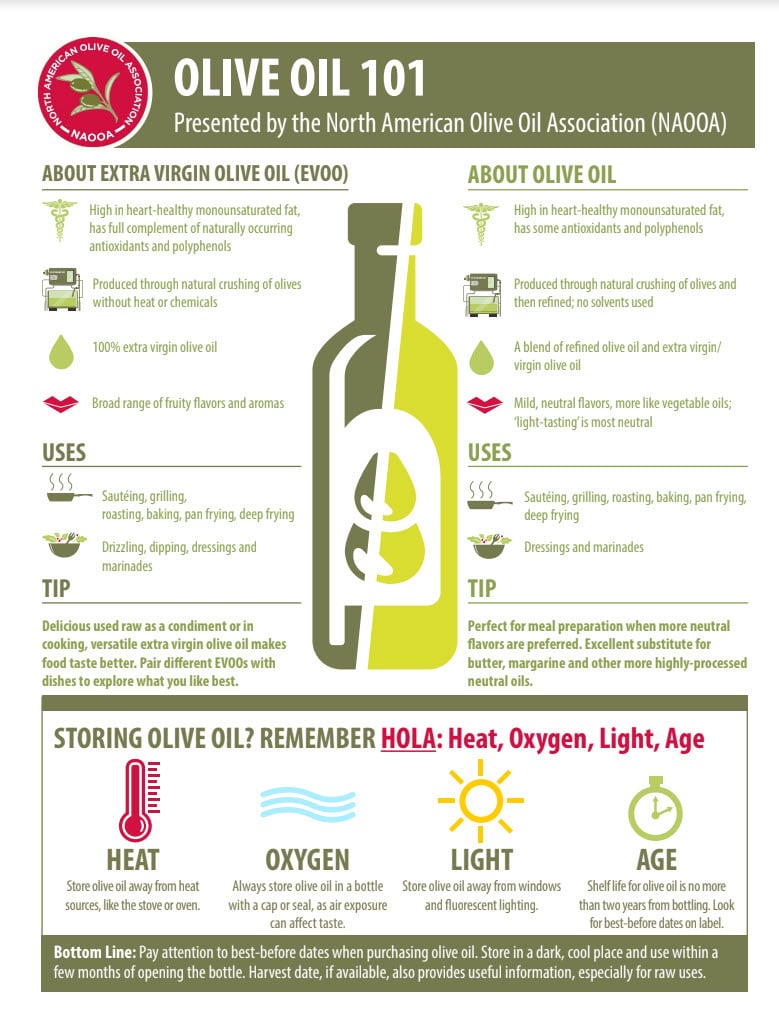
Extra virgin olive oil has a stronger flavor and more natural plant compounds. It is a good choice for salad dressings, dips, finishing, and gentle to medium cooking.
Regular olive oil is often refined or blended with virgin olive oil. It usually has a lighter flavor and may have a higher smoke point. It can work well when you want a neutral taste.
Here is a simple guide:
• Extra virgin olive oil: Best for dressings, dips, finishing, and most home cooking
• Virgin olive oil: Less common, with a milder quality than extra virgin oil
• Regular or light olive oil: A neutral option for baking and higher-heat cooking
• Olive pomace oil: More processed and usually less flavorful
The word “light” on olive oil usually refers to flavor or color. It does not mean the oil has fewer calories.
Look for a dark bottle or tin. Store the oil in a cool, dark place with the cap closed. Heat, light, and air can reduce freshness over time.

Is Olive Oil Safe for High-Heat Cooking?
Olive oil is suitable for many common cooking methods, including sautéing, roasting, and pan-frying. Its performance depends on the oil type, temperature, cooking time, and food moisture.
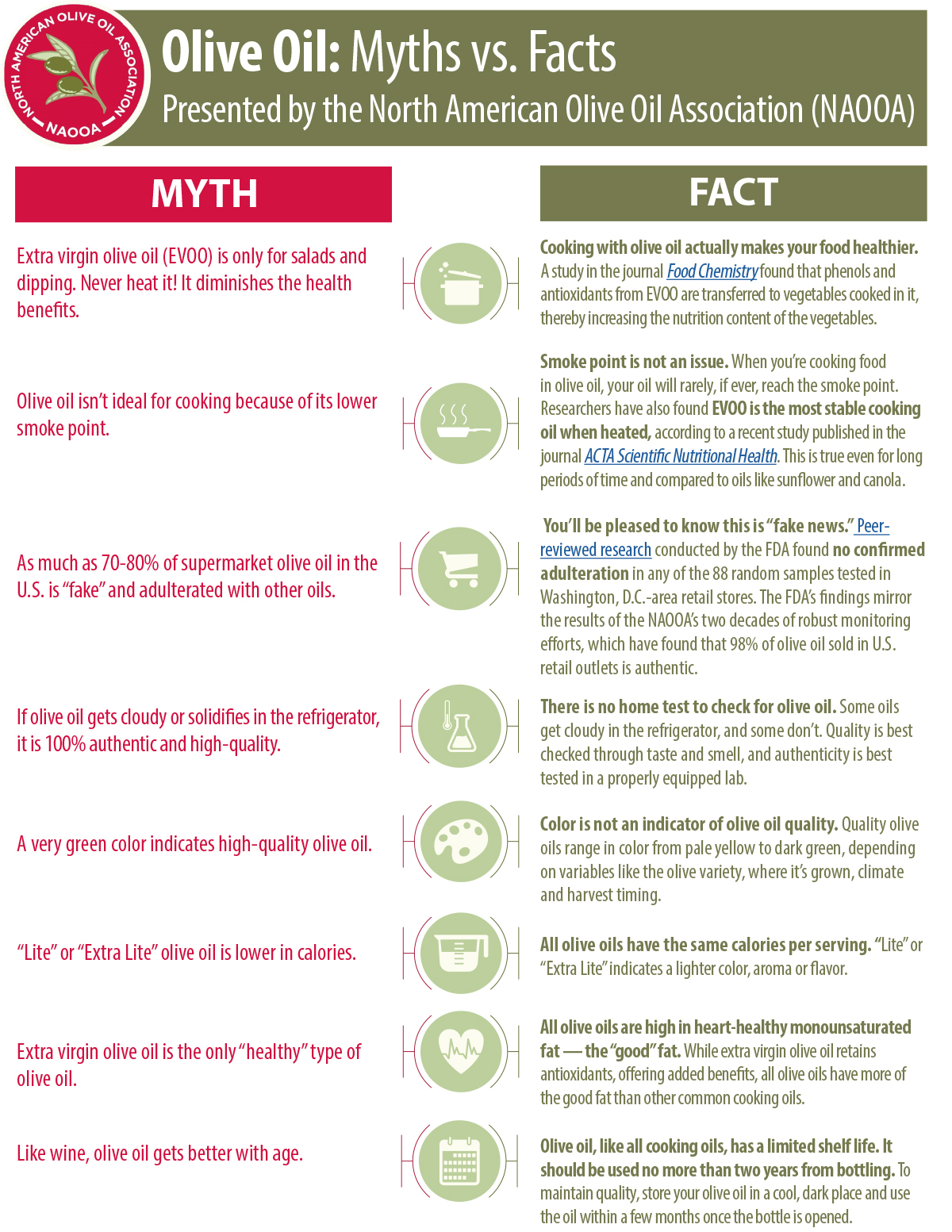
The smoke point is the temperature at which oil begins to smoke. When oil smokes, it can develop unpleasant flavors and unwanted breakdown products. Avoid letting any cooking oil smoke heavily.
Extra virgin olive oil can perform well in normal home cooking. Studies that test cooking oils often find that extra virgin olive oil is fairly stable during heating because of its fatty acid structure and natural antioxidants.
Use these simple tips:
• Heat the pan over medium or medium-high heat
• Add the oil before it begins to smoke
• Lower the heat if the oil smells sharp or burnt
• Do not reuse oil many times
• Keep the oil away from direct sunlight
• Use a refined olive oil when a recipe calls for very high heat
Deep-frying is different from quick sautéing. It uses more oil and longer heat exposure. For occasional frying, choose a suitable oil, control the temperature, and discard oil that becomes dark, foamy, or rancid.
_1681303909.jpg)
How to Cook With Olive Oil Every Day
Using olive oil well is simple. A few habits can improve both flavor and nutrition.
For Sautéing
Warm a pan, then add a small amount of olive oil. Add vegetables, beans, eggs, or lean meat, and cook until done.
Do not flood the pan. One or two teaspoons may be enough for a small serving. You can add a final drizzle after cooking for more fresh flavor.
For Roasting
Toss vegetables with olive oil, herbs, and a little salt. Spread them in a single layer so they roast instead of steam.
Use enough oil to coat the food lightly. Too much oil can make vegetables greasy and add extra calories without improving the taste.
For Salad Dressing
A simple dressing can use:
- Three tablespoons of extra virgin olive oil
- One tablespoon of lemon juice or vinegar
- A small amount of mustard
- Garlic, herbs, pepper, or salt
Shake the mixture in a jar. Taste it before serving and adjust the acid or seasoning.
For Baking
Olive oil can replace butter or other oils in some baked foods. It works especially well in savory breads, fruit cakes, muffins, and quick breads.
Choose a mild oil if you do not want a strong olive flavor. Follow the recipe closely because changing fat can affect texture.
For Finishing
A small drizzle over soup, beans, cooked greens, fish, or pasta can add aroma and richness. Extra virgin olive oil often tastes best when used at the end, where its flavor stays clear.
Common Mistakes to Avoid
The benefits of cooking with olive oil are easier to enjoy when you avoid a few common errors.
• Letting the oil smoke: Smoking signals excessive heat and can ruin flavor.
• Buying more oil than you can use: Old oil loses freshness. Buy a size you will finish within a few months.
• Storing it beside the stove: Heat can shorten its useful life. A cupboard is better.
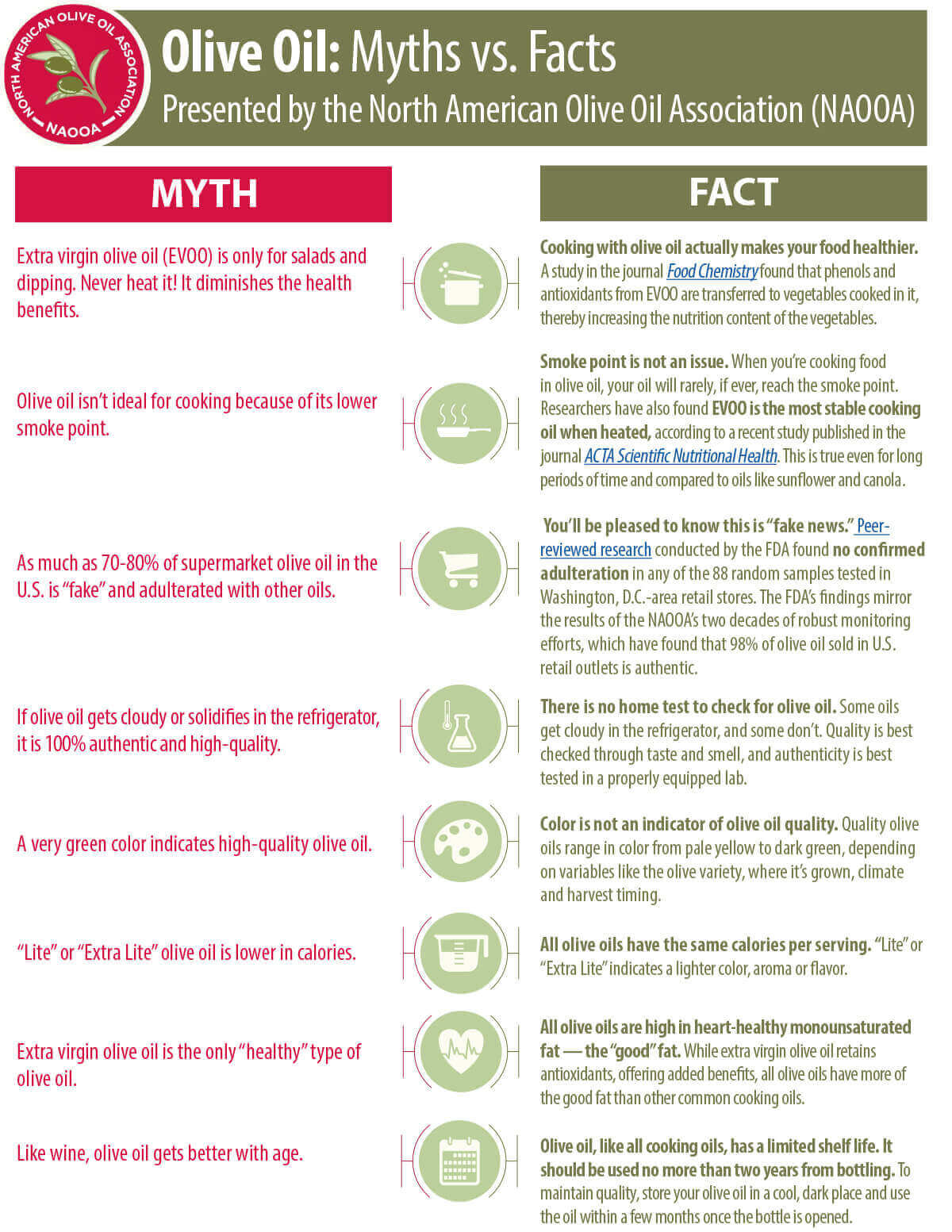
• Treating “light” as low-calorie: Light olive oil still contains about the same calories.
• Using too much: A measuring spoon helps control portions.
• Ignoring the smell: Rancid oil may smell like crayons, stale nuts, or old paint.
• Expecting one food to fix the diet: Olive oil helps most when it replaces less healthy fats.
One lesson I have learned from cooking with olive oil is that small amounts often work best. A teaspoon can coat a pan, while a finishing drizzle can bring life to a bland meal. More oil does not always mean more flavor.
Another useful lesson is to taste as you cook. Some extra virgin oils are peppery and bold. Others are soft and buttery. The best choice depends on the food and your personal taste.
Limitations and Safety Considerations
Olive oil is healthy for many people, but it is not free of calories. If you add it without reducing other fats, your total calorie intake may rise.
People with specific medical needs should follow advice from a qualified health professional. This may include people managing pancreatitis, gallbladder problems, food allergies, or a calorie-restricted diet.
Olive oil quality also varies. A bottle labeled extra virgin should meet specific standards, but freshness and storage still matter. Choose products with a harvest date when possible, and use your senses to check freshness.
Do not use olive oil as a reason to avoid other healthy fats. Avocados, nuts, seeds, and fatty fish provide different nutrients. Variety is often more useful than choosing one “best” food.
The evidence is strongest for replacing saturated fats with unsaturated fats. It is weaker when comparing olive oil with other unsaturated oils in every situation. This distinction keeps the advice accurate and realistic.

A Simple Olive Oil Buying Guide
Use these steps when choosing an olive oil:
- Choose extra virgin olive oil for flavor and natural plant compounds.
- Look for a harvest date or best-before date. Fresher is usually better.
- Pick a dark glass bottle or metal tin.
- Buy a size you can use within a reasonable time.
- Check that the bottle is sealed and stored away from strong heat.
- Select a mild, medium, or robust flavor based on your cooking style.
After opening, keep the bottle tightly closed. A cool cabinet away from the oven is a good storage spot.
You do not need the most expensive bottle for daily cooking. A reliable, fresh oil that tastes good to you is often the best value.
Frequently Asked Questions About the Benefits of Cooking With Olive Oil
Is cooking with olive oil healthier than cooking with butter?
In many cases, olive oil is a better choice because it is higher in monounsaturated fat and lower in saturated fat. Replacing butter with olive oil may support a heart-friendly diet, especially when the rest of the meal is balanced.
Can you fry with olive oil?
Yes, you can use olive oil for pan-frying and many other cooking methods. Keep the temperature controlled, avoid smoking the oil, and do not repeatedly reuse oil.
Does heating olive oil destroy its health benefits?
Heating may reduce some delicate plant compounds, but olive oil can still be a useful cooking fat. Gentle cooking and proper storage help preserve flavor and quality.
Is extra virgin olive oil good for high heat?
Extra virgin olive oil works well for most home cooking, including roasting and sautéing. For extremely high heat or long frying, a refined olive oil may offer a milder flavor and greater heat tolerance.
How much olive oil should you use each day?
There is no single amount for everyone. A practical approach is to use small portions, such as one or two teaspoons for cooking, while considering your total calorie and fat needs.
Can olive oil help with weight loss?
Olive oil may fit into a weight-conscious diet when it replaces higher-calorie foods and portions are measured. It will not cause weight loss by itself because it is still calorie-dense.
How can you tell if olive oil has gone bad?
Fresh olive oil should smell and taste clean, fruity, grassy, or mildly peppery. A stale smell like crayons, old nuts, or paint may indicate rancidity.
Conclusion
The benefits of cooking with olive oil include heart-friendly unsaturated fat, useful plant compounds, flexible cooking performance, and better flavor. Extra virgin olive oil is especially valuable for dressings, finishing, and everyday cooking, while regular olive oil can work well when you want a milder taste.
Use it in place of butter or other fats when it makes sense, measure your portions, and store the bottle away from heat and light. Start with one simple change this week, such as roasting vegetables with olive oil or making a fresh salad dressing. Then explore more healthy cooking ideas and share your favorite olive oil recipe.