
Yes, cooking with olive oil is generally healthy when used in sensible amounts and at suitable cooking temperatures.
The answer to “is cooking with olive oil good for you” depends on the type of olive oil, the heat, and your overall diet. Olive oil is rich in heart-friendly monounsaturated fat and helpful plant compounds, but it is still a calorie-dense food. This guide explains how to use it well, what the research says, and which common mistakes to avoid.
Is cooking with olive oil good for you?
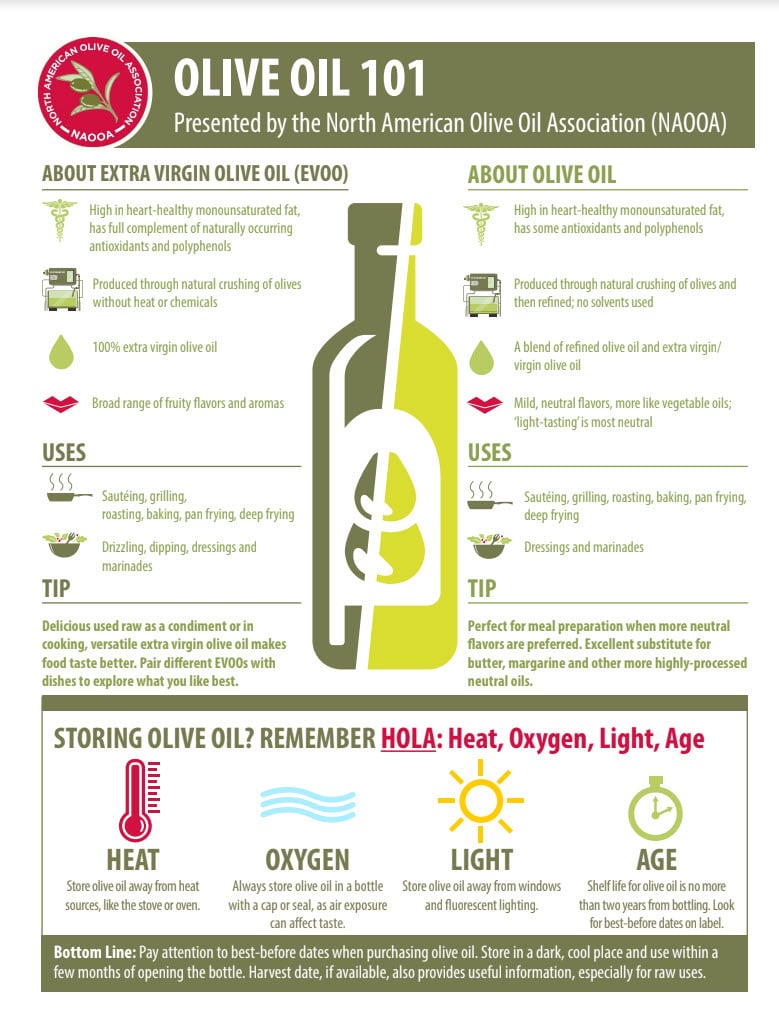
Yes, cooking with olive oil can be good for you. Extra-virgin olive oil contains mostly monounsaturated fat, which can support heart health when it replaces saturated fats such as butter, shortening, and coconut oil.
Olive oil also contains polyphenols. These natural plant compounds have antioxidant and anti-inflammatory effects. Extra-virgin olive oil has more of these compounds because it undergoes less processing than refined olive oil.
The strongest evidence comes from Mediterranean-style eating patterns. These diets use olive oil with vegetables, beans, whole grains, fish, nuts, and fruit. Studies link this pattern with better heart health and a lower risk of several long-term diseases.
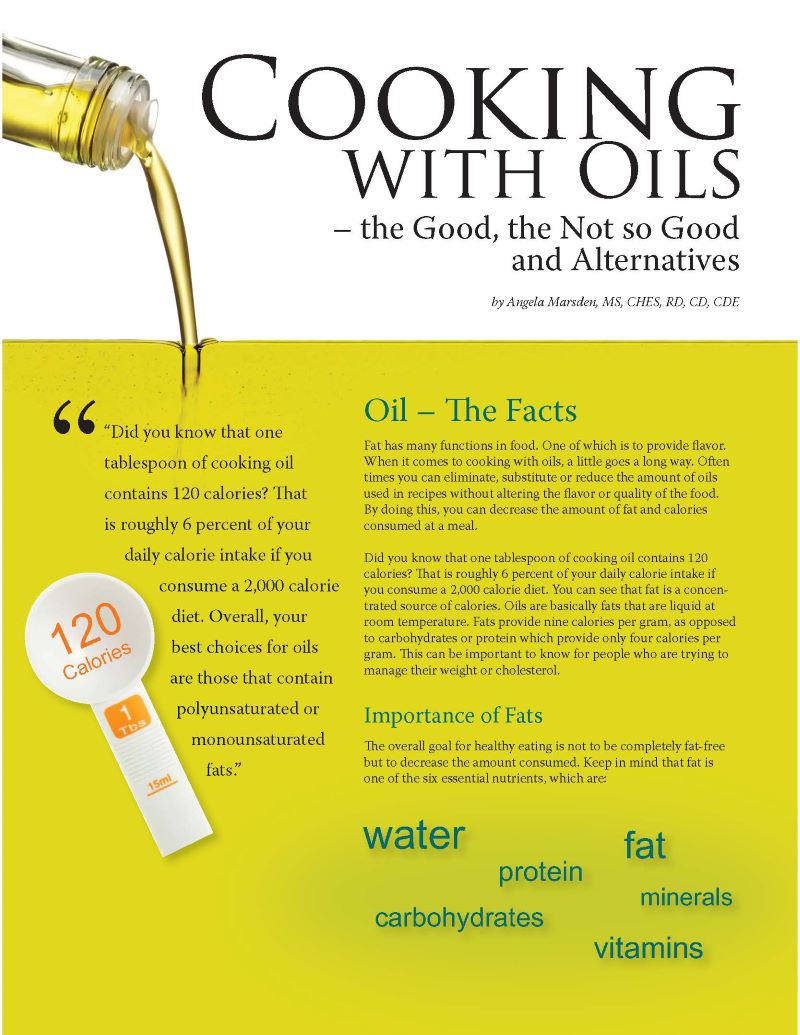
Still, olive oil is not a magic food. One tablespoon has about 120 calories. A heavy pour can add more calories than you expect, especially in salads, pasta, or roasted vegetables.
Health benefits of cooking with olive oil
Cooking with olive oil may offer several benefits. These benefits are most likely when olive oil replaces less healthy fats, rather than simply adding extra calories to your meals.
It supports heart health
Extra-virgin olive oil is high in oleic acid, a monounsaturated fat. Replacing butter or other fats high in saturated fat with olive oil may help improve your cholesterol pattern.
The U.S. Food and Drug Administration allows a qualified health claim that consuming oleic acid from oils such as olive oil may reduce the risk of coronary heart disease when it replaces saturated fat and does not increase total calorie intake.
Olive oil may also help protect LDL cholesterol from oxidation. Oxidized LDL is more likely to contribute to plaque buildup in arteries. However, your full eating pattern matters more than one ingredient.
It provides antioxidants
Fresh extra-virgin olive oil can contain polyphenols, vitamin E, and other antioxidant compounds. These substances help protect cells from oxidative stress.
The amount varies by olive variety, harvest date, storage, and processing. A peppery or slightly bitter taste often signals the presence of phenolic compounds. That flavor may feel strong at first, but it works well with beans, greens, tomatoes, and whole-grain bread.
It may help control inflammation
Long-term, low-level inflammation plays a role in many chronic diseases. Some olive oil compounds may help moderate inflammatory activity.
This does not mean olive oil treats arthritis, diabetes, or another condition. It means olive oil can be part of a food pattern that supports better health over time.
It may help with blood sugar control
Replacing refined carbohydrates or saturated fats with unsaturated fat may support better blood sugar management. Olive oil also pairs well with high-fiber foods such as lentils, vegetables, and whole grains.
For example, a meal of roasted vegetables, chickpeas, and brown rice with a small amount of olive oil offers fiber, protein, and healthy fat. This combination may help you feel full and avoid sharp hunger later.
It may support brain health
Research on Mediterranean-style diets suggests possible benefits for brain function and healthy aging. Olive oil is one part of that pattern.
The evidence is promising but not absolute. Olive oil cannot replace sleep, exercise, medical care, or a balanced diet.
Extra-virgin olive oil versus regular olive oil
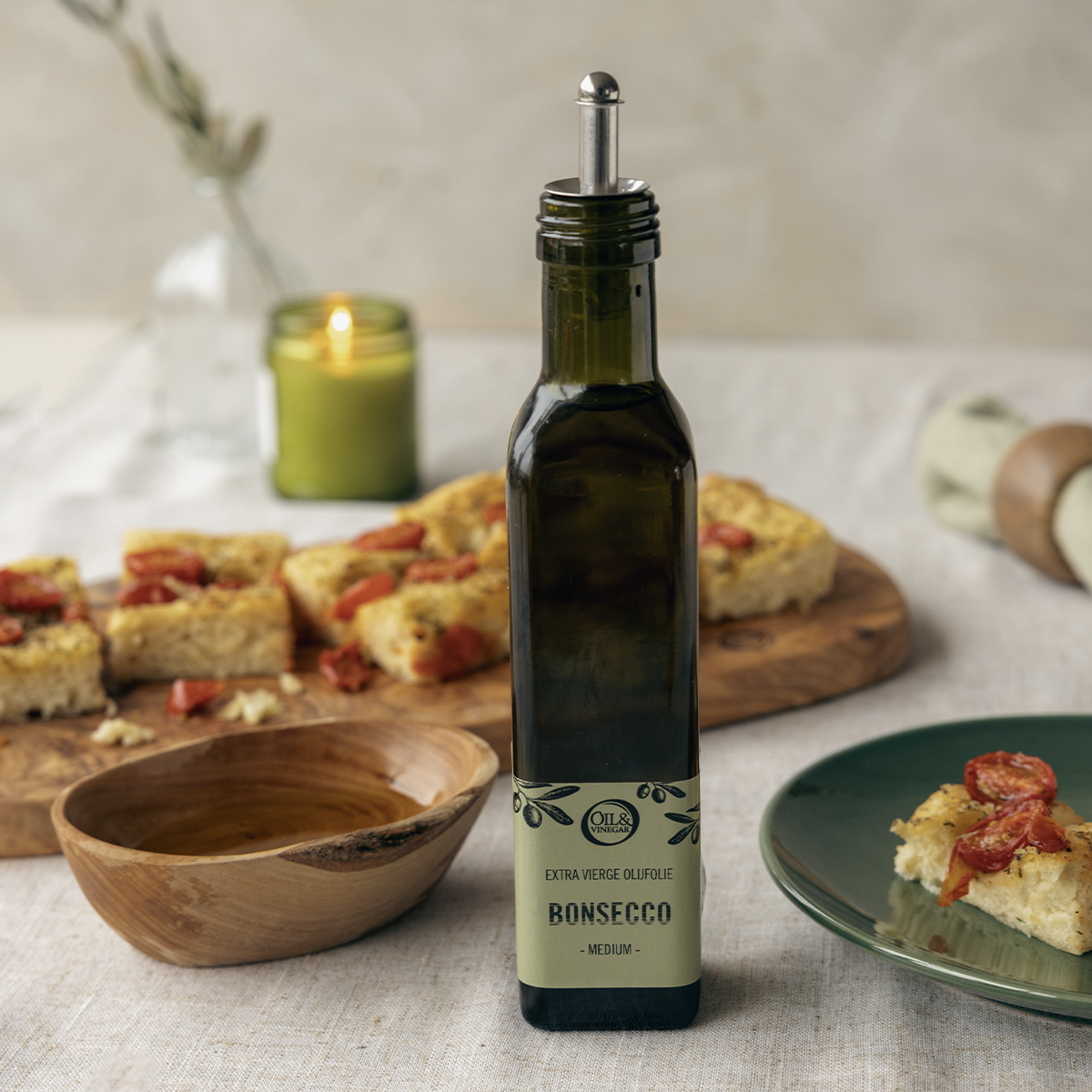
Not all olive oil is the same. The label can help you choose the right product for the job.
Extra-virgin olive oil
Extra-virgin olive oil is made through mechanical methods without chemical refining. It must meet standards for flavor, aroma, and acidity.
It usually has more polyphenols and a stronger taste than refined olive oil. Use it for:
• Salad dressings
• Dipping bread
• Finishing soup
• Roasting vegetables
• Sautéing over medium heat
• Drizzling over beans, fish, or pasta
Virgin olive oil
Virgin olive oil also comes from mechanical extraction, but it may have more flavor defects or a higher acidity level than extra-virgin oil. It can work well for everyday cooking when you want a mild olive flavor.
Refined olive oil
Refined olive oil goes through more processing. It has a lighter color and milder flavor. It may contain fewer natural plant compounds, but it can still provide mostly monounsaturated fat.
Refined olive oil is useful when you want a neutral taste or plan to cook at moderately high heat.
Olive pomace oil
Olive pomace oil comes from the remaining olive material after the first extraction. It is refined and blended with some olive oil. It is not the same as extra-virgin olive oil.
For the most flavor and natural compounds, extra-virgin olive oil is usually the best choice. For neutral cooking, regular or refined olive oil may be practical.
Is olive oil safe for high-heat cooking?
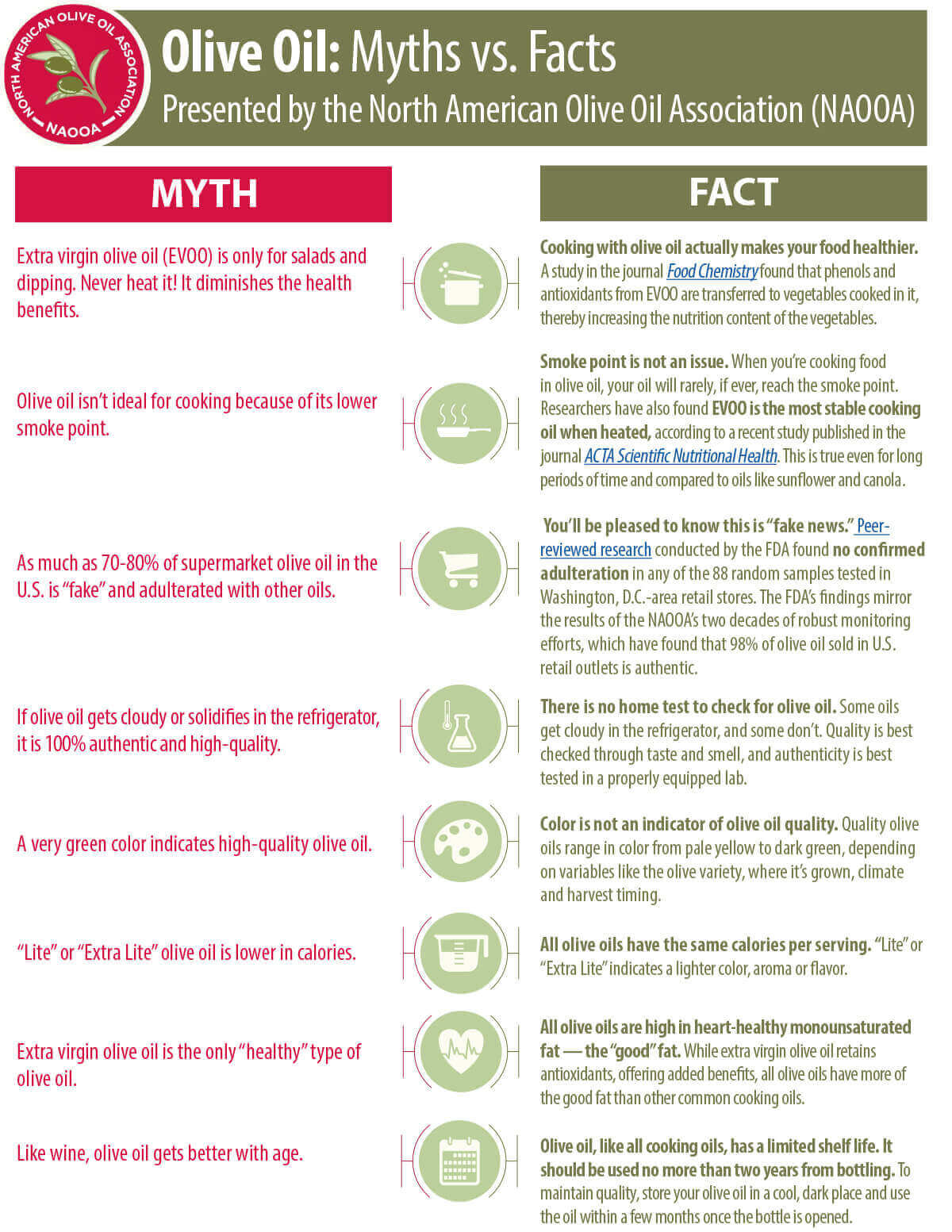
Cooking with olive oil is safe for many everyday methods, including sautéing, roasting, baking, and pan-frying. The key is to avoid letting the oil smoke for a long time.
The smoke point is the temperature at which oil begins to produce visible smoke. Olive oil smoke points vary based on quality, freshness, and processing. Refined olive oil often has a higher smoke point than extra-virgin olive oil.
A smoking pan is a sign that the oil is too hot. Turn down the heat and let the pan cool if needed. Repeatedly overheating any oil can damage its flavor and create unwanted breakdown products.
Best heat levels for olive oil
Use low to medium heat for:
• Garlic
• Onions
• Eggs
• Fish
• Vegetables
• Beans
Use medium to medium-high heat for:
• Roasting vegetables
• Sautéing chicken
• Pan-searing fish
• Baking
For very high-heat searing, choose a refined oil with a neutral flavor if that suits your recipe. Avoid heating oil until it smokes.
A useful kitchen habit is to add olive oil to a warm pan, not a blazing-hot pan. Add the food when the oil looks fluid and shimmers lightly.

Does heating olive oil destroy its health benefits?
Heating olive oil can reduce some delicate compounds, especially polyphenols. The amount lost depends on the temperature, cooking time, and oil quality.
However, heating does not remove all of olive oil’s value. Its monounsaturated fat remains relatively stable during normal cooking. You can also use fresh extra-virgin olive oil after cooking to add flavor and more plant compounds.
Think of olive oil like herbs. Heat may soften some of the bright notes, but it does not make the whole ingredient useless. A practical approach is to use one oil for cooking and a small drizzle of fresh extra-virgin olive oil at the end.
Research has not shown that normal home cooking with olive oil makes it uniquely dangerous. The bigger concern is overheating any fat until it smokes or reusing oil again and again.
How much olive oil should you use?
A healthy amount depends on your calorie needs, activity level, and total diet. Many people do well with one to two tablespoons spread across a meal or day, but there is no single rule for everyone.
Use olive oil to replace another fat, not automatically to add more fat. For example, swap one tablespoon of butter for one tablespoon of olive oil in a vegetable dish.
Helpful portion tips include:
• Measure oil with a teaspoon or tablespoon instead of pouring freely.
• Use a spray bottle for a light coating on a pan.
• Brush vegetables with oil before roasting.
• Mix olive oil with lemon juice or vinegar for a balanced dressing.
• Use a nonstick pan when you need less oil.
A common mistake is treating “healthy” as “unlimited.” Olive oil has beneficial fats, but each tablespoon still provides calories. Portion awareness helps you enjoy it without working against your health goals.

Cooking with olive oil for different methods
Cooking with olive oil works well across many recipes. The best method depends on the food and the flavor you want.
Sautéing
Warm a small amount of olive oil over medium heat. Add vegetables, herbs, tofu, fish, or lean meat when the oil is warm but not smoking.
Keep the food moving if the pan is hot. This helps prevent dark spots and gives the ingredients an even sear.
Roasting
Toss vegetables with olive oil, salt, and spices before roasting. Olive oil helps carry flavor and supports browning.
Use only enough oil to coat the food lightly. Too much oil can make vegetables greasy instead of crisp.
Baking
You can replace some butter with olive oil in muffins, quick breads, and savory baked dishes. Extra-virgin olive oil may add a fruity taste, while refined olive oil has a more neutral flavor.
This swap changes texture, so start with recipes designed for olive oil or replace only part of the butter.
Salad dressing
A simple dressing can include three parts olive oil, one part vinegar or lemon juice, plus mustard, herbs, and a little salt. Shake it in a jar and taste before adding more oil.
This method keeps the olive oil unheated, which helps preserve its fresh flavor and some heat-sensitive compounds.
Finishing
A teaspoon of extra-virgin olive oil over soup, hummus, cooked greens, or grilled fish can add richness without requiring a large amount.
This is one of the easiest ways to make simple food taste special.
Possible drawbacks and safety concerns
Olive oil is healthy for many people, but it has limits.
First, it is calorie-dense. Large amounts can contribute to weight gain if they push your total calorie intake above your needs.
Second, olive oil may cause digestive discomfort in some people, especially in large amounts. People with certain gallbladder or digestive conditions should follow advice from a qualified health professional.
Third, olive oil can go rancid. Rancid oil may smell like crayons, stale nuts, or old paint. It may taste flat, bitter, or unpleasant.
Protect your oil by:
• Buying bottles with dark glass or metal containers
• Storing them in a cool, dark cabinet
• Keeping the cap tightly closed
• Avoiding storage near the stove
• Buying a size you can use within a few months
Do not rely only on the “best by” date. Taste and smell are useful guides. Fresh olive oil should smell clean, fruity, grassy, or mildly peppery.
_1681303909.jpg)
How to choose a quality olive oil
Look for extra-virgin olive oil with a harvest date when possible. A harvest date gives you more information than a distant expiration date.
Choose a dark bottle or tin. Light, heat, and air can reduce quality over time.
You can also look for certification seals from recognized olive oil testing groups. These seals are not perfect, but they may offer extra quality checks.
Price alone does not prove quality. A moderately priced bottle from a trusted producer may be fresher and better than an expensive bottle that has sat in a warm store for too long.
At home, taste a small drop. Good extra-virgin olive oil may taste fruity, grassy, bitter, or peppery. A cough or tickle in the throat can occur with oils rich in phenolic compounds.
Practical lessons from everyday cooking
One lesson I often share with home cooks is to stop measuring olive oil by instinct alone. A quick pour can become two or three tablespoons before you notice. Measuring for a week can teach you what your usual portions really look like.
Another useful lesson is to match the oil to the dish. I use flavorful extra-virgin olive oil when I want the oil to stand out, such as on tomatoes or white beans. I choose a milder oil when I do not want it to compete with delicate foods.
I also avoid heating olive oil in an empty pan for too long. Adding the food soon after the oil warms protects the flavor and reduces the chance of smoking.
A simple routine works well:
-
Choose extra-virgin olive oil for dressings and finishing.
-
Use it for low and medium-heat cooking.
-
Measure portions when calories matter.
-
Replace butter or shortening instead of adding extra oil.
-
Store the bottle away from light and heat.
-
Discard oil that smells stale or rancid.
These small choices make cooking with olive oil easier, safer, and more enjoyable.
Frequently Asked Questions About Cooking With Olive Oil
Is cooking with olive oil good for your heart?
Yes, especially when olive oil replaces butter, shortening, or other fats high in saturated fat. Its monounsaturated fat may support a healthier cholesterol pattern as part of a balanced diet.
Can you fry with olive oil?
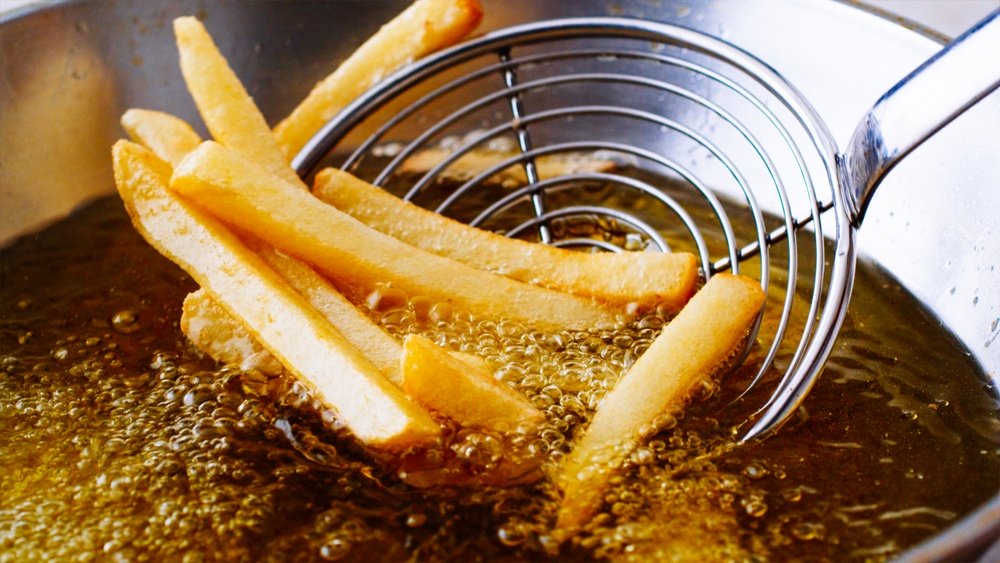
You can use olive oil for pan-frying and shallow frying when the temperature is controlled. Do not let the oil smoke, and avoid repeatedly heating and reusing the same oil.
Is extra-virgin olive oil better than regular olive oil?
Extra-virgin olive oil usually has more natural antioxidants and a stronger flavor. Regular or refined olive oil may be useful for milder flavor and higher-heat cooking.
Does cooking olive oil make it toxic?
Normal home cooking does not make olive oil uniquely toxic. The main concern is overheating any oil until it smokes or repeatedly reusing oil for long periods.
Is olive oil good for weight loss?
Olive oil can fit into a weight-loss diet because it helps add flavor and may improve satisfaction. However, it is high in calories, so portion size and total calorie intake still matter.
How should you store olive oil?
Store olive oil in a tightly closed, dark container in a cool cabinet. Keep it away from sunlight, heat, and the stove to protect its flavor and quality.
Conclusion
Cooking with olive oil is generally a healthy choice, especially when it replaces butter or other fats high in saturated fat. Extra-virgin olive oil provides monounsaturated fat and natural plant compounds, while regular olive oil offers a mild option for everyday cooking.
Use olive oil at low to medium heat, avoid smoking the pan, measure portions, and store the bottle away from light and heat. Start with one simple change today, such as dressing your vegetables with olive oil instead of butter, and explore more heart-friendly cooking ideas as you go.