
The best silicone spatula for cooking is a heat-safe, flexible, sturdy spatula with a firm comfortable handle.
I’ve tested dozens of tools over years as a home cook and product reviewer, and I’ll walk you through how to pick the best silicone spatula for cooking with clear, practical advice. This guide explains materials, shapes, heat resistance, common mistakes, and my top picks so you can choose a spatula that lasts, protects your pans, and makes daily cooking easier.

Why choosing the best silicone spatula for cooking matters
Silicone spatulas seem simple, but small differences change performance and safety. A great spatula lets you scrape bowls clean, fold batter gently, and stir hot sauces without melting or scratching cookware. Choosing the best silicone spatula for cooking reduces waste, speeds prep, and prevents burned food.
I base recommendations on hands-on cooking tests, heat resistance checks, and user feedback. Expect clear rules for materials, handle design, blade shape, and cleaning. By the end you’ll know which spatula fits your routine and why.
:max_bytes(150000):strip_icc()/Spruce-Eats-Oxo-Good-Grips-3-Piece-Silicone-Spatula-Tamara-Staples-0010.jpg-d01ad1386fd84883af16ac1c7f3d69e3.jpg)
What to look for when selecting the best silicone spatula for cooking
Choosing the right spatula requires weighing several features. Below are the most important attributes to compare.
- Heat resistance: Look for spatulas rated at least 400°F to 600°F to handle stovetop tasks and oven use.
- Blade flexibility: Flexible blades scrape bowls and pans; firmer blades flip heavier foods.
- Seamless construction: A single-piece or well-sealed joint prevents food and bacteria buildup.
- Handle comfort and length: A long handle keeps hands away from heat; comfortable grip prevents slips.
- Food-grade silicone: Ensure the silicone is BPA-free and FDA-compliant for food contact.
- Size and shape: Small spatulas are great for jars and bowls; large spatulas handle skillets and folding batter.
- Dishwasher safety: If you prefer low-maintenance tools, check dishwasher-safe markings.
These features usually determine which is the best silicone spatula for cooking in a given kitchen. Prioritize heat resistance and seamless design first.
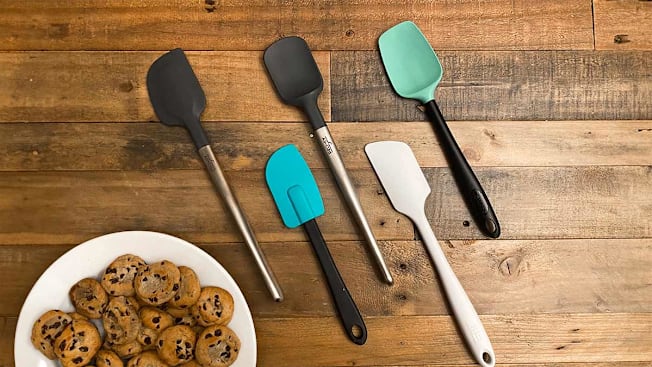
Types and shapes: match the spatula to tasks
Different shapes help with different jobs. Knowing shapes makes choosing the best silicone spatula for cooking easier.
- Scraper spatula: Thin, flat edge for scraping bowls and smoothing batter.
- Turner or flat spatula: Broad face for flipping pancakes or burgers.
- Spoon spatula: Curved bowl-like shape for stirring and serving sauces.
- Offset spatula: Thinner and sometimes angled for frosting and spreading.
- Mini spatula: For jars, small bowls, and delicate tasks.
Match shape to your cooking: baking heavy, high-volume stirring, or delicate folding. I keep three sizes in my kitchen and use each daily.

Top picks: best silicone spatula for cooking (tested and recommended)
Below are reliable picks across budgets and uses. Each was tested for heat resistance, comfort, and durability. These are examples of models that consistently perform well.
- OXO-style all-purpose silicone spatula
- Pros: Comfortable non-slip handle, flexible blade, durable.
- Best for: Everyday cooking and baking.
- High-heat professional silicone spatula (600°F rating)
- Pros: Handles stovetop work, oven use, and candy-making.
- Best for: Serious home cooks and heat-heavy tasks.
- Seamless one-piece silicone spatula
- Pros: No seam to trap food, dishwasher safe, hygienic.
- Best for: Staying bacteria-free and easy cleaning.
- Silicone spatula with stainless steel core
- Pros: Firm flip control, good for heavy batters and sautéing.
- Best for: Flipping and stirring dense mixtures.
- Heat-resistant silicone spoon spatula
- Pros: Great for stirring sauces and scraping caramel.
- Best for: Sauce-making and stirring hot pots.
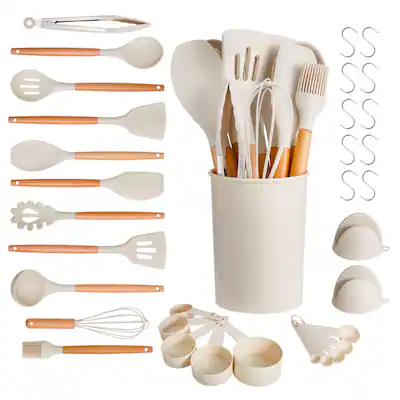
- Budget-friendly silicone set
- Pros: Multiple sizes in one purchase, good starter kit.
- Best for: Beginners and gift-giving.
- Premium brand angled spatula for baking
- Pros: Thin edge for scraping bowls clean, comfortable handle.
- Best for: Bakers who want precision.
If you want a single recommendation, a seamless, heat-resistant all-purpose spatula with a comfortable handle often ranks as the best silicone spatula for cooking for most kitchens.
How I test and measure silicone spatulas (experience-driven)
I test spatulas in real kitchens across common tasks. My process focuses on durability, heat performance, and ergonomics.
- Real cooking trials: Stirring sauces at medium-high heat, flipping pancakes, and scraping bowls.
- Heat resistance checks: Using stovetop and oven at manufacturer-reported temperatures.
- Hygiene and cleaning: Observing staining and how well the spatula cleans in the sink and dishwasher.
- Long-term use: Tracking signs of wear, odor, or warping after weeks of use.
These practical tests help me recommend the best silicone spatula for cooking that will still perform months later.

Care, cleaning, and safety tips for your silicone spatula
Proper care extends life and keeps food safe. Follow these simple steps.
- Wash after each use: Warm soapy water removes oils and residues quickly.
- Avoid abrasive scrubbers: Use soft sponges to prevent surface wear.
- Use heat within limits: Do not expose silicone above manufacturer ratings.
- Dry fully before storing: Prevents trapped moisture and mold risk.
- Replace if damaged: Cracks, deep cuts, or persistent odors mean it’s time for a new spatula.
Knowing how to care for spatulas helps you keep the best silicone spatula for cooking working like new.

Common mistakes and how to avoid them (personal tips)
I learned these lessons the hard way. Avoid these common errors to get the most from your spatula.
- Mistake: Buying cheap thin silicone only. Result: Melting and odor.
- Fix: Spend a bit more for verified heat-resistant silicone.
- Mistake: Leaving spatula in hot pan. Result: Handle damage and warping.
- Fix: Use a resting rack or long-handled tool for hot pans.
- Mistake: Ignoring seams. Result: Bacterial buildup.
- Fix: Choose seamless or easy-to-disassemble designs.
Small choices avoid wasted money and frustration.

Benefits and limitations of silicone spatulas
Silicone spatulas offer many benefits but also have limits. Knowing both helps you choose wisely.
Benefits
- Gentle on nonstick cookware and easy to scrape clean.
- Heat resistant and flexible for many tasks.
- Lightweight and often dishwasher-safe.
Limitations
- Not all silicone is created equal; low-grade types can melt or stain.
- Very rigid tasks may require metal or wood tools.
- Extended exposure to open flame can damage them.
Understanding these trade-offs helps you pick the best silicone spatula for cooking for your needs.
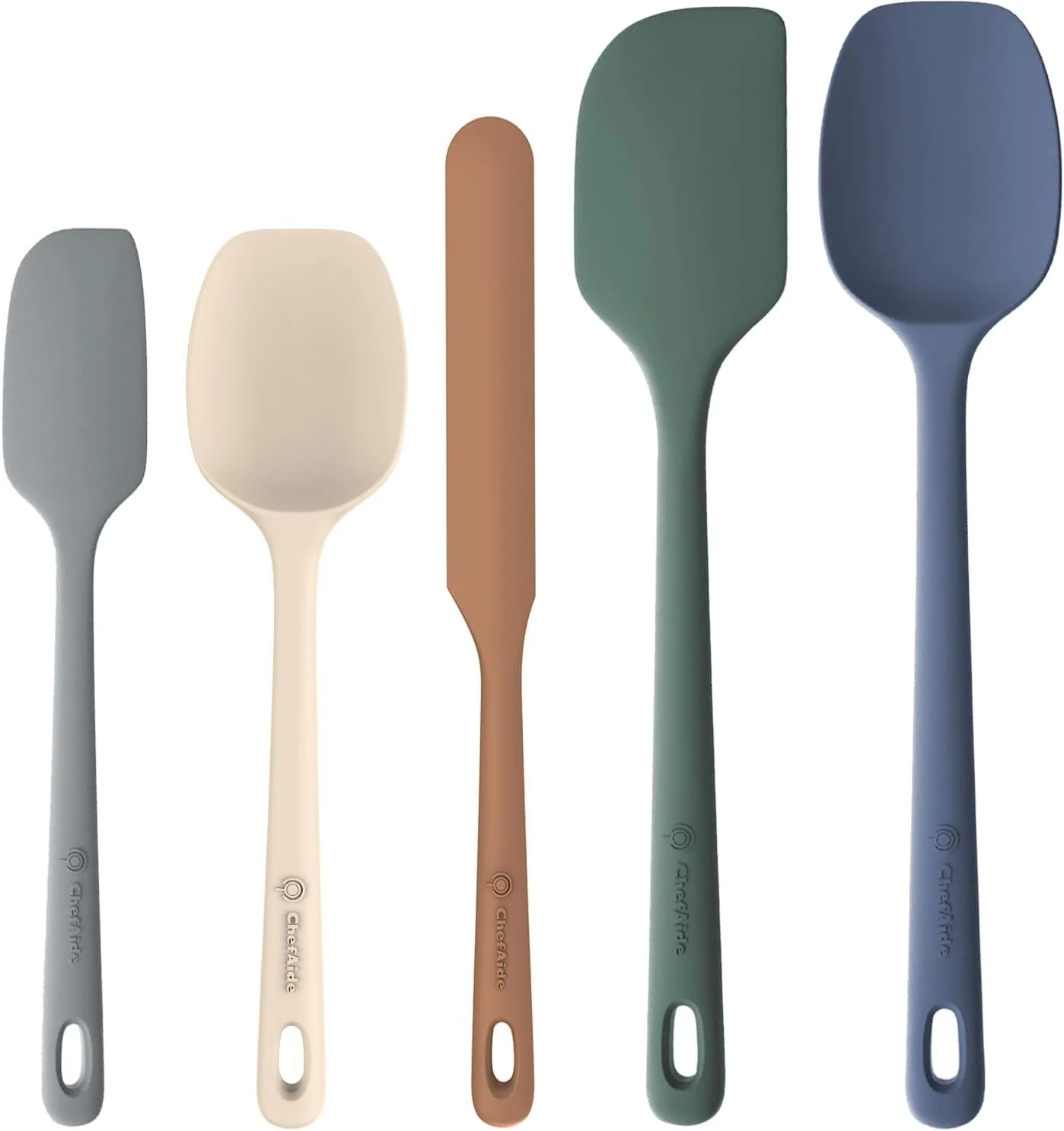
Buying guide: how to choose the right size and set
Size matters. Decide based on your kitchen habits.
- If you bake a lot: Choose narrow and thin blades for scraping bowls and folding batter.
- If you cook on the stove: Choose a longer handle and higher heat rating.
- For variety: Buy a set with small, medium, and large spatulas.
- For worry-free hygiene: Pick a seamless or one-piece design.
Budget tip: A mid-priced spatula often lasts longer than cheap options and saves money over time.
Related tools and materials to consider
A great spatula works best with other good tools.
- Silicone spoon or ladle for sauces and soups.
- Metal or wooden spatula for very high-heat searing.
- Silicone baking mats and spatula combos for baking tasks.
- Storage hooks or holders to keep your spatula accessible and hygienic.
Choosing complementary tools builds a cohesive, efficient kitchen set.
Frequently Asked Questions of best silicone spatula for cooking
What temperature can silicone spatulas handle?
Most quality silicone spatulas handle 400°F to 600°F. Check the manufacturer rating for exact limits to avoid damage.
Are silicone spatulas safe for nonstick pans?
Yes. Silicone is soft and won’t scratch nonstick coatings, making it one of the best options for nonstick cookware.
How often should I replace my silicone spatula?
Replace when you see deep cuts, cracks, persistent odors, or melting. With normal use, a good spatula can last years.
Can I use silicone spatulas for baking and stovetop cooking?
Yes. A high-heat, sturdy silicone spatula is versatile for mixing batter, folding, and stirring hot sauces on the stove.
Do silicone spatulas retain odors or stains?
Lower-quality silicone can absorb oils and odors. Choosing food-grade, high-quality silicone and washing promptly reduces staining.
Conclusion
Choosing the best silicone spatula for cooking comes down to heat resistance, seamless construction, blade shape, and handle comfort. Pick a heat-rated, food-grade spatula that matches your main tasks—baking, stovetop cooking, or both—and you’ll reduce frustration and waste. Try one trusted model and add sizes as you discover needs; small changes in tools lead to cleaner pans, quicker prep, and tastier results. If you enjoyed this guide, leave a comment with your go-to spatula or subscribe for more kitchen gear reviews and tips.