
The best stand mixer for buttercream should offer steady speed control, a strong beater, and enough bowl space.
If you have ever held a hand mixer over a bowl of buttercream, you know the struggle. Your arm gets tired, the beaters splash sugar, and the frosting may stay lumpy. A good stand mixer solves that mess by keeping a steady pace while you add butter, sugar, cream, and flavor. I reviewed these popular models for bowl size, speed control, attachments, ease of use, and everyday value. My goal is simple: help you find the best stand mixer for buttercream without wasting money or counter space.
Martha Stewart 5.3-Quart Tilt-Head Mixer

This Martha Stewart stand mixer gives home bakers a useful 5.3-quart bowl and 12 speed settings. That combination matters when making buttercream because the mixer needs a slow start for powdered sugar and a faster finish for a light, smooth texture. The tilt-head design also makes it easy to add ingredients and change the beater. For most family kitchens, the bowl offers a nice middle ground between compact size and useful capacity.
I like this model for bakers who want fine control without moving into a very large commercial-style mixer. The stainless steel bowl should resist stains and odors from ingredients such as vanilla, cocoa, and food coloring. Its classic layout feels familiar, so new users can learn the controls quickly. As with any mixer, keep the speed low when adding sugar to reduce the white cloud that often covers the counter.
Pros:
- Large 5.3-quart bowl for batches of frosting
- 12 speed settings provide careful control
- Tilt-head design gives better access to the bowl
- Stainless steel bowl is easy to clean
- Useful for buttercream, cake batter, and whipped cream
- Good size for regular family baking
Cons:
- It may take more counter space than a small mixer
- A tilt-head mixer can move slightly with very stiff dough
- The many speed settings may feel less simple to first-time users
My Recommendation
This Martha Stewart model suits home bakers who make cupcakes, birthday cakes, and layered desserts often. The 12 speeds help you mix buttercream gently at first, then whip it with more air near the end. I would choose it for someone who wants the best stand mixer for buttercream with a larger bowl and more speed choices. It offers strong everyday value when you want one machine for frosting and general baking.
Martha Stewart 5.3-Quart Mixer for Home Baking
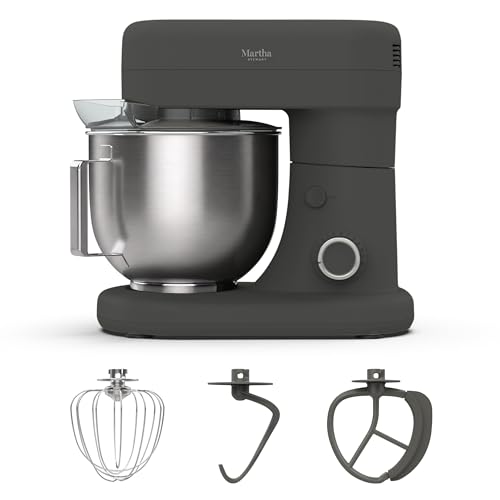
This second Martha Stewart listing offers the same helpful 5.3-quart format and 12-speed control. That makes it a practical pick for buttercream recipes that need more than one mixing stage. You can start slowly while adding confectioners’ sugar, pause to scrape the bowl, and then raise the speed to build a creamy finish. The tilt head keeps the bowl open and easy to reach.
A mixer like this works well when you bake in larger batches but do not want a huge appliance. It has enough room for a full cake project, yet it still fits the needs of a typical home baker. I also like the stainless steel bowl for recipes with butter and food dye because it does not hold flavor as plastic can. Check the exact color and included parts on the Amazon page before ordering, since listings may vary.
Pros:
- 5.3-quart capacity handles medium to large frosting batches
- 12 speeds support slow mixing and fast whipping
- Tilt head makes ingredient changes simple
- Stainless steel bowl cleans up quickly
- Works for frosting, cookies, cakes, and meringue
- Useful choice for frequent home baking
Cons:
- It may be too large for a very small kitchen
- The bowl may need occasional scraping during thick frosting
- It is not the lightest option for moving between cabinets
My Recommendation
I recommend this version to home bakers who want a roomy bowl and clear speed control. It is especially useful for anyone who makes buttercream for parties, school events, or small orders. If you want the best stand mixer for buttercream and also need one machine for cookies and cakes, this model gives you a balanced setup. It is a sensible option for buyers who prefer a full-size mixer without paying for a professional bakery unit.
Kitchen in the box 3.2-Quart Compact Mixer
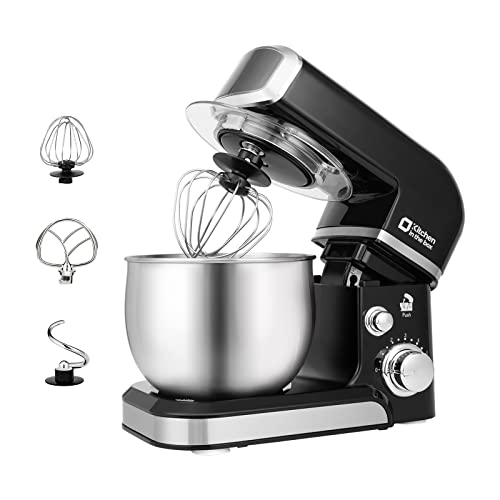
The Kitchen in the box mixer takes a smaller approach with a 3.2-quart bowl and six speeds. Its compact footprint can help apartment cooks, students, and casual bakers save counter space. The included whisk, dough hook, and flat beater cover the basic jobs most people expect from a stand mixer. For a small bowl of buttercream, this machine can be more convenient than a large, heavy mixer.
A 3.2-quart bowl works best for small cakes, cupcakes, cookies, and small frosting batches. I would not choose it for several large layer cakes at once, but it can handle the daily jobs that fill most small kitchens. The lightweight body also makes storage easier when you do not bake every week. Start on a low speed, pause to scrape the sides, and avoid filling the bowl too high for the smoothest result.
Pros:
- Compact design suits apartments and small counters
- Lightweight body is easier to store and move
- Six speeds cover basic mixing needs
- Includes whisk, dough hook, and flat beater
- Good fit for small buttercream batches
- Often more approachable for casual bakers
Cons:
- 3.2-quart capacity limits large recipes
- Six speeds offer less fine control than 12-speed models
- Small batches may need more bowl scraping
- It may not be ideal for heavy dough or frequent big-batch work
My Recommendation
This compact mixer is best for students, apartment residents, and occasional bakers. Choose it if you usually frost one small cake or a tray of cupcakes rather than several large cakes. It may be the best stand mixer for buttercream when storage space and price matter more than batch size. Its included tools add value, and its light design makes it easy to put away after use.
Martha Stewart 5.3-Quart Mixer With 12 Speeds

This Martha Stewart model combines a 5.3-quart stainless steel bowl with 12 speeds. For buttercream, that range can make each step feel more controlled. Low speed helps blend powdered sugar into softened butter, while higher speed can add air after the mixture comes together. The tilt-head design also gives you a clear view when you need to scrape the bowl or check the texture.
I see this model as a strong all-purpose choice for a busy home kitchen. It has enough capacity for a normal cake project, and the stainless steel bowl handles repeated use well. A mixer cannot fix cold butter or an incorrect recipe, so ingredient temperature still matters. When the butter feels soft but not oily, this machine should have an easier path to smooth frosting.
Pros:
- 12 speeds allow gradual and controlled mixing
- 5.3-quart bowl supports family-size baking
- Tilt head improves access to ingredients
- Stainless steel construction is practical for daily use
- Suitable for buttercream and many other recipes
- Roomy bowl reduces the chance of sugar overflow
Cons:
- The full-size design needs a permanent storage spot
- Thick frosting may still need a bowl scrape
- Buyers should confirm the exact listing contents before purchase
My Recommendation
I would point regular home bakers toward this model when they want a capable mixer for frosting, cake batter, and cookie dough. It is a good match for people who value several speed steps and a medium-large bowl. For many kitchens, it can serve as the best stand mixer for buttercream because it balances control, capacity, and everyday flexibility. Confirm current price and availability before buying, as online listings can change.
Hamilton Beach 4-Quart Seven-Speed Mixer

The Hamilton Beach stand mixer offers a 4-quart bowl and seven speeds. That size works well for everyday cakes, cookies, whipped cream, and moderate frosting batches. Seven speeds give you more flexibility than a basic hand mixer while keeping the control panel simple. For a baker who wants a familiar, no-fuss appliance, this format has a lot of appeal.
The 4-quart capacity sits between the compact Kitchen in the box model and the larger Martha Stewart choices. It can fit a normal batch of buttercream without taking over the kitchen. I would use the low setting while adding dry ingredients, then increase the speed once the frosting looks smooth. As always, do not force the motor with an overfilled bowl or very cold butter.
Pros:
- 4-quart bowl suits common household recipes
- Seven speeds provide simple but useful control
- Good middle size for regular home baking
- Easy choice for cakes, frosting, and cookies
- Less bulky than many larger stand mixers
- Simple controls suit new users
Cons:
- It offers fewer speed settings than the Martha Stewart models
- It may feel limited for several large cake batches
- Thick mixtures can require pauses and bowl scraping
My Recommendation
This Hamilton Beach mixer is best for beginners and families who want a medium-size machine. It gives you more hands-free power than a hand mixer without the bulk of a large professional model. If you want the best stand mixer for buttercream on a normal household scale, it deserves a close look. It is also a reasonable value choice for buyers who prefer simple controls over a long list of settings.
How I Choose the Best Stand Mixer for Buttercream
Buttercream looks simple, but its texture depends on several small details. The mixer must blend fat and sugar without leaving dry pockets. It must also whip air into the frosting without overheating the mixture. I judge a stand mixer by how well its bowl, beater, speed range, and motor work together.
I also consider the person using the mixer. A professional cake maker may need a large bowl and a strong motor. A student may need a small mixer that fits in a cabinet. The best stand mixer for buttercream is not the same for every kitchen.
Bowl Size Matters
A bowl that is too small can make powdered sugar spill over the rim. A bowl that is too large may leave a tiny batch of frosting under the beater. For one cake, a bowl around four quarts often feels practical. A 5.3-quart bowl gives more room for big batches and reduces mess during mixing.
The 3.2-quart Kitchen in the box model suits small jobs. The Hamilton Beach 4-quart model fits many standard recipes. The Martha Stewart models provide the most space in this group. Think about how much frosting you make at one time, not just how large the bowl looks in a product photo.
Speed Control Is Key
Good buttercream needs more than one speed. Start slowly so the sugar does not fly from the bowl. Move to a medium speed to combine the ingredients. Use a higher speed for a short time when you want a lighter texture.
More speeds do not always mean a better mixer, but they can make control easier. The Martha Stewart models offer 12 settings. The Hamilton Beach model has seven. The Kitchen in the box mixer has six, which can still work well for small recipes.
The Right Beater for Frosting
The flat beater is usually the best tool for American buttercream. It presses the butter against the bowl and helps blend in sugar. A whisk can add air at the end, but it may not mix thick buttercream as evenly at the start. A dough hook is useful for bread, not for most frosting recipes.
Before buying, check which attachments come with the listing. Product bundles can vary. Also check if the parts are dishwasher safe, but follow the care instructions because not every finish handles a dishwasher well.
Tilt-Head Versus Bowl-Lift Design
All five mixers reviewed here use a style that gives access to the bowl, but tilt-head designs are especially easy for home use. You can lift the mixer head, add ingredients, and remove the beater with less effort. This helps when you need to scrape the sides during buttercream mixing.
A bowl-lift mixer can feel more stable with very heavy dough. Yet it may take more space and feel less convenient for quick frosting jobs. For most home bakers, a tilt-head mixer offers a friendly mix of access and ease.
How to Make Smooth Buttercream in a Stand Mixer
Start with butter that feels soft when pressed but does not look melted. Cold butter can leave small lumps. Melted butter can make the frosting loose and greasy. Let the butter sit at room temperature until it reaches the right texture.
Place the butter in the bowl and use the flat beater. Mix on a low or medium-low setting first. Then raise the speed for a few minutes until the butter looks pale and smooth. This first step builds the base of the frosting.
Add powdered sugar in small amounts. Keep the mixer on low while each addition goes into the bowl. This simple habit protects your clothes, your counter, and your patience. Stop the mixer and scrape the sides when needed.
Add a small amount of milk, cream, or flavoring. Vanilla works well for a classic frosting. A pinch of salt can balance a very sweet recipe. Mix on medium speed, then use a faster setting for a short final whip.
If the buttercream feels stiff, add liquid one teaspoon at a time. If it feels thin, add a little more powdered sugar. Do not add a large amount at once. Small changes give you better control.
Common Buttercream Problems and Easy Fixes
Lumpy Frosting
Lumps often come from cold butter or sugar that did not blend well. Stop the mixer and press the butter against the bowl with the flat beater. Let the mixture rest for a few minutes if the butter is too firm. Then mix again at medium speed.
Runny Frosting
Runny buttercream may contain too much liquid or warm butter. Chill the bowl for a short time, then mix again. Add powdered sugar in small amounts if the frosting still needs body. A stand mixer helps, but it cannot replace correct ingredient ratios.
Dry or Crumbly Frosting
Dry frosting needs a little moisture. Add milk or cream one teaspoon at a time. Mix after each addition. This slow method prevents the frosting from changing too quickly.
Grainy Frosting
Grainy texture may come from sugar that has not dissolved into the butter. Keep mixing on medium speed and scrape the bowl. Some frosting styles need a different method, such as a cooked meringue base, so the recipe itself also matters.
Too Much Air
Whipping adds a soft, fluffy feel, but too much air can create bubbles. Mix at a lower speed near the end. Press the finished buttercream against the bowl with a spatula to remove large air pockets before piping.
Stand Mixer Features That Matter Less Than You Think
A bright color can make a mixer look attractive, but color does not improve buttercream. A huge number of attachments may also sound useful, but many people use only the flat beater, whisk, and bowl. I focus first on capacity, control, stability, and ease of cleaning.
A very high wattage number does not tell the whole story. Motor design, gearing, load, and bowl shape also affect performance. Be careful with claims that promise perfect results for every dough and frosting. Real-world results depend on the recipe, ingredient temperature, and batch size.
Built-in splash guards can help, but you can still avoid most mess by starting on low. A dishwasher-safe bowl sounds convenient, yet a stainless steel bowl often washes quickly by hand. The simplest feature is sometimes the one you use most.
Which Mixer Size Should You Buy?
Choose a compact 3.2-quart mixer if you make small amounts and have limited storage. It suits one or two people and works well for small cupcake batches. It may struggle with a large holiday baking session.
Choose a 4-quart mixer if you want a middle option. This size can handle many daily recipes without feeling too large. It makes sense for families and new bakers who want room to grow.
Choose a 5.3-quart mixer if you make larger batches or frost more than one cake at a time. The larger bowl gives your ingredients more room to move. It also reduces the chance of powdered sugar spilling during the first mixing stage.
Best Uses for Each Mixer
The Kitchen in the box mixer is the easiest choice for small kitchens and light baking. The Hamilton Beach model is a strong middle-ground choice for beginners. The Martha Stewart mixers are better suited to frequent bakers who want more speed control and extra bowl space.
For buttercream alone, every model can be useful when you match the batch to the bowl. For broad baking use, the larger Martha Stewart options have more room. For storage, the compact Kitchen in the box model has the clear advantage.
| Best for | Why |
|---|---|
| Large buttercream batches | The 5.3-quart Martha Stewart mixers offer more bowl space and 12 speeds. |
| Small kitchens | The 3.2-quart Kitchen in the box model is compact and light. |
| Everyday family baking | The 4-quart Hamilton Beach model offers a useful balance of size and control. |
Care Tips for Better Mixer Performance
Unplug the mixer before removing attachments or cleaning near the head. Wipe the body with a soft, damp cloth. Avoid soaking the main motor housing. Dry the bowl and tools well before storing them.
Do not pack the bowl beyond its recommended level. An overfilled bowl can strain the motor and send ingredients over the rim. Thick mixtures deserve short pauses. If the mixer feels hot or sounds strained, stop and let it rest.
Keep the beater close to the bowl without letting it scrape hard against the metal. A beater that sits too high may leave butter at the bottom. A beater that sits too low may make an unpleasant sound or damage the bowl. Follow the manual for any adjustment instructions.
Store the whisk where its wires will not bend. A bent whisk may spin unevenly. Keep the flat beater and dough hook free of dried batter. Dried sugar and butter become much harder to remove later.
Why a Stand Mixer Beats a Hand Mixer for Buttercream
A hand mixer costs less and stores easily, but it needs your hands the whole time. You must hold the tool, guide it around the bowl, and watch for splashes. That can feel tiring when a recipe needs several minutes of mixing.
A stand mixer lets you prepare other parts of the dessert while the butter and sugar blend. You can measure milk, wash tools, or line a cake pan. The steady motion also makes it easier to repeat the same recipe.
A stand mixer does not guarantee perfect frosting. You still need soft butter, correct measurements, and a clean bowl. Yet it removes much of the hard work. That is why many home bakers consider it one of the most useful kitchen upgrades.
What to Check Before Ordering on Amazon
Read the full product title and description. Confirm the bowl size, included attachments, and color. Look for the current shipping date and return policy. These details can change between listings.
Check the customer questions and recent reviews. Pay attention to comments about bowl coverage, noise, stability, and cleanup. One unhappy review may not tell the whole story, but repeated comments can reveal a pattern.
Look at the dimensions before you buy. Measure the space under your cabinets and beside your other appliances. A tilt-head mixer may need extra height when open. This small check can prevent a frustrating return.
Also compare the current price rather than relying on an old sale claim. Amazon prices can move during holidays and special events. The best stand mixer for buttercream is only a good value when its current price fits your budget.
FAQs Of best stand mixer for buttercream
What speed should I use for buttercream?
Start on low speed when adding powdered sugar. Move to medium speed after the ingredients combine. Use a higher speed briefly if you want a lighter texture.
Is a 3.2-quart bowl large enough for buttercream?
It is large enough for small batches, such as frosting for a small cake or cupcakes. It may not provide enough room for several large cakes. Match the batch size to the bowl to prevent spills.
Which attachment is best for buttercream?
The flat beater works best for most American buttercream. It blends butter and sugar well. A whisk can help add air at the end, but it is not ideal for thick frosting at the start.
Can I use a stand mixer for cream cheese frosting?
Yes. Use the flat beater and mix at low to medium speed. Avoid overmixing after adding powdered sugar, since cream cheese frosting can become soft.
How do I stop powdered sugar from making a mess?
Add the sugar in small amounts while the mixer runs on low. A splash guard can help, but slow mixing is the main fix. You can also cover the bowl loosely with a clean kitchen towel during the first minute.
Final Verdict: Which Should You Buy?
For most home bakers, a 5.3-quart Martha Stewart model is the best stand mixer for buttercream. Its roomy bowl and 12 speeds suit frosting, cakes, and cookies.
Choose the compact Kitchen in the box for small spaces, or Hamilton Beach for simple daily use. Compare the latest Amazon price and listing details before you order.