
The best stand mixer for a small kitchen is compact, light, easy to store, and strong enough for daily baking.
A small kitchen can make baking feel like a puzzle. The mixer must fit on a short counter, slide into a cabinet, and still handle cake batter, whipped cream, and bread dough. I looked at size, bowl capacity, speed control, attachments, cleaning, and daily comfort to find practical choices. These mixers suit apartment kitchens, RVs, dorms, and busy homes where every inch matters. My goal is simple: help you choose the best stand mixer for small kitchen use without wasting money or counter space.
Kitchen in the Box 3.2-Quart Stand Mixer

The Kitchen in the Box 3.2-quart stand mixer is made for cooks who need real mixing help without a large appliance taking over the counter. Its compact bowl suits small batches of cookies, cupcakes, frosting, and pancake batter. The six-speed control gives you a gentle start for flour and more power for whipping. I also like the lighter design because it is easier to move when you need extra counter space.
This mixer includes an egg whisk, dough hook, and flat beater for common baking tasks. The tilt-head design helps you add ingredients and remove the bowl with less fuss. A small bowl can be a benefit in a small home because it encourages sensible batch sizes and reduces storage bulk. It may be the best stand mixer for small kitchen owners who bake for one to four people and want a simple daily tool.
Pros:
- Compact 3.2-quart size saves counter and cabinet space
- Light body is easier to lift and store
- Six speeds cover mixing, whipping, and light dough work
- Includes a whisk, dough hook, and flat beater
- Tilt-head design makes bowl access simple
- Useful for small portions and everyday recipes
- Black finish works well with many kitchen styles
Cons:
- Small bowl may not suit large family batches
- Heavy bread dough can place more strain on a compact mixer
- Lightweight bodies may move during very thick mixing
Kitchen in the Box 3.2-Quart Stand Mixer
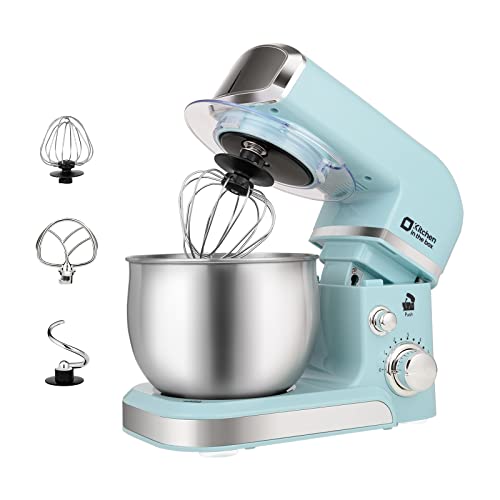
This second Kitchen in the Box model offers the same small-kitchen idea in a clean, portable form. A 3.2-quart bowl is a good match for muffins, small cookie batches, whipped cream, and cake mix. The six-speed dial gives you useful control instead of forcing every recipe into one fast setting. For a renter or first-time baker, that simple layout feels less intimidating.
The included attachments make this more than a single-purpose mixer. Use the flat beater for soft batters, the whisk for air, and the dough hook for smaller yeast recipes. I would keep the bowl size in mind before buying because capacity affects how much flour and dough you can mix at once. Still, this model deserves attention when searching for the best stand mixer for small kitchen counters, especially when easy storage matters most.
Pros:
- Small footprint fits narrow counters
- Portable design supports easy cabinet storage
- Six speeds offer better control than a one-speed mixer
- Three key attachments support many basic recipes
- Compact bowl works well for small households
- Tilt-head access makes scraping and ingredient adding easier
- Simple controls help new bakers learn quickly
Cons:
- Not the best choice for repeated large dough batches
- Small capacity can limit holiday baking
- Compact mixers may need a steady surface for thick mixtures
NEWBULIG 6.3-Quart Stand Mixer

The NEWBULIG 6.3-quart stand mixer takes a different path from the compact models above. Its larger bowl gives you room for family-size batches, more cookie dough, and larger amounts of cake batter. That capacity can reduce the need to mix in separate rounds. It may suit a small kitchen if you want one appliance to handle both everyday recipes and occasional big baking days.
The trade-off is easy to see: a 6.3-quart mixer needs more storage and counter room than a 3.2-quart model. I would measure the intended space before ordering, including the height needed for the head and bowl. This is not the most space-saving choice, but it can be useful for a household that has a small kitchen and high baking demands. Check the current Amazon listing for the latest attachment details, dimensions, warranty terms, and available color options before purchase.
Pros:
- 6.3-quart bowl supports larger recipe sizes
- Useful for families and frequent home bakers
- Reduces the need to split large batches
- Better suited to bulk cookie and cake preparation
- Can serve as a single main mixer for varied workloads
- Large bowl leaves more room for mixing without overflow
Cons:
- Larger body takes more counter and storage space
- Less convenient to move than a lightweight compact mixer
- May be too large for one-person or occasional baking
- Buyers should verify current listing details before ordering
OLIXIS 4.2-Quart Tilt-Head Stand Mixer

The OLIXIS 4.2-quart stand mixer sits between a small personal mixer and a full-size family machine. Its bowl offers more working room than a 3.2-quart model while staying more manageable than a 6.3-quart design. The 10-speed control gives you a wider range for slow flour mixing, medium batter work, and high-speed whipping. That balance makes it an interesting choice for cooks who want flexibility without jumping to a very large appliance.
The tilt-head format helps with bowl access and cleanup. It also makes it easier to see whether the beater has reached the sides and bottom of the bowl. A 4.2-quart mixer still needs a permanent home or a strong storage shelf, so I would not call it the smallest option here. However, it could be the best stand mixer for small kitchen users who bake often and need a useful middle ground between capacity and footprint.
Pros:
- 4.2-quart capacity suits many everyday recipes
- Ten speeds provide fine control over mixing texture
- Tilt-head design improves access to the bowl
- More capacity than many mini mixers
- Good middle-ground option for regular home baking
- Useful for batters, whipped mixtures, and moderate dough work
Cons:
- Needs more storage space than a 3.2-quart mixer
- May feel too large for very small households
- More speed settings can feel unnecessary for simple recipes
- Verify included attachments and current specifications on Amazon
My Recommendation
For most apartment dwellers, students, couples, and small households, I would start with one of the 3.2-quart Kitchen in the Box models. They are easier to lift, easier to store, and well matched to small baking jobs. The black version is a strong pick if you want a compact daily mixer with a clear, simple setup. The second version offers the same core size and is also worth comparing for price, color, and current availability.
Choose the OLIXIS if you bake several times each week and want more room without moving to a very large machine. It gives you a useful middle size and more speed choices. Choose the NEWBULIG if your “small kitchen” has limited floor area but your baking needs are large. Its 6.3-quart bowl is a better match for families, batch bakers, and people who dislike making two rounds of dough.
| Best for | Why |
|---|---|
| Small batches and tight counters | The 3.2-quart Kitchen in the Box models are light, compact, and easy to store. |
| Frequent baking with moderate batches | The 4.2-quart OLIXIS offers a useful balance of capacity, control, and size. |
| Large batches in a limited kitchen | The 6.3-quart NEWBULIG handles more food at once, though it needs more room. |
How to Choose the Best Stand Mixer for Small Kitchen Use
A stand mixer should make cooking easier, not create a new storage problem. In a compact kitchen, the best model must fit your recipes and your room. Start with the space, then consider capacity, power, controls, attachments, and cleanup. A mixer can look small in a product photo but feel large beside a coffee maker or microwave.
Measure the Counter Before You Buy
Use a tape measure and record the width, depth, and height of the space. Do not measure only the open counter area. Think about the mixer head, bowl removal, power cord, and the room needed to add ingredients. If you plan to store the machine in a cabinet, measure the cabinet opening and shelf depth too.
Many small kitchens have shallow counters. A mixer that fits from front to back may still block a drawer or sit too close to a wall. Leave enough room to tilt the head or remove the bowl. A few minutes with a tape measure can prevent a frustrating return.
Pick a Bowl Size That Matches Your Recipes
Bowl capacity is one of the most important features. A 3.2-quart bowl works well for small cookie batches, cupcakes, frosting, whipped cream, and quick breads. It is also easier to wash and store. If you usually cook for one or two people, a small bowl may save space and reduce food waste.
A 4.2-quart bowl offers more flexibility. It can handle larger family recipes while still fitting many compact kitchens. A 6.3-quart bowl is better for bulk baking, large dough batches, and frequent entertaining. However, a large bowl does not automatically make a mixer ideal for a small kitchen. The body, bowl, and attachments all need a home.
Never fill the bowl to the rim. Ingredients need room to move. Dough also expands as it mixes. Follow the maker’s limits for flour and dough because a bowl’s total volume is not the same as its safe working capacity.
Understand Speed Settings
Speed numbers help, but more numbers do not always mean a better mixer. A slow setting helps prevent flour clouds and splashes. Medium speeds work well for cake batter, cookie mixtures, and creaming butter. Faster speeds help whip egg whites or cream, if the whisk and bowl shape support that task.
Six speeds can cover normal home baking very well. Ten speeds give you more steps between slow and fast. I value a smooth speed change more than a high number on the dial. The best stand mixer for small kitchen use should feel easy to control when your hands are busy and the recipe moves quickly.
Think About Dough Work
Stand mixers often include a dough hook, but compact machines have limits. Pizza dough, bagel dough, and whole wheat dough can be thick and heavy. A small mixer may handle a modest batch, but it may struggle with repeated large loads. Let the motor rest if the instructions call for it.
For light dough work, a compact mixer can save time and effort. For weekly bread baking, look for a stable base and a bowl size that gives the dough space to develop. A larger machine may be a better long-term value even if it takes more room.
I also suggest starting dough on a low speed. Add flour in stages. Stop the mixer and scrape the bowl when needed. These simple habits reduce strain and help the ingredients combine evenly.
Check the Attachments
Most stand mixers use three basic tools. A flat beater handles cake batter, cookie dough, mashed potatoes, and soft mixtures. A wire whisk adds air to cream, egg whites, and light frostings. A dough hook helps with yeast dough.
Those three tools cover most home recipes. Extra attachments can sound appealing, but they may cost more and need their own storage. In a small kitchen, fewer parts often mean less clutter. Check whether attachments are dishwasher safe, and read the care instructions before placing anything in a machine.
Look for a Tilt-Head Design
A tilt-head mixer lets the upper section move away from the bowl. This design helps you add ingredients, scrape the sides, and remove the tools. It can also make cleanup faster. The head needs vertical clearance, though, so measure the space above the mixer.
A fixed-head or bowl-lift design may feel more stable with heavy loads, but it can be less convenient in a tight space. For many small kitchens, the tilt-head style offers the best mix of access and ease. It is a practical feature, not just a visual detail.
Consider Weight and Stability
A light mixer is easy to store but may move during thick mixing. A heavy mixer often stays planted but may remain on the counter because it is hard to lift. Think about your habits. If you bake once a month, portability may matter most. If you bake every day, stability may matter more.
A flat counter helps any mixer perform better. Place it on a dry, firm surface. Do not use it close to the edge. Keep the cord away from hot surfaces and moving parts. These small steps improve both safety and comfort.
Review Noise and Vibration
All electric mixers make some noise. A compact motor can sound busy when working thick dough. Noise matters more if you live in an apartment, bake early in the morning, or share a small room. Read recent customer feedback for comments about vibration and sound, but remember that users describe noise in different ways.
Vibration can come from an uneven counter, an overloaded bowl, or a thick mixture. Use the correct attachment and speed. If the machine walks across the counter, stop it and check the load. Do not hold the mixer down while it runs if the manual says not to do so.
Make Cleaning Easy
A mixer that takes too long to clean may stay in the cabinet. Look for a bowl and tools that are easy to remove. A smooth bowl has fewer places for batter to hide. A tilt-head makes it easier to wipe the underside of the mixer.
Clean flour and batter soon after use. A soft cloth can handle the body. Wash removable parts according to the maker’s directions. Keep the motor housing away from standing water. Easy care helps a small appliance last longer and keeps your next baking session pleasant.
Why a Compact Stand Mixer Can Be Better Than a Hand Mixer
A hand mixer costs less in many cases and takes little storage space. It can work well for whipped cream, eggs, and light cake batter. You must hold it while it runs, though. That can make it hard to add ingredients, measure flour, or prepare another part of the meal.
A stand mixer holds the tools for you. You can read the recipe, add ingredients, or melt chocolate while the mixer works. It also gives you a more consistent mixing motion. For people with hand pain or limited grip strength, this hands-free design can be a major comfort.
The stand mixer does use more storage space. It also costs more than a basic hand mixer in many cases. The right choice depends on how often you bake and how much counter room you have. If you make dough or buttercream often, a compact stand mixer can earn its place quickly.
Best Uses for a Small Stand Mixer
Cakes and Cupcakes
A stand mixer helps cream butter and sugar until the mixture becomes light. It also blends eggs and dry ingredients with less arm work. A 3.2-quart bowl often works well for a small cake or a dozen cupcakes. Scrape the bowl as you go so the batter stays even.
Cookies
Cookie dough can be thick, especially when you add chocolate chips, nuts, or oats. Use a flat beater and start at a low speed. Do not overload a small bowl. Mixing in two smaller batches can produce better results than forcing one very large batch.
Whipped Cream and Meringue
A wire whisk can turn cream into a topping in less time than hand whisking. Cold cream usually whips more easily. Watch the bowl closely because cream can move from soft peaks to a grainy texture quickly. For egg whites, make sure the bowl and whisk are clean and free from grease.
Frosting
Buttercream and cream cheese frosting benefit from steady mixing. Begin slowly when powdered sugar enters the bowl. This helps keep the sugar from covering the counter. A compact mixer is especially useful here because frosting can require several minutes of mixing.
Pizza and Yeast Dough
A dough hook can knead a small pizza dough while you prepare toppings. Use a low speed and watch the texture. The dough should come together without making the mixer shake hard. For heavy dough, follow the manual’s limits and avoid long, nonstop cycles.
Common Mistakes to Avoid When Buying a Small Stand Mixer
Buying Only by Bowl Size
A large bowl does not tell you how much dough the machine can safely mix. Motor design, gear strength, and the maker’s limits also matter. Read the use instructions when available. Look for clear guidance on dough, flour, and maximum load.
Ignoring Storage Height
Many shoppers measure width but forget height. A tilt-head needs space above it. A bowl may also need to lift or slide out. Check the full movement of the machine, not just its resting size.
Expecting a Mini Mixer to Do Commercial Work
A compact stand mixer is built for home use. It can handle daily recipes, but it is not a bakery machine. Heavy dough can test a small motor. If you bake several loaves every week, choose a model that matches that workload.
Skipping the Return and Warranty Details
Product listings, colors, attachments, and warranty terms can change. Read the current details before checkout. Keep the packaging until you test the machine. This makes a return easier if the size, noise, or bowl clearance does not suit your kitchen.
Choosing Too Many Features
Extra features can increase cost and storage needs. A basic mixer with a good bowl, steady speed control, and useful attachments may serve you better. In a small kitchen, simple is often a strength. Buy for the recipes you actually make.
How I Judge a Stand Mixer for a Small Kitchen
I begin with footprint and storage. A mixer cannot be a good fit if it blocks the sink or never leaves the cabinet. Next, I consider the bowl size against common home recipes. The goal is enough room without paying for capacity that will rarely get used.
I also look at control layout. A clear dial or switch helps when a recipe calls for a slow start. The head should open with little effort. The bowl should come out without a fight. These small details shape the daily experience more than flashy product language.
Attachments matter because they show what the mixer can do. I want a flat beater, whisk, and dough hook for a basic home setup. I also check care needs and current listing information. Specifications can change by seller or production run, so I advise checking Amazon before purchase.
Finally, I think about the person using it. A student may need a light model. A family may need a larger bowl. A serious baker may accept more weight for better capacity. The best stand mixer for small kitchen use is not the same for everyone. It is the one that matches your room, recipes, and routine.
Small-Kitchen Setup Tips
Give the mixer a clear work zone. Keep flour, sugar, and tools close enough to reach but not beside the motor vents. A washable silicone mat can help protect the counter and reduce small movements. It also makes cleanup easier after messy recipes.
Store the attachments inside the bowl when possible. This turns unused bowl space into practical storage. You can also use a nearby drawer for the whisk and beater. Keep the dough hook separate if it is large or hard to remove without scratching the bowl.
Use a rolling cart if your counter is very limited. The cart can hold the mixer and baking supplies, then move away after use. Choose one with a flat, stable top. Avoid placing a heavy mixer on a weak shelf or a narrow table.
Plan recipes around the bowl size. A small batch often tastes fresher and creates less waste. If you need more, mix in stages rather than filling the bowl too high. This keeps the mixer calmer and gives ingredients more room to blend.
Safety and Care Tips
Read the manual before the first use. Check that the bowl locks in place and that the attachment sits at the correct height. Keep hands, spoons, and spatulas away from moving tools. Stop the motor before scraping the bowl.
Start on low speed when adding dry ingredients. This simple step reduces flour dust and protects your counter. Increase speed only after the mixture becomes stable. If the motor smells hot or the mixer shakes sharply, stop and let it cool.
Do not pull the power cord to unplug the machine. Keep the plug and outlet dry. Wipe the body with a damp cloth, then dry it. Follow the product manual for dishwasher use because some finishes and parts need hand washing.
Store the mixer where air can move around the motor. Do not cover it while it is still warm. Regular care helps protect the finish and reduces the chance of residue building around the head or controls.
Value, Availability, and Current Listings
Prices and availability can change often, especially during holiday baking seasons. A compact mixer may sell at a discount during major shopping events. It may also appear with different colors, bundles, or seller terms. Compare the full listing, not just the headline price.
Check the bowl size, included tools, dimensions, shipping details, warranty, and return policy. Read recent reviews for useful details about noise, stability, and long-term use. A review can reveal how a product feels in a real kitchen, but one report should not decide your purchase alone.
As product information changes through 2026, confirm the current Amazon page before ordering. The four models in this guide cover different needs. The 3.2-quart choices focus on portability. The OLIXIS offers a middle size, while the NEWBULIG focuses on larger batches.
The best stand mixer for small kitchen buyers often provides better value when it gets used several times each month. A machine that supports your real recipes is worth more than one with features that sit unused. Think of it as a kitchen helper, not a countertop decoration.
FAQs Of best stand mixer for small kitchen
What size stand mixer is best for a small kitchen?
A 3.2- to 4.2-quart mixer usually suits a small kitchen. Choose 3.2 quarts for small batches and easy storage. Choose 4.2 quarts if you bake more often or need extra bowl space.
Can a compact stand mixer knead bread dough?
Yes, many compact mixers can knead small dough batches with a dough hook. Use a low speed and follow the maker’s load limits. Large or heavy dough may require a bigger, more stable mixer.
Is a tilt-head mixer useful in a small kitchen?
Yes. A tilt-head makes it easier to add ingredients, scrape the bowl, and remove attachments. Measure the space above the mixer because the head needs room to open.
Are small stand mixers hard to clean?
They are usually manageable when the bowl and attachments remove easily. Wipe the motor body with a damp cloth. Follow the manual before washing parts in a dishwasher.
Which model is the best stand mixer for small kitchen beginners?
The 3.2-quart Kitchen in the Box models are good starting points for beginners. They use simple controls, take less space, and include the basic tools needed for common recipes.
Final Verdict: Which Should You Buy?
For most small homes, I recommend the 3.2-quart Kitchen in the Box as the best stand mixer for small kitchen use. It saves space, handles everyday baking, and stores with less effort.
Choose OLIXIS for more capacity or NEWBULIG for large batches. Compare current features and price before ordering to find the best compact stand mixer value.