
The best stand mixer for heavy dough is the Kraftsman All-Metal 5.3QT, built for strong mixing and firm bread dough.
If your mixer slows, shakes, or leaves a dry pocket of flour when you make pizza or bread, you need more than a pretty countertop tool. Heavy dough puts real stress on a motor, bowl, gear system, and dough hook. I looked at capacity, listed motor design, speed control, attachments, cleaning, and daily comfort to find options that fit different kitchens. These picks can help turn a tiring hand-mixing job into a smoother, more steady routine.
Martha Stewart 5.3QT Stand Mixer
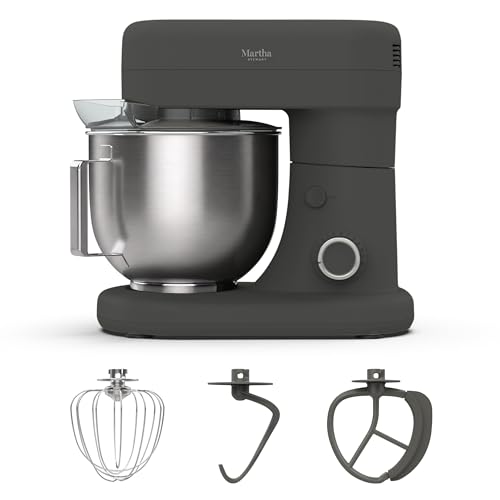
The Martha Stewart 5.3QT Tilt Head Stand Mixer gives home bakers a useful middle ground between a small daily mixer and a large commercial-style machine. Its 5.3-quart stainless steel bowl offers room for many cake, cookie, frosting, and bread recipes. The 12-speed control also gives you more room to adjust the mix as the dough changes. For light to medium batches of firm dough, this design can feel simple and easy to manage.
I like the tilt-head format for users who want quick access to the bowl and attachments. It can make it easier to add flour in stages, scrape the sides, or remove a finished dough ball. The included dough hook, flat beater, and wire whisk cover the main tasks most home bakers face. If you want a stylish machine for regular baking with occasional pizza or bread dough, this mixer deserves a close look.
Pros:
- 5.3-quart bowl suits many family-size recipes
- 12 speeds offer fine control for mixing and whipping
- Tilt-head design gives easy access to the bowl
- Stainless steel bowl is practical for daily baking
- Includes the key dough, batter, and whipping attachments
- Useful choice for cakes, cookies, frosting, and smaller bread batches
Cons:
- A tilt-head design may move more during very stiff dough work
- Very large bread batches may exceed its comfortable working range
- More speeds do not automatically mean more power for dense dough
My Recommendation
I recommend the Martha Stewart mixer for a home baker who makes cakes and cookies often but also wants to try bread and pizza dough. Its bowl size is practical without taking over a small counter. The 12-speed dial is helpful when one recipe needs a slow start and another needs a faster whip. I would choose it as the best stand mixer for heavy dough only when “heavy” means modest home batches rather than repeated large loaves.
This mixer also fits users who care about easy bowl access and a clean, familiar layout. A tilt-head machine makes it simple to change tools and check the dough during a recipe. For the best results, use the dough hook at a low speed, add liquid slowly, and avoid forcing a very stiff mixture for too long. Its value is strongest for mixed-use home baking, and availability may change on Amazon.
Kraftsman All-Metal 5.3QT Dough Mixer

The Kraftsman All Metal Stand Mixer is the most focused option in this group for dense mixtures. The listing highlights an all-metal build, a DC motor, and a 5.3-quart capacity for heavy pizza dough. Those features speak to bakers who want a firm, stable feel while working with bread, pizza, bagel, or pasta dough. A strong motor can reduce the sense that the machine is fighting the recipe, although the dough amount and hydration still matter.
The 5.3-quart bowl keeps the footprint more manageable than a large professional mixer. That makes this model appealing if you bake often but do not need to mix several loaves at once. The all-metal construction may also give the mixer a more solid feel on the counter. I still suggest placing it on a dry, level surface and following the maker’s speed and time guidance, since even a heavy-duty mixer needs sensible use.
Pros:
- All-metal design aims for a sturdy, durable feel
- DC motor is suited to demanding mixing tasks
- 5.3-quart bowl fits many home bread and pizza recipes
- Strong match for users who focus on firm dough
- Smaller bowl size saves space compared with many large mixers
- Useful for bakers who want one machine for dough and general mixing
Cons:
- All-metal construction may make the unit heavier to move
- Its 5.3-quart bowl may feel small for multiple large loaves
- A dough-focused build may offer less visual appeal for some kitchens
My Recommendation
The Kraftsman is my leading choice for the best stand mixer for heavy dough because its design places clear attention on strength. I would point bread makers, pizza fans, and home cooks who mix dense dough each week toward this model first. The all-metal body and DC motor listed for this mixer suggest a better fit for hard work than a lightweight machine. Still, no countertop mixer should run beyond its instructions or be filled past a sensible dough load.
This model makes the most sense for someone who values working power over a feather-light body. It should also suit users who want a medium-size bowl rather than a huge commercial footprint. If your goal is dependable dough mixing with enough capacity for normal family batches, the Kraftsman offers a strong balance. Check the current Amazon listing for price, stock, warranty details, and any updated care instructions before ordering.
Kourice 6.5QT Heavy-Duty Stand Mixer

The Kourice 6.5QT Tilt-Head Stand Mixer gives you the largest bowl in this comparison. That extra space can help when you make larger batches of bread, pizza dough, cake batter, or cookies. The listing describes it as a heavy-duty, 10-speed mixer with stainless steel cladding and a stainless steel bowl. It also includes a dough hook, wire whisk, and flat beater for the core jobs in a home kitchen.
A 6.5-quart bowl can be helpful when a smaller mixer feels crowded. You have more room to add ingredients in stages, and a bigger batch may stay inside the bowl instead of climbing over the rim. The tilt-head layout still gives direct access to the mixture and tools. I would consider this model for a family that bakes in volume, while remembering that bowl capacity does not always equal maximum dough capacity.
Pros:
- 6.5-quart bowl offers the most room in this comparison
- Heavy-duty positioning suits frequent home baking
- 10 speeds cover slow mixing, kneading, and whipping tasks
- Stainless steel bowl is easy to inspect during mixing
- Includes dough hook, wire whisk, and flat beater
- Good fit for larger family batches and weekend baking
Cons:
- Larger size may need more counter and storage space
- A tilt-head body can require extra care with very stiff dough
- More bowl capacity may be unnecessary for one or two people
My Recommendation
I recommend the Kourice for larger households and active bakers who often prepare double batches. Its 6.5-quart bowl is the main reason to choose it. If you regularly make several pizza bases, large cookie batches, or more than one loaf, the extra room can make the process less cramped. It is a strong candidate for the best stand mixer for heavy dough when capacity matters as much as mixing power.
This mixer is also a good choice for a baker who wants one machine to cover bread, cakes, whipped cream, and cookies. The 10-speed control gives enough range for common recipes without making the controls hard to understand. Before buying, measure your counter and cabinet space, and check the current listing for exact dimensions and care information. Its overall value is highest for users who will truly use the larger bowl.
Kitchen in the Box 3.2QT Compact Mixer
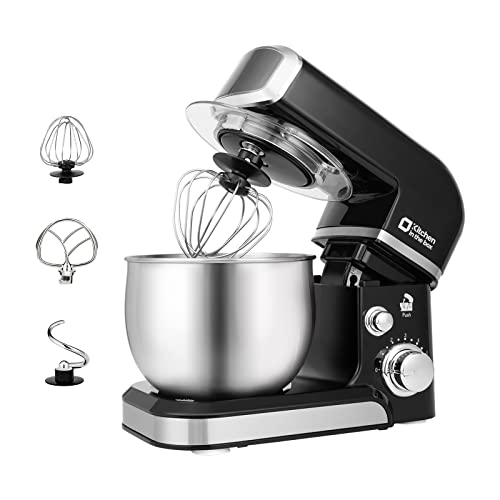
The Kitchen in the Box 3.2Qt mixer takes a different path from the larger dough machines. Its compact size and lightweight design make it easier to carry, store, and use in a small kitchen. It includes six speeds, an egg whisk, dough hook, and flat beater for daily mixing. This is a practical starter mixer for small portions, quick batters, whipped eggs, and light dough work.
I would not select this model for large, stiff dough batches or frequent artisan bread production. A 3.2-quart bowl has less working room, and a lightweight mixer may move more when dough becomes firm. However, small households may prefer its lower storage demand and simple footprint. If you make one small pizza, a few rolls, or occasional cookies, it can handle a useful range of everyday jobs when used within its limits.
Pros:
- Compact 3.2-quart size suits small kitchens
- Lightweight body is easier to lift and store
- Six speeds keep the controls simple for new bakers
- Includes whisk, dough hook, and flat beater
- Good for small batches of batter, eggs, frosting, and dough
- Portable design works well in apartments, dorms, and RV kitchens
Cons:
- Smaller bowl limits large dough and double-batch recipes
- Lightweight design may be less steady with stiff dough
- Not the best choice for frequent heavy bread production
My Recommendation
The Kitchen in the Box is best for apartment dwellers, beginners, students, and small households. It saves space and avoids the bulk that often comes with a heavy-duty mixer. I would choose it for light dough and everyday baking, not as the best stand mixer for heavy dough in a serious bread kitchen. Its real strength is convenience, not high-volume kneading.
Use the dough hook with small loads, start at a low speed, and watch for movement on the counter. For a first mixer, the included tools and six speeds cover the basics well. It can offer good value when storage space matters more than maximum capacity. As with all four choices, review the current Amazon page for updated stock, price, and product instructions.
How to Choose the Best Stand Mixer for Heavy Dough
Choosing a mixer for heavy dough takes more thought than choosing one for cake batter. Dense dough pushes against the hook and bowl. That force can make a weak mixer stall, walk across the counter, or heat up during a long knead. I focus on the motor design, body weight, bowl size, gearing, dough hook shape, speed control, and user limits before I call a mixer suitable for hard work.
Motor strength matters most
Many product pages use words such as “powerful” or “heavy duty.” Those words can help, but they do not tell the full story. A mixer’s real dough performance depends on motor output, gear design, cooling, bowl shape, hook action, and the amount of dough in the bowl. The Kraftsman listing specifically calls out a DC motor, which makes it the most dough-focused option here.
I never judge a mixer by wattage alone. A machine may list a high watt number but still struggle with a dry dough. Hydration changes the load, too. A soft dough moves more easily, while a low-hydration bagel dough can feel like a small stone. For that reason, always compare the manufacturer’s recommended flour or dough limits when those details are available.
Why body weight and stability help
A stable mixer keeps the bowl and hook in a better position. It also reduces the need to hold the machine during kneading. Heavy dough can make a light mixer rock, especially when the dough gathers on one side of the hook. A sturdy body acts like an anchor while the hook folds and stretches the dough.
That does not mean the heaviest mixer always wins. You may need to lift it after each use, and a deep unit may not fit under a cabinet. I prefer a machine that feels stable but still matches the user’s counter space. The all-metal Kraftsman may appeal to people who want a planted feel, while the Kitchen in the Box suits users who need easy movement.
Choose the bowl size for your real recipes
A bigger bowl gives more room, but it does not mean you should fill it to the top. Dough needs space to turn and develop. A crowded bowl can cause flour pockets, uneven mixing, or dough that climbs the hook. It may also place extra strain on the motor.
The Kourice offers the largest listed bowl at 6.5 quarts. That size can help with bigger family recipes and double batches. The Martha Stewart and Kraftsman models sit at 5.3 quarts, which is a useful middle size for most home kitchens. The 3.2-quart Kitchen in the Box is better for small amounts and compact living.
Speed control and low-speed kneading
A good dough mixer needs a gentle start. Adding flour at a high speed can send a cloud across the counter and make the dough stick to the bowl wall. Low speed lets the ingredients combine without shock. Once the dough forms, you can move up only if the instructions allow it.
More speeds can improve control, but speed count is not the same as power. The Martha Stewart model offers 12 speeds, the Kourice offers 10, and the Kitchen in the Box offers six. The best setting is the one that keeps the dough moving without making the mixer strain. For dense dough, slow and steady often beats fast and forceful.
Dough hooks and attachment fit
The dough hook should reach enough of the bowl to gather the mixture. If the hook sits too high, flour may remain under the dough. If it sits too low, it may scrape the bowl. A correct fit helps the mixer work with less waste and fewer stops.
Each listed product includes a dough hook. They also include a flat beater for thicker batters and a whisk for eggs or cream. I like this three-tool setup because it covers the main home baking jobs. Before using a new mixer, check the attachment height and follow the instructions for adjustment. Never assume every hook or beater works the same way across brands.
Tilt-head versus other designs
All four products in this comparison use a tilt-head format, based on their listed names and descriptions. A tilt-head machine lifts the motor housing so you can remove the bowl or change the tool. This makes the machine friendly for quick recipe changes and easy bowl access.
The trade-off comes during very stiff dough work. A tilt-head may show more movement than a bowl-lift commercial mixer, especially if the body is light. That does not make every tilt-head model weak. It means you should use the right dough amount, low speed, and a stable surface. The Kraftsman’s all-metal build may provide a firmer feel, while the Kitchen in the Box remains aimed at lighter tasks.
How much dough can a stand mixer handle?
There is no single answer for every mixer. Flour type, water level, yeast, oil, batch size, and kneading time all change the load. Whole wheat dough can feel more demanding than a soft white dough. Bagel dough often places more stress on a machine than a loose focaccia dough.
I advise starting with a modest batch. Watch and listen during the first few minutes. If the machine rocks hard, smells hot, stalls, or makes a new grinding sound, stop and check the mixture. Let the motor rest if the manual calls for a rest period. These simple habits help protect the mixer and produce better dough.
Cleaning and daily care
A mixer lasts longer when flour and dough do not build up around the head, shaft, or speed control. Wipe the body with a damp cloth after use. Wash the bowl and removable tools according to the product instructions. Dry metal parts well before storage to help prevent spots or corrosion.
Do not push dough into the motor housing or use excess water near electrical parts. Check the power cord from time to time. Also inspect the beater and hook for damage. A clean mixer is easier to inspect, and an easy-to-inspect machine gives you a better chance to spot a problem early.
Best Features Compared
| Best for | Why |
|---|---|
| Firm bread and pizza dough | Kraftsman All-Metal 5.3QT offers a dough-focused build, DC motor listing, and sturdy feel. |
| Large family batches | Kourice 6.5QT provides the largest listed bowl and a heavy-duty 10-speed design. |
| Small kitchens and light baking | Kitchen in the Box 3.2QT is compact, portable, and easy to store. |
The Martha Stewart 5.3QT fills the gap between these choices. It works well for users who want a general baking mixer with many speed settings and enough bowl space for common recipes. It is not as compact as the Kitchen in the Box, and it does not focus on dense dough as clearly as the Kraftsman. Still, its balanced design may be the right answer for a mixed baking routine.
Practical Tips for Kneading Heavy Dough
Start with the correct ingredient order
Follow the recipe order and do not dump all the flour in at once unless the recipe says to do so. Add enough liquid for the dough to come together. A dry dough can make even the best stand mixer for heavy dough work harder than needed. A smooth dough should form gradually instead of breaking into dry crumbs.
I often reserve a small amount of flour until the mixture starts to form. This gives me room to adjust the texture. Flour absorbs water at different rates, so the same cup measurement can act differently from one bag to another. Small changes can keep the motor load more reasonable.
Use low speed first
Low speed helps prevent flour from flying and gives the hook time to gather the ingredients. Let the dough combine before deciding if it needs more flour. Once the dough forms, follow the manual’s recommended kneading speed. Do not use the highest setting just because the mixer has many speed choices.
A slow hook can still build gluten through folding and stretching. Think of it as a patient workout rather than a sprint. This is kinder to the motor and often kinder to the dough. It also gives you time to hear or see a problem before it becomes serious.
Do not overfill the bowl
A large bowl can tempt you to make a giant batch. Resist that urge until you know the mixer’s real limits. The listed quart size describes bowl volume, not the safe weight of dense dough. Keep enough space for the dough to turn and avoid filling the bowl with a solid mass.
For a new machine, make a small test batch first. Note how the dough moves and how warm the body feels afterward. If the test goes well, increase the batch slowly. This approach costs a little more time, but it can save money and frustration.
Stop and scrape when needed
Even a strong hook may leave flour under the dough or stuck to the bowl. Stop the mixer before scraping. Use a silicone spatula and keep your hands away from moving attachments. Scraping once during the early mix can help the dough come together more evenly.
Do not scrape while the motor runs. It is an easy safety step, but it matters. A short pause can also give the motor a small break. Once the dough becomes smooth, resume at the proper setting.
Let the dough rest outside the mixer
A mixer does not need to knead every part of the bread process. After the dough reaches a smooth stage, move it to a lightly oiled bowl and let it rest as the recipe directs. Fermentation changes the dough in ways that no motor can replace. Resting also prevents needless machine time.
This matters most with firm dough. Long, nonstop mixing adds heat and stress. A good recipe uses mixing, resting, folding, and proofing together. The machine is a helpful tool, not the whole baking method.
Which Mixer Type Fits Your Kitchen?
For weekly pizza night
Pizza dough can range from soft and wet to very firm and low in water. If you make pizza every week, I would favor the Kraftsman or Kourice. The Kraftsman fits users who want a sturdy, dough-centered machine. The Kourice fits users who make larger batches or need more bowl room.
The Martha Stewart can work for occasional pizza night, especially with a moderate batch. The Kitchen in the Box is better for one small pizza or light dough. Your recipe style matters more than the word “pizza” alone.
For bread baking
Bread bakers should look beyond bowl size. A stable body, suitable dough hook, low-speed control, and clear load limits are all important. The Kraftsman has the strongest match on paper for firm dough work. The Kourice may be better if you bake several loaves or large batches.
If you bake only once a month, the Martha Stewart may offer a better mix of features. A small baker who makes rolls for two people may be happy with the Kitchen in the Box. I would not buy a large mixer simply because it has a bigger number on the bowl.
For cakes, cookies, and frosting
Cake and cookie bakers need smooth speed control and a flat beater. Whipping also calls for a whisk and a stable head. The Martha Stewart stands out here with 12 listed speeds and a medium-size bowl. The Kourice also covers these tasks with its 10-speed control and included attachments.
The Kitchen in the Box handles small frosting and batter batches well. The Kraftsman can do general mixing, but its main appeal is firm dough. Match the machine to the work you do most often. This keeps the purchase practical and avoids paying for unused size.
For apartments and small counters
Counter space changes the buying decision. Measure the space under upper cabinets and beside other appliances. Remember that a tilt head needs room to lift. You also need a place to store the bowl and attachments.
The Kitchen in the Box is the easiest fit for compact homes. The Martha Stewart and Kraftsman offer a middle path. The Kourice gives more room but may feel large in a narrow kitchen. A mixer that stays accessible often gets used more than a powerful one buried in a closet.
What I Look For in Amazon Stand Mixer Reviews
I read reviews for patterns, not one dramatic story. A single buyer may receive a damaged unit, use an unusual recipe, or expect commercial performance from a home machine. Repeated comments about wobbling, overheating, poor attachment fit, or hard cleaning deserve more attention. Repeated praise for steady mixing, useful bowl space, and easy controls also carries weight.
I compare those comments with the listed features. Product pages can change, so I check the current title, images, dimensions, warranty, included tools, and seller information before purchase. I also look for a clear return path. This is especially important for a heavy-duty appliance, because shipping damage can affect alignment and noise.
I never treat an affiliate link or star rating as proof of performance. Real dough tests are complex. One recipe may be soft and easy, while another may be dry and demanding. The safest review explains what a mixer appears suited to do and where the buyer should use care.
Safety and Care Notes for Heavy Dough Mixing
Keep the mixer on a flat, dry surface. Make sure the bowl locks or sits correctly before starting. Keep loose clothing, hair, and hands away from the hook and beater. Always stop the machine before changing attachments or scraping the bowl.
Read the manual before the first dough batch. Look for speed limits, maximum flour amounts, kneading times, and cleaning rules. If the manual gives a rest period, follow it. Motor protection starts with respecting those limits.
Watch for heat and unusual smells. A warm motor housing may be normal after work, but a sharp electrical smell is a reason to stop. Grinding, smoking, repeated stalling, or a damaged cord also needs attention. Unplug the unit and contact the maker rather than trying a risky repair.
FAQs Of best stand mixer for heavy dough
What is the best stand mixer for heavy dough?
The Kraftsman All-Metal 5.3QT is my top pick in this comparison. Its listing highlights an all-metal body, a DC motor, and a focus on heavy pizza dough. The Kourice is a strong alternative for larger batches because it has a 6.5-quart bowl.
How large should a bowl be for bread dough?
A 5- to 6.5-quart bowl suits many home bread recipes. Bowl size alone does not show the safe dough limit. Check the manual, start with a small batch, and leave room for the dough to move.
Can a tilt-head mixer knead heavy dough?
Yes, some tilt-head mixers can knead firm dough when you use the correct batch size and speed. A stable body and strong motor help. Stop if the machine rocks hard, stalls, overheats, or makes an unusual sound.
Is a higher wattage always better for dough?
No. Wattage does not tell the whole story. Gear design, motor type, cooling, body stability, hook shape, and dough load also affect results. Look at the full product design and the maker’s dough limits.
How do I stop a stand mixer from walking?
Place it on a clean, level, dry counter. Reduce the dough amount and use a low speed. If the mixer still moves sharply, stop and check the manual. A firmer mixer may be a better choice for your dough style.
Final Verdict: Which Should You Buy?
The Kraftsman All-Metal 5.3QT is the best stand mixer for heavy dough in this group. Choose the Kourice if you need a larger bowl, or the Kitchen in the Box for small, light batches.
For steady home bread and pizza work, match the mixer to your dough load and follow its care rules. The right machine makes baking feel less like a fight and more like a calm routine.