
Robust olive oil tastes bold and peppery, while smooth olive oil feels mild, soft, and easy to enjoy.
Understanding the difference between robust and smooth olive oil helps you choose the right bottle for cooking, dipping, and finishing dishes. The terms describe flavor strength and mouthfeel, not olive oil quality grades, so a bold oil and a mild oil can both be fresh, authentic, and high quality. This guide explains their taste, aroma, health value, best uses, and how to select each one with confidence.
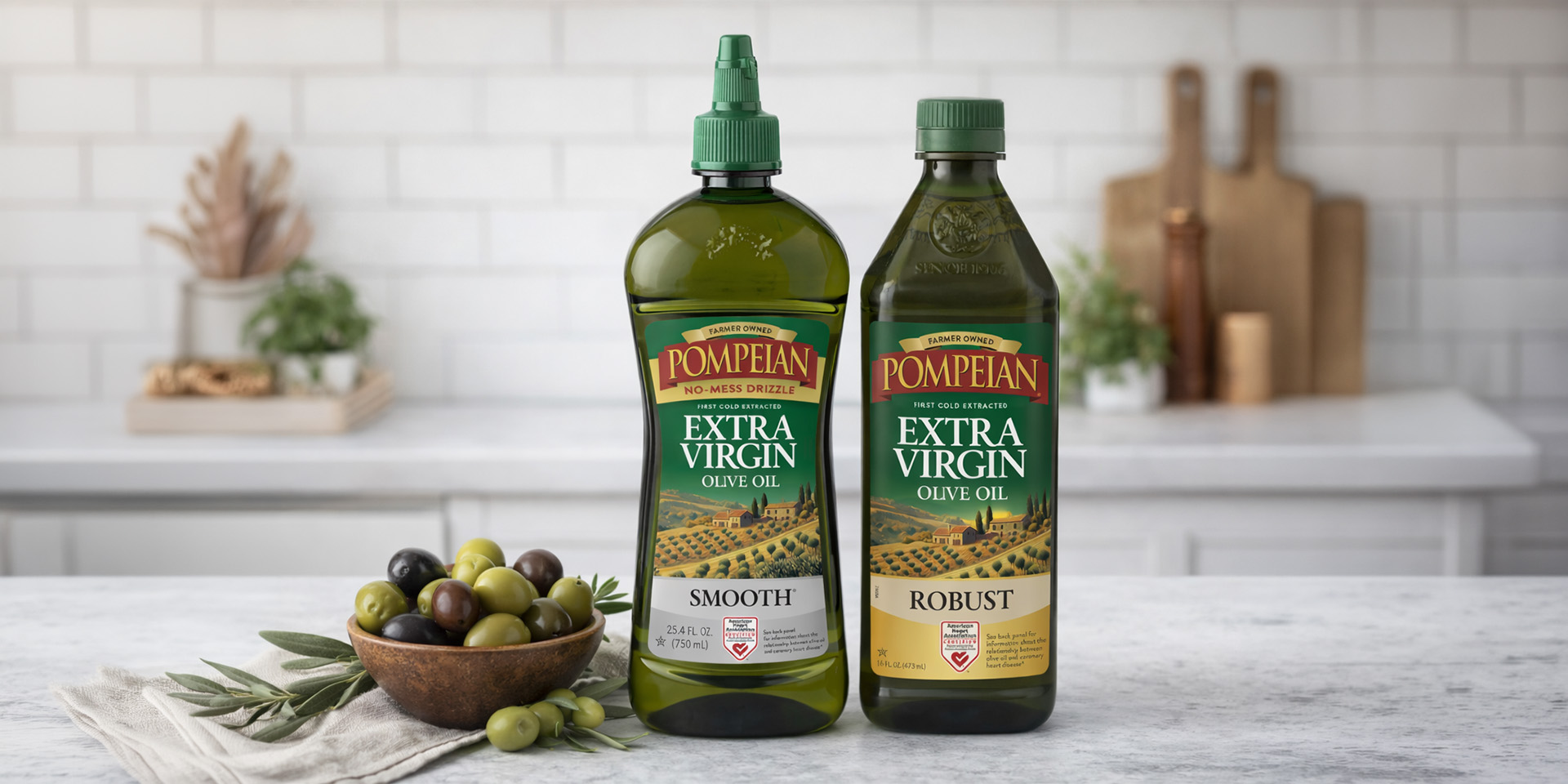
What Is Robust Olive Oil?
Robust olive oil has a strong taste and aroma. It may smell like fresh grass, green fruit, herbs, artichoke, or tomato leaf. On the tongue, it often feels bitter, lively, and peppery.
The peppery feeling may reach the back of your throat. This sensation comes mainly from natural phenolic compounds, especially oleocanthal and related compounds found in extra virgin olive oil. A slight cough does not mean the oil is bad. It can be a sign of a bold, fresh oil.
Robust olive oil often comes from olives picked early in the harvest. Green olives usually contain less oil than fully ripe olives, but they can offer more intense flavors and a vivid aroma. The growing region, olive variety, harvest date, and milling method also shape the final taste.
Common traits of robust olive oil include:
• Strong green fruit aroma
• Peppery or spicy finish
• Noticeable bitterness
• Herbal, grassy, or artichoke notes
• Firm and lively mouthfeel
• Long flavor that stays after swallowing
The difference between robust and smooth olive oil is easy to notice when you taste both side by side. Robust oil acts like a strong spice. It adds energy and character to food.
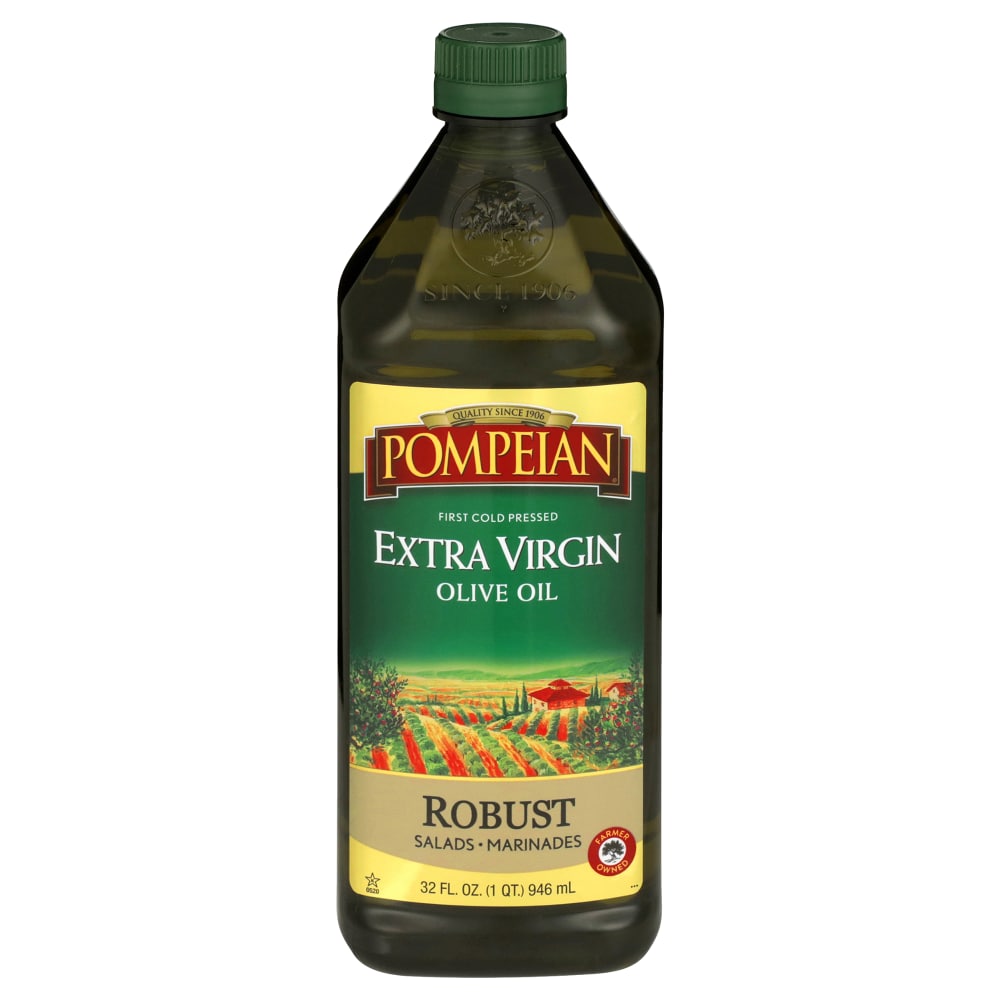
What Is Smooth Olive Oil?
Smooth olive oil has a gentle flavor and soft mouthfeel. It may taste like ripe fruit, almond, apple, butter, or mild herbs. It usually has less bitterness and a softer peppery finish than robust olive oil.
Smooth olive oil often comes from olives picked later in the harvest. As olives ripen, their flavor can become rounder and less sharp. The oil may feel more balanced and less intense, which makes it comfortable for people who are new to extra virgin olive oil.
“Smooth” is not a formal olive oil grade. It is a sensory description. A smooth oil can be extra virgin olive oil, but the word alone does not prove freshness, purity, or quality.
A smooth olive oil may have these traits:
• Mild fruit aroma
• Low to moderate bitterness
• Gentle or barely noticeable pepper
• Soft, round mouthfeel
• Light almond or ripe fruit notes
• Easy pairing with delicate foods
The difference between robust and smooth olive oil is not the same as the difference between extra virgin and regular olive oil. Extra virgin describes a legal quality category. Robust and smooth describe taste intensity.
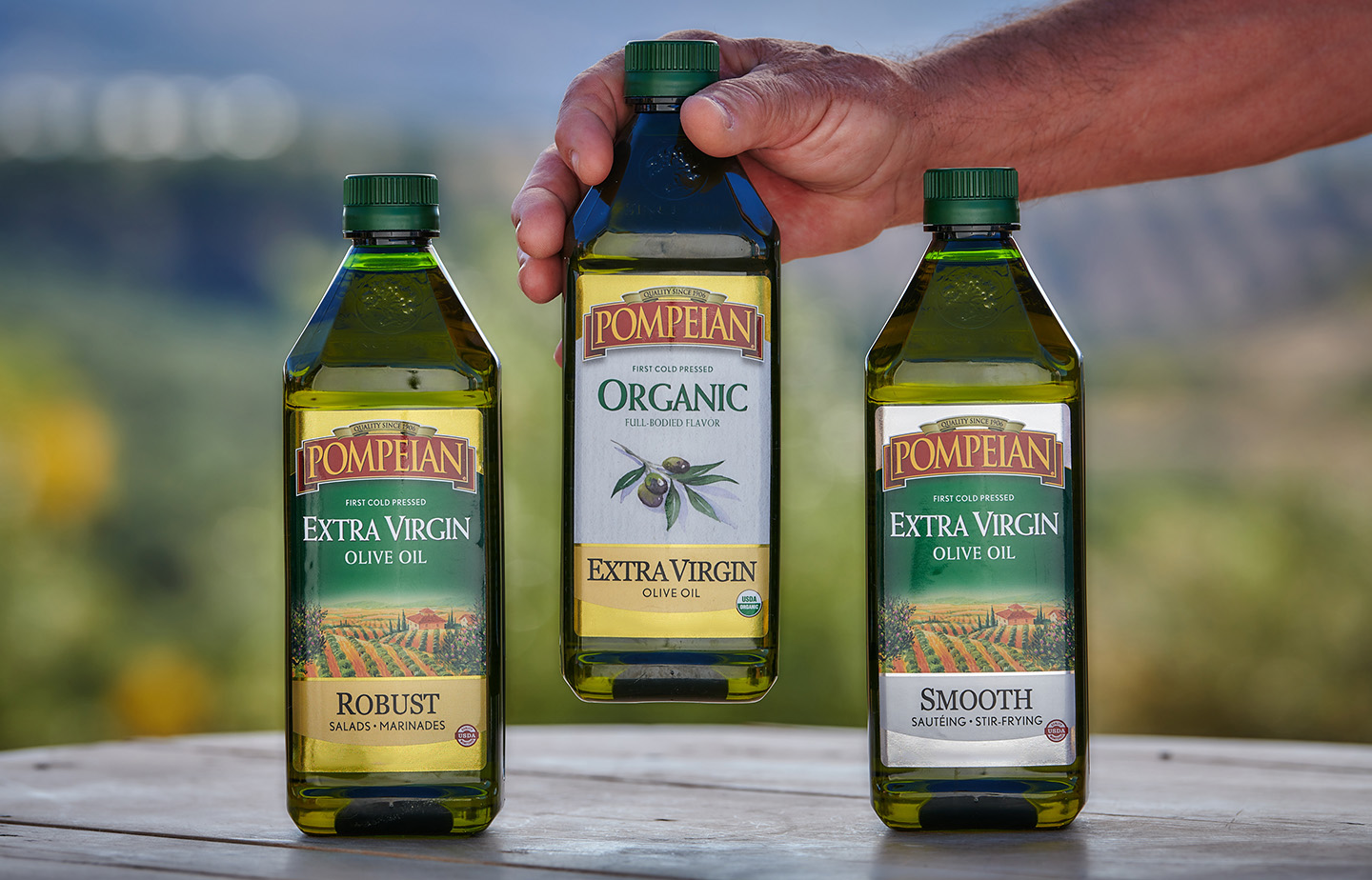
Difference Between Robust and Smooth Olive Oil
The clearest difference between robust and smooth olive oil is flavor strength. Robust oil is bold and sharp, while smooth oil is mild and rounded.
Here is a simple comparison:
| Feature | Robust olive oil | Smooth olive oil |
|---|---|---|
| Flavor | Bold and intense | Mild and gentle |
| Aroma | Green, grassy, herbal | Ripe fruit, almond, soft herbs |
| Bitterness | Moderate to high | Low to moderate |
| Peppery finish | Clear and lasting | Light or subtle |
| Best match | Strong foods | Delicate foods |
| Typical harvest | Early or mid-season | Mid or late season |
| Mouthfeel | Lively and firm | Soft and round |
The difference between robust and smooth olive oil can also come from the olive variety. Some varieties naturally produce powerful oil, while others create a softer style. Climate, soil, milling speed, storage, and blending also matter.
Neither style is automatically better. Think of them as different voices. Robust olive oil speaks loudly, while smooth olive oil speaks softly.
How Harvest Time Changes Olive Oil Flavor
Harvest timing has a major effect on the difference between robust and smooth olive oil. Early-picked olives often create oil with green aromas, bitterness, and pepper. Later-picked olives tend to create a softer and fruitier oil.
This change happens because the olive’s flavor compounds shift as it ripens. Green olives often produce a fresh, sharp profile. Ripe olives can produce more mellow notes, such as almond, apple, or ripe fruit.
Early harvest oil may also produce less oil from the same amount of fruit. That can increase its price. However, a higher price does not always mean better taste. The best choice depends on your palate and how you plan to use the oil.
Keep in mind that harvest time is not the only factor. A late-picked oil can still taste fresh and balanced, while an early-picked oil can taste flawed if the olives were damaged or poorly handled.

Health Differences Between Robust and Smooth Olive Oil
Both robust and smooth olive oil can provide the benefits linked with high-quality extra virgin olive oil. They contain mostly monounsaturated fat, along with smaller amounts of vitamin E and other natural plant compounds.
Robust oils often contain more noticeable phenolic compounds, but levels vary widely. You cannot measure the health value of an oil by taste alone. A peppery flavor may suggest certain compounds, but it is not a complete laboratory test.
Research on olive oil and the Mediterranean-style eating pattern links regular use with heart-friendly eating habits. Still, olive oil is calorie dense, so portion size matters. About one tablespoon contains roughly 120 calories.
For a balanced choice:
• Use either style in place of butter or other solid fats when suitable.
• Store the bottle away from heat, light, and air.
• Choose fresh oil with a clear harvest date when possible.
• Treat health claims with care because oils vary by source and storage.
• Add olive oil to a diet rich in vegetables, beans, whole grains, nuts, and fish.
The difference between robust and smooth olive oil may affect phenolic content, but it does not replace the importance of freshness, proper storage, and an overall healthy diet.
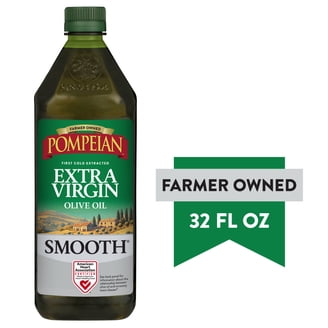
Best Uses for Robust Olive Oil
Robust olive oil works well when you want the oil to stand out. Its strong flavor can support foods with rich, salty, spicy, or earthy qualities.
Try robust olive oil with:
• Tomato soup
• Bean stew
• Grilled steak or chicken
• Roasted vegetables
• Lentil dishes
• Crusty bread
• Pasta with garlic and chili
• Strong cheeses
• Hummus
• Hearty salads
A robust oil can make a simple bowl of beans taste more complete. Drizzle it over the food after cooking to protect its fresh aroma and peppery character.
It also works well as a finishing oil. Pour a small amount over soup, grilled vegetables, or roasted potatoes just before serving. This method lets you taste its aroma more clearly.
The difference between robust and smooth olive oil matters most in finishing dishes. A mild dish can become more interesting with a bold oil, but too much robust oil may cover delicate flavors.

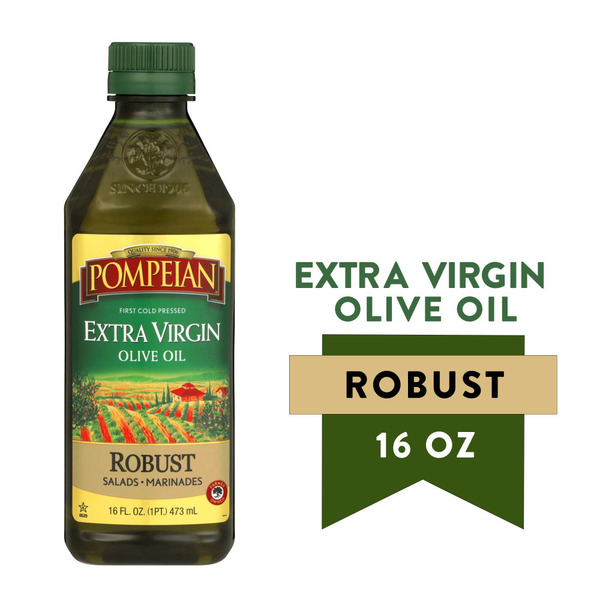
Best Uses for Smooth Olive Oil
Smooth olive oil is useful when you want balance without a strong peppery taste. It blends easily into recipes and allows the main ingredients to remain the focus.
Use smooth olive oil with:
• White fish
• Steamed vegetables
• Mild greens
• Fresh mozzarella
• Rice and grains
• Baked goods
• Mild pasta sauces
• Chicken
• Fruit and cheese plates
• Simple vinaigrettes
Smooth oil is often a good choice for people who are trying extra virgin olive oil for the first time. Its gentle flavor can feel more familiar, especially if someone prefers butter or neutral cooking oils.
It is also helpful when cooking for a group. Guests may have different tastes, and smooth oil is less likely to overpower the meal.
When comparing the difference between robust and smooth olive oil, smooth oil often wins for everyday versatility. It can cook, dress, and finish food without demanding attention.
Can You Cook With Robust or Smooth Olive Oil?
Yes. Both robust and smooth olive oil can be used for cooking. The right choice depends on the heat, recipe, and flavor you want.
Extra virgin olive oil is suitable for many common cooking methods, including sautéing, roasting, baking, and pan cooking. Its smoke point varies with freshness, free fatty acids, and other factors, so one fixed number does not describe every bottle.
For very high heat, avoid letting any oil smoke. Smoke means the oil is breaking down and may create unpleasant flavors. Use moderate heat, watch the pan, and choose an oil that suits the dish.
Use robust oil when:
• You want a strong olive flavor in the finished meal.
• You are cooking hearty vegetables or meat.
• You are making a bold sauce or stew.
Use smooth oil when:
• You want a quiet background flavor.
• You are cooking fish or mild vegetables.
• You are baking or making a gentle dressing.
The difference between robust and smooth olive oil is mainly sensory, not a strict cooking safety rule. Both can perform well when stored and used correctly.
How to Taste Olive Oil at Home
You can explore the difference between robust and smooth olive oil with a simple tasting test. You do not need special equipment.
- Pour a small amount of each oil into two clean cups.
- Warm the cup in your hand for a minute.
- Swirl the oil gently.
- Smell it and look for fruit, grass, herbs, almond, or ripe notes.
- Sip a little and let it move across your tongue.
- Notice bitterness, texture, and pepper at the finish.
- Taste a piece of plain bread or apple between samples.
Do not judge an oil only by color. A green color does not always mean better quality, and professional tasters often use colored glasses to avoid color bias.
One common mistake is expecting smooth oil to have no flavor. Good smooth oil should still taste clean and fresh. It should not smell like crayons, old nuts, vinegar, wet cardboard, or paint.
When I compare oils, I focus first on freshness and cleanliness. A mild but fresh oil is more enjoyable than a bold oil with stale or rancid notes. This is one of the most useful lessons for anyone learning the difference between robust and smooth olive oil.
How to Choose the Right Olive Oil
Start with the food you eat most often. If you enjoy beans, roasted vegetables, soups, and grilled foods, robust olive oil may suit you. If you cook fish, chicken, rice, and mild vegetables, smooth oil may be more useful.
Then check the package. Look for:
• Extra virgin olive oil if you want the highest regulated grade.
• A harvest date, when available.
• A dark glass bottle or metal tin.
• A reasonable best-before date.
• A trusted producer or clear place of origin.
• A bottle size you can finish in a few months.
Avoid storing olive oil beside the stove or in direct sunlight. Heat and light speed up oxidation. Close the cap after each use and keep the bottle in a cool, dark cupboard.
Do not buy a large bottle only because it costs less per ounce. If the oil sits open for a year, it may lose much of its aroma and taste. Freshness often matters more than choosing between robust and smooth.
Common Mistakes to Avoid
Many shoppers assume that robust olive oil is always healthier or more authentic. That is too simple. Intensity can be enjoyable, but it does not prove that the oil was made well.
Other mistakes include:
• Treating “smooth” as a synonym for low quality.
• Thinking bitter or peppery oil is spoiled.
• Choosing oil based only on bottle color.
• Keeping the bottle near an oven or window.
• Buying more oil than you can use while fresh.
• Expecting every extra virgin olive oil to taste the same.
• Using strong oil with delicate food without tasting first.
A clean oil may have bitterness and pepper. A bad oil usually has unpleasant flavors, such as mustiness, rancid nuts, fermented fruit, or a waxy smell.
The difference between robust and smooth olive oil becomes easier to understand when you stop asking which one is best and start asking which one fits the meal.
Frequently Asked Questions About the Difference Between Robust and Smooth Olive Oil
Is robust olive oil better than smooth olive oil?
No. Robust and smooth describe flavor intensity, not overall quality. A fresh, well-made smooth oil can be just as high quality as a fresh, well-made robust oil.
What makes olive oil robust?
Robust olive oil often comes from early-harvest olives and naturally strong olive varieties. Its bold taste may include green fruit, grass, bitterness, and a peppery finish.
Is smooth olive oil good for cooking?
Yes. Smooth olive oil works well for sautéing, roasting, baking, dressings, and mild dishes. It offers a gentle flavor that does not usually overpower other ingredients.
Does robust olive oil contain more antioxidants?
It may contain higher levels of some phenolic compounds, but this varies by olive variety, harvest date, processing, and storage. Taste alone cannot confirm the exact antioxidant level.
Can smooth olive oil be extra virgin?
Yes. “Smooth” is a flavor description, while “extra virgin” is a regulated quality grade. An oil can be both smooth and extra virgin if it meets the required chemical and sensory standards.
Why does robust olive oil make my throat tickle?
The tickle or peppery sensation comes from natural compounds in the oil. It is common in fresh, bold olive oils and does not usually mean the oil is spoiled.
How long does olive oil stay fresh after opening?
Quality can decline after opening because of air, heat, and light. For the best flavor, close the bottle tightly and try to use it within a few months.
Conclusion
The difference between robust and smooth olive oil comes down to taste, aroma, bitterness, pepper, and mouthfeel. Robust oil is bold and lively, while smooth oil is gentle and rounded. Both can be excellent choices, and neither style is automatically superior.
Choose robust olive oil for hearty foods and bold finishing flavors. Choose smooth olive oil for delicate dishes, everyday cooking, and mild dressings. Buy a fresh bottle, store it in a cool dark place, and taste both styles to discover your preference.
Try one robust and one smooth olive oil with your next meal, then share your favorite pairing or explore more practical olive oil guides.