
Introduction
Yes, you may need water in a slow cooker, but not always. Add water, broth, sauce, or another recipe liquid when the recipe needs moisture. Do not fill the crock with water by default. Slow cookers trap steam, and many foods release their own juices as they cook.
For most U.S. slow-cooker recipes, use enough liquid to prevent scorching and help create steam, but do not cover every ingredient unless the recipe or appliance manual says to do so. Never pour water into the outer heating base or immerse that electrical base in water.
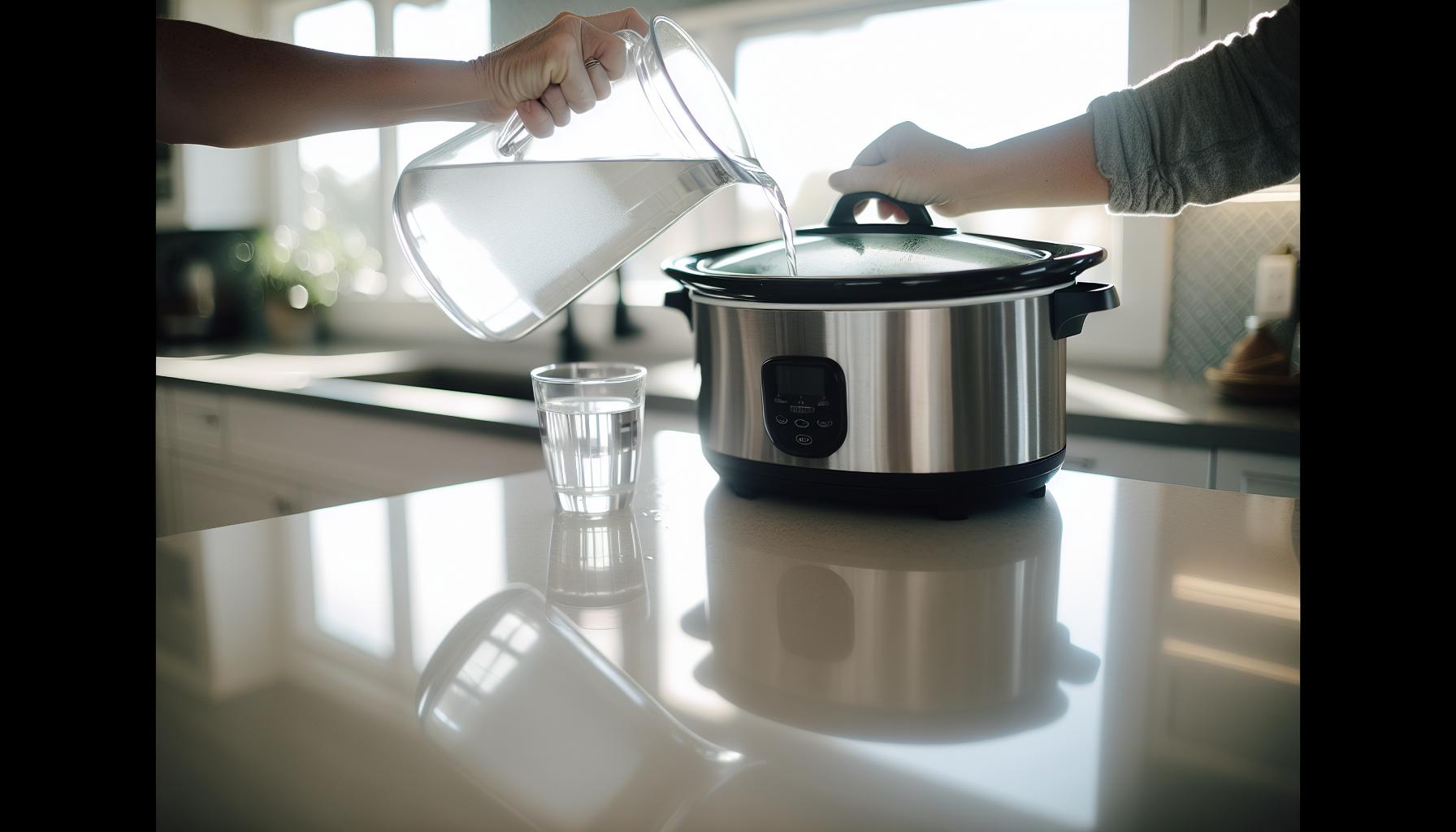
When Should You Put Water in a Slow Cooker?
Add water when the recipe contains dry ingredients, needs a thin cooking liquid, or may stick or burn during a long cook. Soups, stews, beans, grains, and some braised meats usually need liquid.
You may not need extra water when cooking:
- A fatty cut of meat
- Chicken with added sauce
- Vegetables that release water
- A recipe with canned tomatoes, broth, salsa, or another liquid
- Meat that will be covered by a wet sauce
The key question is not “Does a slow cooker always need water?” It is “Does this food need added liquid for the recipe to cook correctly?”
Water goes in the removable crock—not the base
A slow cooker has two main parts:
- The removable crock or cooking pot
- The electric heating base
Put food and liquid in the removable crock. Keep the heating base dry. Water in the electrical base can cause damage, electric shock, or a short circuit.
The crock may sit inside the base while cooking, but the base itself should never be used as a water container.
Water is not needed around the crock
Do not create a water bath around the removable crock unless the appliance manual specifically gives that instruction. Most slow cookers heat the crock directly from the base. Extra water around it will not improve normal slow-cooker cooking.
A slow cooker does not work like a stockpot
A pot on the stove loses much more water through evaporation. A slow cooker has a lid that holds in heat and moisture. This means that a recipe written for a stovetop pot may need less liquid when adapted for a slow cooker.
Do not automatically add the same amount of water listed for stovetop cooking.
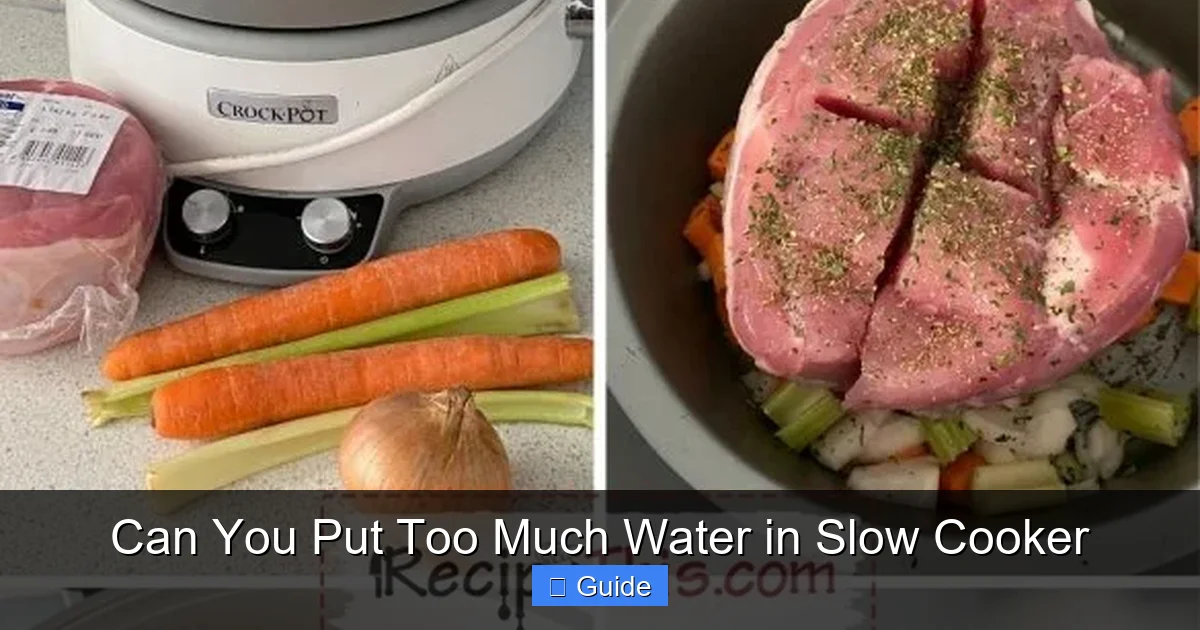
How Much Water or Liquid Should You Add?
Use the smallest amount of liquid that lets the recipe cook well. The exact amount depends on the food, the size of the slow cooker, the cooking time, and how much moisture the ingredients release.
As a general guide:
| Food or recipe | Typical liquid approach |
|---|---|
| Soup | Add enough liquid to create the soup, while staying below the cooker’s fill limit |
| Stew | Use enough broth, water, or sauce to partially surround the food |
| Pot roast | Usually needs only a modest amount of broth, water, wine, or sauce |
| Chicken with sauce | The sauce may provide all needed liquid |
| Dry beans | Use plenty of cooking liquid because beans absorb water |
| Rice or grains | Follow the grain’s liquid ratio and the cooker manual |
| Pasta | Add liquid based on the recipe; pasta can become soft if overcooked |
| Vegetables | Often need little or no extra water |
| Oatmeal | Use the recipe’s measured liquid because grains absorb it |
These are planning guidelines, not universal measurements. A manufacturer’s instructions and the specific recipe should take priority.
A simple liquid rule for meat
For many meat recipes, liquid does not need to cover the meat. A small amount in the bottom of the crock can create steam and prevent sticking. Meat, poultry, onions, tomatoes, and other ingredients may release additional liquid during cooking.
Adding too much water can make the finished dish bland and thin. It can also dilute sauces and prevent meat from developing a rich flavor.
Dry foods need more careful measurement
Rice, beans, lentils, barley, and pasta absorb liquid. They may need more water than meat or vegetables, but too much liquid can make them mushy.
For these foods:
- Use a recipe designed for a slow cooker when possible.
- Measure the liquid instead of pouring it in by guesswork.
- Check whether the food should be added at the start or near the end.
- Follow the package instructions if the slow-cooker recipe does not give a clear ratio.
What Liquid Should You Use?
Water works, but it is not your only choice. The best liquid depends on the flavor and texture you want.
Common options include:
- Water
- Chicken, beef, or vegetable broth
- Tomato sauce
- Canned tomatoes
- Salsa
- Coconut milk
- Wine or beer
- Barbecue sauce
- Soy-based sauce
- Gravy
- Fruit juice
Broth adds more flavor than plain water. Water is useful when the other ingredients already contain salt, seasoning, or strong flavors.
Watch the salt level
Broth, canned soup, soy sauce, bouillon, and prepared sauces can contain a lot of sodium. If you combine several of them, the dish may become too salty after the liquid reduces slightly.
Choose low-sodium broth when possible. You can add salt near the end, but removing excess salt is difficult.
Be careful with dairy
Milk, cream, sour cream, and some soft cheeses can separate during a long cook. They may become grainy or curdled.
For better results, add many dairy ingredients near the end of cooking. Use a recipe that specifically explains when to add them.
Use alcohol with care
Alcohol does not vanish instantly in a slow cooker. If a recipe uses wine or beer, use the stated amount and allow enough cooking time. Do not add a large amount of alcohol by guesswork.
People who must avoid alcohol should use broth, juice, or another suitable substitute.

How to Add Water to a Slow Cooker: Step-by-Step
Use this method when a recipe calls for water or another cooking liquid.
1. Read the recipe and appliance manual
Check the recipe first. Then review the instructions for your specific slow cooker. Models differ in size, heat pattern, fill limits, and recommended cooking methods.
2. Prepare the ingredients
Cut meat and vegetables into similar-sized pieces when practical. Place firm vegetables, such as carrots and potatoes, near the bottom because they often take longer to soften.
3. Add the measured liquid
Pour water, broth, or sauce into the removable crock. Add the amount listed in the recipe.
If you are adapting a stovetop recipe, start with less liquid than the stovetop version uses. You can often thin a finished sauce later, but you cannot easily remove excess water during slow cooking.
4. Keep the cooker within its fill range
Many manufacturers advise filling the crock at least halfway and no more than two-thirds full. A cooker that is too full may cook unevenly. A cooker that is too empty may also heat differently than intended.
Follow the manual for your model if it gives a different limit.
5. Put the lid on and keep it closed
The lid holds in heat and moisture. Each time you lift it, steam escapes and cooking slows.
Open the lid only when the recipe tells you to stir, add an ingredient, or check doneness.
6. Check the food for safe doneness
Do not rely only on the cooking time. Check meat with a food thermometer.
The U.S. Department of Agriculture recommends:
- Poultry: 165°F
- Ground meats: 160°F
- Whole cuts of beef, pork, veal, and lamb: 145°F, followed by a three-minute rest
Insert the thermometer into the thickest part without touching bone.
7. Adjust the finished dish
If the food is too thick, stir in a small amount of hot water or broth. If it is too thin, use a recipe-approved thickener or transfer the liquid to a saucepan for reduction.
Do not remove the lid repeatedly to force evaporation. A slow cooker is not designed to reduce liquid as quickly as an uncovered pan.
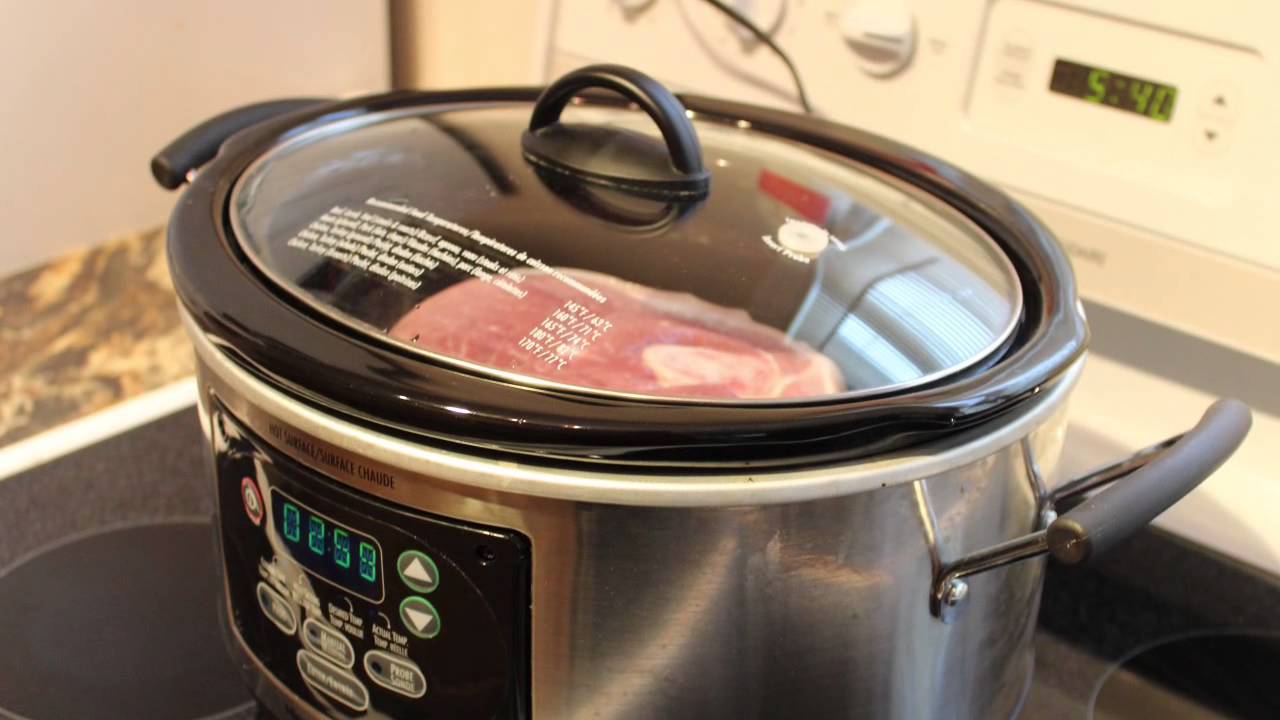
When Should You Not Add Water?
Do not add water simply because the appliance is turned on. Extra liquid can damage the texture and flavor of some dishes.
Avoid adding extra water when:
- The recipe already contains enough broth or sauce
- You are cooking vegetables that release plenty of moisture
- You are making meat in a thick sauce
- You want a concentrated gravy
- The dish contains frozen ingredients that will release water as they thaw
- The recipe’s liquid ratio is precise, such as rice or oatmeal
Do not use water to fill the slow cooker above its safe capacity. Overflow can reach the heating base and create a safety hazard.
Do not add frozen meat to a slow cooker
The USDA advises thawing meat and poultry before placing them in a slow cooker. Frozen meat may remain in the food-safety danger zone too long while the cooker slowly heats.
Thaw meat in the refrigerator, in cold water changed regularly, or in the microwave if you cook it right away. Do not thaw meat on the kitchen counter.
Do not use the slow cooker to reheat food
A slow cooker can keep already-hot food warm, but it is not the best tool for bringing cold leftovers to a safe temperature. Reheat leftovers on the stove, in the oven, or in a microwave until they reach 165°F, then transfer them to the slow cooker for holding if appropriate.
Keep the lid on and use the appliance’s warm setting only as directed by the manufacturer.

Water, Broth, and Sauce: Which Is Best?
The best choice depends on the purpose of the liquid.
| Your goal | Best liquid choice |
|---|---|
| Add moisture without changing flavor much | Water |
| Add savory flavor | Low-sodium broth |
| Make chili or tomato stew | Crushed tomatoes or tomato sauce |
| Make pulled pork | Broth, apple juice, or barbecue sauce |
| Cook beans | Water or broth with seasonings |
| Make curry | Coconut milk, broth, or a recipe-specific sauce |
| Make gravy | Broth plus a thickener added at the correct stage |
Water is neutral, but neutral does not mean flavorless once it extracts flavor from meat, vegetables, and seasonings. Broth gives a stronger starting point, but it can also add salt.
Choose the liquid that fits the dish instead of adding water by habit.

Common Slow-Cooker Water Mistakes
Adding too much liquid
Too much liquid can produce watery soup, weak gravy, and soft vegetables. Since slow cookers retain moisture, begin with the recipe’s measured amount.
Using too little liquid for dry beans or grains
Beans and grains absorb water as they cook. Too little liquid may leave them hard or cause food to stick.
Use a tested recipe for the exact ingredient. Different beans, grains, and cooker sizes can require different amounts.
Pouring water into the heating base
This is one of the most serious mistakes. Keep the electrical base dry and clean it only according to the manual.
Lifting the lid too often
Opening the lid releases heat and steam. It may add substantial time to the cooking process, especially during a long recipe.
Filling the crock too high
Overfilling can lead to spills and uneven cooking. Stay within the manufacturer’s recommended range.
Adding flour at the wrong time
Flour added directly to a slow cooker may clump or leave a raw taste. Mix it as the recipe directs, or use a cornstarch slurry near the end when suitable.
Leaving food at room temperature
Perishable food should not sit out for long periods. Refrigerate leftovers in shallow containers and use them within the time recommended by the USDA or your local food-safety authority.

What to Do If the Slow-Cooker Food Is Too Watery
A watery result usually means the recipe had too much liquid, the ingredients released more moisture than expected, or the dish needs a thickener.
Try one of these methods:
- Remove some liquid. Ladle out excess broth and save it for another use.
- Thicken with cornstarch. Mix cornstarch with cold water first, then stir the slurry into the hot dish as directed by the recipe.
- Use flour carefully. Add a properly mixed flour slurry or a prepared roux.
- Mash some ingredients. Mashed potatoes, beans, or vegetables can thicken a dish naturally.
- Reduce the liquid on the stove. Transfer broth or sauce to a saucepan and simmer it uncovered.
Do not leave the slow cooker uncovered for a long time and expect fast reduction. Its heat is gentle, and the open lid can affect food temperature.
What to Do If the Slow-Cooker Food Is Too Dry
Dry food may result from too little liquid, an overfilled cooker, a loose lid, a lean cut of meat, or cooking for too long.
First, check whether the meat has reached a safe internal temperature. Then add a small amount of hot broth, water, or sauce. Stir gently and let the food heat again with the lid on.
If meat is dry but safe, shred it and mix it with some cooking liquid. For future batches, use a cut suited to slow cooking and avoid cooking lean meat longer than needed.
Is It Safe to Put Raw Meat and Water in a Slow Cooker?
Yes, raw meat can cook in a slow cooker when it is thawed, handled safely, and heated to the proper internal temperature. Water or broth can help create a moist cooking environment, but liquid does not make unsafe meat safe by itself.
Wash hands after handling raw meat. Keep raw meat separate from ready-to-eat food. Use a clean food thermometer to check doneness.
The USDA recommends following the slow cooker manufacturer’s directions, keeping the lid in place, and using a cooker that is large enough for the amount of food.
Frequently Asked Questions
Does water need to cover the meat in a slow cooker?
No. Water usually does not need to cover the meat. Many recipes use only a small amount of liquid because the lid traps steam and the meat releases juices. Follow the recipe rather than using a “cover the meat” rule.
Can I use cold water in a slow cooker?
Yes, unless the recipe or appliance manual says otherwise. Cold water will take longer to heat. For food-safety reasons, start with thawed meat and do not use the slow cooker to thaw frozen meat.
Can I cook vegetables in a slow cooker without water?
Yes. Many vegetables release moisture as they soften. Dense vegetables may benefit from a small amount of broth or sauce, especially during a long cooking time. Check the recipe to avoid making them watery.
Should I add water when cooking chicken in a slow cooker?
Only if the recipe needs it. Chicken can cook in broth, sauce, salsa, or its own juices. Adding too much water may dilute the flavor. Cook poultry to an internal temperature of 165°F.
Can I add more water while the slow cooker is cooking?
You can add liquid if the recipe needs it, but use hot liquid when possible and replace the lid quickly. Adding a large amount of cold liquid can lower the cooking temperature and extend the cooking time.
Final Answer: Do You Put Water in a Slow Cooker?
Put water or another liquid in the removable crock when the recipe needs moisture, steam, or a cooking medium. Do not add water by default, do not pour water into the electrical base, and do not assume the liquid must cover the food.
For the best result, measure the liquid, keep the cooker within its fill range, keep the lid closed, and check meat with a food thermometer. When adapting a stovetop recipe, remember that a slow cooker loses less moisture, so it often needs less added liquid.
Sources and further reading
- USDA: Slow Cookers and Food Safety
- USDA: Safe Minimum Internal Temperature Chart
- FDA: Safe Food Handling
- The owner’s manual for your specific slow-cooker model