
Yes, ice maker water usually goes through a filter, but it depends on the appliance and its plumbing.
Does ice maker water go through a filter in every refrigerator? No. Some ice makers use the refrigerator’s built-in water filter, while others connect to an unfiltered water line. The water path, filter location, and bypass setup all matter. This guide explains how to check your system, what filters remove, and how to keep your ice clean and safe.
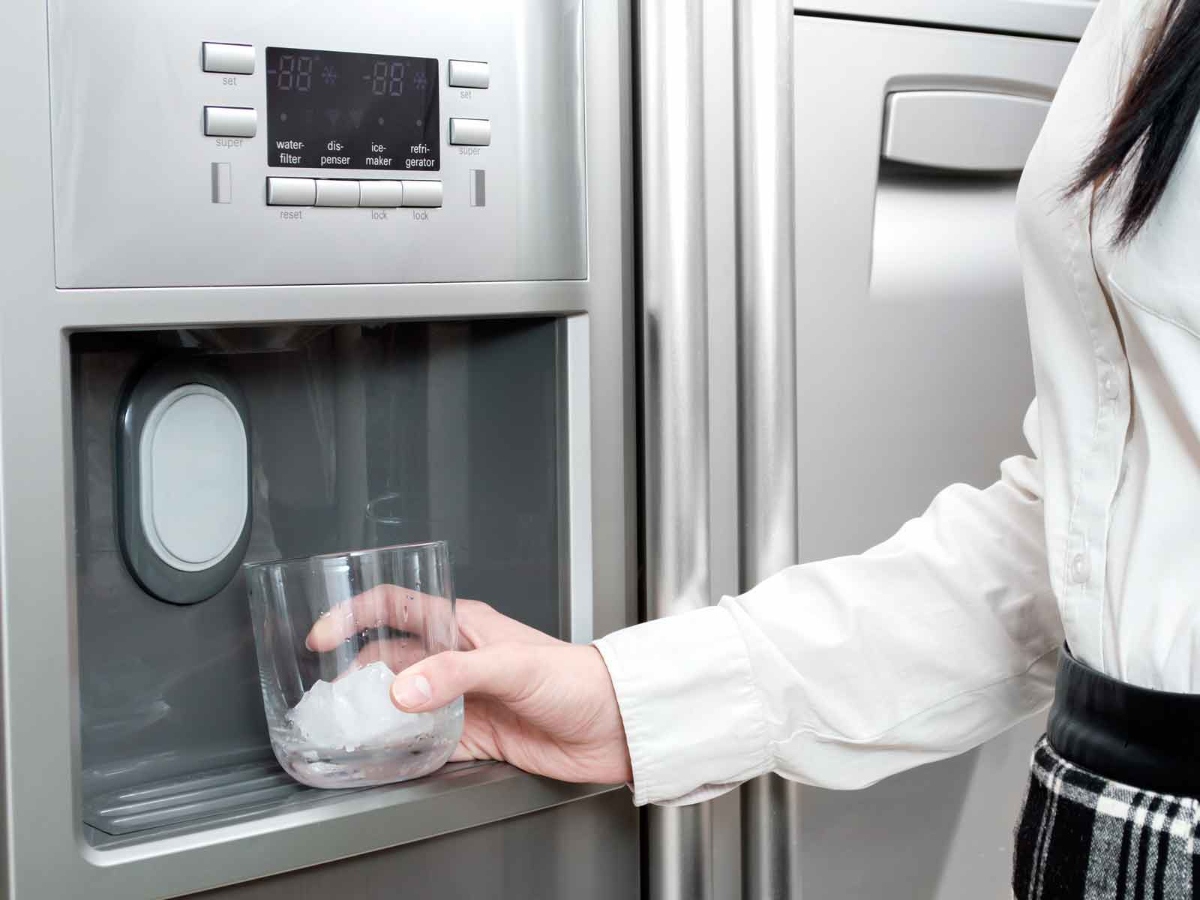
Does ice maker water go through a filter?
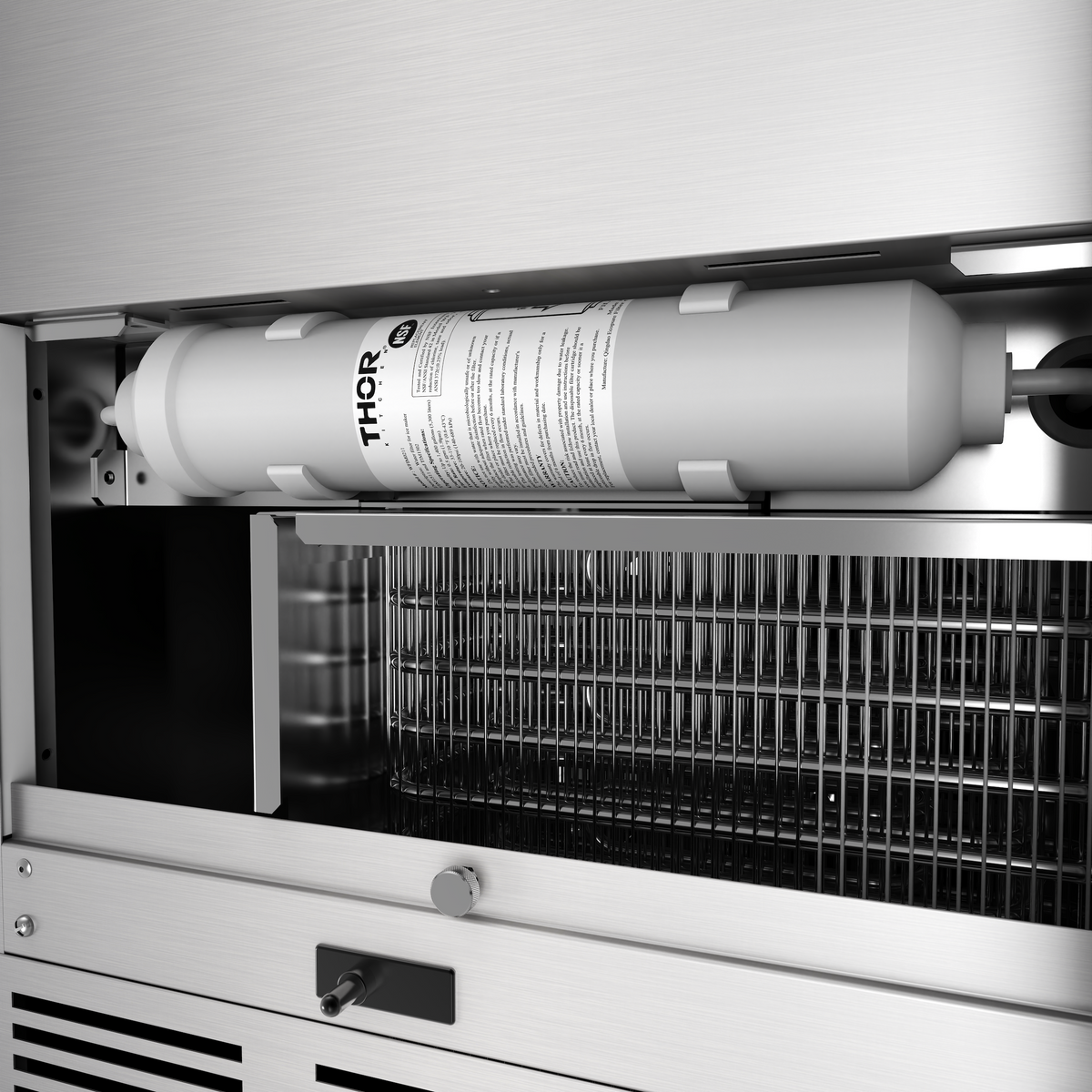
In many modern refrigerators, ice maker water goes through a filter before it reaches the ice mold. The filter may sit inside the refrigerator, behind the grille, or in an external housing under the sink.
The filter usually serves both the water dispenser and the ice maker. A small valve sends water through the filter, then directs it to the dispenser or ice maker when needed.
However, not every ice maker has filtered water. A basic refrigerator, freezer ice maker, or standalone ice machine may connect directly to the home water supply. In that case, the ice maker water does not go through a filter unless you install one.
To know for sure, check:
• The refrigerator owner’s manual
• The water line behind the appliance
• The filter housing or filter light
• The plumbing diagram on the manufacturer’s support page
• Whether the dispenser and ice maker share the same water line
A filter can improve taste and reduce some impurities, but it does not make every water source completely safe. If your tap water is unsafe, use a tested treatment system rather than relying only on a refrigerator filter.
How the water reaches the ice maker
The ice maker water path is simple. Think of it as a short road with a few stops.
First, water leaves the home supply line. It then passes through a shutoff valve and, if installed, a filter. From there, a water inlet valve opens for a few seconds and sends water into the ice maker mold.
The ice maker freezes that water into cubes. When the thermostat senses that the ice is frozen, the motor pushes the cubes into the storage bin.
In a typical filtered refrigerator, the path looks like this:
- Household water supply
- Shutoff valve
- Refrigerator water filter
- Water inlet valve
- Ice maker fill tube
- Ice mold
- Ice storage bin
Some models use separate lines for the dispenser and ice maker. Others use one shared line after the filter. This is why the exact answer to “does ice maker water go through a filter” depends on the refrigerator design.
An ice maker does not usually filter water inside the ice mold. If the water reaches the mold without passing through a filter, the freezing process does not remove most dissolved minerals, metals, or chemical compounds.
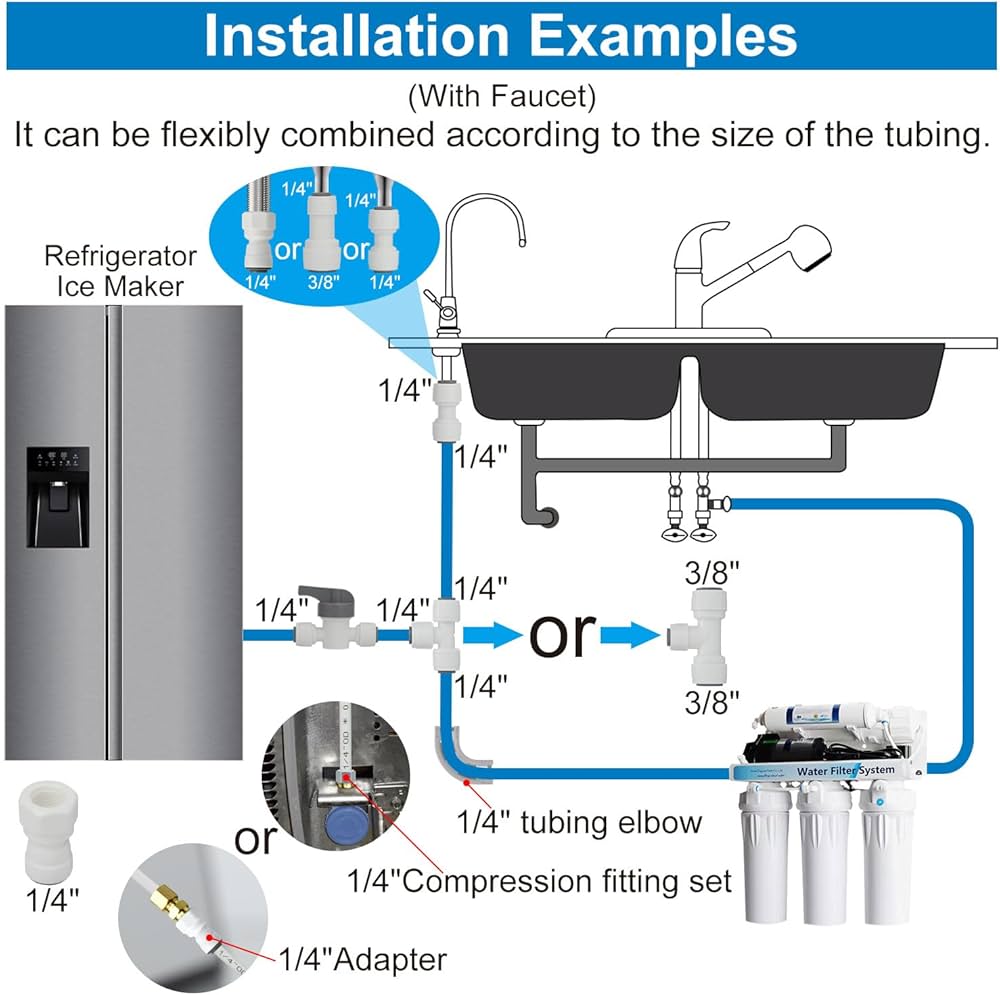
Types of ice maker water filters
Several filter setups are common in homes. Identifying yours can quickly answer whether ice maker water goes through a filter.
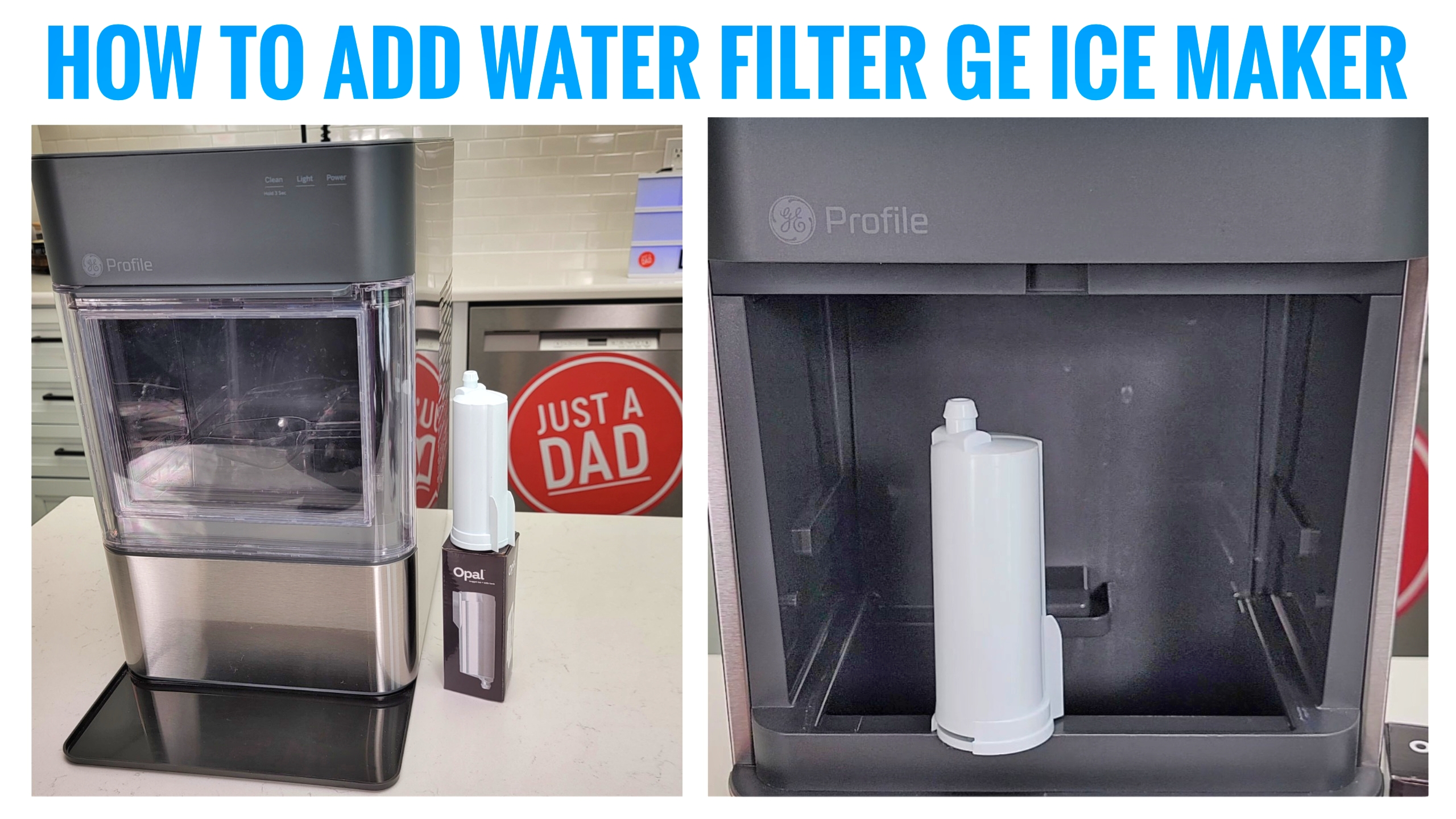
Built-in refrigerator filter
Many French-door and side-by-side refrigerators have a replaceable cartridge. It may be located inside the refrigerator compartment, near the top corner, or behind the bottom grille.
This filter often supplies both the drinking water dispenser and the ice maker. Most cartridges use activated carbon and other filter media to reduce chlorine taste, odor, sediment, and certain contaminants.
Inline water filter
An inline filter sits on the water tube behind the refrigerator. It may be installed by the homeowner, plumber, or appliance installer.
Inline filters are common when the refrigerator has no built-in cartridge. They can filter water for the ice maker and dispenser, but only if the water line passes through the filter before reaching the appliance.
Under-sink filtration system
Some homes use a filter under the kitchen sink. A dedicated tube may run from that system to the refrigerator.
When installed correctly, the ice maker receives filtered water from the under-sink unit. This setup can provide better filtration than a small refrigerator cartridge, depending on the filter type and certification.
Reverse osmosis system
A reverse osmosis system can supply very clean water to an ice maker. It removes many dissolved solids, but it may also produce water slowly.
Some ice makers work well with reverse osmosis water. Others may need a storage tank, a pressure booster, or a special installation because low water pressure can cause slow filling or small ice cubes.
No filter
Some ice makers connect directly to a cold-water line. These systems rely on the quality of the household water supply.
If the water has sediment, a metallic taste, or a strong chlorine odor, the ice may show the same problem. Adding an approved inline filter can help, but the filter must match the flow rate and pressure needs of the appliance.
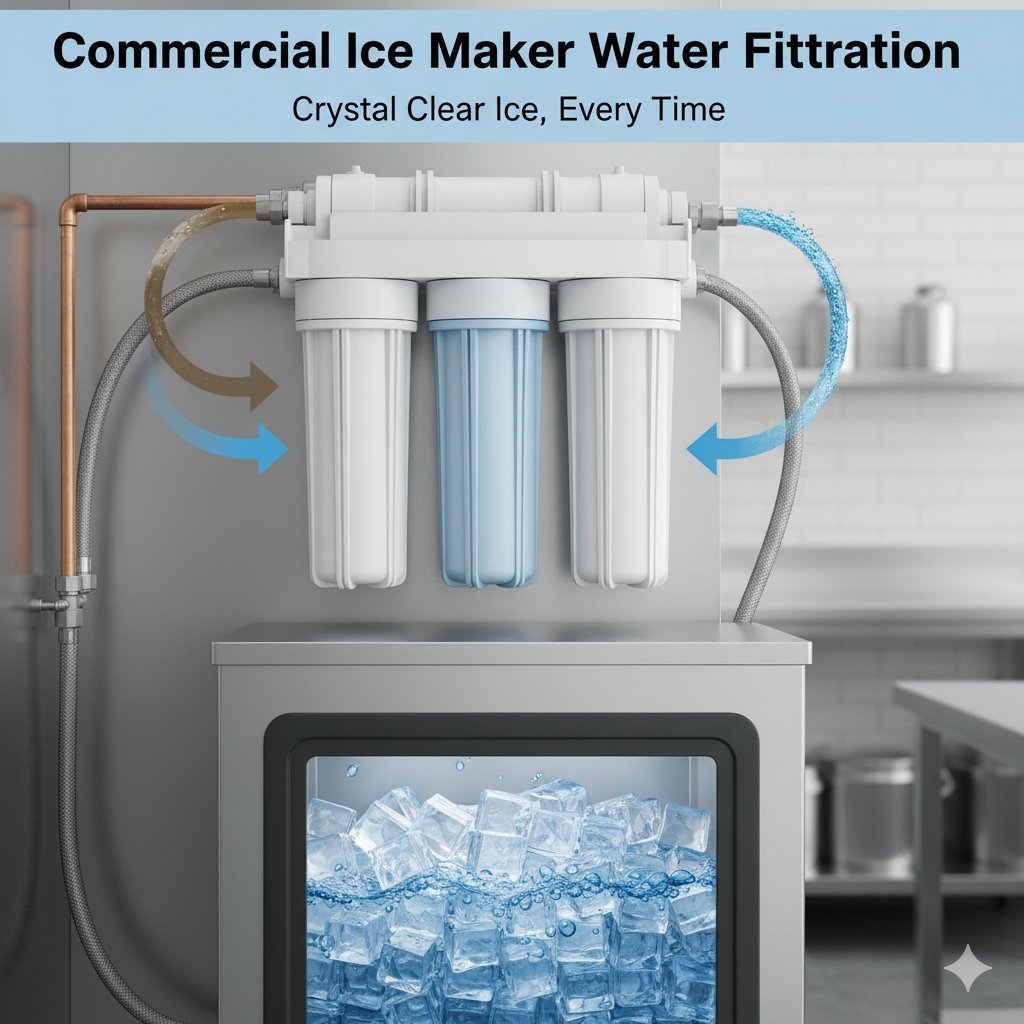
How to tell whether your ice maker uses filtered water
You can often find the answer without taking the refrigerator apart. Start with the easiest checks.
Check the owner’s manual
Search the manual for terms such as “water filter,” “ice maker water supply,” “filter bypass,” or “water system.” The plumbing diagram may show whether the filter sits before the ice maker valve.
If you no longer have the manual, use the full model number on the manufacturer’s website. Similar refrigerator models may use different plumbing layouts, so the exact model matters.
Look for a filter cartridge
Inspect the inside of the refrigerator and the lower front grille. A removable cartridge usually means the refrigerator has a built-in filtration system.
Still, do not assume the cartridge filters the ice maker. Some appliances route only dispenser water through the cartridge, although this is less common in many modern models.
Trace the water line
Unplug the refrigerator before moving it, and turn off the water supply if you need to disconnect anything. Look for an inline filter installed along the plastic water tube.
The filter must be installed before the line splits toward the dispenser and ice maker. If it is placed only on the dispenser branch, the ice maker may still receive unfiltered water.
Test the bypass
Many refrigerators include a filter bypass plug. If the ice maker works normally with the filter removed and the bypass installed, the appliance is designed to use a filter.
Do not run the refrigerator without the correct filter or bypass if the manufacturer warns against it. A missing cartridge can cause leaks or prevent water from flowing.
Compare the ice and dispenser water
This is not a perfect test, but it can offer a clue. If dispenser water tastes filtered while the ice has a strong chlorine or mineral taste, the two water paths may differ.
Taste alone cannot prove filtration. Use the manual or plumbing layout for a reliable answer.
What does an ice maker water filter remove?
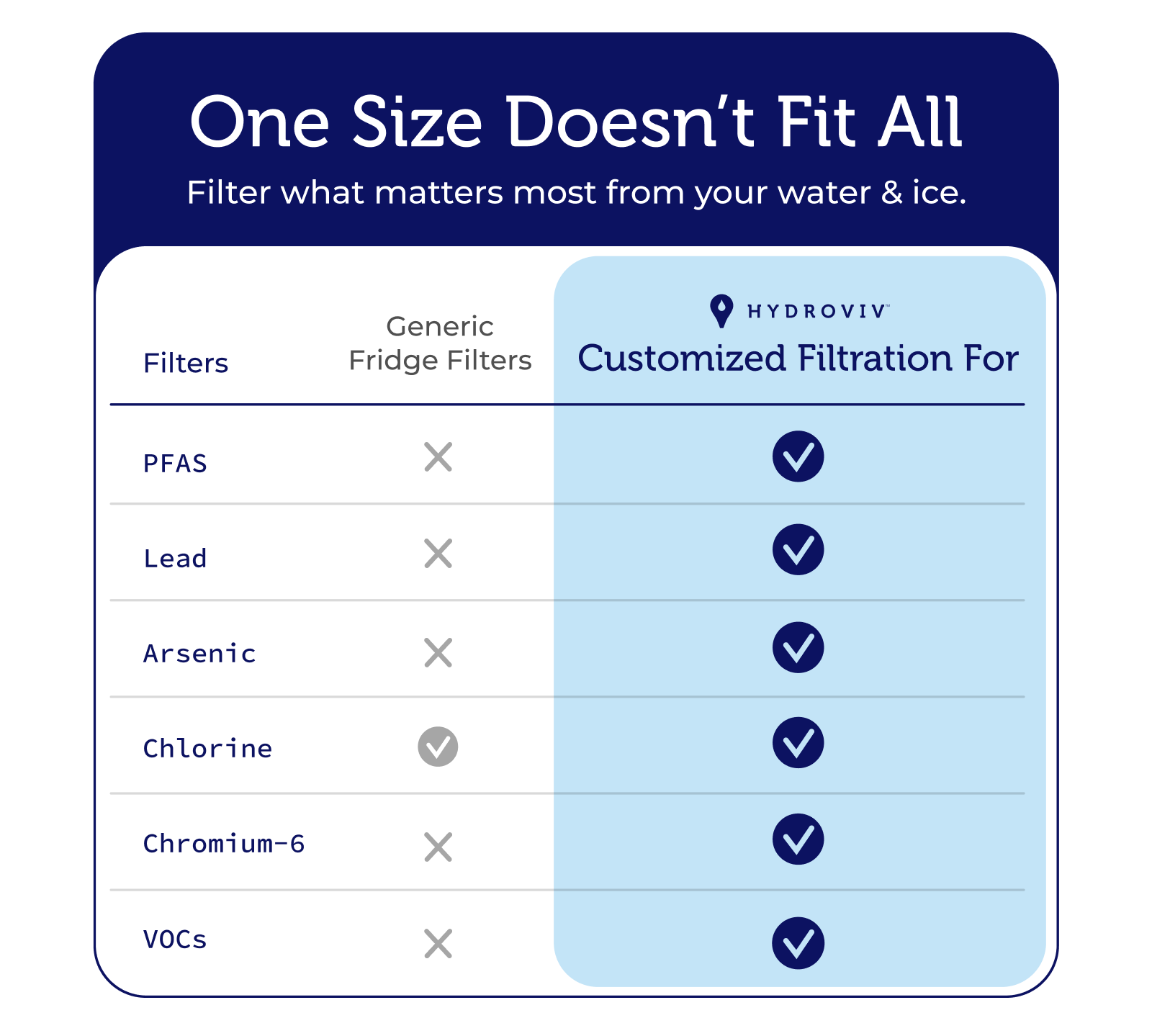
The answer depends on the filter media and its certification. A standard carbon filter may reduce chlorine, odor, and some sediment. More advanced filters may reduce lead, mercury, cysts, or other substances.
Read the performance claims on the filter package. Look for recognized testing standards, such as NSF or ANSI certification, for the specific contaminant you want to reduce.
A filter may help with:
• Chlorine taste and odor
• Sand, rust, and visible sediment
• Some unwanted organic compounds
• Certain metals, when the filter is certified for them
• Some parasites or cysts, when the filter is certified for them
A typical refrigerator filter may not remove:
• All bacteria and viruses
• Every chemical contaminant
• High levels of dissolved minerals
• Salt from softened water
• Nitrates or fluoride unless specifically designed for them
Freezing water also does not purify it. Most impurities remain in the ice, and some contaminants can become more concentrated in the water that freezes last.
For homes with private wells, test the water at least as often as local health authorities recommend. A refrigerator filter is not a replacement for well-water testing or a properly selected treatment system.
Why filtered water makes better ice
Filtered water often produces ice with a cleaner taste and smell. This difference is easy to notice because ice melts slowly in drinks, giving unwanted flavors more time to stand out.
A filter can also reduce sediment that may collect in the inlet valve or fill tube. In areas with older pipes, this may help the ice maker operate more smoothly.
Filtered water may improve:
• Taste and odor
• Ice clarity in some conditions
• Protection from small particles
• The life of certain water valves and tubing
• The taste of drinks made with ice
Still, a filter will not fix every ice problem. Cloudy cubes may result from trapped air, fast freezing, mineral content, or the design of the ice mold. A filter can improve water quality, but it cannot turn every ice maker into a commercial ice machine.
Common problems caused by the wrong filter
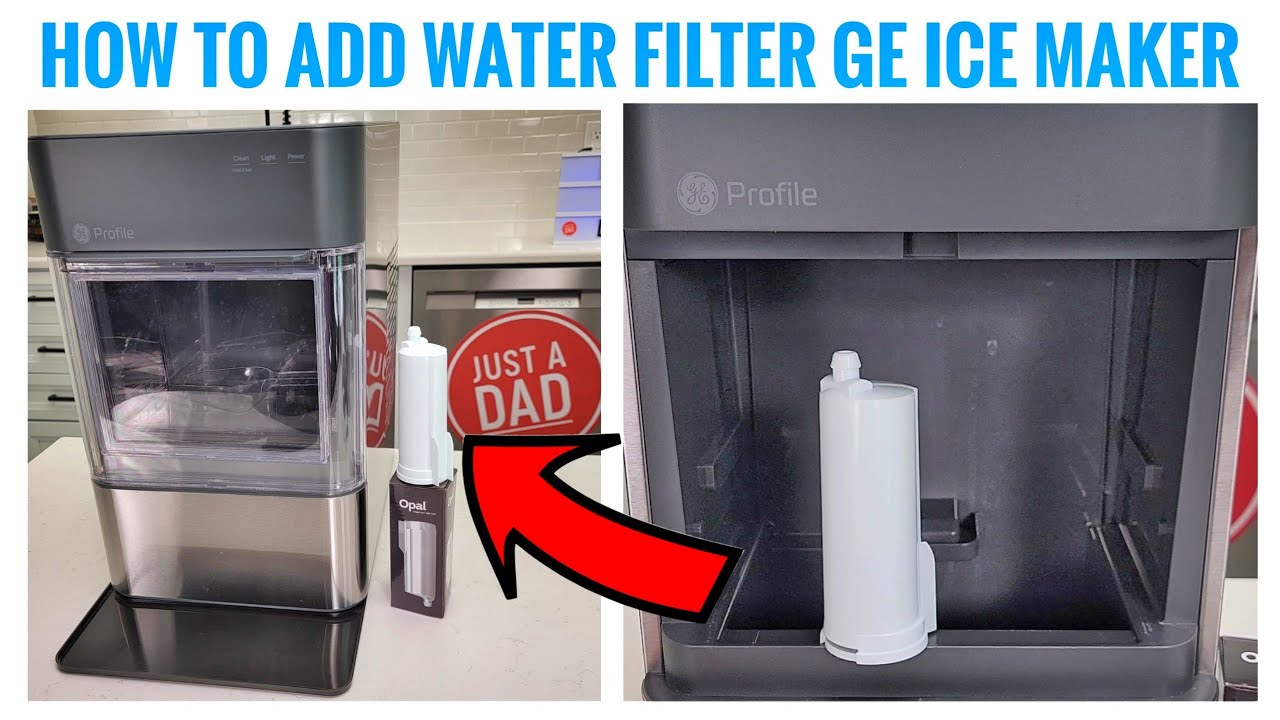
Using the wrong cartridge can create new problems. A filter that fits physically may not meet the appliance’s pressure or flow requirements.
Common signs include:
• Small or hollow ice cubes
• Slow ice production
• A weak water dispenser stream
• Water leaking around the filter
• A filter warning that will not reset
• Strange taste after installation
• The ice maker not filling at all
An overly restrictive filter can reduce water flow. A poorly fitted cartridge can allow water to bypass the filter or leak inside the housing.
One practical lesson from appliance troubleshooting is to avoid choosing a filter by appearance alone. Match the exact model number, connection type, rated capacity, and certification. Cheap, untested cartridges can cost more if they cause leaks or repeated service calls.
How often should you replace an ice maker water filter?
Many refrigerator manufacturers recommend replacing the filter about every six months. The correct interval may be shorter if your water contains heavy sediment or if your household uses a large amount of water and ice.
Replace the filter sooner when:
• The water tastes or smells different
• Ice becomes cloudy or unpleasant
• The dispenser flow slows down
• The filter indicator turns on
• Sediment appears in the water
• The refrigerator has been unused for a long time
After installing a new cartridge, flush the amount of water listed in the manual. This removes carbon dust and trapped air from the filter.
If the refrigerator has been off for an extended period, discard old ice and make a fresh batch. Ice can absorb odors from the freezer, even when the water itself is clean.
How to keep ice maker water clean and safe
Good filtration is only one part of clean ice. The water line, ice mold, storage bin, and surrounding freezer also need care.
Use these habits:
- Replace the filter on schedule.
- Clean the ice bin with mild soap and warm water.
- Rinse the bin well and dry it before replacing it.
- Throw away old ice if it smells stale or has freezer odors.
- Keep food sealed to reduce odor transfer.
- Check the water line for kinks and leaks.
- Use only filters approved for your refrigerator.
- Test private well water on a regular schedule.
Never use harsh chemicals inside the ice maker unless the manufacturer approves them. Some cleaners can damage plastic parts or leave unsafe residue.
If mold, slime, or a persistent bad smell returns after cleaning, inspect the fill tube, drip area, and water reservoir. A service professional may need to clean or replace contaminated tubing.
Does ice maker water go through a filter when the filter is expired?
Usually, water still passes through an expired filter, but the filter may no longer work as intended. Over time, the filter media can become full, which may reduce flow and allow more taste, odor, or contaminants to pass through.
An expired filter does not always make the water dangerous. However, you cannot assume it is still performing at its rated level. Replace it according to the manufacturer’s schedule, especially if you use the ice maker every day.
Does ice maker water go through a filter in a portable ice maker?
Most portable countertop ice makers do not have a built-in water filter. You normally pour water into a reservoir, and the machine freezes that water directly.
If you use a portable unit, fill it with safe, clean water. You can prefilter the water with a certified pitcher or countertop system, but always follow the ice maker’s cleaning instructions.
Can a refrigerator filter make ice completely safe?
No. A refrigerator filter can reduce certain contaminants, but it cannot remove every hazard. Its performance depends on the filter design, condition, water pressure, and the original water quality.
Use a filter certified for the specific contaminant you are concerned about. If a boil-water notice or contamination warning is active, follow local public health instructions instead of relying on the refrigerator filter.
Frequently Asked Questions About Does Ice Maker Water Go Through a Filter
Does ice maker water go through a filter in every refrigerator?
No. Many refrigerators send water through a shared filter before it reaches the ice maker, but some ice makers use a direct, unfiltered water line. Check the manual or trace the water line to confirm your setup.
Does the ice maker use the same filter as the water dispenser?
Often, yes. In many refrigerators, the ice maker and dispenser share one filter and water supply path. Some models use separate lines, so the model-specific manual provides the most accurate answer.
What happens if I do not replace my ice maker filter?
The water flow may become slow, and the ice may develop an unpleasant taste or odor. An old filter may also provide less contaminant reduction than its label promises.
Can an ice maker work without a water filter?
Some ice makers can work without a filter if the manufacturer provides a proper bypass plug or if the unit was designed for direct water connection. Do not remove a filter without checking the manual, because an incorrect bypass can cause leaks or stop water flow.
Does freezing water remove impurities?
No. Freezing does not remove most dissolved chemicals, metals, salts, or many microorganisms. Ice made from unsafe water may still be unsafe after freezing.
How do I know if my ice maker filter is clogged?
Slow ice production, small cubes, a weak dispenser stream, or a filter warning can point to a clogged cartridge. Low household water pressure or a kinked line can cause similar symptoms, so inspect those parts before blaming the filter.
Is filtered water better for making ice?
Filtered water often gives ice a cleaner taste and may reduce sediment. It is better only when the filter is suitable, maintained, and certified for the contaminants it claims to reduce.
Conclusion
So, does ice maker water go through a filter? In many refrigerators, yes, but the answer depends on the model and the way its water line is installed. A built-in cartridge, inline filter, under-sink system, or reverse osmosis unit may serve the ice maker, while some units use unfiltered water.
Check your manual, inspect the water line, replace filters on time, and clean the ice bin regularly. These simple steps can improve taste, protect the appliance, and help you make a safer choice. If you are unsure about your setup, check the model number or ask a qualified appliance technician for help.