
Extra virgin olive oil is usually better for flavor and nutrients, while regular olive oil suits high heat and budgets.
The answer to “is extra virgin olive oil better than regular olive oil” depends on how you plan to use it. Extra virgin olive oil is less processed and richer in natural plant compounds, while regular olive oil has a milder taste and often costs less. This guide compares their nutrition, cooking performance, health benefits, flavor, price, and storage so you can choose with confidence.
What Is Extra Virgin Olive Oil?
Extra virgin olive oil, often called EVOO, is the highest grade of olive oil. It comes from olives that are pressed or centrifuged without chemical refining. The oil must meet strict standards for taste, smell, acidity, and production quality.
The term “extra virgin” is not just a marketing phrase. True EVOO should have a clean, fresh flavor with no major defects. It may taste fruity, grassy, bitter, or peppery. That peppery feeling at the back of your throat often comes from natural plant compounds called polyphenols.
Extra virgin olive oil also keeps more of the olive’s natural components, including:
• Monounsaturated fat, mainly oleic acid
• Vitamin E
• Vitamin K
• Polyphenols and other antioxidants
• Natural flavor and aroma compounds
These qualities explain why many nutrition experts and chefs consider extra virgin olive oil the best choice for salads, dips, vegetables, beans, fish, and finished dishes.
What Is Regular Olive Oil?
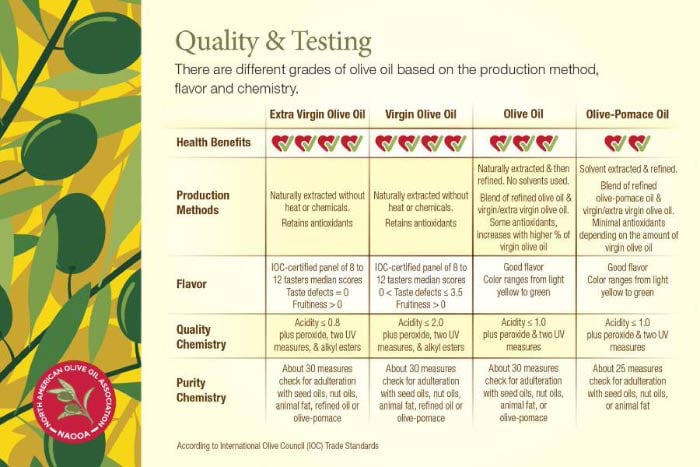
Regular olive oil is usually refined olive oil or a blend of refined olive oil and virgin olive oil. Refining uses heat, filters, and other methods to remove strong flavors, color, and some unwanted compounds.
Because of this process, regular olive oil has a lighter color and a more neutral taste. It can be useful when you do not want olive flavor to dominate a recipe. It is also commonly labeled “pure olive oil” or simply “olive oil.”
Regular olive oil still contains mostly heart-friendly monounsaturated fat. However, it generally has fewer polyphenols and less of the original olive flavor than high-quality EVOO. It is not the same as a low-quality or unhealthy oil, but it is less nutrient-rich in some areas.
This difference is central to the question: is extra virgin olive oil better than regular olive oil? For natural compounds and flavor, EVOO usually wins. For a mild taste and lower price, regular olive oil can be practical.

Is Extra Virgin Olive Oil Better Than Regular Olive Oil?
For most everyday uses, extra virgin olive oil offers more nutritional and culinary value. It is less processed and usually contains more antioxidants and polyphenols. It also gives food a richer flavor that can make simple meals taste brighter.
Still, “better” does not mean that regular olive oil is bad. The right choice depends on your goal, budget, recipe, and personal taste. Regular olive oil can work well for sautéing, roasting, baking, and recipes where you want a neutral oil.
Here is a simple comparison:
| Feature | Extra virgin olive oil | Regular olive oil |
|---|---|---|
| Processing | Mechanical extraction with little processing | Usually refined and blended |
| Flavor | Fruity, grassy, peppery, or bitter | Mild and neutral |
| Polyphenols | Usually higher | Usually lower |
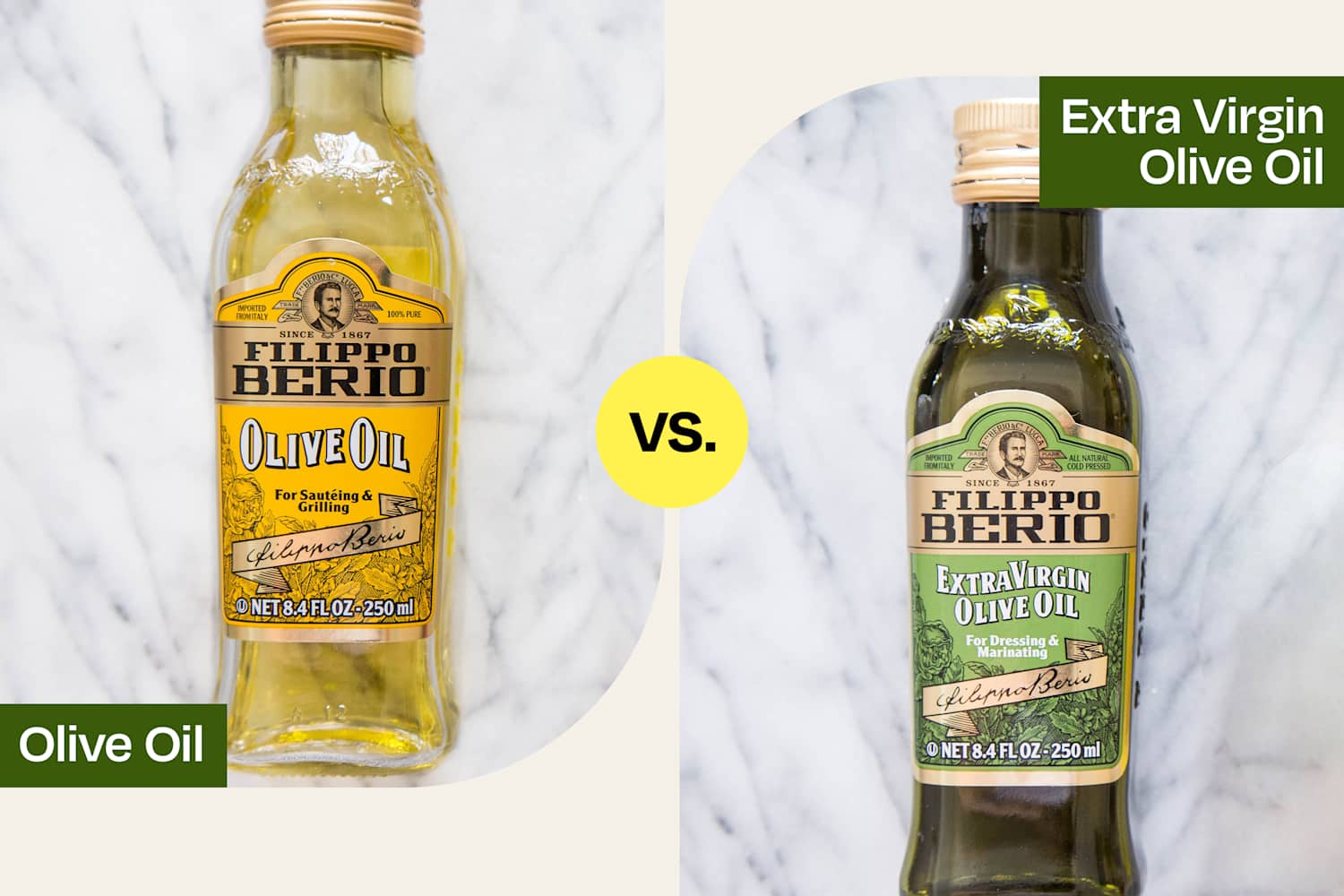
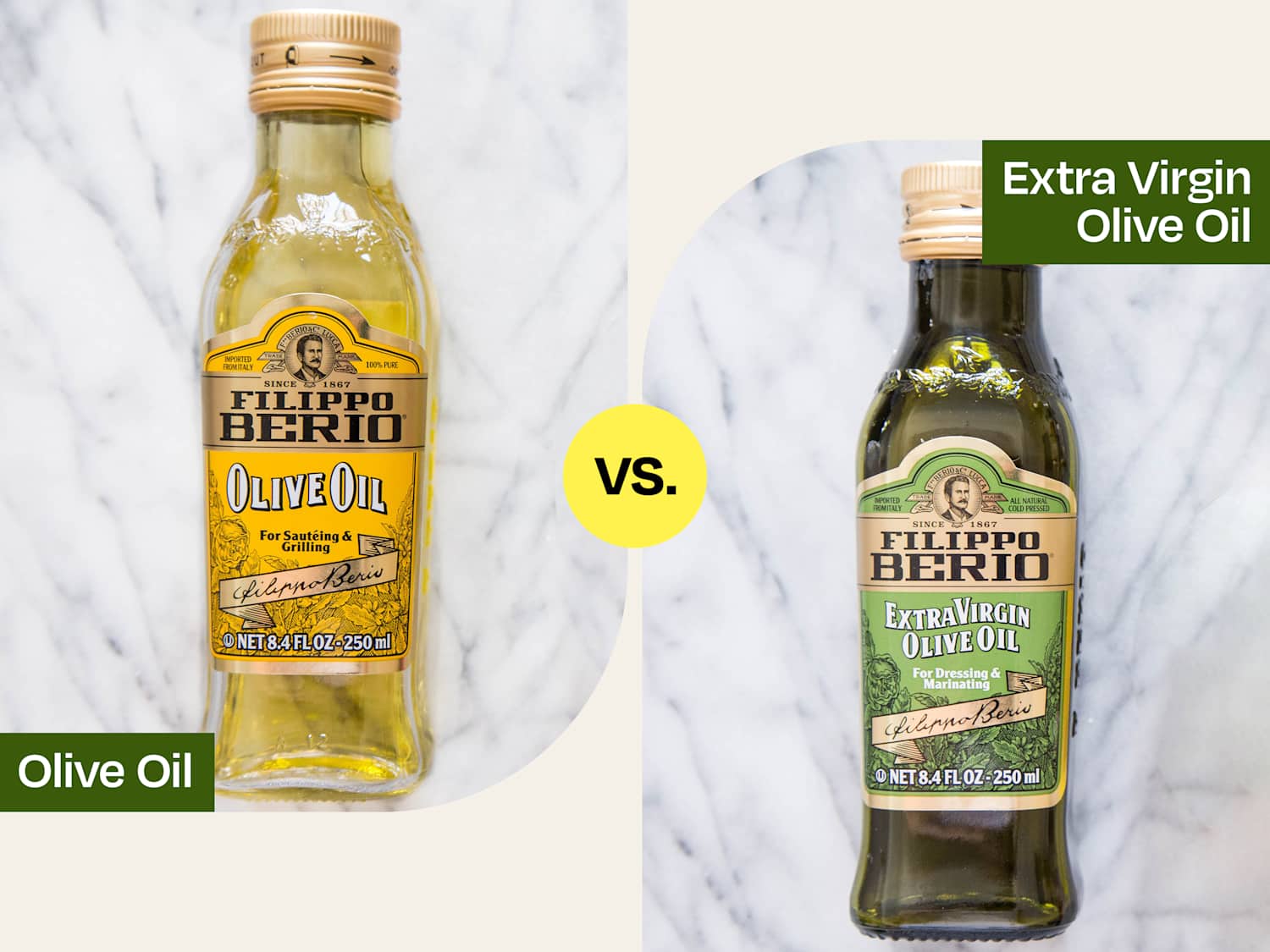
| Color | Often green to golden | Usually pale gold |
| Price | Often more expensive | Usually less expensive |
| Best uses | Dressings, dips, finishing, gentle cooking | Baking, sautéing, roasting, everyday cooking |
| Quality signs | Fresh aroma and clear harvest information | Mild taste and consistent cooking performance |
So, is extra virgin olive oil better than regular olive oil for health? In many cases, yes, because it preserves more natural olive compounds. But the overall benefit also depends on how much oil you use and what it replaces in your diet.

Nutrition and Health Benefits
Both oils provide about 120 calories per tablespoon. This means portion size matters, even when the oil is considered heart-friendly. Replacing butter, shortening, or some highly saturated fats with olive oil may support a healthier fat pattern.
The main fat in olive oil is monounsaturated fat. Research links diets rich in this type of fat with better cardiovascular health when it replaces saturated fat. Olive oil is also a key part of Mediterranean-style eating, which includes vegetables, fruit, beans, whole grains, fish, and nuts.
Extra virgin olive oil has one major advantage: it contains more natural polyphenols. These compounds help protect the oil from oxidation and may support the body’s response to inflammation and oxidative stress. Research is promising, but olive oil is not a cure or a substitute for medical treatment.
Possible benefits of choosing EVOO include:
• Supporting a heart-conscious eating pattern
• Adding antioxidant compounds to meals
• Improving the flavor of vegetables and legumes
• Helping replace butter and other solid fats
• Making healthy foods more enjoyable and easier to eat regularly
It is important to keep the claim realistic. Extra virgin olive oil is not automatically healthy in unlimited amounts. A tablespoon of EVOO and a tablespoon of regular olive oil contain similar calories. The larger health picture includes your complete diet, activity, sleep, and medical needs.

Flavor, Freshness, and Cooking Results
Extra virgin olive oil can change the taste of a meal in the same way fresh herbs can. A mild EVOO may taste soft and fruity. A robust one may taste grassy, bitter, and peppery. These flavors pair especially well with tomatoes, greens, lentils, grilled bread, pasta, and roasted vegetables.
Regular olive oil has a softer personality. It can be a better fit for cakes, muffins, pancakes, and dishes with delicate flavors. It also works well when you need several tablespoons of oil and do not want a strong olive taste.
In my own kitchen, I use EVOO like a finishing ingredient rather than treating every bottle the same. I use a fresh, flavorful oil on soup, toast, salad, or cooked beans. For a large batch of baked goods, I often choose a mild regular olive oil or a light-tasting EVOO.
One mistake I learned to avoid is buying the largest bottle just because it costs less per ounce. Olive oil loses freshness after opening. A smaller bottle that you finish within a few months can taste better than a large bottle that sits near the stove for a year.
Is Extra Virgin Olive Oil Good for Cooking?
Yes, extra virgin olive oil is suitable for many cooking methods. You can use it for sautéing, roasting, baking, grilling, and pan-frying at moderate temperatures. Its smoke point varies by quality, age, and free fatty acid content, so one fixed number does not tell the whole story.
A common myth says that EVOO becomes dangerous as soon as it gets warm. That is not accurate. Like all cooking fats, olive oil can degrade if it is overheated until it smokes heavily, but normal home cooking does not automatically destroy its value.
Use these practical tips:
• Keep the heat at low or medium when possible
• Add the oil to a cool or moderately warm pan
• Avoid letting the oil smoke for a long time
• Use a fresh bottle for better flavor and stability
• Choose regular olive oil when you want a neutral taste or lower cost
For very high-heat cooking, the best oil depends on the cooking method and the product. Do not judge an oil only by its smoke point. Oxidative stability, freshness, storage, and the length of heating also matter.
Is extra virgin olive oil better than regular olive oil for frying? It can perform well for many home frying tasks, but regular olive oil may be more economical and less noticeable in flavor. For repeated deep frying, follow the equipment and food-safety guidance for your cooking setup.

How to Choose a High-Quality Olive Oil
Choosing a good bottle can feel confusing because labels often use words such as “pure,” “light,” and “premium.” These terms do not always mean what shoppers expect. “Light olive oil” usually refers to lighter flavor, not fewer calories.
Look for the following details:
• The words “extra virgin olive oil” for the least processed option
• A harvest date when available
• A best-by date that is reasonably far away
• A dark glass bottle or metal container
• A producer that shares its region and quality information
• A fresh smell, not a waxy, stale, or crayon-like odor
Harvest date is often more useful than a long shelf-life date. Olive oil is freshest soon after harvest, although a well-stored bottle can remain useful for many months.
A trusted seal or certification can add confidence, but no label replaces proper storage and sensory quality. If an oil tastes flat, rancid, or oddly stale, it may be old or poorly stored. Fresh EVOO should smell alive, like fruit, grass, herbs, or clean pepper.
How to Store Olive Oil
Light, heat, air, and time are the main enemies of olive oil. These factors speed up oxidation and can make the oil smell and taste stale.
Store your bottle in a cool, dark cabinet away from the oven, dishwasher, and sunny countertop. Close the cap firmly after each use. If you buy a large container, consider transferring some into a smaller dark bottle and keeping the rest sealed.
Do not worry if EVOO looks cloudy or forms small particles in cool weather. This can happen when natural waxes or fats solidify. It does not always mean the oil has spoiled. Let it return to room temperature, then smell and taste it.
A good storage routine is simple:
- Buy an amount you can use within a few months after opening.
- Keep it in a dark place with a stable temperature.
- Close the bottle right away after pouring.
- Do not store it beside the stove.
- Replace it if it smells like crayons, paint, putty, or old nuts.
Is extra virgin olive oil better than regular olive oil when it comes to storage? Both need similar care. EVOO may lose its delicate flavor more noticeably, while refined regular olive oil often has a milder taste that hides age for longer.

When Regular Olive Oil May Be the Better Choice
Extra virgin olive oil is not the best choice for every person or every recipe. Regular olive oil can be a smart option when price, flavor, or cooking volume matters most.
Regular olive oil may suit you when:
• You need a neutral oil for baking
• You cook large meals on a tight budget
• You do not enjoy strong olive flavor
• You want an everyday oil for sautéing
• You are making a dish with bold spices or sauces
The key is to avoid thinking in extremes. You do not need to choose one bottle for every task. Many home cooks keep a mild cooking oil and a flavorful EVOO for finishing.
For example, use regular olive oil to roast potatoes or make a large batch of pancakes. Then drizzle EVOO over the finished potatoes or use it in a lemon dressing. This approach balances cost, flavor, and nutrition without making cooking complicated.
Common Mistakes to Avoid
One common mistake is assuming that a higher price always means better quality. Price can reflect the region, harvest, packaging, and production method, but it is not a perfect quality test. Taste, freshness, and storage still matter.
Another mistake is choosing green color as proof of quality. Some excellent oils are golden, while some deeply green oils may be colored or simply made from a particular olive variety. Color alone cannot tell you whether an oil is fresh.
Avoid these habits:
• Leaving the bottle open between uses
• Keeping olive oil in direct sunlight
• Buying more than you can use while fresh
• Expecting every EVOO to taste the same
• Using “light” oil because you think it has fewer calories
• Throwing away cloudy oil without checking its smell and taste
• Believing that all regular olive oil is unhealthy
In cooking classes and home tests, I have found that the biggest difference often comes from freshness, not just the label. A fresh regular olive oil can be more pleasant than an old EVOO. The best bottle is one that fits your meal and still tastes clean.
Frequently Asked Questions About Is Extra Virgin Olive Oil Better Than Regular Olive Oil
Is extra virgin olive oil healthier than regular olive oil?
Extra virgin olive oil usually contains more polyphenols and natural antioxidants because it is less processed. Both oils contain similar calories and mostly monounsaturated fat, so portion size and the overall diet still matter.
Can you use extra virgin olive oil for frying?
Yes, you can use extra virgin olive oil for many home frying and sautéing tasks. Keep the heat controlled and stop heating if the oil begins to smoke heavily.
Does regular olive oil have health benefits?
Yes, regular olive oil still provides mostly unsaturated fat and can be a useful replacement for butter or shortening. It generally contains fewer natural polyphenols than extra virgin olive oil.
Is extra virgin olive oil better for salads?
Yes, EVOO is usually the better choice for salads because its fresh flavor adds depth to greens, tomatoes, beans, and grains. A mild variety works well if you prefer a softer taste.
How long does extra virgin olive oil last after opening?
Quality can decline after opening, especially when the bottle is exposed to heat, light, and air. For the best flavor, use it within a few months and store it tightly closed in a cool, dark place.
Does extra virgin olive oil have fewer calories?
No. Extra virgin olive oil and regular olive oil provide about the same number of calories per tablespoon. The main differences are processing, flavor, and the level of natural plant compounds.
Is extra virgin olive oil better than regular olive oil for high heat?
Not always. EVOO can handle many normal cooking temperatures, but regular olive oil may be a less expensive choice when you need a neutral flavor or a larger amount of oil.
Conclusion
So, is extra virgin olive oil better than regular olive oil? EVOO is usually the better choice for flavor, freshness, and natural polyphenols. Regular olive oil remains useful for affordable, mild-tasting everyday cooking.
Choose fresh EVOO for dressings, dips, finishing, vegetables, and meals where flavor matters. Choose regular olive oil when you want a neutral taste, lower cost, or a practical cooking oil. Store either one away from heat and light, and buy only what you can use while it is fresh.
Try both in your kitchen and notice how each changes a simple meal. Share your favorite olive oil tips or recipes in the comments, and keep exploring ways to make healthy food taste great.