
Olive oil offers heart-friendly fats and antioxidants, but it is calorie-dense and can be mislabeled.
Understanding the olive oil pros and cons helps you choose the right bottle, use the right amount, and gain more from this popular cooking oil. Research supports many benefits, but quality, storage, heat, and portion size all matter.
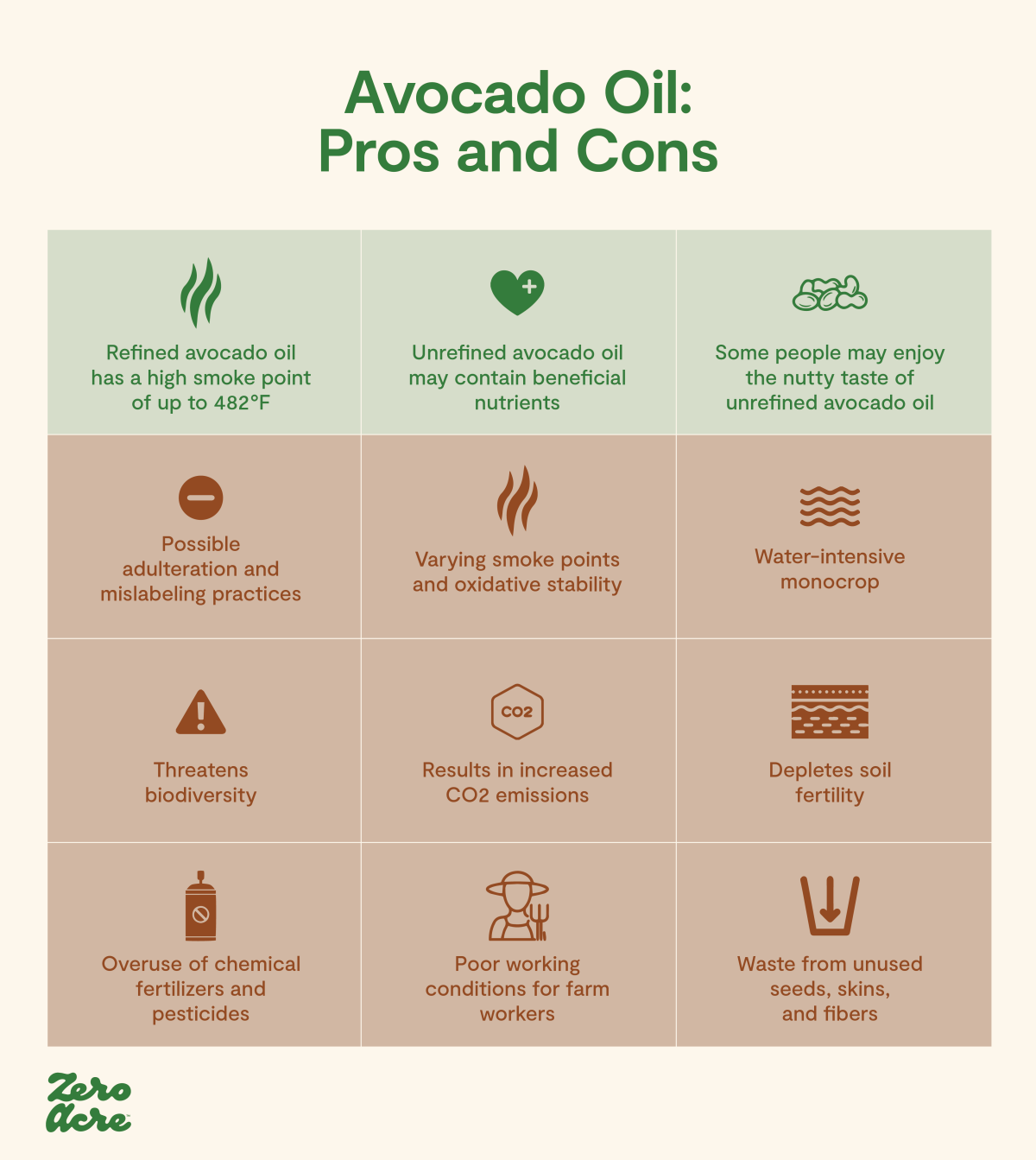
What Is Olive Oil?
Olive oil comes from pressed olives, the fruit of the olive tree. It is a key part of Mediterranean-style eating and is used in cooking, baking, salad dressings, dips, and sauces.
Most olive oil contains mainly monounsaturated fat, especially oleic acid. It also has small amounts of vitamin E, vitamin K, and plant compounds called polyphenols.
The olive oil pros and cons can vary by type. Extra virgin olive oil usually has more natural plant compounds because it receives less processing. Refined olive oil often has a milder taste but fewer antioxidants.
Main types of olive oil
• Extra virgin olive oil: Made without chemical refining and tested for flavor and quality. It usually has the strongest taste and the most natural antioxidants.
• Virgin olive oil: Also made by mechanical methods, but it may have mild flavor defects or higher acidity than extra virgin oil.
• Pure or regular olive oil: Often a blend of refined olive oil and virgin olive oil. It has a lighter taste and a higher smoke point.
• Light olive oil: “Light” refers to flavor and color, not calories. It still contains about the same calories as other olive oils.
:max_bytes(150000):strip_icc()/Health-GettyImages-974251806-bee639463a554149a83565ac50221759.jpg)
Olive Oil Pros: Potential Health Benefits
The strongest olive oil pros relate to its fat profile and plant compounds. Still, olive oil works best as part of a balanced diet rather than as a magic health product.
1. It contains heart-friendly fats
Olive oil is rich in monounsaturated fat. Replacing butter, shortening, or some foods high in saturated fat with olive oil may help improve your overall fat balance.
The effect depends on what olive oil replaces. Drizzling it over a meal is not the same as swapping it for butter in your daily cooking.
Studies of Mediterranean-style eating patterns link this way of eating with better heart health. These diets also include vegetables, beans, fruit, whole grains, nuts, fish, and modest amounts of dairy and meat.
2. Extra virgin olive oil contains antioxidants
Extra virgin olive oil contains polyphenols and other compounds that help protect the oil from oxidation. Some of these compounds may also support the body’s normal response to inflammation.
One well-studied compound is oleocanthal. It may create a mild throat sting and has properties that researchers continue to study.
These findings are promising, but olive oil should not replace medical treatment. Food can support health, but it cannot cure a disease on its own.
3. It may support cholesterol balance
Replacing saturated fat with monounsaturated fat may help lower LDL cholesterol in some people. LDL is often called “bad” cholesterol because high levels can contribute to plaque buildup in arteries.
Olive oil may also help maintain or raise HDL cholesterol in certain dietary patterns. However, the full diet matters more than one ingredient.
For example, olive oil used with fried foods, refined grains, and excess calories may not offer the same advantage as olive oil used with vegetables, lentils, and fish.
4. It can make healthy foods easier to enjoy
This benefit may sound simple, but it matters. A little olive oil can improve the flavor of beans, roasted vegetables, whole grains, and salads.
When healthy food tastes good, people may eat it more often. A spoonful of extra virgin olive oil, lemon juice, garlic, and herbs can turn plain vegetables into a satisfying side dish.
5. It may help with blood sugar control when used wisely
Some research suggests that Mediterranean-style meals containing olive oil may support better blood sugar control. Olive oil itself contains very little carbohydrate.
Still, adding large amounts to a high-calorie meal does not automatically make that meal healthy. Portion size and the rest of the plate remain important.
6. It may support a healthy eating pattern
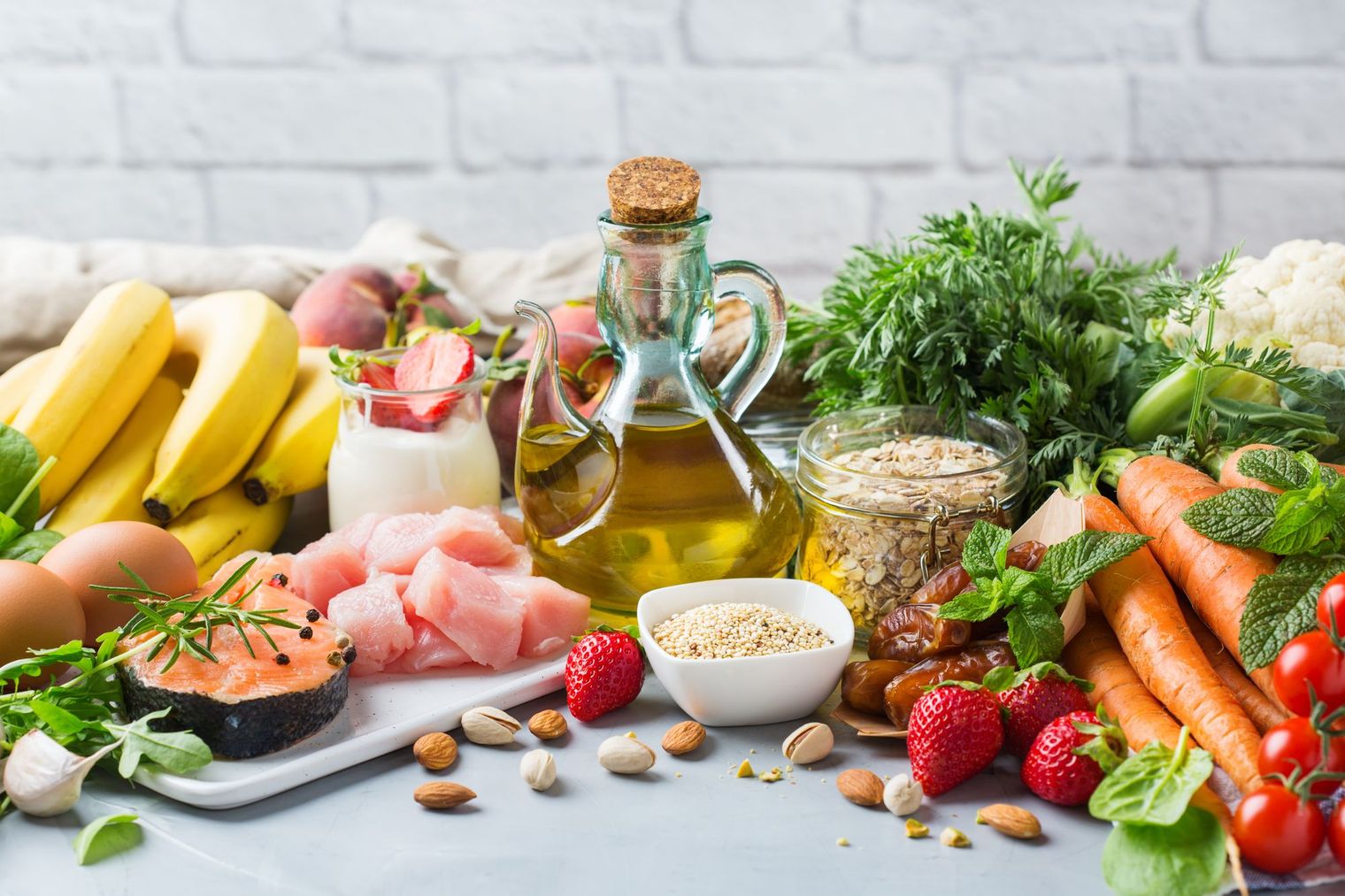
The olive oil pros and cons are easier to understand when you look at the whole diet. In Mediterranean regions, olive oil is often eaten with vegetables, legumes, seafood, fruit, and whole grains.
This pattern provides fiber, vitamins, minerals, and protein. Olive oil may be one helpful part of that pattern, but it is not the only reason the diet can be beneficial.
Olive Oil Cons: Risks and Limitations
The olive oil pros and cons deserve equal attention. Olive oil can be a smart choice, but it still has limits.
1. Olive oil is high in calories
All oils contain about 120 calories per tablespoon. Even healthy fats can contribute to weight gain when portions are too large.
A common kitchen mistake is pouring oil straight from the bottle into a pan. This makes it hard to know how much you use.
Try measuring one teaspoon or one tablespoon first. You can also use a spray bottle, brush, or spoon to spread a small amount over a larger area.
2. It may be lower in some nutrients than whole foods
Olive oil contains useful fat and plant compounds, but it has little protein, fiber, calcium, or iron. It cannot replace nuts, seeds, beans, vegetables, or whole grains.
Think of olive oil as a supporting ingredient. It adds flavor and fat, while other foods provide the wider range of nutrients your body needs.
3. Heat can reduce flavor and some antioxidants
Cooking does not instantly make olive oil unsafe. However, very high heat can break down its flavor and some delicate compounds.
Smoke point varies with the oil’s quality, age, and free fatty acid content. Refined olive oil often handles higher heat better than delicate extra virgin oil.
Use extra virgin olive oil for dressings, dips, gentle sautéing, and finishing. Use a refined or regular olive oil when you need a more neutral flavor for higher-heat cooking.
4. Olive oil can become rancid
Light, heat, air, and time damage olive oil. Rancid oil may smell like crayons, stale nuts, old paint, or wax.
Fresh oil should smell clean and pleasant. Extra virgin oil may smell grassy, fruity, peppery, or slightly bitter.
Store olive oil in a cool, dark cabinet. Keep the cap closed and avoid placing the bottle next to the stove.
5. Quality and labeling can vary
The terms “extra virgin” and “imported” do not always guarantee excellent freshness. Olive oil can lose quality during transport, storage, or long periods on a store shelf.
Look for a harvest date when available. A recent harvest date is more useful than a best-by date alone.
Choose a dark glass or metal container when possible. Clear bottles allow more light to reach the oil.
6. Some people may have digestive symptoms
Olive oil may cause loose stools, stomach discomfort, or nausea in some people, especially when consumed in large amounts. This can happen with any high-fat food.
People with certain digestive conditions may need individual advice from a health professional. Anyone with a food allergy should also check product labels and avoid oils that may have been cross-contaminated.
Extra Virgin Olive Oil vs. Regular Olive Oil
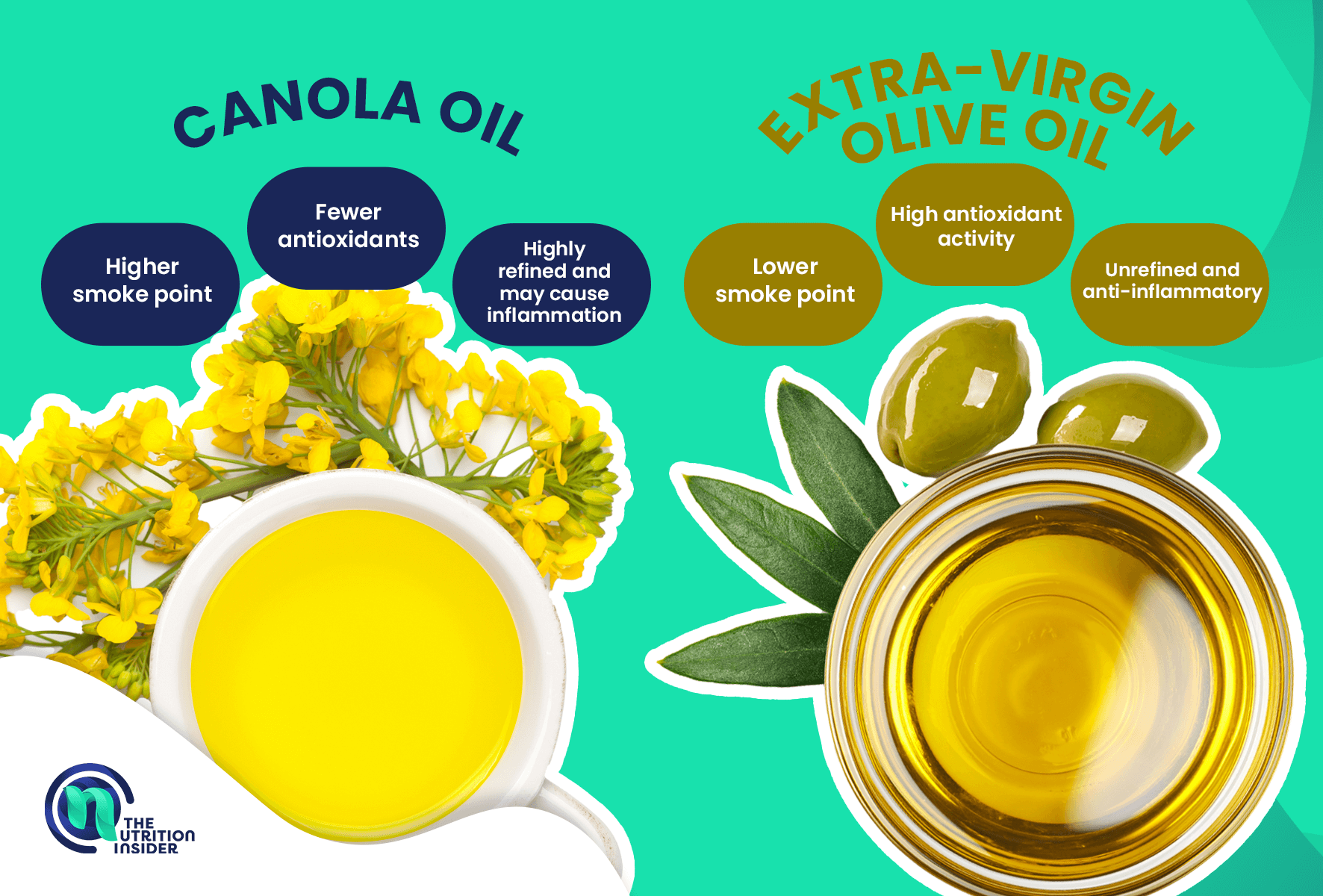
Extra virgin olive oil usually has a stronger flavor and more natural plant compounds. It is a good choice when you want the taste of olives in a salad, dip, soup, or finished dish.
Regular olive oil is often milder and less expensive. It may work well for baking, roasting, or cooking when you do not want a strong olive flavor.
Neither type is automatically right for every meal. The best option depends on taste, cooking temperature, freshness, and budget.
A simple comparison
| Feature | Extra virgin olive oil | Regular olive oil |
|---|---|---|
| Processing | Minimally processed | Often partly refined |
| Flavor | Fruity, grassy, peppery, or bitter | Mild and neutral |
| Antioxidants | Usually higher | Usually lower |
| Best uses | Dressings, dips, finishing, gentle cooking | Baking, roasting, everyday cooking |
| Cost | Often higher | Often lower |
The olive oil pros and cons do not mean you must buy the most expensive bottle. A fresh, trusted, moderately priced oil may be a better choice than an old premium bottle.

How to Choose Good Olive Oil
Choosing olive oil is easier when you know what to check.
-
Look for a harvest date. This can help you identify fresher oil.
-
Choose a dark bottle or tin. These containers help protect the oil from light.
-
Check the seal. Avoid bottles with damaged caps or signs of leakage.
-
Buy a size you can use within a few months. A smaller bottle may stay fresher than a large container.
-
Read the label carefully. “Light” does not mean low calorie.
-
Choose a trusted producer or certification when available. Quality seals can offer useful extra information.
-
Taste before buying a large bottle. Good extra virgin olive oil may taste fruity, grassy, bitter, or peppery.
A peppery finish is not always a defect. It can come from natural phenolic compounds. However, a flavor like wet cardboard or old crayons suggests that the oil may be stale.
How to Use Olive Oil in Daily Cooking
You do not need to overhaul your diet to enjoy the olive oil pros and cons. Small changes can make your meals more flavorful and balanced.
• Use extra virgin olive oil in vinaigrettes with vinegar, lemon, mustard, and herbs.
• Drizzle a measured amount over cooked vegetables, beans, lentils, or whole grains.
• Use olive oil instead of butter for some sautéed dishes.
• Brush a thin layer on vegetables before roasting.
• Add a teaspoon to soup just before serving.
• Use regular olive oil in cakes, muffins, and quick breads when its mild flavor fits the recipe.
• Combine olive oil with garlic, parsley, and lemon for a simple seafood sauce.
A useful rule is to measure oil at first. After a few weeks, you may learn how much you need without guessing.
One practical lesson from home cooking is that more oil does not always mean more flavor. Fresh oil, salt, acid, herbs, and proper browning often create better results than simply adding another pour.

Is Olive Oil Safe for High-Heat Cooking?
Olive oil can be used for many common cooking tasks, including sautéing and roasting. It does not become poisonous just because it gets warm.
The main concern is overheating any oil until it smokes. Smoke signals that the oil is breaking down and can create an unpleasant taste.
Use these tips:
• Keep the heat moderate when using extra virgin olive oil.
• Choose regular or refined olive oil for higher-heat cooking if you prefer its higher smoke point and neutral taste.
• Do not reuse oil many times.
• Turn down the heat if the oil smokes.
• Replace oil that smells burnt or stale.
The olive oil pros and cons depend partly on cooking habits. Gentle heat protects flavor, while careful storage protects freshness.
How Much Olive Oil Should You Eat?
There is no single perfect amount for everyone. Your calorie needs, health goals, age, activity level, and total diet all matter.
Many people can use one to two tablespoons a day within a balanced eating plan. Some may need less, especially if they are trying to reduce calories or already eat many nuts, seeds, avocadoes, or fatty fish.
Focus on replacement rather than addition. Use olive oil in place of butter or other saturated fats instead of adding it on top of your usual meals.
If you have heart disease, diabetes, digestive problems, or a weight-management goal, a registered dietitian can help you set a suitable amount.
Common Mistakes to Avoid
The olive oil pros and cons are often misunderstood because of a few common mistakes.
• Assuming all olive oil is low calorie. It is still a concentrated source of fat.
• Thinking “light olive oil” has fewer calories. The word usually describes flavor and color.
• Leaving the bottle near the stove. Heat speeds up oxidation.
• Buying a large bottle and using it slowly. Old oil may lose freshness.
• Treating olive oil as a cure. It supports a healthy diet but does not treat medical conditions by itself.
• Using a strong extra virgin oil in every recipe. Its flavor may overpower delicate foods.
• Ignoring the rest of the meal. A healthy oil cannot balance a diet that lacks fiber, protein, and whole foods.
Frequently Asked Questions About Olive Oil Pros and Cons
Is olive oil good for you every day?
Olive oil can fit into a healthy daily diet, especially when it replaces butter or other saturated fats. Keep portions moderate because olive oil is calorie-dense.
Is extra virgin olive oil better than regular olive oil?
Extra virgin olive oil usually contains more natural antioxidants and has a stronger flavor. Regular olive oil is milder and can be useful for baking or higher-heat cooking.
Can olive oil help lower cholesterol?
Replacing saturated fats with monounsaturated fats from olive oil may help improve cholesterol levels. Your overall diet, activity, weight, and genetics also affect cholesterol.
Does olive oil go bad?
Yes. Olive oil can become rancid after exposure to heat, light, air, or long storage. Keep it tightly closed in a cool, dark place and discard it if it smells stale or waxy.
Is olive oil safe for frying?
Olive oil can be used for many frying and sautéing tasks when it is not overheated. Avoid using any oil once it begins to smoke heavily.
Does olive oil cause weight gain?
Olive oil can contribute to weight gain if you consume more calories than your body needs. Measuring portions and using it to replace less healthy fats can help.
What is the healthiest way to use olive oil?
Use a moderate amount with vegetables, beans, whole grains, fish, and other nutrient-rich foods. Choose fresh oil and store it away from heat and light.
Conclusion
The olive oil pros and cons are fairly balanced: olive oil provides monounsaturated fat and helpful plant compounds, but it is high in calories and can lose quality when stored poorly. Extra virgin olive oil is often the best choice for flavor and antioxidants, while regular olive oil may suit baking and higher-heat cooking.
Start by choosing a fresh, well-sealed bottle and storing it in a cool, dark place. Measure your portions, use olive oil to replace less healthy fats, and build meals around vegetables, beans, whole grains, and other whole foods. Share your favorite olive oil use or explore more evidence-based nutrition guides for practical ideas.