
Drink olive oil in a small amount, preferably extra virgin, and pair it with food to improve taste and comfort.
Learning how to drink olive oil is simple, but the best method is not to treat it like a miracle cure. Extra virgin olive oil can fit into a healthy eating plan, yet the amount, quality, timing, and your own digestion all matter. This guide explains safe ways to drink olive oil, possible benefits, common mistakes, and when to ask a health professional for advice.
What Does It Mean to Drink Olive Oil?
To drink olive oil means taking a small amount by mouth instead of using it only for cooking or salad dressing. Some people take a spoonful in the morning, while others mix it with lemon juice, water, or a warm drink.
The most suitable choice is usually extra virgin olive oil, often called EVOO. It is made without chemical refining and keeps more natural plant compounds than refined olive oil.
Still, drinking olive oil is not a required health habit. You can get similar benefits by using it on vegetables, beans, fish, whole grains, or salads. In fact, food often makes olive oil easier to enjoy and digest.

How to Drink Olive Oil Safely
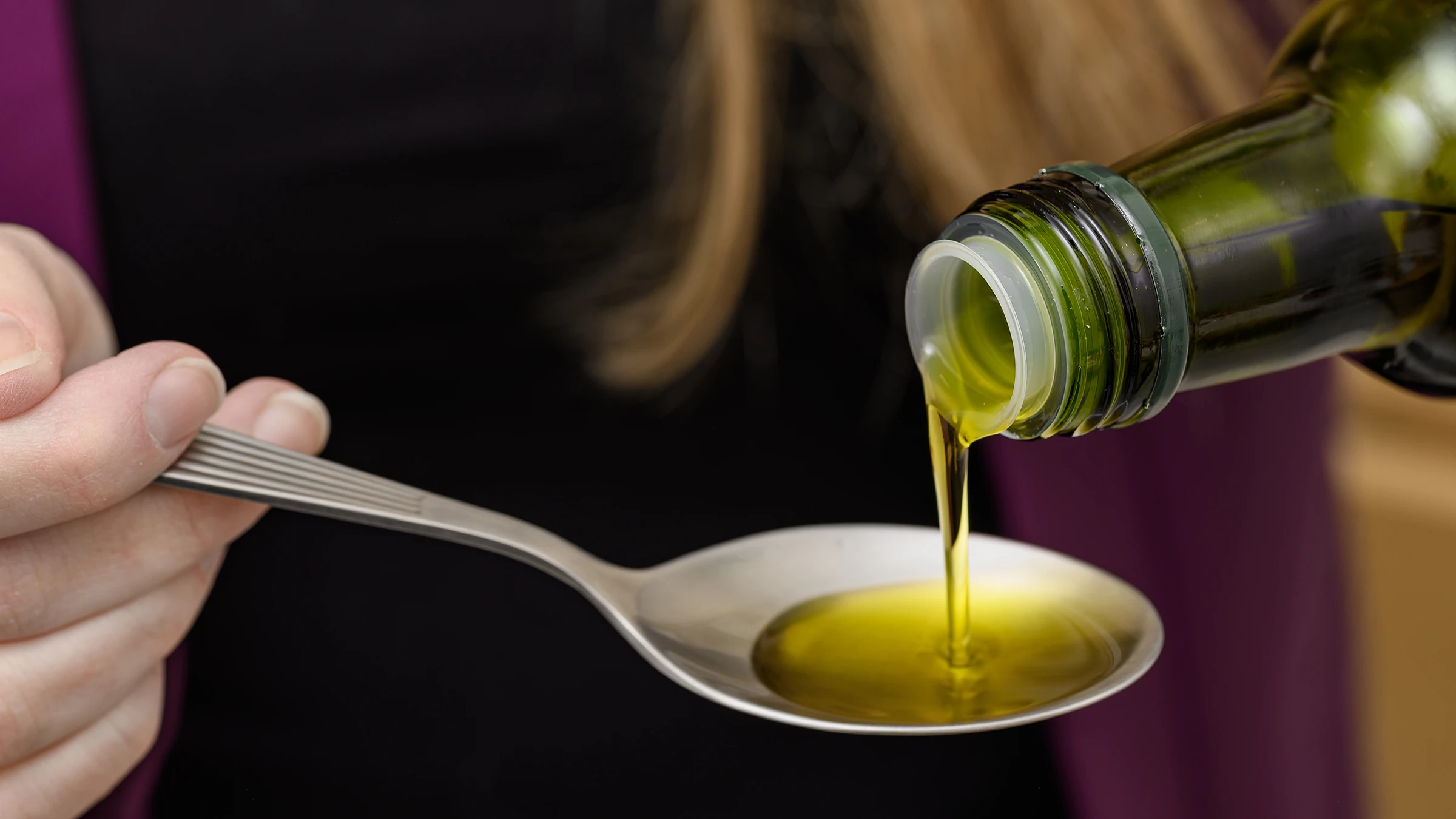
If you want to try drinking olive oil, start with a small amount. A teaspoon is enough for your first few tries. This helps you learn how your stomach reacts.
Follow these simple steps:
- Choose fresh extra virgin olive oil from a trusted producer.
- Pour 1 teaspoon into a small glass or spoon.
- Sip it slowly rather than swallowing it like a shot.
- Take it with breakfast or another meal.
- Drink water afterward if the oily taste lingers.
- Increase to 1 tablespoon only if you tolerate it well.
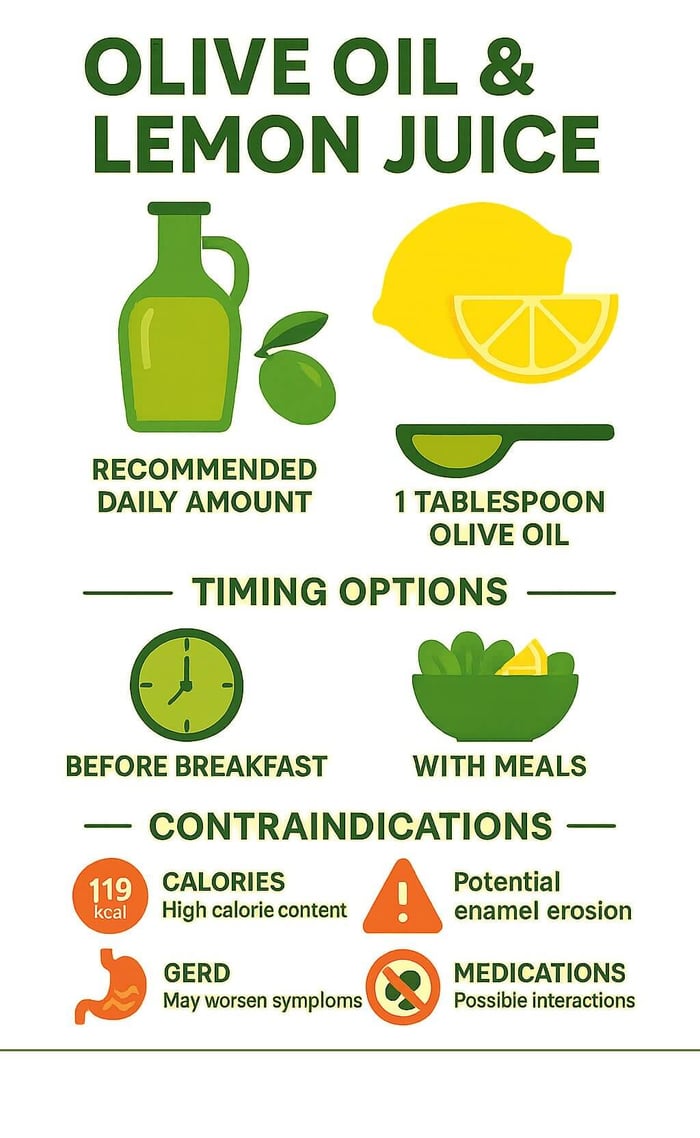
Many people ask how to drink olive oil in the morning. Morning use is fine, but there is no strong proof that morning is better than afternoon or evening. The best time is the time that fits your routine and does not upset your stomach.
Avoid taking large amounts at once. Olive oil contains about 120 calories per tablespoon, so several spoonfuls can add many calories without making you feel full.
How Much Olive Oil Should You Drink?
There is no official dose for drinking olive oil as a wellness practice. For most adults, 1 teaspoon to 1 tablespoon is a reasonable range to test, especially when the oil is part of a meal.
Some heart-health research uses about 1½ tablespoons of oils high in oleic acid each day when replacing saturated fats. This does not mean that adding 1½ tablespoons to your usual diet will automatically improve your health. The key is replacement, not addition.
A practical amount may look like this:
• 1 teaspoon contains about 40 calories.
• 1 tablespoon contains about 120 calories.
• 2 tablespoons contain about 240 calories.
• A small daily amount can work well if it replaces butter, shortening, or a high-saturated-fat sauce.
Your total diet matters more than one spoonful. Olive oil is a useful fat, but it is still a calorie-dense food. If you are trying to lose weight, count it as part of your daily intake.

The Best Time to Drink Olive Oil
You can drink olive oil at any time of day. There is no reliable evidence that taking it before breakfast, before bed, or on an empty stomach provides special benefits.
Some people prefer the morning because it is easy to remember. Others find that olive oil causes less discomfort when taken with lunch or dinner. If you notice nausea, cramping, reflux, or loose stools, stop drinking it on an empty stomach.
Here are a few timing options:
In the morning
Take a teaspoon with breakfast. Stir it into oatmeal, spread it on whole-grain toast, or sip it after eating.
Before a meal
A small amount before lunch or dinner may feel comfortable for some people. However, it does not reliably suppress appetite or cause meaningful weight loss.
With a meal
This is often the easiest option. Add olive oil to vegetables, soup, beans, or whole-grain dishes instead of drinking it plain.
In the evening
There is no special nighttime benefit. Avoid it close to bedtime if you have acid reflux or feel heavy after fatty foods.

Should You Drink Olive Oil on an Empty Stomach?
You can drink olive oil on an empty stomach if your body tolerates it, but you do not need to. Some people report that it feels smooth and easy. Others experience nausea, heartburn, stomach pain, or diarrhea.
A safer starting point is to take olive oil with food. Food acts like a cushion and may make the taste and texture easier to handle.
I once tried taking a full tablespoon before breakfast because I wanted a quick routine. The strong taste was manageable, but my stomach felt unsettled. Reducing the amount to a teaspoon and taking it with toast made the habit much easier.
That small change is a useful lesson: more olive oil is not always better. Your body gives you practical feedback, so listen to it.

Ways to Make Olive Oil Easier to Drink
Plain olive oil has a strong flavor. A peppery feeling in the throat is common in fresh extra virgin olive oil and may come from natural phenolic compounds. If the flavor feels too sharp, combine it with food instead of forcing yourself to swallow it.
Try these options:
• Mix a teaspoon into hummus.
• Drizzle it over tomatoes, cucumbers, or roasted vegetables.
• Add it to warm beans or lentil soup.
• Blend it into a simple dressing with lemon juice and herbs.
• Spoon it over whole-grain toast with a little salt.
• Stir it into cooked grains such as brown rice or quinoa.
• Use it as a dip for whole-grain bread.
If you mix olive oil with lemon juice, remember that lemon does not make the oil detox your body. It simply adds flavor. Your liver and kidneys already handle normal waste removal.
Potential Benefits of Drinking Olive Oil
Olive oil may offer health benefits because it contains mostly monounsaturated fat. Extra virgin olive oil also contains plant compounds, including polyphenols.
Possible benefits include:
Heart-friendly fat
Replacing butter, lard, or other sources of saturated fat with olive oil may support a healthier blood lipid pattern. This benefit comes from the overall eating pattern, not from drinking oil as a stand-alone treatment.
Antioxidant compounds
Extra virgin olive oil contains compounds that help protect the oil from oxidation and may support normal cell protection. The exact amount varies by olive type, harvest date, storage, and processing.
Better meal quality
Olive oil makes vegetables, beans, fish, and whole grains more enjoyable. That matters because a healthy meal is easier to repeat when it tastes good.
Possible digestive effects
Fat can help stimulate digestion and may soften stool for some people. However, olive oil is not a proven treatment for constipation, and too much may cause diarrhea.
Research on olive oil is promising, but it has limits. Many studies examine Mediterranean-style diets rather than olive oil shots. Those diets also include vegetables, fruit, legumes, fish, nuts, and whole grains, so it is not possible to credit every benefit to olive oil alone.

Does Drinking Olive Oil Help You Lose Weight?
Drinking olive oil does not directly burn body fat. It contains calories, and consuming extra oil can lead to weight gain if it pushes your daily intake above your needs.
Olive oil can support weight management when it replaces less healthy fats and helps you enjoy filling meals. For example, using one teaspoon of olive oil on vegetables may be a better choice than adding butter and a creamy sauce.
For weight goals, focus on:
• Portion size.
• Protein-rich foods.
• High-fiber vegetables and beans.
• Regular movement.
• Sleep and stress management.
• Replacing, rather than adding, calorie-dense foods.
Be cautious of claims that olive oil melts belly fat, cleans the liver, or causes rapid weight loss. These claims are not supported by strong human evidence.
How to Choose a Good Olive Oil
Quality affects flavor and may affect the amount of natural plant compounds. Look for extra virgin olive oil in a dark glass bottle or a sealed metal container. Light and heat can damage the oil over time.
Use these shopping tips:
- Check for a harvest date when available.
- Choose a bottle with a reasonable best-by date.
- Buy a size you can use within a few months.
- Look for a clear country or region of origin.
- Avoid bottles that have been sitting in bright store lights.
- Pick a flavor you enjoy, from mild to peppery.
Store olive oil in a cool, dark cupboard. Keep it away from the stove, oven, and sunny windows. Close the cap firmly after every use.
Fresh oil should smell fruity, grassy, or gently peppery. A smell like crayons, old nuts, or stale paint may signal rancidity. Rancid oil is not usually an emergency, but it will taste poor and have lower quality.

Who Should Be Careful With Drinking Olive Oil?
Most healthy adults can use olive oil as a food. However, drinking it may not suit everyone.
Speak with a health professional before making it a daily practice if you have:
• Gallbladder disease or a history of gallstones.
• Chronic pancreatitis.
• Severe acid reflux.
• Ongoing diarrhea or digestive disease.
• A condition that requires a restricted-fat diet.
• An allergy or strong sensitivity to olives.
• A prescribed diet after surgery.
Olive oil may also affect people differently when combined with certain medicines or supplements. Ask a pharmacist or clinician if you take blood thinners, have a bleeding disorder, or manage a complex medical condition.
Do not use olive oil instead of prescribed treatment. It cannot replace medicine for high cholesterol, diabetes, constipation, or heart disease.
Common Mistakes to Avoid
The most common mistake is treating olive oil like a cure. It is a nutritious ingredient, but it cannot cancel out a diet high in sugar, processed meat, or heavily refined foods.
Other mistakes include:
• Drinking several tablespoons at once.
• Choosing low-quality or rancid oil.
• Taking it despite repeated stomach pain.
• Believing lemon makes it a detox drink.
• Adding it without reducing other calories.
• Heating or storing it near strong light for long periods.
• Assuming expensive oil is always better.
• Using olive oil to treat a medical problem without advice.
When I explain how to drink olive oil, I usually compare it to salt. A little can improve a meal, but more does not create more health. This simple comparison helps people avoid the “more is better” trap.
A Simple Seven-Day Way to Try Olive Oil
If you are curious, use a gradual plan rather than starting with a large shot.
- Day one: Taste ½ teaspoon with breakfast.
- Day two: Use 1 teaspoon on toast or vegetables.
- Day three: Add 1 teaspoon to lunch.
- Day four: Try the oil plain only if you enjoyed it with food.
- Day five: Use up to 1 tablespoon as a replacement for butter or another fat.
- Day six: Check for stomach changes, reflux, or loose stools.
- Day seven: Decide whether it fits your diet and routine.
Stop if you have significant pain, vomiting, persistent diarrhea, rash, breathing trouble, or other concerning symptoms. A food habit should feel manageable, not like a daily challenge.
Frequently Asked Questions About How to Drink Olive Oil
Is it safe to drink olive oil every day?
For most healthy adults, a small amount of olive oil is safe as part of a balanced diet. Keep portions modest, count the calories, and stop if it causes digestive symptoms.
How much olive oil should I drink in the morning?
Start with 1 teaspoon, preferably with breakfast. You may use up to 1 tablespoon if you tolerate it, but there is no proven need to drink it on an empty stomach.
Can drinking olive oil relieve constipation?
Olive oil may help some people have softer stools because fat can affect digestion. It is not a guaranteed treatment, and ongoing constipation should be discussed with a health professional.
Is extra virgin olive oil better for drinking?
Extra virgin olive oil is usually the best choice because it is less processed and retains more natural flavor and plant compounds. Choose a fresh bottle and store it away from heat and light.
Can olive oil help lower cholesterol?
Replacing butter and other saturated fats with olive oil may support healthier cholesterol levels. Drinking extra olive oil without changing the rest of your diet is unlikely to provide the same benefit.
Can I drink olive oil before bed?
You can, but there is no special proven benefit at night. Avoid it before bed if fatty foods worsen your reflux, nausea, or stomach discomfort.
Does olive oil detox the body?
No. Olive oil does not detox the liver or remove toxins in a special way. It can be part of a healthy diet, while your liver and kidneys perform the body’s normal waste-processing work.
Conclusion
Learning how to drink olive oil does not require a large shot or a strict morning ritual. Start with 1 teaspoon, choose fresh extra virgin olive oil, take it with food, and increase only if your body responds well.
The strongest approach is to use olive oil as a replacement for less healthy fats in a diet rich in vegetables, beans, whole grains, fish, and nuts. Keep expectations realistic, watch portions, and ask a health professional for guidance if you have digestive or medical concerns.
Try a small amount this week and notice what works for your taste, routine, and stomach. Share your favorite olive oil use or explore more evidence-based nutrition guides for practical ideas.