
The best time to drink olive oil is with a meal, not on an empty stomach.
When to drink olive oil depends on your goal, digestion, and daily routine. Extra virgin olive oil can support a heart-healthy eating pattern, but it is not a magic shot or a replacement for balanced meals. This guide explains the best timing, serving size, possible benefits, common mistakes, and who should use caution.
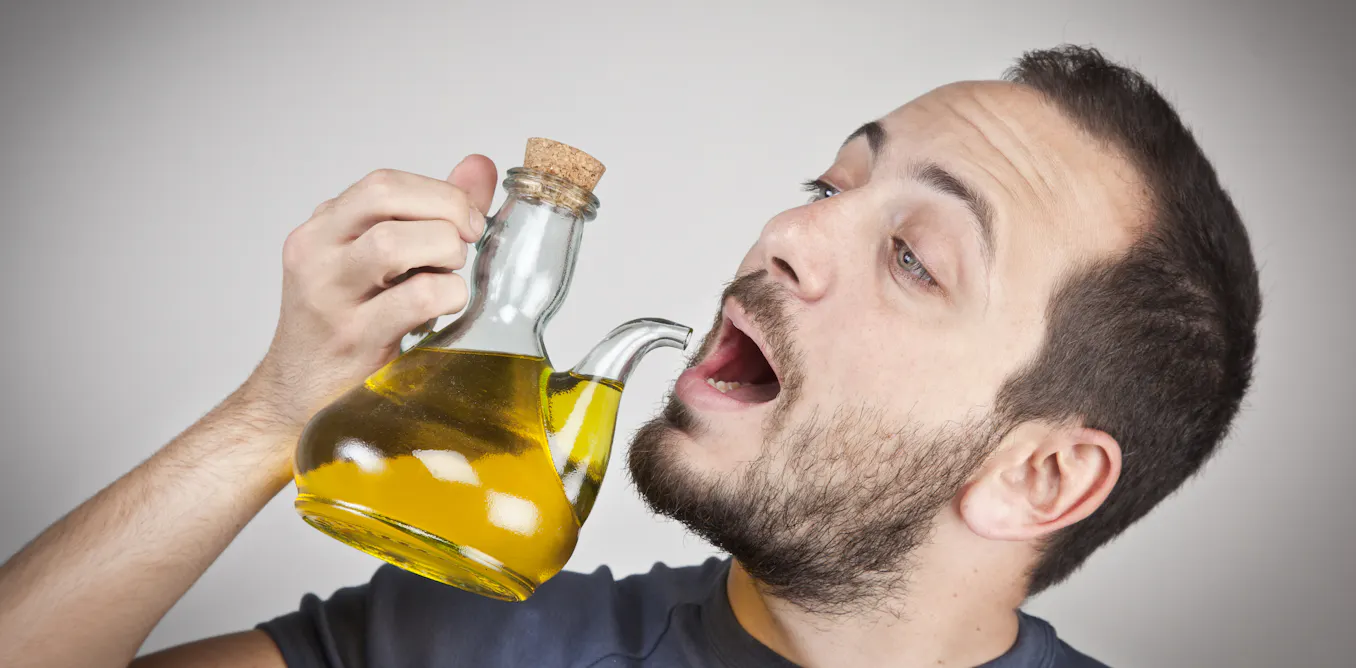
What Does “Drinking” Olive Oil Mean?
Drinking olive oil usually means swallowing a small amount of extra virgin olive oil by itself. Some people take a spoonful in the morning, while others mix it into water, lemon juice, or a smoothie.
Olive oil is mainly fat. It provides about 120 calories per tablespoon, so the amount matters. Taking more does not automatically create more health benefits.
Extra virgin olive oil also contains healthy monounsaturated fat and plant compounds called polyphenols. These compounds are linked with antioxidant and anti-inflammatory effects, although research does not show that drinking olive oil alone prevents disease.
The strongest evidence supports using olive oil in place of butter, shortening, and other sources of saturated fat. In other words, olive oil works best as part of an eating pattern, not as a daily cure-all.

When to Drink Olive Oil for the Best Results
For most adults, the best time to drink olive oil is with breakfast, lunch, or dinner. Taking it with food may feel gentler on the stomach and helps you count it as part of your daily fat intake.
Here are practical options for when to drink olive oil:
• With breakfast: Add a small amount to eggs, whole-grain toast, or vegetables.
• With lunch: Mix it into a salad dressing or drizzle it over beans and grains.
• With dinner: Use it on cooked vegetables, fish, lentils, or whole-grain pasta.
• Before a meal: A small amount may be suitable if it does not cause nausea, reflux, or loose stools.
• After exercise: Olive oil is not a fast recovery drink. A meal with protein, carbohydrates, fluids, and some olive oil is a better choice.
If you prefer drinking it alone, try one teaspoon with a meal first. This lets you see how your body responds before using a larger amount.
There is no strong evidence that drinking olive oil at a specific clock time gives special benefits. The most useful time is the time you can follow safely and consistently.

Is Drinking Olive Oil in the Morning a Good Idea?
Many people ask when to drink olive oil and assume that morning is best. Morning use is fine for some people, but it is not proven to be better than taking olive oil later in the day.
A morning spoonful may be easy to remember. It can also fit well with a breakfast that includes vegetables, whole grains, fruit, or protein.
However, drinking oil on an empty stomach may cause discomfort. Some people notice:
• Nausea
• Burping
• Stomach cramps
• Loose stools
• Heartburn or reflux
If this happens, stop taking it alone. Use a smaller amount with food instead. You can also get the same healthy fat by adding olive oil to breakfast rather than swallowing it like a supplement.
One practical lesson is simple: the best routine is the one your stomach accepts. A healthy habit should support your day, not make you feel sick before it begins.
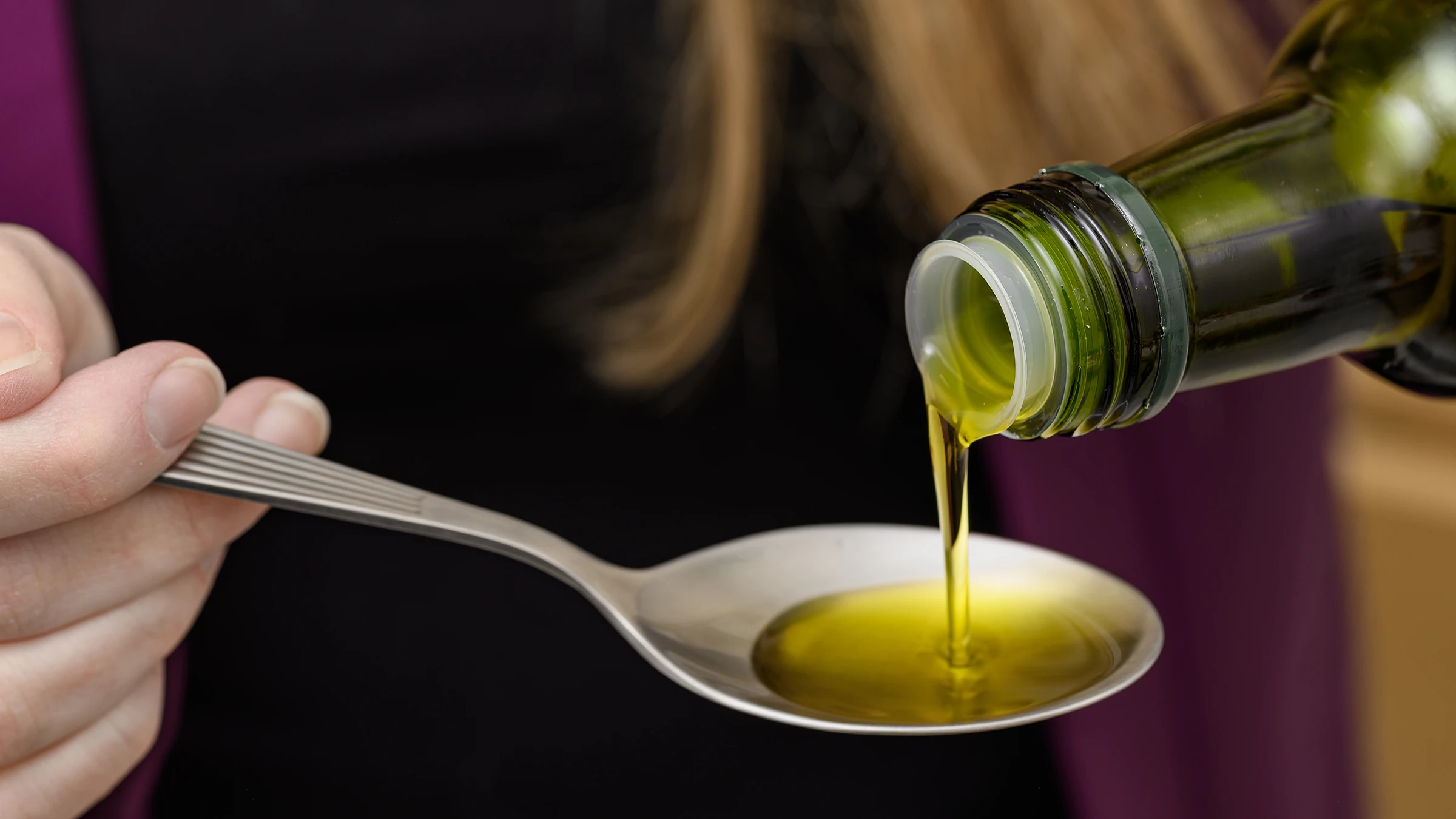
When to Drink Olive Oil for Constipation
Olive oil may help some people with constipation because fat can support movement through the digestive system. Still, it should not be treated as a proven laxative or a first-line treatment for ongoing constipation.
If you want to try it, use a small amount with a meal and drink enough water during the day. Also eat fiber-rich foods such as:
• Prunes, pears, berries, and apples
• Beans and lentils
• Oats and whole grains
• Vegetables
• Chia or ground flaxseed
Increasing fiber too fast can cause gas, so make changes slowly. Daily movement can also help bowel regularity.
Do not rely on olive oil for severe or long-lasting constipation. Contact a health professional if you have blood in your stool, vomiting, severe belly pain, unexplained weight loss, or a sudden change in bowel habits.

Can Olive Oil Help With Weight Loss?
Olive oil can fit into a weight-loss plan, but drinking it does not directly burn fat. It is calorie-dense, and extra calories can slow weight loss if you add oil without reducing another food.
A better approach is to replace less healthy fats with olive oil. For example, use olive oil instead of butter on vegetables or instead of creamy dressing on a salad.
Olive oil may also make meals more satisfying. Fat can improve flavor and help a meal feel complete, which may make healthy eating easier to maintain.
For weight management, measure your serving. One tablespoon contains about 120 calories, while one teaspoon contains about 40 calories. These calories can add up quickly when olive oil is poured freely.
When deciding when to drink olive oil for weight control, choose a meal where it replaces another fat. Avoid adding a separate spoonful on top of your normal diet.

How Much Olive Oil Should You Drink?
There is no universal dose for drinking olive oil. A reasonable starting amount is one teaspoon, or about 5 milliliters. Some people may tolerate one tablespoon, or about 15 milliliters, but more is not always better.
Use these simple steps:
-
Start with one teaspoon.
-
Take it with food or just after a meal.
-
Watch for nausea, reflux, cramps, or diarrhea.
-
Increase only if you tolerate it and it fits your calorie needs.
-
Count it as part of your daily fat intake.
Most healthy adults can use olive oil in normal food portions. The amount you need depends on your overall diet, body size, energy needs, and health goals.
A registered dietitian can help you choose a suitable amount if you have diabetes, digestive disease, gallbladder problems, or a weight-loss goal.

Benefits of Extra Virgin Olive Oil
Extra virgin olive oil is less processed than refined olive oil. It contains monounsaturated fat and naturally occurring plant compounds that may support health.
Research on Mediterranean-style eating patterns has linked regular olive oil use with better heart health. These diets also include vegetables, fruit, beans, nuts, fish, and whole grains, so it is difficult to credit olive oil alone.
Potential benefits of using extra virgin olive oil include:
• Supporting a heart-friendly diet when it replaces saturated fat
• Helping the body absorb fat-soluble vitamins from vegetables
• Adding flavor without relying on heavy sauces
• Providing monounsaturated fat
• Supplying small amounts of vitamin E and vitamin K
• Helping meals feel more satisfying
The key difference is how you use it. Olive oil drizzled over vegetables is usually more useful than olive oil swallowed without food because the whole meal provides fiber, vitamins, minerals, and protein.
Some research also suggests that polyphenol-rich extra virgin olive oil may help manage oxidative stress. These findings are promising, but they do not prove that a spoonful of oil can treat inflammation or disease.
Drinking Olive Oil on an Empty Stomach: Pros and Cons
Some people like drinking olive oil before breakfast. They may find it easy to remember, and a small amount may feel comfortable.
Still, an empty stomach can make side effects more noticeable. Olive oil may stimulate digestion and cause loose stools in sensitive people.
Possible advantages include:
• A simple morning routine
• Easy calorie tracking if the amount is measured
• A convenient way to include olive oil in the diet
Possible disadvantages include:
• Nausea
• Reflux
• A heavy feeling in the stomach
• Diarrhea
• Extra calories without added fiber or protein
There is no strong clinical proof that empty-stomach use cleanses the liver, removes toxins, or boosts metabolism. Your liver and kidneys already process waste as part of normal body function.
When deciding when to drink olive oil, choose comfort and nutrition over popular wellness claims.

Who Should Be Careful With Olive Oil?
Olive oil is safe for most people when used in normal food amounts. However, certain health conditions may require extra care.
Speak with a health professional before using olive oil as a daily drink if you have:
• Frequent acid reflux or severe indigestion
• Chronic diarrhea or irritable bowel symptoms
• Pancreatitis
• Gallbladder disease
• A medically prescribed low-fat diet
• A condition that affects fat absorption
• A food allergy or known sensitivity
People taking medication should not use olive oil as a substitute for treatment. It is also wise to ask a clinician before making major diet changes during pregnancy or while managing a chronic condition.
Seek urgent care for severe abdominal pain, repeated vomiting, yellowing of the skin, black stools, or signs of an allergic reaction.
Olive Oil Mistakes to Avoid
A few common habits can make drinking olive oil less helpful.
• Taking large amounts: More oil means more calories and may cause diarrhea.
• Expecting a detox: Olive oil does not flush toxins from the body.
• Replacing meals: Oil has almost no protein, fiber, or carbohydrate, so it is not a complete meal.
• Ignoring quality: Choose a fresh extra virgin olive oil from a trusted seller.
• Storing it near heat: Heat, light, and air can reduce quality over time.
• Using it after it smells stale: A crayon-like, flat, or rancid smell is a sign to replace it.
• Adding it without measuring: Free pouring can double or triple the expected calories.
• Treating social media claims as medical advice: Personal stories do not replace clinical evidence.
A useful habit is to keep olive oil in a cool, dark cupboard and close the bottle after each use. Check the harvest or best-by information when available.
How to Use Olive Oil Instead of Drinking It
You do not need to drink olive oil to enjoy its nutritional value. Using it in food is often easier, tastier, and more balanced.
Try these simple ideas:
• Whisk it with lemon juice, vinegar, and herbs for salad dressing.
• Drizzle it over roasted vegetables.
• Add a small amount to beans, lentils, or soup.
• Use it to sauté vegetables over moderate heat.
• Mix it with garlic and herbs as a dip for whole-grain bread.
• Add it to cooked grains such as brown rice, quinoa, or farro.
• Use it in place of butter when preparing fish or vegetables.
Olive oil is suitable for many cooking methods. Avoid letting it smoke, and choose the oil based on flavor and cooking temperature.
For everyday health, using a measured amount across meals is often more practical than drinking olive oil from a spoon.
What Experts Say About Olive Oil Timing
Nutrition research generally focuses on the overall quality of a person’s diet rather than a specific time for drinking olive oil. Heart-health guidance commonly supports replacing saturated fats with unsaturated fats, including the monounsaturated fat found in olive oil.
Dietary guidance also emphasizes balance. Healthy fats should be eaten with vegetables, fruits, whole grains, legumes, nuts, and suitable sources of protein.
This means the main question is not only when to drink olive oil. It is also:
• What food is it replacing?
• How much are you using?
• Does it fit your calorie needs?
• Does it cause digestive symptoms?
• Is the rest of your diet balanced?
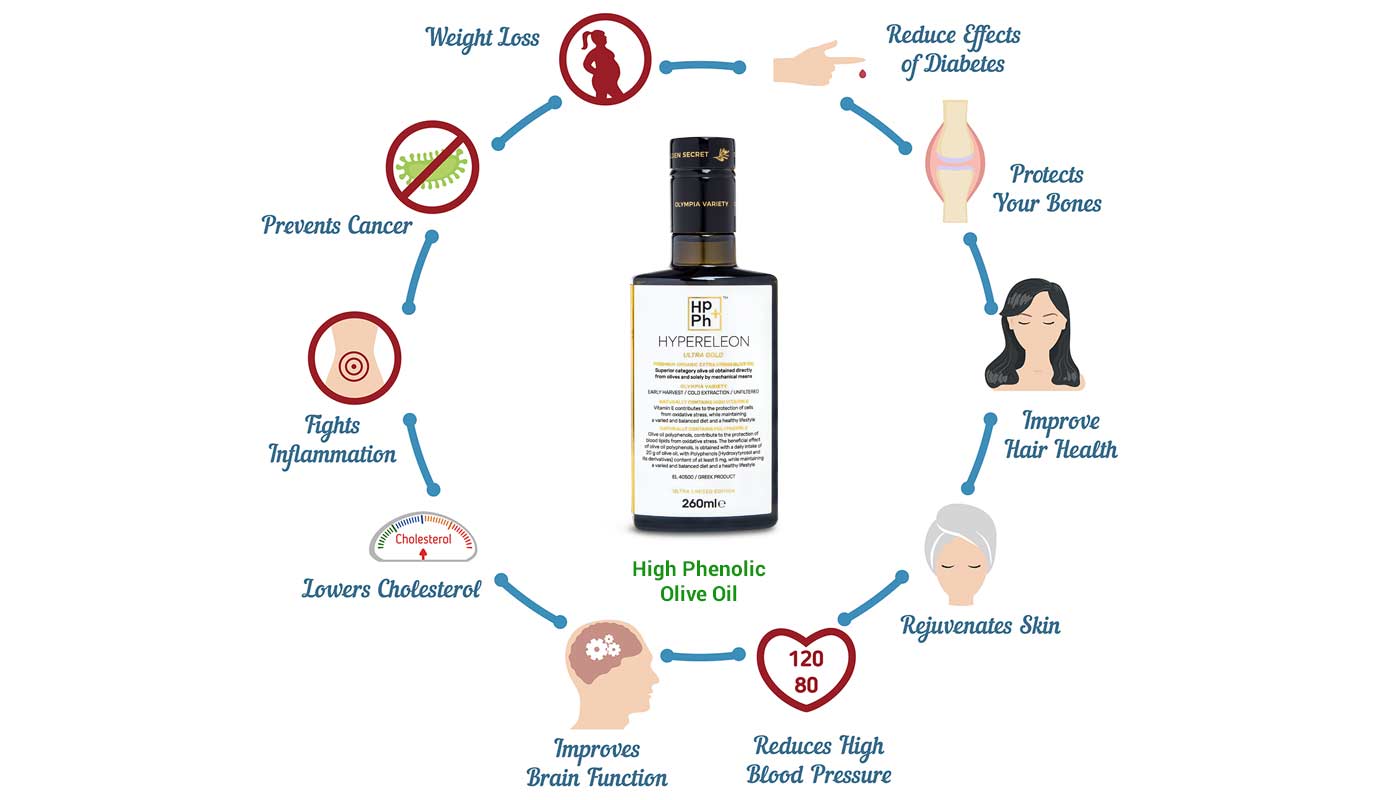
Evidence does not support claims that olive oil alone prevents cancer, cures constipation, melts belly fat, or detoxes the body. A trustworthy approach respects both the possible benefits and the limits of the research.
Frequently Asked Questions About When to Drink Olive Oil
Is it better to drink olive oil in the morning or at night?
Neither time is proven to be best. Take olive oil with a meal at the time that feels comfortable and fits your routine.
Can I drink olive oil on an empty stomach?
You can, but some people develop nausea, reflux, or diarrhea. Start with one teaspoon and take it with food if your stomach feels uncomfortable.
How much olive oil should I drink per day?
Start with one teaspoon and avoid taking more than your diet needs. One tablespoon has about 120 calories, so measure it and count it as part of your daily fat intake.
Does drinking olive oil help with constipation?
It may help some people, but it is not a reliable treatment for chronic constipation. Water, fiber, movement, and medical advice are more important for ongoing symptoms.
Can drinking olive oil help me lose weight?
Not by itself. Olive oil can support weight loss when it replaces higher-saturated-fat foods, but adding extra spoonfuls increases calorie intake.
Is extra virgin olive oil better than regular olive oil?
Extra virgin olive oil usually contains more natural flavor compounds and polyphenols because it undergoes less processing. Both types can provide unsaturated fat, but extra virgin olive oil is often preferred for dressings and moderate-heat cooking.
Should I drink olive oil before bed?
There is no strong evidence that drinking olive oil before bed provides special benefits. If it causes reflux or stomach discomfort, avoid taking it late at night.
Conclusion
The best time to drink olive oil is usually with a meal, in a small measured amount, and only if your body tolerates it. Morning, afternoon, and evening can all work, but timing matters less than portion size, food quality, and what the oil replaces.
Extra virgin olive oil can be a valuable part of a balanced, Mediterranean-style diet. You do not need to drink it alone to benefit from it. Try adding one teaspoon to a meal, monitor how you feel, and choose food-based uses when possible.
Make your next serving intentional rather than excessive. For more practical nutrition guidance, explore related healthy eating resources or share your experience with olive oil in the comments.