
To sanitize an ice maker, empty it, clean all parts, use an approved sanitizer, rinse well, and discard the first ice.
Ice makers touch water, food, and your hands, so they need more than a quick wipe. Learning how to sanitize an ice maker helps remove germs, mold, scale, and stale odors without damaging the machine. This guide explains safe steps for refrigerator ice makers, countertop units, and removable ice bins.
Why You Should Sanitize an Ice Maker
An ice maker can look clean while hiding buildup in small areas. Water lines, scoops, seals, vents, and the ice chute may collect dirt over time. Moisture also creates a good place for mold and bacteria to grow.
Regular cleaning removes visible grime. Sanitizing goes one step further by reducing harmful microorganisms on clean surfaces. You must clean first because dirt and mineral scale can protect germs from the sanitizer.
Sanitize your ice maker when:
• The ice smells or tastes strange.
• You see slime, mold, stains, or black spots.
• The ice melts into a cloudy mass.
• The machine has not been cleaned for several months.
• Someone in the home has been sick.
• You move into a new home or buy a used appliance.
• The manufacturer recommends a cleaning cycle.
For many homes, sanitizing every three to six months is a useful routine. Busy kitchens, hard water, and warm rooms may require more frequent care. Always check the appliance manual before using a chemical product.

What You Need Before You Start
The safest way to sanitize an ice maker is to gather the right supplies first. Avoid mixing cleaning products, especially bleach with vinegar, ammonia, or other acids. These combinations can release dangerous fumes.
You may need:
• Clean rubber gloves.
• A soft cloth or microfiber towel.
• A soft toothbrush or small cleaning brush.
• Mild, unscented dish soap.
• Warm water.
• Food-contact-safe sanitizer approved for appliance surfaces.
• White vinegar for mineral deposits, if allowed by the manual.
• A clean bowl or bucket.
• A dry towel.
• A clean, soft bottle brush for removable tubes.
Use only products that are safe for food-contact surfaces. A sanitizer made for kitchens may require a specific dilution. Follow the label rather than guessing the amount.
Some manufacturers sell ice machine cleaner and sanitizer made for their equipment. These products can be useful, but they are not always interchangeable. A cleaner may remove scale, while a sanitizer reduces microbes. Read the label carefully.
Do not use steel wool, scouring powder, harsh oven cleaner, or abrasive pads. These can scratch plastic and stainless steel. Scratches may trap dirt and make future cleaning harder.
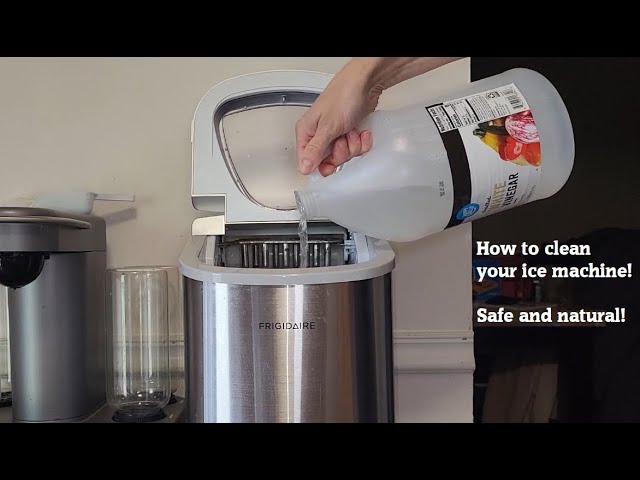
How to Sanitize an Ice Maker Safely
The basic process is simple, but each step matters. Rushing can leave soap, sanitizer, or dirty water inside the machine.
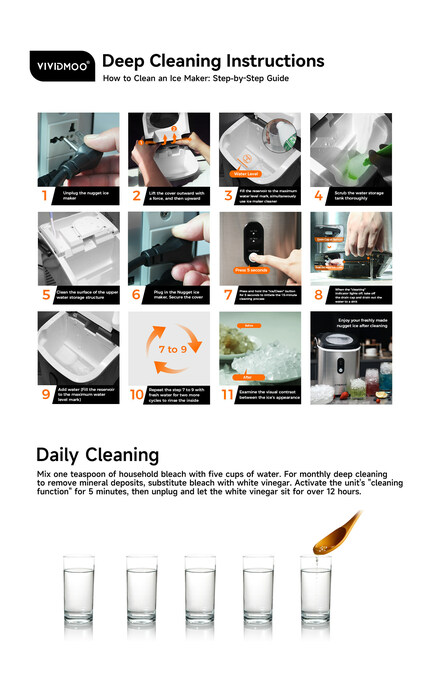
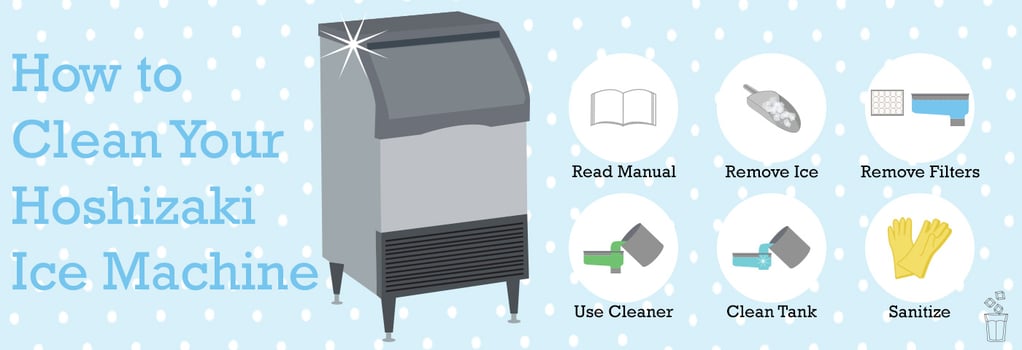
1. Read the appliance manual
Look for instructions on cleaning, sanitizing, removable parts, and approved products. Some ice makers have a dedicated cleaning mode. Others require a manual process.
The manual may also warn you not to pour liquid into certain openings. This is important for refrigerator ice makers because water can reach electrical parts or insulation.
2. Turn off and unplug the ice maker
Switch off the ice maker. Unplug a countertop unit before cleaning it. For a refrigerator model, follow the manual’s instructions for disabling the ice-making arm or control.
Close the water supply valve if the appliance has one. This prevents fresh water from entering while you work.
Never spray liquid directly onto controls, lights, wiring, fans, or the back of the machine. Use a damp cloth instead.
3. Remove and discard all ice
Take out the ice bin and throw away the ice. Do not use old ice for drinks, even if it looks clean. Ice can absorb odors and collect residue from the bin or chute.
If the ice is stuck together, let it soften naturally. Do not use a sharp knife or metal tool to break it apart. A sharp tool can damage the bin or injure your hand.
4. Remove washable parts
Take out the ice bin, scoop, drip tray, guards, and other removable pieces. Place them on a clean towel.
Some parts are dishwasher-safe. Check the manual first. Hot water and strong detergent can warp certain plastic parts.
5. Wash with mild soap
Wash each removable part with warm water and mild dish soap. Use a soft brush for corners, seams, and the scoop handle.
Pay close attention to:
• The underside of the ice bin.
• Rubber seals and grooves.
• The ice chute.
• The area around the water outlet.
• The scoop and its holder.
Rinse every part well. Soap left behind can make ice taste bitter.
6. Apply the sanitizer
Prepare the sanitizer exactly as the label states. Apply it to clean, food-contact surfaces with a clean cloth or spray bottle if the label allows spraying.
For small parts, you may place them in a clean container filled with the correct sanitizer solution. Keep them wet for the full contact time listed on the label.
Do not shorten the contact time. A surface that dries too soon may not receive the intended sanitizing effect.
7. Rinse when required
Some food-safe sanitizers are designed to air-dry and do not need rinsing. Others require a clean-water rinse. Follow the product label and appliance instructions.
If you are unsure, use a product clearly labeled for food-contact surfaces and follow its rinse directions. Never leave a strong chemical residue inside an ice maker.
8. Clean the interior
Wipe the interior walls, ice chute, water outlet, and door seal with a clean cloth. Use a soft brush for narrow areas.
Do not flood the ice-making compartment. A small amount of liquid on a cloth is safer than pouring solution into the machine.
For a built-in ice maker, remove only the parts approved by the manufacturer. Some internal components are not designed for user removal.
9. Clean mineral scale
Hard water can leave white or chalky deposits. These deposits are mainly mineral scale, and they may affect water flow or ice quality.
If the manual allows vinegar, use a diluted white vinegar solution on removable parts. Let it sit briefly, then brush and rinse well. Never mix vinegar with bleach or another sanitizer.
Commercial ice machine cleaners may work better for heavy scale. Use the correct product and dilution for your model.
10. Reassemble and restart
Let washed parts dry fully, or dry them with a clean towel. Reinstall the ice bin, scoop, tray, and other parts.
Turn the ice maker back on and restore the water supply. Run the cleaning cycle if your machine has one.
11. Discard the first batches of ice
Throw away the first one or two batches after cleaning. This flushes out remaining water, cleaner, loose scale, and sanitizer residue.
Make a fresh batch and check the smell and taste. If the ice still smells chemical or looks unusual, turn off the unit and repeat the rinse process.
How to Sanitize a Refrigerator Ice Maker
A refrigerator ice maker needs extra care because it connects to a water filter and dispenser. The ice bin may also share a chute with the freezer door.
Start by emptying the bin and switching off the ice-making function. Remove the bin, wash it with mild soap, and let it dry completely.
Wipe the ice chute and surrounding area with a clean, food-safe sanitizer. Use a soft brush around the rubber flap, where crumbs and sticky residue often collect.
Check the water filter. A clogged or old filter can cause poor taste, slow water flow, or cloudy ice. Replace it according to the refrigerator manual.
Do not pour sanitizer into the water reservoir unless the manufacturer specifically instructs you to do so. Many refrigerator systems contain parts that can trap liquid or suffer damage from the wrong chemical.
After cleaning, make several batches of ice and discard them. This helps clear the water line and confirms that the ice tastes normal.
How to Sanitize a Countertop Ice Maker
Countertop ice makers often have a water reservoir, drain plug, ice basket, and small water pump. These parts need regular cleaning because standing water can become stale.
Unplug the machine and drain all water. Remove the ice basket, scoop, drain cap, and other parts listed as removable.
Wash the basket and scoop with warm, soapy water. Wipe the reservoir with a clean cloth and approved sanitizer. Use a small brush around the drain opening and water outlet.
If the manufacturer provides a self-cleaning cycle, use the approved amount of cleaner or sanitizer. Do not assume that a general kitchen cleaner is safe for the pump or water reservoir.
Drain the solution fully after the cycle. Rinse the reservoir as directed, then run one or more fresh-water cycles. Discard the first ice made after sanitizing.
Keep the lid open for a short time after cleaning so the inside can dry. This simple step helps reduce odors and microbial growth.

How to Sanitize an Ice Maker With Vinegar
Vinegar can help loosen light mineral scale and reduce some odors. It is not a complete substitute for a labeled food-contact sanitizer.
Use vinegar only when the appliance manual allows it. A common approach is to apply diluted white vinegar to removable, mineral-stained parts. Let it work for a short time, scrub gently, and rinse very well.
Do not run vinegar through an ice maker unless the manufacturer says it is safe. Vinegar may affect seals, pumps, coatings, or metal parts in some machines.
Never mix vinegar with bleach or commercial sanitizer. After using vinegar, rinse until no sharp smell remains. Ice should never taste sour or smell like cleaning fluid.
For strong mold, heavy scale, or repeated odor problems, use the manufacturer’s cleaner or contact a qualified appliance technician.

Can You Use Bleach to Sanitize an Ice Maker?
Bleach is not automatically safe for every ice maker. Some commercial ice machines allow a very dilute, unscented bleach solution, while many household appliance manuals do not recommend it.
Never use scented bleach, splashless bleach, or a concentrated solution on food-contact parts unless the manufacturer specifically approves it. Incorrect use can leave dangerous residue, damage plastic, or corrode metal.
If bleach is approved, follow the appliance and product directions exactly. Measure carefully, keep the surface wet for the required time, and rinse as directed.
Never mix bleach with vinegar, ammonia, acids, or other cleaners. If you are unsure, choose a sanitizer labeled for food-contact surfaces and compatible with ice machines.

Common Mistakes to Avoid
Small mistakes can undo a careful cleaning job. Keep these points in mind when you sanitize an ice maker.
• Cleaning around the ice instead of removing it. Old ice can hold odors and residue.
• Using too much chemical. More sanitizer does not mean safer ice.
• Skipping the rinse. Some products require a clean-water rinse before the machine is used.
• Forgetting the scoop. The scoop touches hands and ice many times each day.
• Scrubbing with sharp tools. Scratches can collect dirt and bacteria.
• Spraying electrical parts. Moisture can cause damage or create a safety risk.
• Reusing a dirty cloth. A used cloth may spread germs around the bin.
• Replacing the ice but not cleaning the chute. The chute is often one of the dirtiest areas.
• Keeping the lid closed while the unit is wet. Trapped moisture encourages odors and mold.
• Ignoring the water filter. A clean ice bin cannot fix a filter that needs replacement.
A common practical lesson is that the hidden areas matter most. The ice chute, bin seams, drain, and rubber seals often need more attention than the large, easy-to-see surfaces.

How Often Should You Sanitize an Ice Maker?
For normal home use, sanitize an ice maker every three to six months. Clean it sooner if the ice smells odd, the bin becomes slimy, or the appliance sits unused for a long time.
You may need a monthly schedule when:
• The machine makes ice for many people.
• The room is warm or humid.
• The water is hard.
• The ice maker is used in a business or shared space.
• Pets or children can reach the scoop or ice bin.
• The appliance has a history of mold or odor.
Clean the ice scoop often, even between full sanitizing sessions. Wash your hands before touching ice, and never put a used cup or hand inside the bin.
A simple calendar reminder can prevent forgotten maintenance. Regular care also makes it easier to spot leaks, cracks, filter problems, or failing seals.
Signs Your Ice Maker Needs Professional Service
Cleaning can solve many odor and buildup problems, but it cannot repair every fault. Contact an appliance technician if the machine continues to make unsafe-looking ice after proper cleaning.
Professional help may be needed when:
• Water leaks from the appliance.
• The ice maker makes loud grinding or buzzing sounds.
• The water line freezes repeatedly.
• The ice has a strong chemical smell after thorough rinsing.
• Mold returns quickly.
• The machine has electrical damage.
• Internal parts are cracked or corroded.
• The ice maker will not drain.
Do not open sealed refrigeration parts or attempt electrical repairs unless you are trained. A clean appliance is important, but personal safety comes first.
Frequently Asked Questions About How to Sanitize an Ice Maker
How often should you sanitize an ice maker?
Most household ice makers benefit from sanitizing every three to six months. Clean sooner if the ice smells bad, looks dirty, or the machine has been unused for an extended period.
Can I sanitize an ice maker with vinegar?
Vinegar may help remove light mineral scale, but it is not a complete sanitizer for every situation. Use it only if the appliance manual allows it, and rinse all parts well before making ice.
Is bleach safe for an ice maker?
Bleach is safe only when the manufacturer and product label approve its use for that appliance and concentration. Never use scented bleach, mix bleach with other cleaners, or leave bleach residue on food-contact surfaces.
Should I throw away the ice after sanitizing?
Yes. Discard the first one or two batches after sanitizing an ice maker. This helps remove leftover cleaner, sanitizer, loose scale, and old water from the system.
How do I remove mold from an ice maker?
Turn off the unit, discard the ice, wash removable parts, and use an approved food-contact sanitizer. If mold returns quickly or appears inside sealed components, stop using the machine and seek professional service.
Why does my ice still smell after cleaning?
The odor may come from the water filter, drain, chute, rubber seals, or water line. Replace an old filter, rinse the system thoroughly, and check the manual for deeper cleaning instructions.
Conclusion
Knowing how to sanitize an ice maker keeps ice fresher, protects food quality, and helps prevent hidden buildup. Empty the machine, wash removable parts, use a compatible food-safe sanitizer, clean the chute and seals, rinse as directed, and discard the first batches of ice.
Use the appliance manual as your main guide, especially before using vinegar, bleach, or a commercial cleaner. Set a reminder for regular care, and share your own ice maker cleaning tips or questions in the comments.