
For many U.S. households, a slow cooker is worth it if you cook soups, chili, beans, roasts, or shredded meat often and value hands-off meals. It can save active cooking time, soften tough cuts, and make large batches with little work.
It is less useful if you cook small meals, prefer crisp or browned food, have limited storage, or already own a Dutch oven or pressure cooker. The real benefit is not that a slow cooker makes food faster. It makes cooking easier by letting one low-heat appliance do the work while you handle other tasks.

What a Slow Cooker Does
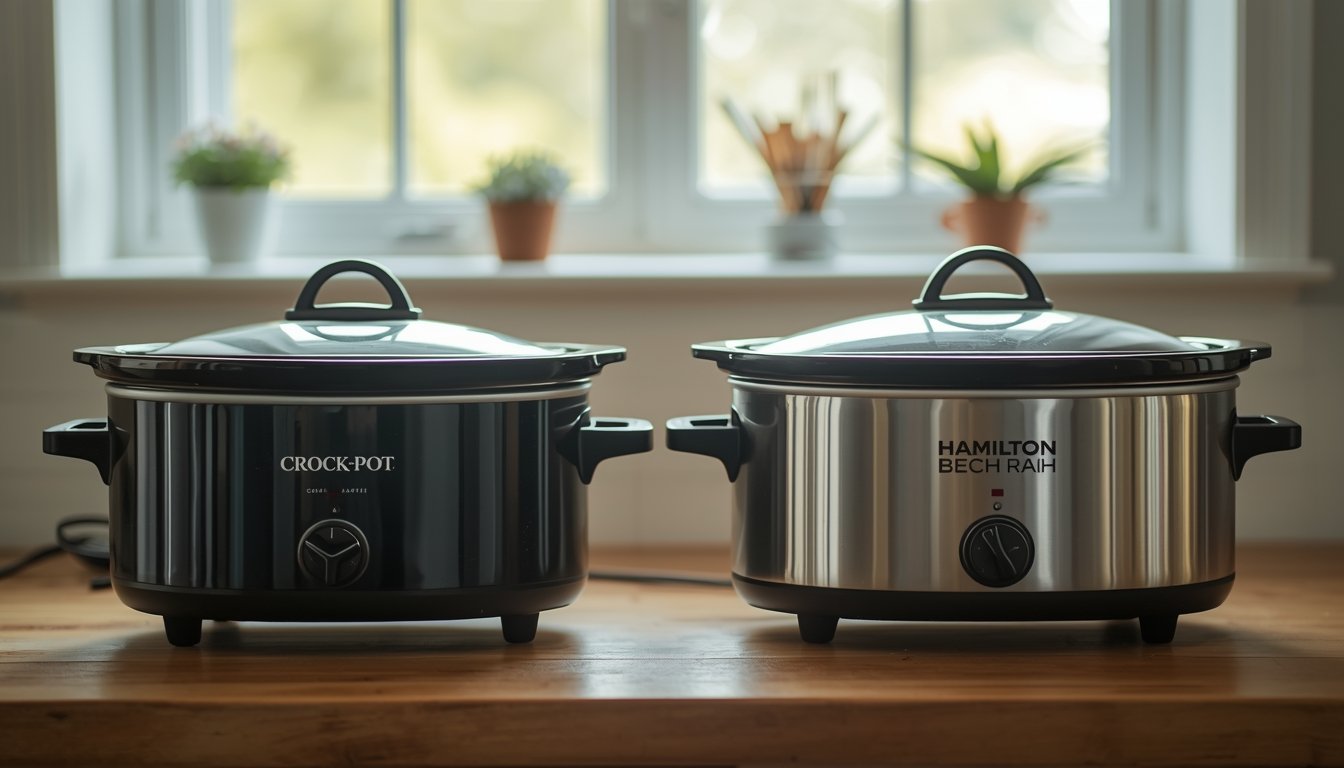
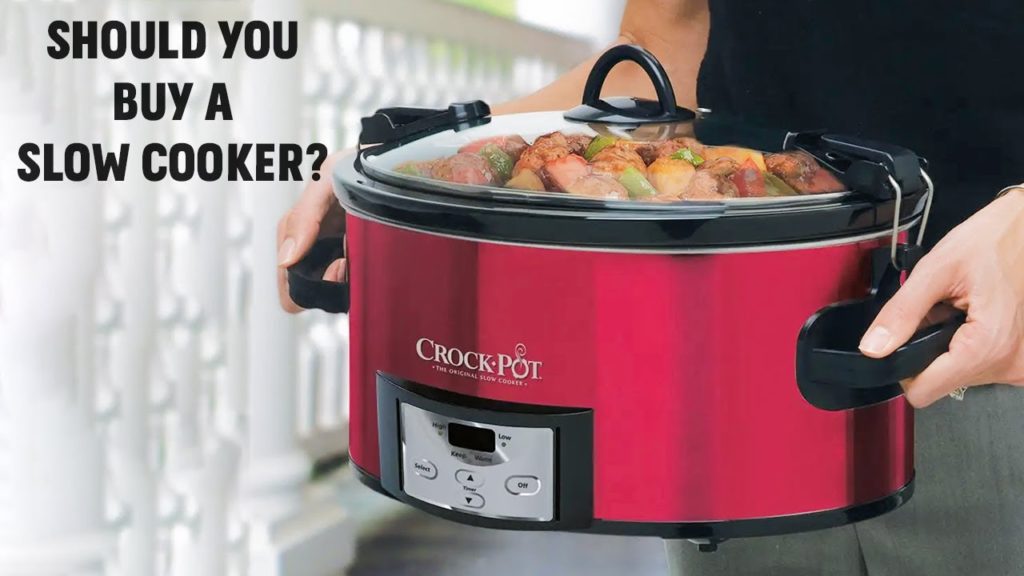
A slow cooker is a countertop appliance with a heated base, a removable cooking crock, and a lid. It cooks food at a low temperature for several hours.
Most models have Low, High, and Warm settings. The exact heat varies by model, so the cooking time in a recipe is an estimate rather than a guarantee.
A slow cooker works best with foods that benefit from long, gentle heat:
- Beef chuck and pork shoulder
- Chicken thighs
- Dried beans
- Lentils
- Chili
- Stews
- Soups
- Pulled meat
- Tomato-based sauces
- Oatmeal and some breakfast dishes
The covered pot holds moisture. This helps prevent many dishes from drying out while connective tissue in tough meat slowly breaks down.
A slow cooker does not replace every cooking method. It cannot usually sear meat, boil water quickly, bake bread well, or make food crisp. It is best viewed as a low-effort cooking tool, not an all-purpose kitchen appliance.
Is a Slow Cooker Worth It for Most People?
A slow cooker is usually worth it when its main benefit matches your routine: you want dinner ready after several hours but do not want to stand over the stove.
Reasons a slow cooker can be worth it
1. It reduces active cooking time
Many slow-cooker meals need only a few minutes of preparation. You may need to chop food, add liquid, and season the dish. After that, the appliance cooks without constant stirring.
This can help people who:
- Work away from home
- Care for children
- Have limited mobility
- Want dinner ready after work
- Prefer batch cooking
- Find stovetop cooking tiring
The total cooking time may be long, but the hands-on time is often short.
2. It works well for inexpensive cuts
Tough cuts such as chuck roast contain connective tissue. Long, moist cooking can make these cuts tender.
This may lower the cost per serving compared with buying already tender cuts. The savings are not automatic, though. Meat prices, portion size, waste, and the cost of other ingredients still matter.
3. It makes large batches
A 5- to 7-quart slow cooker can make several servings. That suits families and people who want leftovers.
Large batches may also reduce weekday cooking. You can portion leftovers into shallow containers and refrigerate or freeze them promptly. The USDA recommends keeping perishable food out of the temperature danger zone and cooling leftovers safely.
4. It uses simple cooking methods
Slow-cooker recipes often use one pot. That can reduce the number of pans to wash.
The crock and lid may be dishwasher-safe, but this depends on the model. Check the instruction manual before placing any part in the dishwasher.
5. It can make meal planning easier
A slow cooker can turn a planned ingredient list into several meals. For example, one batch of shredded chicken may work in tacos, sandwiches, soup, or rice bowls.
This does not mean every slow-cooker recipe is healthy or cheap. Cream sauces, large amounts of cheese, and fatty meat can raise calories and saturated fat. The appliance affects the method, not the nutrition of the ingredients.
Reasons it may not be worth it
A slow cooker may sit unused if you:
- Usually cook for one person
- Prefer meals with a crisp crust
- Need food in under 30 minutes
- Dislike leftovers
- Have little cabinet or counter space
- Already use a pressure cooker for the same meals
- Prefer to control each cooking step on the stove
Decision rule: If you can name at least five meals you would make in a slow cooker, it is more likely to earn its space. If you cannot name three, wait before buying one.

Slow Cooker Cost: Does It Save Money?
A slow cooker can reduce food costs, but its largest financial benefit often comes from using leftovers and cooking inexpensive ingredients well.
A simple electricity estimate
Use this formula to estimate electricity cost:
Cost = watts ÷ 1,000 × hours used × electricity price per kilowatt-hour
For a hypothetical example, assume:
- A 200-watt slow cooker
- Eight hours of cooking
- Electricity priced at $0.18 per kilowatt-hour
The estimate is:
0.2 kW × 8 hours × $0.18 = $0.29
This is only an example. Actual use varies because heating elements cycle on and off, and electricity rates differ across the United States. A slow cooker’s label or manual may list its wattage, but that number does not always equal power used for every minute of cooking.
The appliance cost is only one part of the decision. Also consider:
- Purchase price
- Ingredients
- Storage containers
- Replacement lids or crocks
- Your local electricity rate
- Food that gets wasted
- Whether you will use the appliance often
A $40 appliance used twice is not a bargain. A modest appliance used weekly for several years may provide good value.
Slow cooker versus oven
A slow cooker often uses less power than a full-size electric oven because it has a smaller heated area and lower wattage. However, the comparison depends on cooking time, oven temperature, appliance efficiency, and the meal.
Do not assume the slow cooker always costs less. A short oven meal may use less total energy than an eight-hour slow-cooker meal. The best comparison is the actual wattage and cooking time of each appliance.
Slow cooker versus takeout
The biggest possible savings may come from replacing restaurant meals, not from reducing electricity use.
For example, a large pot of chili can provide several servings. If you eat the leftovers, the cost per serving may be lower than buying several individual meals. If the food spoils in the refrigerator, the savings disappear.
Who Should Buy a Slow Cooker?
A slow cooker is a strong fit for people who want planned meals with low effort.
It may suit you if you:
- Cook for two or more people
- Like soups, stews, chili, or pulled meat
- Want leftovers for work lunches
- Have a busy evening schedule
- Prefer mild, steady cooking
- Want to use beans and less expensive cuts
- Can plan meals several hours ahead
It may not suit you if you:
- Need exact cooking control
- Cook mostly fresh vegetables and seafood
- Prefer stir-fries or quick pasta dishes
- Want browned or crunchy food
- Have limited storage
- Often forget food while it cooks
- Need a cooking method that works for small portions
A slow cooker can also help people with limited hand strength because it needs less stirring and active supervision than many stovetop meals. It still requires safe food handling and careful lifting. A full crock can be heavy.

Slow Cooker Limitations You Should Know
A slow cooker has clear strengths, but it also has limits that affect results.
It does not brown food well
Browning creates roasted flavor and color. A slow cooker’s moist environment is not designed for this.
You can brown meat in a skillet first, then transfer it to the slow cooker. This adds a pan and extra time. It may improve flavor, but it is not required for every recipe.
Do not brown meat and leave it sitting at room temperature while you prepare the rest of the meal. Cook it promptly and follow safe temperature practices.
It can overcook lean meat
Chicken breast, pork loin, and some fish can become dry or tough during long cooking. Fatty or connective-tissue-rich cuts often tolerate slow cooking better.
Cooking time also changes with:
- Meat size
- Starting temperature
- Ingredient amount
- Crock shape
- Lid removal
- Whether food is frozen
- Model design
Avoid lifting the lid often. Each opening releases heat and moisture and may extend the cooking time.
It may produce thin sauces
Food releases water as it cooks, and the lid traps steam. A sauce that starts thick may become thinner.
You can improve the texture by:
- Using less added liquid
- Adding dairy near the end
- Thickening with a cornstarch slurry
- Reducing the liquid on the stove after cooking
- Choosing a recipe made for slow-cooker moisture levels
Do not add flour directly in large amounts unless the recipe explains how to prevent lumps.
It cannot safely cook every ingredient from frozen
The USDA advises against putting frozen meat or poultry directly into a slow cooker because the food may spend too long at unsafe temperatures while thawing.
Thaw meat in the refrigerator before slow cooking. Do not use the countertop as a thawing method.
It is not ideal for every vegetable
Root vegetables such as potatoes and carrots usually hold up well. Soft vegetables, greens, and some fresh herbs may become dull or mushy if added too early.
Adding delicate ingredients near the end can improve texture and flavor.

How to Use a Slow Cooker Safely
Safe use starts before you turn the appliance on.
The USDA’s slow-cooker guidance recommends several key practices:
- Thaw meat and poultry before adding them.
- Start with a clean cooker, utensils, and work surface.
- Use the correct size crock. Food usually should fill about one-half to two-thirds of the cooker. Follow the manufacturer’s instructions for your model.
- Keep the lid on during cooking.
- Use a food thermometer to check doneness.
- Refrigerate leftovers within two hours, or within one hour when the air temperature is above 90°F.
- Divide large amounts of leftovers into shallow containers so they cool faster.
The USDA lists 40°F to 140°F as the temperature danger zone, where bacteria can grow quickly. Keep hot food hot and cold food cold.
Do not use the Warm setting to cook raw food. Warm is for holding food after it has reached a safe cooking temperature. The exact safe endpoint depends on the food. For example, the USDA lists 165°F for poultry and leftovers, while whole cuts of beef, pork, veal, and lamb have different minimum temperatures.
A slow cooker should not be left unattended if the cord, housing, or crock is damaged. Place it on a stable, heat-safe surface with space around it. Keep the cord away from water and hot surfaces.

What Size Slow Cooker Should You Buy?
Choose the size based on your usual batch, not the largest model available.
| Slow cooker size | Best for | Main trade-off |
|---|---|---|
| 1 to 2 quarts | Dips, sauces, small portions | Limited meal size |
| 3 to 4 quarts | One or two people | Less room for large roasts |
| 5 to 6 quarts | Most families and batch cooking | Takes more storage space |
| 7 quarts or more | Large families and big cuts | Heavy when full |
A 5- to 6-quart model is a practical starting size for many U.S. households. A smaller household may prefer a 3- to 4-quart model if it does not want several days of leftovers.
Before buying, check:
- Crock capacity
- Shape and dimensions
- Removable crock
- Dishwasher-safe parts
- Timer behavior
- Warm-setting duration
- Lid fit
- Warranty
- Cord storage
- Whether the crock can go into the oven, if that feature matters
Do not assume that a timer makes an appliance safe for every recipe. Some models switch to Warm after the cooking time, while others may have different controls. Read the manual.

Slow Cooker Alternatives
A slow cooker is not the only way to make low-effort meals.
Dutch oven
A Dutch oven can brown meat, move from stovetop to oven, and produce rich sauces. It offers more control but needs more active work and may use more oven energy.
Electric pressure cooker
An electric pressure cooker can cook beans, stews, and tough meat much faster. It is useful when you want flexibility between pressure cooking, sautéing, and slow cooking.
Its slow-cook function may not behave exactly like a traditional slow cooker. The shape, heat pattern, and temperature control can differ by model.
Sheet pan
A sheet pan is better for roasted vegetables, crisp chicken, and quick meals. It usually requires less planning but does not create the same moist, braised texture.
Stovetop pot
A regular pot gives you direct control and can finish a meal faster. It requires more attention because food may scorch, boil over, or need stirring.
The best choice depends on the meal you make most often. Buy a slow cooker for convenience and long, moist cooking—not because it is automatically better than every alternative.

Common Slow Cooker Mistakes
Avoid these errors for better results and safer meals:
- Filling the crock to the rim
- Opening the lid repeatedly
- Adding too much liquid
- Starting with frozen meat
- Using the Warm setting to cook raw food
- Adding dairy too early
- Cooking delicate fish for many hours
- Assuming a recipe’s time works for every model
- Leaving leftovers in the crock to cool slowly
- Using a cracked crock or damaged power cord
- Placing a hot crock on a cold or wet surface
- Treating a slow cooker as a substitute for a food thermometer
The most common quality mistake is adding too much liquid. Since steam stays inside, many recipes need less water or broth than a stovetop version.

Frequently Asked Questions
Is it cheaper to use a slow cooker or an oven?
It depends on the appliance wattage, cooking time, temperature, and local electricity rate. A slow cooker often draws less power than a full-size oven, but an eight-hour cycle can reduce the difference. Use the wattage formula for a better estimate.
Can I leave a slow cooker on while I am at work?
Many people use slow cookers during the day, but safe use requires a working appliance, a stable heat-safe surface, the correct fill level, and a recipe that can tolerate the cooking time. Do not use a damaged cooker or leave it near flammable items. Follow the manufacturer’s instructions.
Is a slow cooker good for one person?
It can be, especially if you freeze extra portions. A 1- to 3-quart model may reduce waste. A large cooker can still work, but it may create more food than one person can safely store and eat.
Can I put raw meat in a slow cooker?
Yes, raw meat can be cooked in a slow cooker when it is thawed and handled safely. Use a food thermometer to confirm that it reaches the proper safe temperature.
Can I cook rice or pasta in a slow cooker?
Some recipes are designed for rice or pasta, but timing can be less predictable than on the stovetop. Pasta may become soft if added too early. Follow a tested recipe for your specific dish and add quick-cooking ingredients at the recommended time.
Final Verdict: Is a Slow Cooker Worth It?
A slow cooker is worth it for people who want simple, make-ahead meals and often cook soups, chili, beans, or tender meat. Its value comes from low active effort, large batches, and reliable moist cooking.
It is not the best buy for people who prefer quick meals, crisp textures, small portions, or precise stovetop control.
Before purchasing, list the meals you would actually make. If you can use the appliance weekly and eat the leftovers, a basic slow cooker can earn its space. If not, your current pot, Dutch oven, or pressure cooker may already meet the need.