
Fill the reservoir, turn on the machine, choose a size, and collect ice when the basket is full.
Learning how to use a portable ice maker is simple, but a few small details make a big difference. Proper water levels, good airflow, regular cleaning, and safe storage help the machine make clear, cold ice without odors or slow cycles. This guide explains each step in plain language, along with common mistakes, care tips, and practical advice for daily use.
What Is a Portable Ice Maker?
A portable ice maker is a small appliance that makes ice without a permanent water line. You add water to its tank, plug it into a standard outlet, and let it freeze water into small ice nuggets or bullet-shaped pieces.
Most models include a water reservoir, ice basket, control panel, cooling system, and sensors. The machine usually stops making ice when the basket is full or the water tank is empty.
Unlike a freezer ice tray, a portable ice maker does not usually keep ice frozen for many hours. Its insulated basket slows melting, but melted ice normally returns to the water tank and can be frozen again.
Portable ice makers are useful for:
• Home kitchens and apartments
• RVs, boats, and camping trips with suitable power
• Offices and dorm rooms
• Parties and outdoor events
• Homes with refrigerators that lack an ice dispenser
What You Need Before You Start
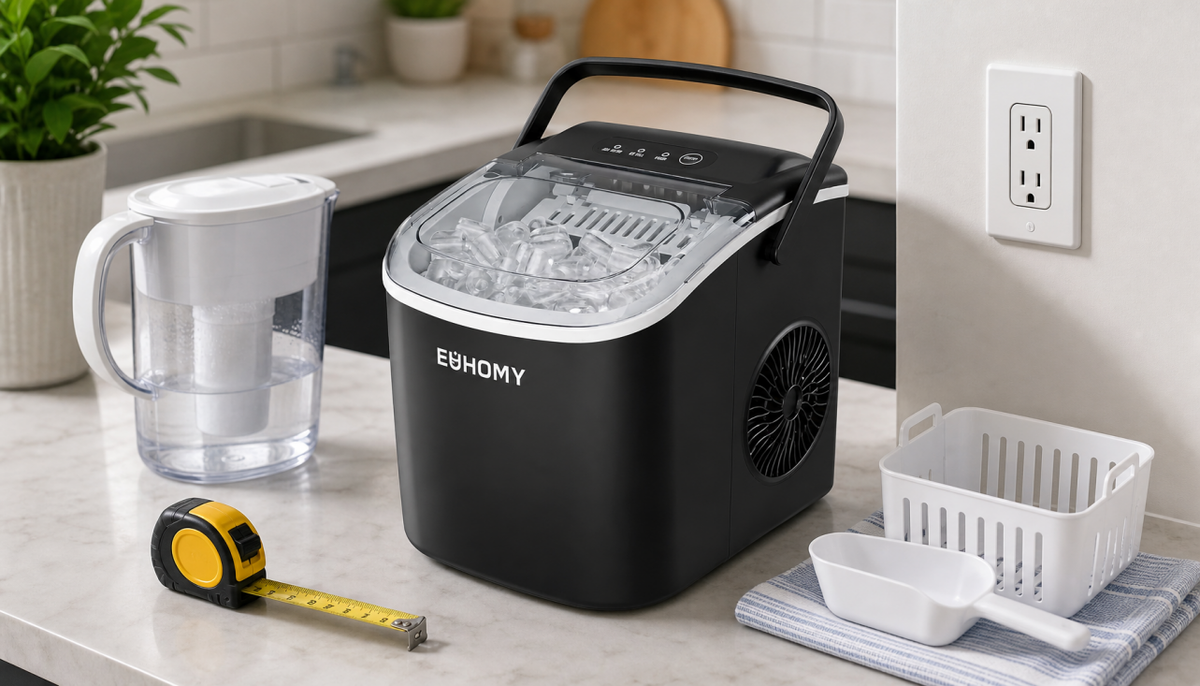
Before learning how to use a portable ice maker, prepare the machine and its space. Good setup helps the compressor work well and reduces the chance of spills.
You will need:
• The portable ice maker
• Clean drinking water
• A stable, level surface
• A nearby grounded electrical outlet
• A clean cloth for wiping the machine
Place the unit on a flat counter with open space around the vents. Most machines need several inches of clearance on the sides and back. Do not place the ice maker beside a hot oven, stove, radiator, or in direct sunlight.
If the machine was transported on its side, let it stand upright before turning it on. Many manufacturers suggest waiting several hours so the refrigerant and compressor oil can settle. Check your user manual because the exact waiting time may vary.
Remove all packaging, tape, foam, and protective film. Wash the removable ice basket with warm water and mild dish soap. Never put the main electrical body in water.

How to Use a Portable Ice Maker Step by Step
The basic process is easy. Follow these steps each time you use the appliance.
1. Place the machine correctly
Set the ice maker on a dry, level surface. Keep the air vents clear, and leave enough room for heat to escape.
A level surface matters because the water pump and sensors need to work properly. A tilted machine may make less ice, leak water, or stop before the basket is full.
2. Add clean water
Open the lid and fill the reservoir to the marked line. Do not go above the maximum fill mark.
Use cold or room-temperature drinking water unless your manual says otherwise. Very hot water can strain the machine, while highly mineralized water may leave scale inside the system.
Filtered water often improves taste and reduces mineral buildup. Avoid adding flavoring, juice, soda, milk, or any other liquid. These ingredients can damage the pump and create a sticky film that is hard to clean.
3. Plug in the appliance
Connect the power cord to a suitable outlet. Make sure the cord is dry and does not sit under the machine.
Avoid using a damaged cord or a loose extension cord. Portable ice makers often use a compressor, so the outlet should provide steady power. For RV or outdoor use, follow the appliance and power station instructions closely.
4. Turn on the machine
Press the power button. Many models show a light or display when they are ready.
The first cycle may take several minutes. The machine must cool its internal system before it can freeze water. Do not worry if the first batch is smaller or slower than later batches.
5. Select the ice size
Choose small, medium, or large ice if your model offers this setting. Small pieces usually freeze faster, while large pieces may last longer in a drink.
Bullet-shaped ice is often softer and easier to chew than hard freezer ice. It may melt faster, so use it soon after making it.
6. Wait for the first batch
A portable ice maker may produce its first batch in about 6 to 15 minutes, depending on the model, room temperature, water temperature, and ice size.
The first batch can be thin or irregular. This is normal because the cooling system is still reaching its working temperature. Later batches are often more consistent.
7. Remove and store the ice
When the basket is full, remove the ice with the included scoop. Place it in a clean container or use it right away.
Do not use your hands to handle large amounts of ice. A clean scoop helps protect the ice from dirt and reduces contact with the inside of the machine.
8. Refill the water tank
When the water level becomes low, the machine may show a “Add Water” light or stop automatically. Add more clean water, but never fill above the maximum line.
If the basket is full, remove some ice before adding water. This gives the sensors enough room to detect the water level and continue the cycle.
How Long Does a Portable Ice Maker Take?
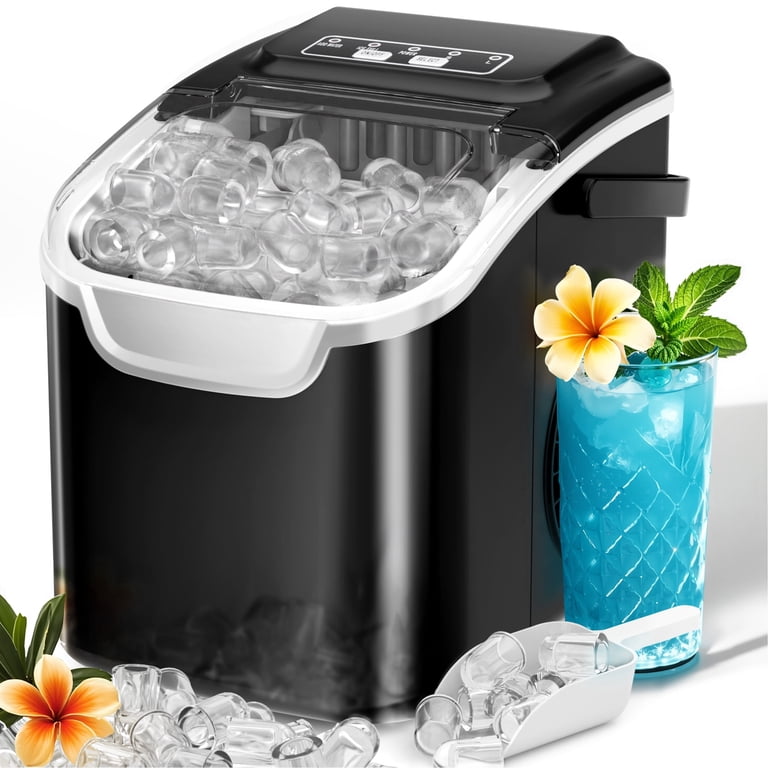
Most portable ice makers make a small batch in 6 to 15 minutes. Some compact models take longer, especially during the first cycle or in a warm room.
Several factors affect production speed:
• Room temperature
• Water temperature
• Selected ice size
• Ventilation around the machine
• Water level
• Cleanliness of the condenser and internal parts
A warm kitchen can slow production because the machine must release heat into the room. Keeping the unit away from sunlight and hot appliances often helps.
Do not expect the machine to make its advertised daily output continuously in every home. Rated production is usually measured under specific test conditions. Real-world output may be lower.

How to Make More Ice Faster
If you need ice for a party or family gathering, plan ahead. A portable ice maker works best when it has enough time to produce several batches.
Use these tips:
• Start with cool, clean water.
• Choose small ice if speed matters most.
• Keep the room and counter area cool.
• Leave several inches of space around the vents.
• Empty the basket often.
• Keep the water reservoir free from scale.
• Store finished ice in a freezer-safe bag or container.
A useful routine is to start the machine one to two hours before guests arrive. Move each finished batch to the freezer if you need to build a large supply.
Remember that a portable ice maker is a production machine, not a freezer. It makes ice, but it usually does not keep that ice completely frozen after the cycle ends.

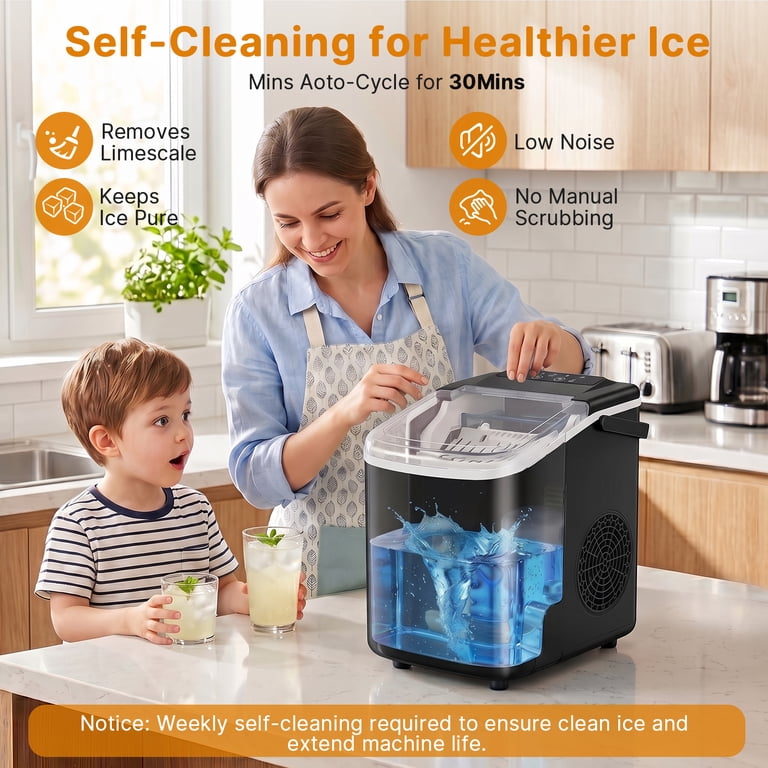
How to Clean a Portable Ice Maker
Cleaning is one of the most important parts of learning how to use a portable ice maker. Water can leave mineral scale, and a damp machine can develop odors if it is not dried well.
Clean the appliance regularly, especially if you use it every day.
Basic cleaning steps
-
Turn off and unplug the machine.
-
Remove the ice basket and drain any water.
-
Wash the basket and scoop with warm water and mild dish soap.
-
Wipe the reservoir, lid, and inside surfaces with a clean cloth.
-
Use the manufacturer’s cleaning cycle if the machine has one.
-
Rinse away all cleaning solution.
-
Drain the unit completely.
-
Wipe it dry and leave the lid open until the inside is fully dry.
Some manufacturers recommend a diluted vinegar solution for mineral scale. Others recommend a special ice maker cleaner. Follow the manual because cleaning instructions differ by model.
Never mix vinegar with bleach or other cleaning products. Do not use abrasive pads, strong solvents, or boiling water unless the manufacturer specifically approves them.
How often should you clean it?
For frequent use, clean the machine about once a week. If you use it less often, clean it before storage and before using it again.
Clean it sooner if the ice smells strange, tastes unusual, looks cloudy from residue, or the machine begins making ice slowly.
How to Store Ice From a Portable Ice Maker
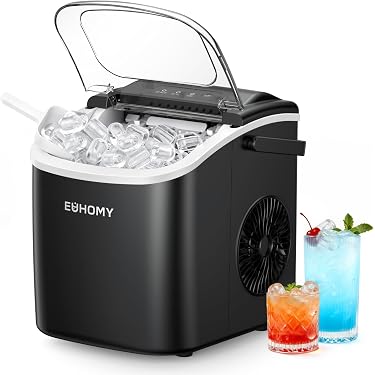
Fresh ice is best used soon after it is made. Since most portable ice makers do not freeze the storage basket, the ice will slowly melt.
For short-term use, keep the ice in the basket. The melted water usually drains back into the reservoir and may be frozen again.
For longer storage:
• Transfer the ice to a clean, sealed freezer bag or container.
• Place the container in a freezer.
• Keep raw foods and strong-smelling foods away from the ice.
• Do not return ice that has touched dirty surfaces.
If the ice has melted inside the machine, discard it if the water looks dirty or has an odd smell. Drain the tank, clean the unit, and add fresh water before making another batch.
Common Problems and Simple Fixes
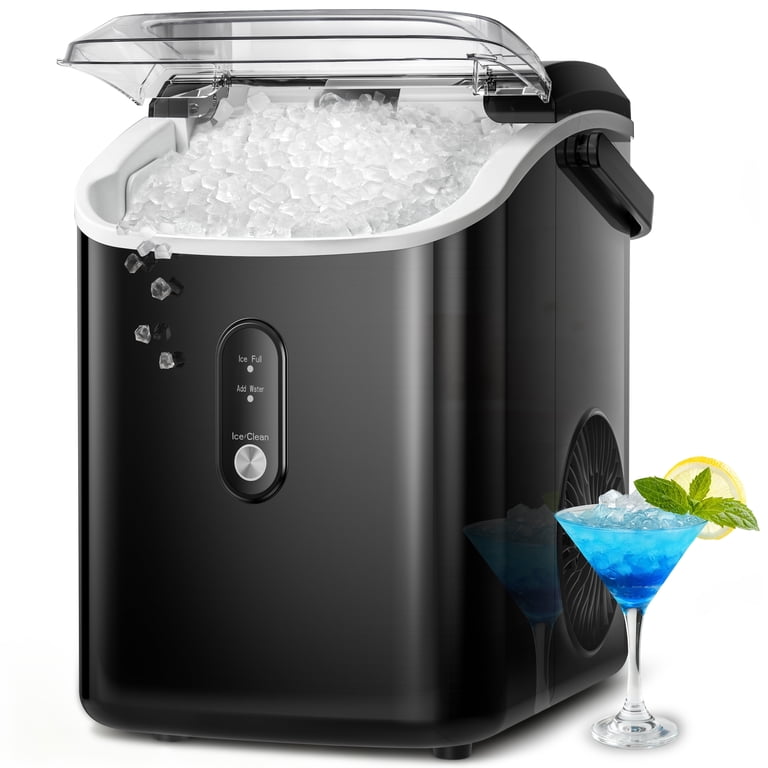
Even a well-maintained portable ice maker can show warning lights or slow down. Many problems have simple causes.
The machine does not make ice
Check that the power cord is connected and the machine is turned on. Confirm that the water tank has enough water and that the basket is not full.
If the room is very hot or the vents are blocked, move the machine to a cooler, open area. If it still does not work, unplug it and consult the manual.
The ice is too small
Small ice can result from warm water, a hot room, low refrigerant, or a dirty cooling system. Start with cooler water and improve airflow around the appliance.
If the problem continues after cleaning, the machine may need professional service.
The ice tastes or smells strange
Old water, dirty surfaces, mineral scale, or nearby food odors can affect taste. Drain the reservoir, wash the basket and scoop, run the recommended cleaning cycle, and rinse well.
Always use fresh drinking water.
The machine is noisy
A soft hum, fan sound, or water-pump noise is normal. Loud rattling may mean the machine is not level or an object is touching the cabinet.
Move it to a firm surface and check that the basket is seated correctly. Stop using the unit if you hear grinding, smell burning, or see damaged wiring.
The machine leaks
Check that the drain plug is closed and the reservoir is not overfilled. Also confirm that the unit is level.
If water leaks from the body rather than the drain, unplug the machine and contact the manufacturer.

Safety Tips for Portable Ice Makers
A portable ice maker uses water and electricity together, so safe habits matter.
• Keep the plug, cord, and outlet dry.
• Never operate the appliance with wet hands.
• Do not place it outdoors in rain unless it is specifically rated for outdoor use.
• Keep children away from the power cord and moving parts.
• Do not block the vents.
• Unplug the machine before cleaning or moving it.
• Do not use damaged cords or cracked parts.
• Use only drinking-quality water for ice.
• Follow the manual for voltage and power requirements.
The ice itself may look clean, but the appliance can still collect bacteria or mold if water sits inside for too long. Regular cleaning and drying help reduce this risk. Food safety guidance consistently emphasizes clean water, clean surfaces, and proper hand hygiene when handling food and ice.
Mistakes to Avoid
When I first tested a countertop ice maker, the biggest mistake was treating the basket like a freezer. The ice slowly melted, and the water cycled back into the reservoir. That behavior is normal, but it means finished ice should be moved to a freezer when it is needed later.
Other common mistakes include:
• Filling above the maximum line
• Leaving the machine in direct sunlight
• Pushing the unit against a wall
• Using flavored liquids instead of water
• Ignoring the cleaning cycle
• Storing the appliance while it is still damp
• Expecting large ice to freeze as quickly as small ice
• Moving the machine immediately after turning it off
The best lesson is simple: use the machine as a small ice factory. Give it clean water, open airflow, regular care, and enough time to work.
Is a Portable Ice Maker Worth It?
A portable ice maker can be a good choice if you need ice often and want faster results than freezer trays provide. It is especially useful for small kitchens, parties, RV trips, and refrigerators with limited ice storage.
Its main benefits include:
• Fast ice production
• Simple setup
• No plumbing installation
• Compact countertop design
• Easy movement between rooms
However, it has limits. It needs regular cleaning, uses counter space, and usually cannot store ice in a fully frozen state. It may also produce less ice in a hot room or when the vents are blocked.
Before buying, check the ice shape, production rate, basket size, noise level, cleaning program, warranty, and drain design. A model that fits your daily routine is more valuable than one with the highest advertised output.
Frequently Asked Questions About How to Use a Portable Ice Maker
Do you put water in a portable ice maker?
Yes. Fill the built-in reservoir with clean drinking water up to the marked maximum line. Do not add juice, soda, milk, or other liquids unless the manufacturer specifically allows them.
How long does a portable ice maker take to make ice?
Many models make their first batch in about 6 to 15 minutes. Water temperature, room temperature, ice size, and machine cleanliness can change the actual time.
Can you leave water in a portable ice maker overnight?
It is better to drain the machine if you will not use it for a long period. Standing water can develop odors or support unwanted growth, so clean and dry the reservoir before storage.
Does a portable ice maker keep ice frozen?
Usually, no. The basket may slow melting, but most portable ice makers are not freezers, so transfer the ice to a freezer for longer storage.
How often should you clean a portable ice maker?
Clean it about once a week if you use it often. Clean it sooner if the ice smells unusual, tastes odd, or the machine has visible scale.
Can you use tap water in a portable ice maker?
You can use tap water if it is safe to drink, but filtered water may improve taste and reduce mineral buildup. Follow local water guidance and your machine’s instructions.
Why is my portable ice maker not making ice?
Check the water level, basket position, power connection, room temperature, and airflow. If the machine remains unresponsive after these checks, unplug it and review the troubleshooting section in the manual.
Conclusion
Using a portable ice maker takes only a few steps: add clean water, provide good airflow, select an ice size, and remove the ice when the basket is full. Regular cleaning, safe handling, and proper storage will help the machine perform well and keep the ice fresh.
Start by testing one batch and learning how your model’s lights and controls work. With the right routine, a portable ice maker can keep your drinks cold without plumbing, trays, or long waiting times. Share your favorite ice maker tips or explore more appliance guides for practical home advice.