
In the United States, a slow cooker’s removable cooking pot may be oven safe, but the answer depends on the brand and model. The electric heating base is never oven safe. Most glass lids are not safe for oven use unless the manufacturer clearly says they are.
Before putting any slow cooker pot in a U.S. oven, check the owner’s manual or the markings on the pot. If the instructions do not confirm oven use, treat the pot as not oven safe.

<figcaption style=”font-size:14px;color:#555;margin-top:8px;”>
Source: storage.googleapis.com
Which Parts of a Slow Cooker Can Go in the Oven?
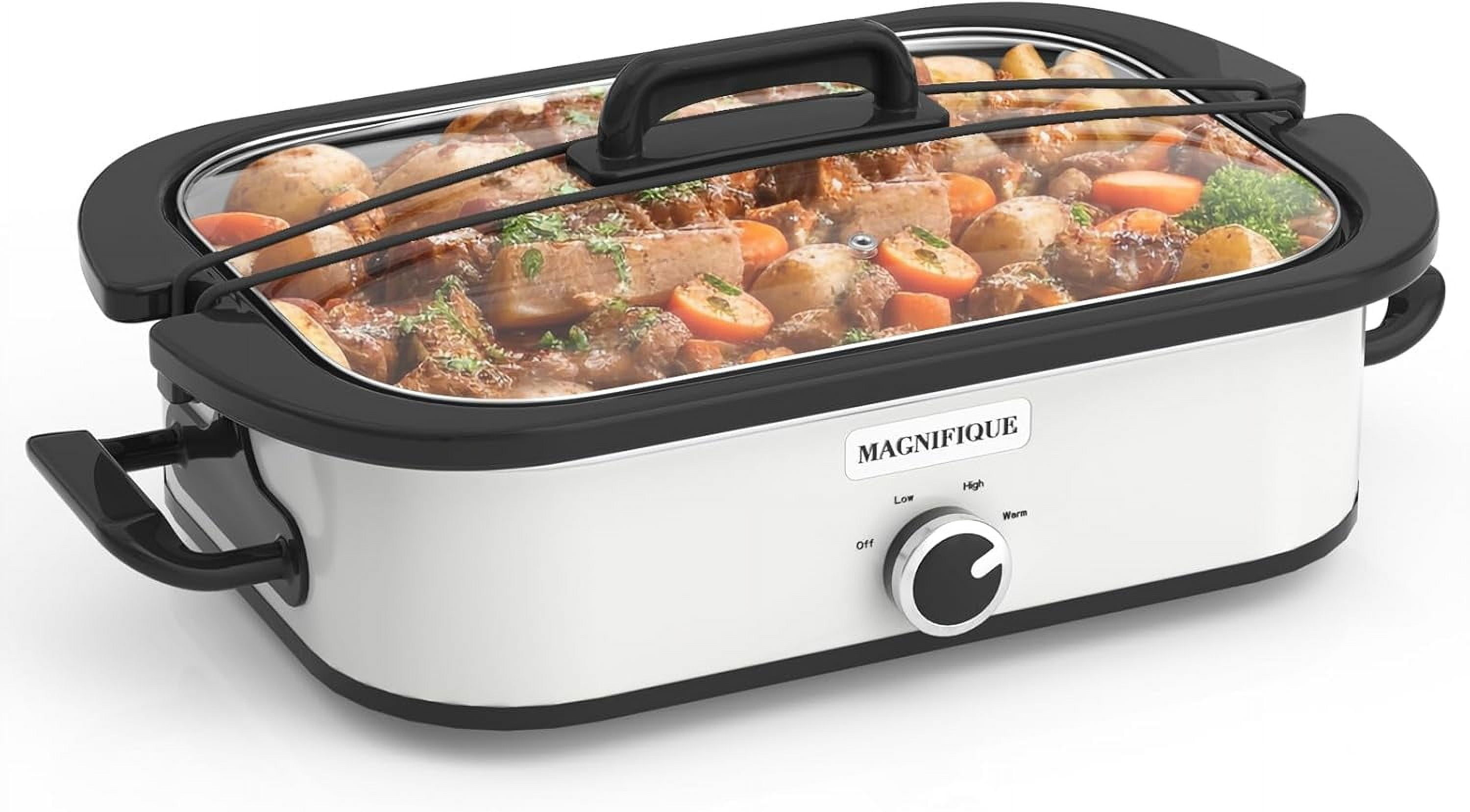
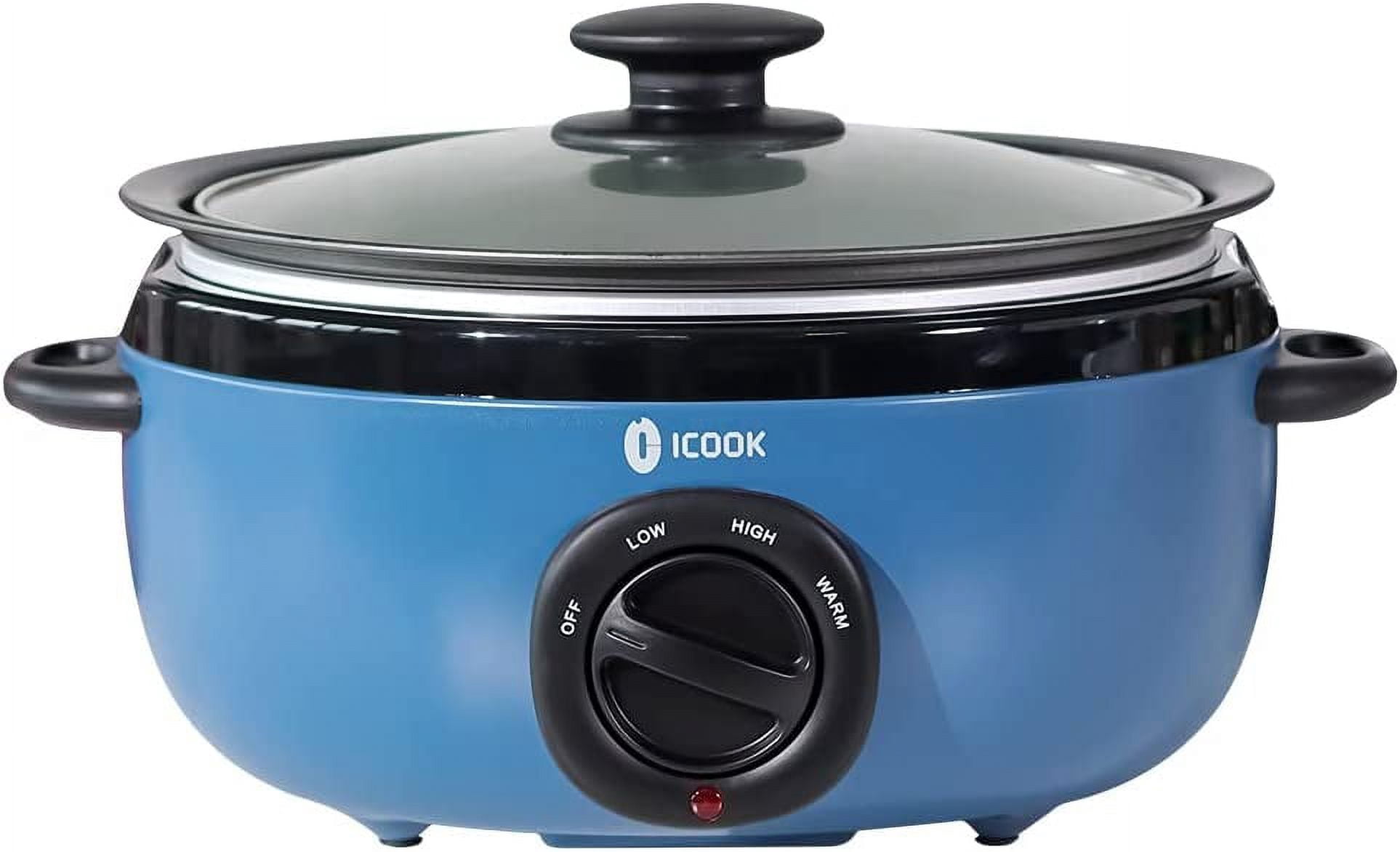
The removable insert is the only part that may be designed for oven use. A slow cooker usually has three main parts:
- Removable cooking pot: Often made of ceramic stoneware, but oven limits vary.
- Glass or plastic lid: May have a separate temperature limit or may not be oven safe at all.
- Heating base: Contains electrical parts and must never go in the oven.
The word “crock” often refers to the removable stoneware pot. It does not mean the entire slow cooker can withstand oven heat.
A manufacturer may approve a pot for oven use while still warning against:
- Broiling
- Direct contact with an oven burner
- Use on a stovetop
- Sudden temperature changes
- Temperatures above a stated limit
- Heating an empty pot
For example, some Crock-Pot product instructions allow certain stoneware inserts to go into a conventional oven. However, instructions differ by model. A general brand rule is not a substitute for the manual for your exact appliance.
How to Check Whether Your Slow Cooker Pot Is Oven Safe
Use the following checks before placing the pot in an oven.
1. Find the exact model number
Look for a model number on:
- The bottom of the heating base
- A label near the power cord
- The original box
- The owner’s manual
- The manufacturer’s website
Two slow cookers from the same brand may have different pot materials and temperature limits.
2. Read the owner’s manual
Search the manual for terms such as:
- Oven safe
- Stoneware insert
- Conventional oven
- Maximum temperature
- Thermal shock
- Broiler
- Stovetop
Manufacturers often place these warnings in the cleaning, cooking, or safety section. Hamilton Beach manuals and KitchenAid appliance manuals are examples of official sources that list model-specific use and care instructions.
3. Inspect the pot for damage
Do not use a ceramic insert in the oven if it has:
- A crack
- A deep chip
- A hairline fracture
- A loose or damaged handle
- A rough area that was previously smooth
Heat can make a small flaw expand. A damaged pot may break while you move it or while it is heating.
4. Check the temperature limit
“Oven safe” does not mean safe at every oven temperature. One pot may be approved for moderate baking temperatures, while another may have a lower limit.
If no temperature limit is listed, do not guess. Contact the manufacturer or use an oven-safe baking dish instead.
5. Confirm the lid rating separately
A pot and lid may have different limits. Some glass lids are suitable only for slow-cooker use. Others may be approved for a conventional oven at a specific temperature.
Never assume that an oven-safe pot makes its lid oven safe.

Can You Put a Ceramic Slow Cooker Pot in the Oven?
You can put a ceramic slow cooker pot in the oven only when the manufacturer approves that exact pot for oven use.
Ceramic and stoneware can tolerate oven heat, but they can also crack from thermal shock. Thermal shock happens when a material changes temperature too fast. Common examples include:
- Moving a cold pot directly into a hot oven
- Setting a hot pot on a cold, wet countertop
- Pouring cold liquid into a hot pot
- Placing a hot pot in cold water
- Heating a pot that is empty
A safer method is to let a refrigerated insert warm gradually before placing it in a preheated oven, if the manual allows that use. Follow the manufacturer’s instructions if they give a specific temperature or timing rule.
The U.S. Consumer Product Safety Commission advises consumers to follow the use and care instructions for cookware and kitchen appliances. That guidance matters here because ceramic cookware can fail when used outside its rated conditions.

Can You Put a Slow Cooker Pot on the Stovetop?
Usually, no. A slow cooker insert is not automatically safe for a gas, electric, or induction stovetop.
The heating pattern on a stovetop is different from the gentle, surrounding heat of a slow cooker. A burner can create a hot spot under the pot. That concentrated heat may crack ceramic or damage the pot.
Do not use the insert on a stovetop unless the manual specifically says it is stovetop safe. This warning also applies to:
- Campfires
- Grills
- Hot plates
- Induction burners
- Toaster ovens
- Broilers
Some multicookers use a metal inner pot designed for sautéing. That type of pot is different from a ceramic slow cooker insert. Always follow the appliance instructions for the exact model.

Can the Slow Cooker Lid Go in the Oven?
A slow cooker lid is oven safe only if its instructions say it is.
Many slow cooker lids use tempered glass. Tempered glass is stronger than ordinary glass, but it can still break under sudden temperature changes or excessive heat. A lid may also contain a plastic knob or seal that has a lower heat limit.
Before using a lid in the oven, check whether the manual states:
- The approved oven temperature
- Whether the lid can be used under a broiler
- Whether the lid must be removed above a certain temperature
- Whether the lid is safe when the pot is covered
Never place a lid with a plastic part under a broiler unless the manufacturer specifically permits it. Broiler heat comes from a very close, intense heating element and is different from normal baking heat.
If the lid is not approved for oven use, cover the food with aluminum foil in an oven-safe dish instead.
How to Move a Slow Cooker Pot Safely From the Refrigerator to the Oven
A cold ceramic insert can crack when exposed to sudden heat. Use this safer process only if the manual permits oven use.
- Check the pot and manual. Confirm the oven rating and maximum temperature.
- Remove the pot from the refrigerator. Do not use it if it is cracked or chipped.
- Let it warm at room temperature. Follow the manufacturer’s instructions for the waiting period.
- Place the pot on a stable, dry surface. Avoid a cold stone counter or a wet towel.
- Use oven mitts. Ceramic handles can become very hot.
- Set the pot in the oven carefully. Keep it away from direct contact with heating elements.
- Use the approved temperature only. Do not use the broiler unless it is expressly allowed.
- Remove the pot with both hands. Support the base and handles.
- Place it on a dry, heat-resistant surface. Do not set it on a cold countertop.
- Allow it to cool before washing. Do not pour cold water into a hot insert.
The main sign of safe use is that the pot remains intact and stable. If you hear cracking, see a new fracture, or notice liquid leaking, turn off the oven and let the pot cool before handling it.

Oven-Safe Slow Cooker Pot vs. Oven-Safe Dutch Oven
An oven-safe slow cooker insert and a Dutch oven are not interchangeable.
| Feature | Slow cooker insert | Dutch oven |
|---|---|---|
| Main purpose | Long, low-temperature cooking | Stovetop and oven cooking |
| Typical material | Ceramic stoneware | Cast iron, enameled iron, or metal |
| Stovetop use | Usually not allowed | Often allowed, if rated |
| Oven use | Model-specific | Usually listed by the manufacturer |
| Lid rating | May differ from the pot | Must also be checked |
| Heating base | Never oven safe | Not applicable |
A Dutch oven is usually the better tool for recipes that begin on the stovetop and finish in the oven. A slow cooker pot is better for slow cooking when used with its matching electric base.
Do not transfer a slow cooker insert to a different appliance unless the manufacturer confirms that use. A pot may fit physically but still be unsafe because of heat concentration or temperature limits.

Common Mistakes to Avoid
The most common mistake is assuming that a removable pot is oven safe because it is made from ceramic. Material alone does not establish the pot’s tested temperature range.
Avoid these errors:
- Putting the entire slow cooker in the oven
- Leaving the power cord attached near the oven
- Using the heating base as a baking pan
- Putting a cold insert into a hot oven without checking instructions
- Using a cracked or chipped pot
- Placing the insert on a stovetop burner
- Using the broiler without written approval
- Assuming the lid has the same rating as the pot
- Setting a hot insert on a wet or cold surface
- Washing a hot insert with cold water
- Using an unapproved replacement insert
If you cannot find reliable instructions, use a separate oven-safe casserole dish. Replacing the food container is safer and less costly than risking a broken pot or a burn.
What to Do If Your Slow Cooker Pot Cracks
Stop using the pot if it cracks, leaks, or makes a sharp popping sound.
Turn off the appliance or oven, and keep people away until the pot cools. Do not lift a cracked pot while it is hot. Broken ceramic and hot food can cause serious cuts and burns.
After the pot cools:
- Unplug the slow cooker if it was in use.
- Check whether food or liquid entered the heating base.
- Do not reuse a base that has been soaked or contaminated.
- Contact the manufacturer for a replacement insert.
- Do not repair ceramic with glue for food or oven use.
- Dispose of the pot according to local waste rules.
If liquid entered the electrical base, do not plug it back in. The manufacturer or a qualified appliance technician should advise you on whether the unit can be safely used again.

Frequently Asked Questions
Is a Crock-Pot pot oven safe?
Some Crock-Pot stoneware inserts are oven safe, but the approved temperature and restrictions vary by model. Check the manual for your exact Crock-Pot appliance. The electric heating base is never oven safe.
What temperature can a slow cooker pot withstand?
There is no single temperature that applies to every slow cooker pot. Use the maximum temperature printed in the manual or provided by the manufacturer. If no limit is available, do not place the pot in an oven.
Can I put a slow cooker pot in a preheated oven?
Only if the manufacturer approves oven use. A preheated oven can expose a cold ceramic insert to rapid temperature change, which may cause cracking. Follow the model’s instructions for warming the pot first.
Can I bake in a slow cooker crock?
You may be able to bake in an approved stoneware crock at the stated temperature. However, the slow cooker’s shape, heating pattern, and lid may not behave like a standard baking dish. Use a conventional oven only within the manufacturer’s limits.
Is a slow cooker pot dishwasher safe?
Many removable stoneware pots are dishwasher safe, but not all are. Check the care instructions. Let a hot pot cool before placing it in water or a dishwasher to reduce the risk of thermal shock.
Conclusion
A slow cooker pot is possibly oven safe, not automatically oven safe. Check the exact model manual, confirm the temperature limit, inspect the pot for damage, and treat the lid as a separate component.
Never place the electrical heating base in an oven. If the manufacturer does not clearly approve oven use, transfer the food to a dedicated oven-safe baking dish. That simple step protects the cookware, the meal, and the people handling it.