
Drinking olive oil every day may support heart health, but too much can add calories and upset your stomach.
What happens if you drink olive oil everyday depends on the type, amount, and your overall diet. Extra virgin olive oil can provide healthy monounsaturated fat and plant compounds, but drinking it straight is not a magic health cure. This guide explains the likely benefits, possible side effects, safe amounts, and better ways to include olive oil in daily meals.
What happens if you drink olive oil everyday?
If you drink olive oil every day, your body receives a concentrated source of fat. One tablespoon has about 119 calories and around 14 grams of fat. Most of that fat is monounsaturated fat, which can fit well into a heart-friendly eating pattern.
The effect also depends on what olive oil replaces. Using it instead of butter, shortening, or highly processed oils may improve the quality of your diet. Adding it on top of your usual meals may simply increase your calorie intake.
When people ask what happens if you drink olive oil everyday, they often expect a quick cleanse or dramatic weight loss. Research does not support those claims. Olive oil works best as part of a balanced Mediterranean-style diet that includes vegetables, beans, whole grains, fish, nuts, and fruit.
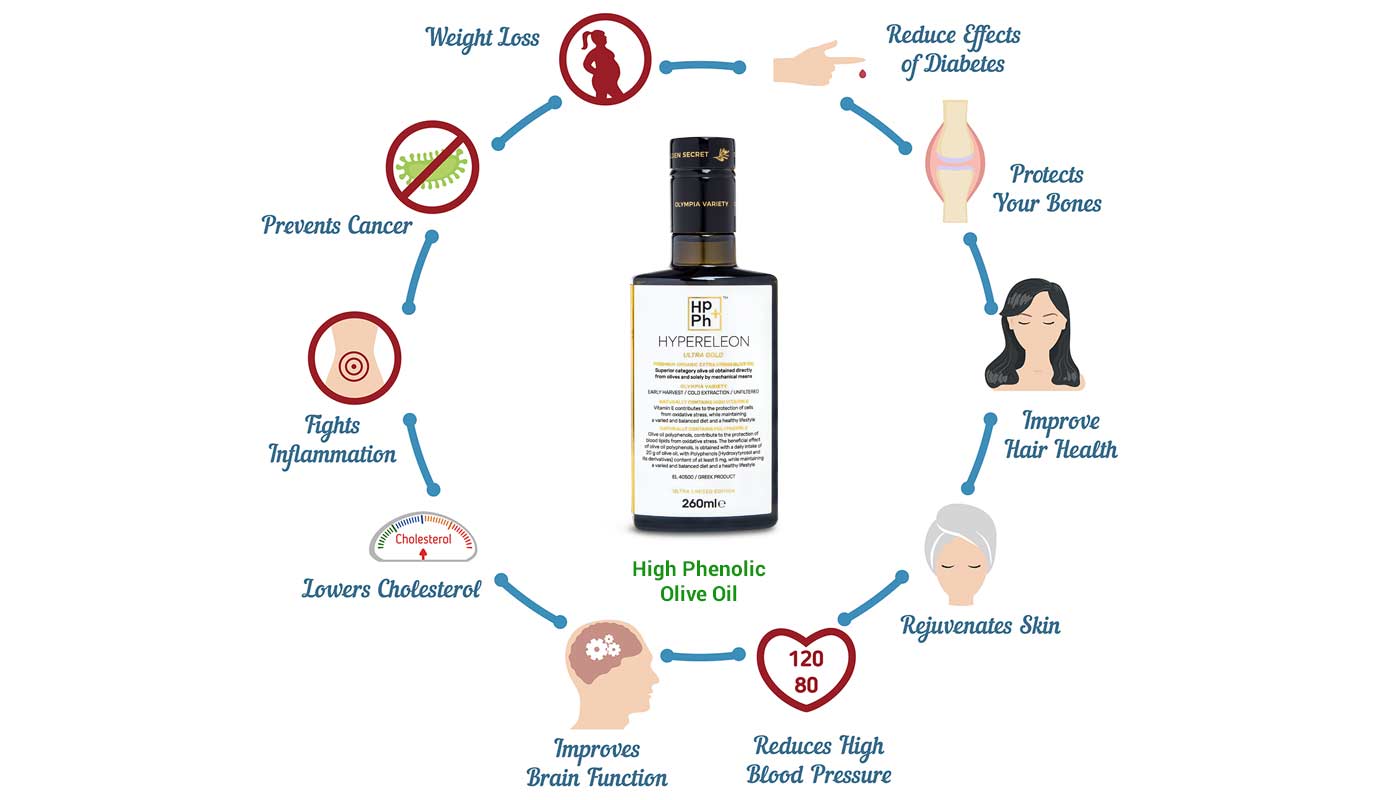
Potential benefits of drinking olive oil daily
It may support heart health
Extra virgin olive oil contains monounsaturated fat. Replacing saturated fat with unsaturated fat may help improve cholesterol levels and support cardiovascular health.
Olive oil also contains polyphenols. These natural plant compounds have antioxidant and anti-inflammatory effects. However, the strongest evidence comes from using olive oil in place of less healthy fats, not from drinking large shots of it.
Large nutrition studies of Mediterranean-style diets have linked this eating pattern with a lower risk of major cardiovascular events. The benefit likely comes from the whole diet, rather than olive oil alone.
It may help your body absorb certain nutrients
Some vitamins need fat for proper absorption. These include vitamins A, D, E, and K. Olive oil can help your body absorb carotenoids from foods such as tomatoes, carrots, spinach, and peppers.
For example, a salad with leafy greens and a small amount of extra virgin olive oil may provide more usable carotenoids than a fat-free salad. This is one reason olive oil works so well as a dressing.
It may support regular bowel movements
Fat can stimulate movement in the digestive tract. For some people, a small amount of olive oil may help stool pass more easily.
This effect is not guaranteed. A diet low in fiber, low fluid intake, inactivity, and some medicines can also cause constipation. Olive oil cannot replace water, fruits, vegetables, beans, and whole grains.
It may help you feel satisfied
Fat slows digestion and can make meals feel more filling. This may help you feel satisfied after eating, especially when olive oil is part of a meal with protein and fiber.
Still, olive oil is calorie-dense. Drinking extra oil may work against your goals if it causes you to consume more calories than your body needs.

Possible side effects of drinking olive oil every day
Stomach upset and diarrhea
A large amount of oil can loosen stools or cause diarrhea. Some people also notice nausea, cramping, bloating, or an urgent need to use the bathroom.
This is more likely when someone starts with a large spoonful or several ounces. Your digestive system may handle olive oil well in food but react poorly to a concentrated drink.
If you are testing it, start with a small amount alongside a meal. Stop if it causes ongoing discomfort.
Extra calories and weight gain
One tablespoon of olive oil contains about 119 calories. Two tablespoons add close to 240 calories, even if you do not feel as though you ate a full snack.
This matters when you ask what happens if you drink olive oil everyday for weight loss. Olive oil does not burn body fat by itself. It may support weight management when it replaces higher-calorie foods and helps you enjoy healthy meals, but adding it without reducing other calories can lead to weight gain.
Worsening reflux symptoms
Fatty foods can worsen heartburn in some people. Drinking oil on an empty stomach may trigger reflux, a heavy feeling, or nausea.
People with gastroesophageal reflux disease may do better using a modest amount in a meal rather than drinking it alone. Notice your own pattern, since food triggers vary from person to person.
Gallbladder discomfort
Fat causes the gallbladder to release bile. This is a normal digestive process, but people with gallstones or gallbladder disease may experience pain after eating fatty foods.
Seek medical advice if you have sharp pain in the upper right abdomen, repeated vomiting, fever, or yellowing of the skin or eyes. Do not use olive oil as a home remedy for gallstones.
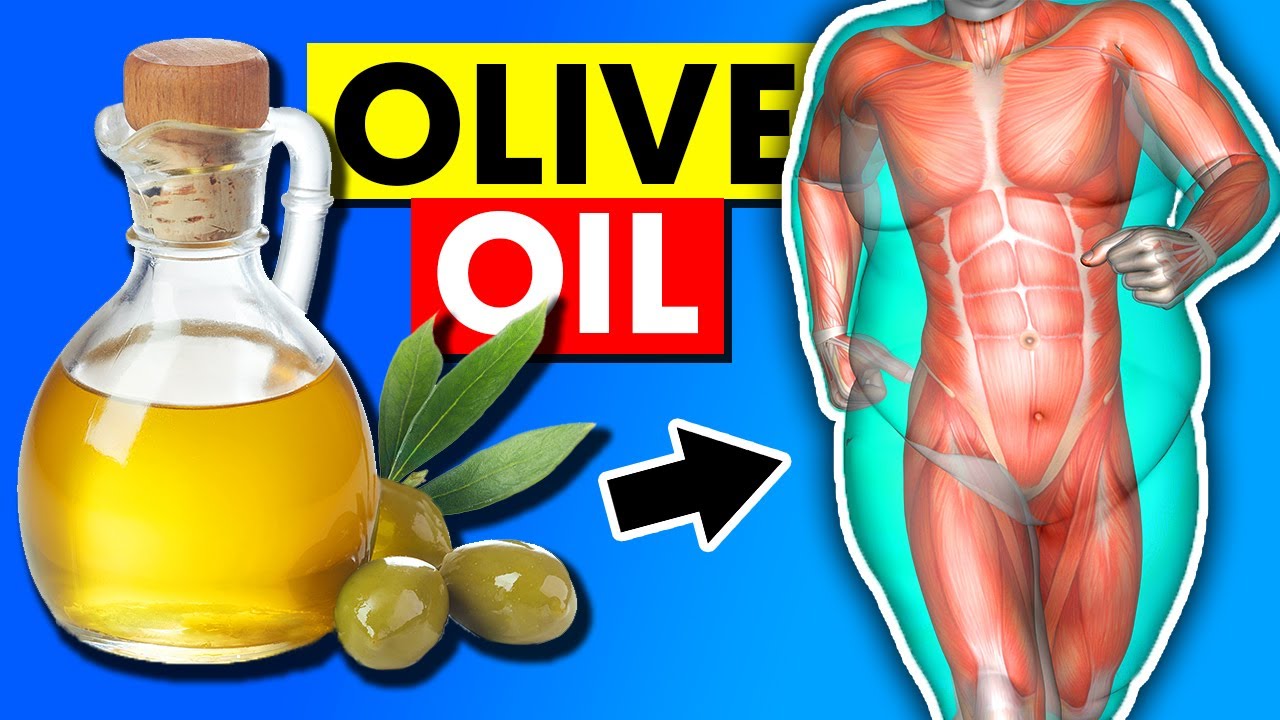
Does drinking olive oil help with weight loss?
Drinking olive oil is not a proven weight-loss method. It contains healthy fat, but healthy does not mean calorie-free.
Some research suggests that diets rich in olive oil may support a healthy body weight when they replace foods high in saturated fat or refined carbohydrates. The key is substitution. Add olive oil to vegetables or use it instead of butter, rather than adding a large drink to your normal diet.
A practical approach is to measure your serving:
• Use 1 teaspoon to 1 tablespoon at a meal, based on your calorie needs.
• Pour it over vegetables, beans, fish, or whole grains.
• Keep the rest of the meal rich in fiber and protein.
• Avoid treating olive oil as a detox drink or fat-burning supplement.
When considering what happens if you drink olive oil everyday for weight loss, focus on your total eating pattern. A small amount may help meals taste better, which can make healthy eating easier to maintain. A large amount can quietly add hundreds of calories.

What type of olive oil is best?
Extra virgin olive oil is usually the best choice when you want the most natural flavor and the highest level of beneficial plant compounds. It is produced without chemical refining and must meet quality standards for taste and composition.
Virgin olive oil is also less processed than refined varieties, though its flavor and polyphenol content may differ. Light olive oil is not necessarily lower in calories. The word “light” usually refers to flavor or processing, not energy content.
When shopping, consider these tips:
• Choose a sealed, dark bottle or a metal container.
• Check the harvest date when available.
• Store it away from heat, light, and air.
• Buy a size you can use within a reasonable time.
• Look for a fresh, grassy, or slightly peppery flavor.
A bitter or peppery taste can occur in high-quality extra virgin olive oil because of its plant compounds. A rancid smell, waxy flavor, or stale taste suggests that the oil may be old or poorly stored.

Is it better to drink olive oil or use it in food?
For most people, using olive oil in food is better than drinking it straight. Food gives you more nutrients, fiber, and protein, while olive oil improves flavor and helps absorb fat-soluble compounds.
Try these simple options:
-
Add a teaspoon to oatmeal only if the flavor works for you, though nuts or seeds may be more appealing.
-
Whisk olive oil with lemon juice and herbs for a salad dressing.
-
Drizzle it over cooked vegetables, lentils, or whole-grain bread.
-
Use it to sauté vegetables over moderate heat.
-
Add a small amount to bean, tomato, or vegetable soup.
-
Use it instead of butter on roasted potatoes or whole-grain toast.
Drinking olive oil may be convenient, but it does not provide a special benefit that you cannot receive by eating it with a meal. In real-world nutrition counseling, one common mistake is treating a single ingredient like a medicine. Healthy patterns matter more than dramatic routines.
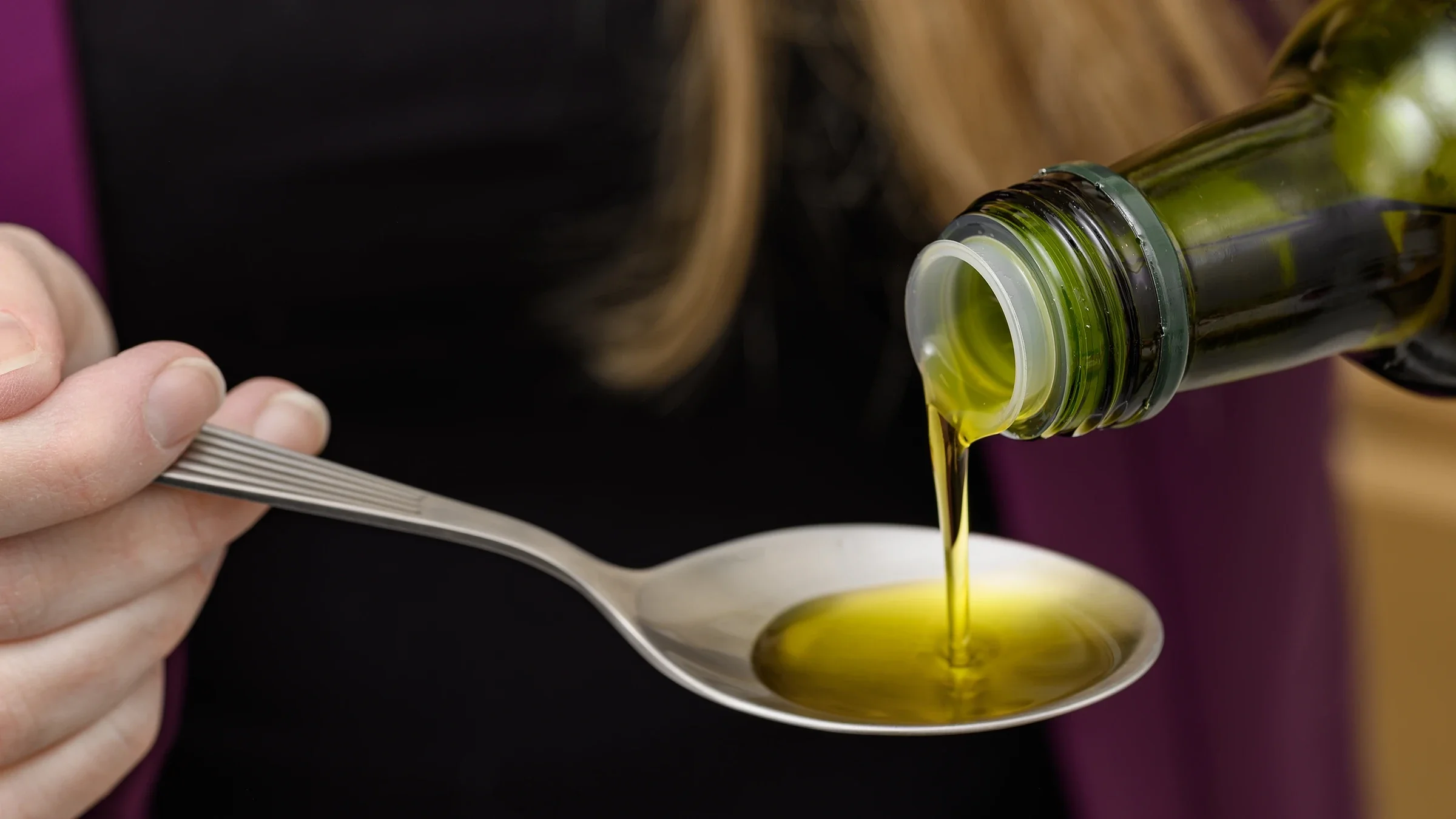
How much olive oil should you drink each day?
There is no universal daily dose of olive oil. Your ideal amount depends on your age, activity level, health goals, and the other fats in your diet.
Many people can include 1 to 2 tablespoons of olive oil across the day. That amount fits comfortably into many balanced diets, but it still counts toward your daily calories.
If you choose to drink it, consider these steps:
• Start with 1 teaspoon with food.
• Wait a few days and watch for nausea, diarrhea, reflux, or cramps.
• Increase only if you tolerate it and it fits your calorie needs.
• Do not drink several ounces as a cleanse.
• Keep eating fiber-rich foods and drinking water.
People with pancreatitis, bile duct problems, severe reflux, chronic diarrhea, or gallbladder disease should ask a health professional before making a daily oil routine. Anyone taking medicine for a health condition should also discuss major diet changes with a clinician.
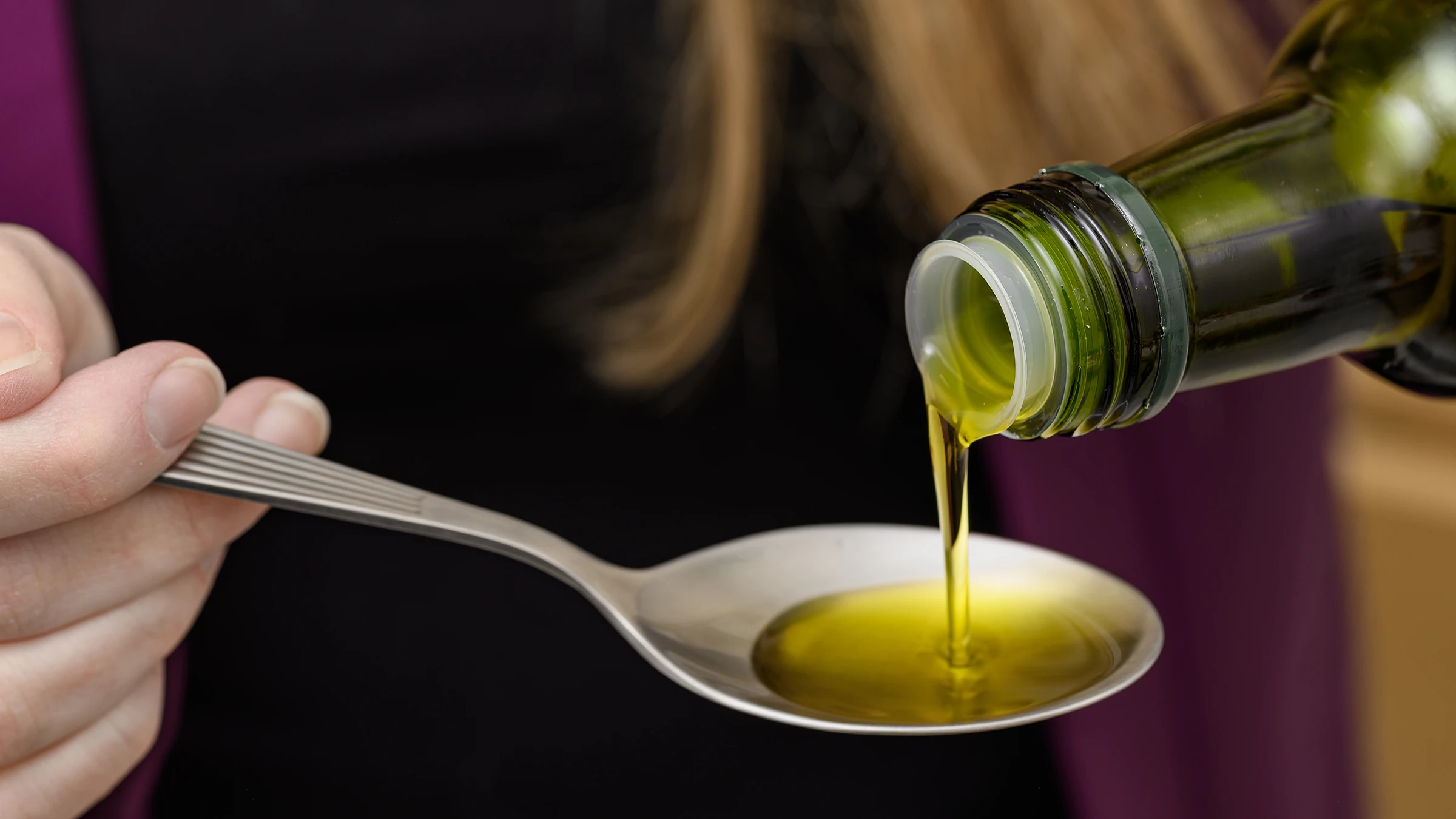
Who should avoid drinking olive oil every day?
Olive oil is safe for most people when used as a food. However, drinking it every day may not be suitable for everyone.
Use extra caution if you have:
• Frequent diarrhea or a sensitive digestive system.
• Gastroesophageal reflux that worsens after fatty foods.
• Gallstones or pain after eating fat.
• Pancreatic disease or problems digesting fat.
• A medical diet that limits calories or fat.
• An allergy to olives, which is uncommon but possible.
Olive oil is not a treatment for diabetes, high cholesterol, constipation, liver disease, or gallstones. It may support a healthy eating plan, but it should not replace prescribed medicine or medical care.
If you develop severe abdominal pain, persistent vomiting, black stools, bloody stools, trouble breathing, or signs of an allergic reaction, seek urgent medical help.

What happens if you drink olive oil everyday on an empty stomach?
Some people drink olive oil before breakfast because they believe it cleanses the liver or removes toxins. Your liver and kidneys already process waste, and there is no strong evidence that an olive oil shot improves this process.
On an empty stomach, oil may cause nausea, reflux, loose stools, or stomach discomfort. Others may tolerate it without any noticeable effect.
If you like olive oil in the morning, use a small amount with breakfast. For example, add it to eggs, vegetables, whole-grain toast, or a savory bean dish. This approach is gentler and provides more nutrition than drinking oil alone.

Common mistakes to avoid
When learning what happens if you drink olive oil everyday, avoid these common errors:
• Assuming more is better. Larger amounts do not guarantee larger health benefits.
• Calling olive oil a detox. No good evidence supports this claim.
• Ignoring calories. Olive oil is nutritious but energy-dense.
• Choosing old oil. Heat, light, and air reduce freshness.
• Replacing all other foods with oil. Your body needs protein, carbohydrates, fiber, vitamins, and minerals.
• Using it instead of medical care. Olive oil cannot treat serious symptoms or disease.
• Starting with a large shot. A sudden high-fat dose may upset your digestive system.
A simple rule is to use olive oil as a helpful ingredient, not as a cure. Think of it as one brick in a strong wall. It can help, but the whole structure depends on your overall diet, movement, sleep, and medical care.
Frequently asked questions about what happens if you drink olive oil everyday
Is it safe to drink olive oil every day?
For most healthy adults, a small amount is generally safe. It is usually better to use olive oil with meals and keep the portion modest.
Can drinking olive oil reduce belly fat?
No. Drinking olive oil does not specifically burn belly fat. Fat loss requires a consistent calorie balance, regular activity, and a sustainable eating pattern.
Can olive oil help constipation?
A small amount may help some people pass stool more easily. It works best alongside water, fiber, movement, fruits, vegetables, beans, and whole grains.
How much olive oil can I drink in one day?
There is no fixed dose for everyone, but 1 teaspoon to 1 tablespoon is a reasonable starting range. Count it as part of your daily calories, and stop if it causes digestive symptoms.
Is extra virgin olive oil better than regular olive oil?
Extra virgin olive oil is less processed and usually contains more natural plant compounds. Regular or refined olive oil can still provide monounsaturated fat, but its flavor and polyphenol content may be lower.
Can drinking olive oil detox the body?
There is no strong evidence that drinking olive oil detoxes the body. Your liver, kidneys, lungs, and digestive system already handle waste removal.
Should you drink olive oil on an empty stomach?
You do not need to drink it on an empty stomach to gain its nutrients. Using a small amount with a balanced meal may reduce the chance of nausea, reflux, or diarrhea.
Conclusion
What happens if you drink olive oil everyday depends on the amount and the rest of your diet. A small serving may provide heart-friendly monounsaturated fat and helpful plant compounds, especially when it replaces butter or other saturated fats. Too much may cause digestive problems, add unwanted calories, or worsen reflux.
For most people, the best choice is to use extra virgin olive oil in meals rather than drink large shots. Start small, measure your portion, and pay attention to how your body responds. Share your experience or explore more evidence-based nutrition guides to build a healthier daily routine.