
Olive oil is mainly a heart-friendly monounsaturated fat, with smaller amounts of polyunsaturated and saturated fat.
Understanding the olive oil type of fat can help you choose the right oil, use it wisely, and build healthier meals. Olive oil is more than a cooking staple. Its fat profile, plant compounds, flavor, and cooking behavior all matter. This guide explains what makes olive oil different, how it may support health, and how to use it in real life.
What type of fat is olive oil?
The olive oil type of fat is mostly monounsaturated fat. The main fat in olive oil is oleic acid, an unsaturated fat linked with the Mediterranean diet.
A typical tablespoon of olive oil contains about:
- 119 calories
- 14 grams of total fat
- About 9.8 grams of monounsaturated fat
- About 1.9 grams of saturated fat
- About 1.4 grams of polyunsaturated fat
The exact numbers can vary by brand and olive variety. Still, the main pattern stays the same: olive oil is mostly monounsaturated fat.
Fat is not one single nutrient. It comes in different forms, and each form acts differently in the body.
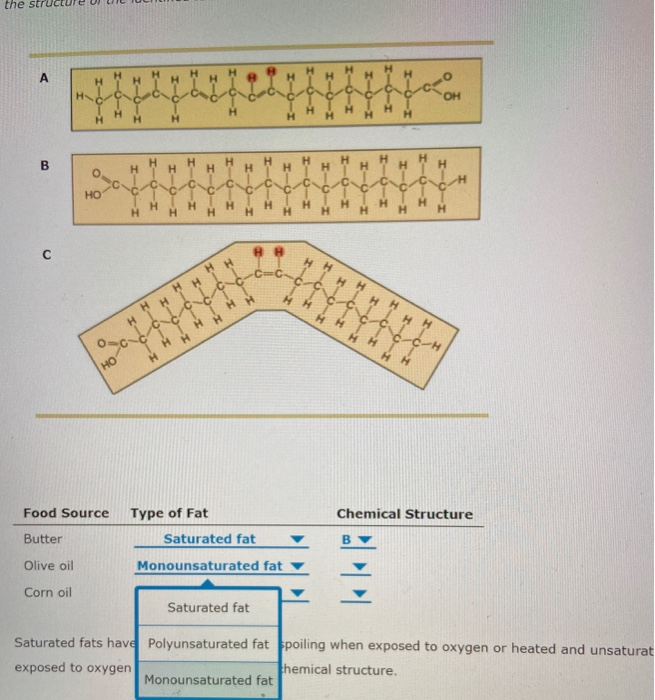
- Monounsaturated fat has one double bond in its chemical structure.
- Polyunsaturated fat has two or more double bonds.
- Saturated fat has no double bonds.
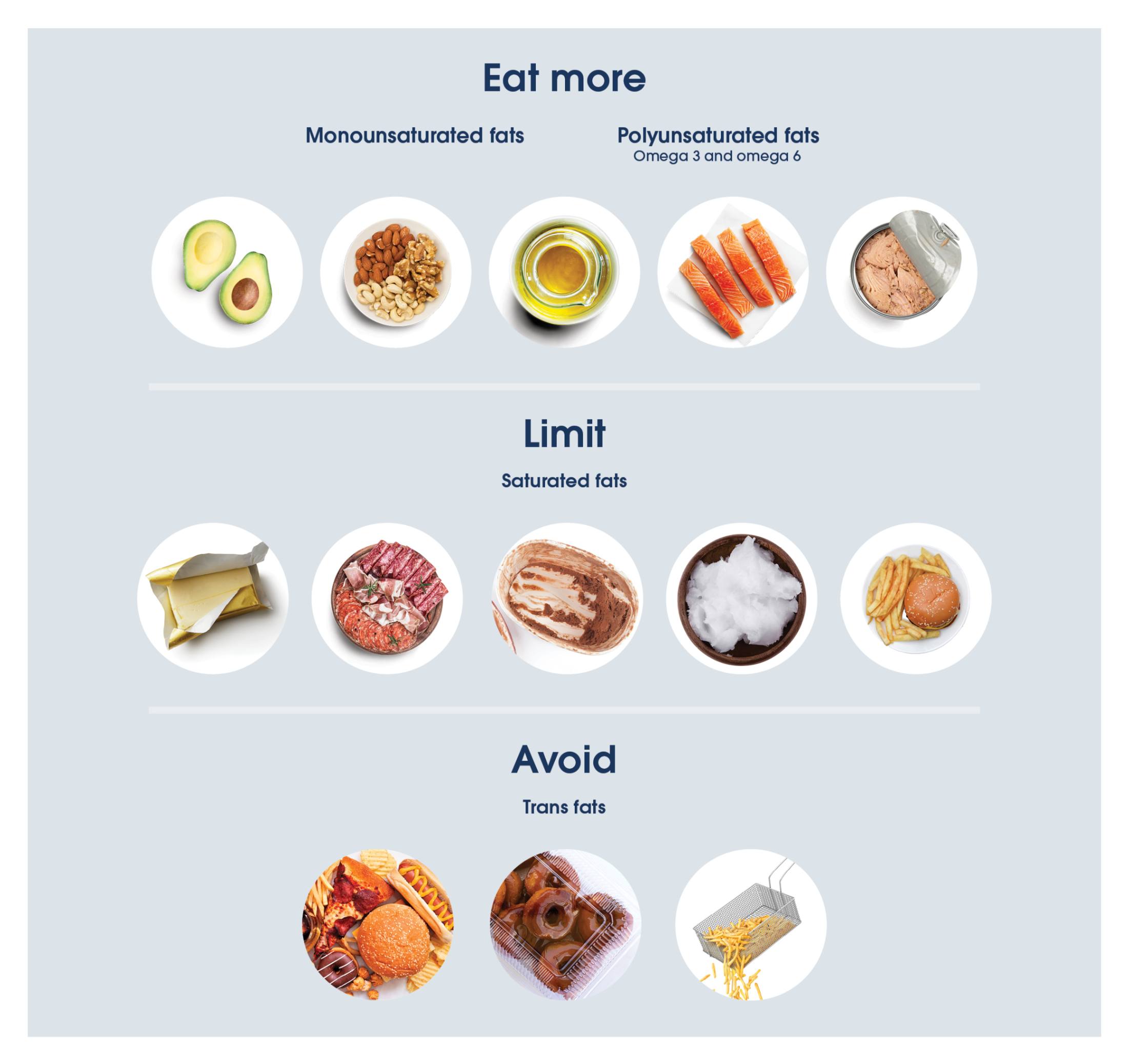
- Trans fat has a different structure and is best avoided when possible.
This makes the olive oil type of fat different from butter, which is much higher in saturated fat. It also differs from corn or soybean oil, which contain more polyunsaturated fat.
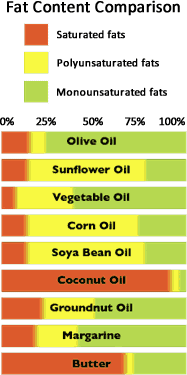
Olive oil fat profile explained
The olive oil type of fat has three main parts: monounsaturated fat, polyunsaturated fat, and saturated fat. Each part has a role in nutrition.
Monounsaturated fat
Monounsaturated fat is the main reason olive oil is often viewed as a healthy fat. Oleic acid makes up about 55% to 83% of the fatty acids in many olive oils.
Replacing foods high in saturated fat with monounsaturated fat may help improve blood cholesterol levels. This does not mean adding unlimited olive oil to your diet. It means using olive oil instead of butter, shortening, or other fats high in saturated fat.
Polyunsaturated fat
Olive oil also contains smaller amounts of polyunsaturated fat. This group includes omega 6 fatty acids, which the body needs from food.
Polyunsaturated fats are important, but olive oil is not a major source of omega 3 fat. For omega 3s, foods such as salmon, sardines, walnuts, chia seeds, and ground flaxseed are better choices.
Saturated fat
Olive oil contains some saturated fat, but the amount is modest. About 2 grams of saturated fat may be found in one tablespoon.
That small amount does not make olive oil a saturated fat. The olive oil type of fat is still mainly monounsaturated fat.
Trans fat
Pure olive oil naturally contains little to no trans fat. However, some flavored or blended products may include other oils, so reading the ingredient label is wise.
:max_bytes(150000):strip_icc()/olive-oil_annotated32-d35d3a7953dc4ca998c326ace6df630c.jpg)
Is olive oil a healthy fat?
For most people, olive oil can be part of a healthy eating pattern. Its benefits are strongest when it replaces less healthy fats, not when it is simply added to an already high calorie diet.
Research on Mediterranean-style eating patterns links regular olive oil use with better heart health. These diets also include vegetables, beans, fruit, whole grains, fish, and nuts. This matters because olive oil is one part of a larger pattern.
The olive oil type of fat may help in several ways:
- It can replace butter and other fats high in saturated fat.
- It may support a healthier cholesterol balance.
- Extra virgin olive oil contains plant compounds called polyphenols.
- It can make vegetables, beans, and whole grains more enjoyable to eat.
- It helps the body absorb fat-soluble vitamins from foods.
Extra virgin olive oil contains more natural compounds than refined olive oil. These compounds include phenols, which have antioxidant properties. However, olive oil is not a cure for heart disease, diabetes, or inflammation.
A useful way to think about olive oil is as a supportive team player. It can improve the quality of a meal, but it cannot make an unhealthy diet healthy by itself.
Extra virgin olive oil versus regular olive oil
Extra virgin olive oil and regular olive oil are not identical. Both contain mostly monounsaturated fat, but they differ in processing, flavor, and plant compounds.
Extra virgin olive oil
Extra virgin olive oil is made through mechanical methods without chemical refining. It must meet standards for flavor, acidity, and other quality measures.
It often has a green or golden color and a fresh taste. You may notice peppery, grassy, fruity, or slightly bitter notes.
Extra virgin olive oil usually contains more polyphenols than refined olive oil. These compounds can contribute to its bitter taste and throat tingling. That peppery feeling is often a natural feature, not a defect.
Regular or light olive oil
Regular olive oil is often refined or blended with virgin olive oil. It has a milder flavor and a lighter color.
The word “light” on an olive oil label usually refers to flavor and color. It does not mean the oil has fewer calories or less fat. The olive oil type of fat remains calorie dense, whether the bottle says light or extra virgin.
Which one should you choose?
Choose extra virgin olive oil when you want strong flavor and more natural plant compounds. Choose regular olive oil when you prefer a mild taste or need a more neutral oil for cooking.
Both can fit into a balanced diet. The best choice is one you enjoy and use in place of less nutritious fats.

Olive oil compared with butter and other oils
Comparing fats can make food choices easier. The most useful question is not “Which oil is perfect?” Instead, ask, “What fat is this replacing?”
Olive oil and butter
Butter is higher in saturated fat. Olive oil is higher in monounsaturated fat.
Using olive oil instead of butter on vegetables, toast, or pasta may reduce saturated fat intake. Still, a small amount of butter can fit into a balanced diet. Health comes from the overall pattern, not one ingredient.
Olive oil and coconut oil
Coconut oil is high in saturated fat. Olive oil has a much higher amount of monounsaturated fat.
Coconut oil may work well for flavor in some recipes, but it should not be treated as a superior heart health oil. Current evidence does not show that coconut oil is better than olive oil for lowering heart disease risk.
Olive oil and avocado oil
Avocado oil and olive oil both provide mostly monounsaturated fat. They can both work well in dressings, sautés, and roasting.
The choice may come down to flavor, price, availability, and cooking needs. The olive oil type of fat remains a strong option for everyday meals.
Olive oil and canola oil
Canola oil contains monounsaturated fat and more polyunsaturated fat than olive oil. It also contains a small amount of plant based omega 3 fat.
Both oils can fit into a healthy diet. Olive oil offers more flavor and, especially in extra virgin form, more natural plant compounds.
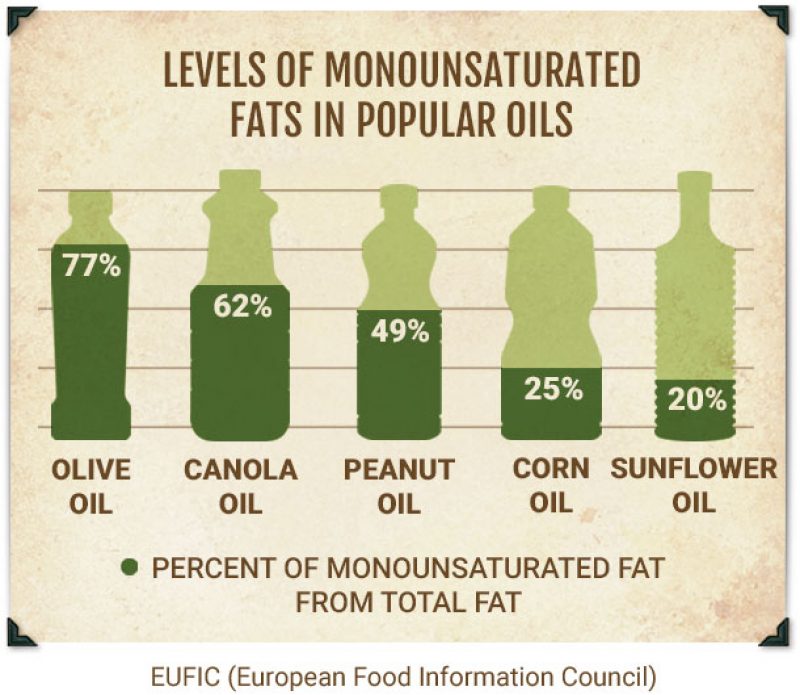
Olive oil, calories, and weight management
The olive oil type of fat is nutritious, but it is still high in calories. One tablespoon contains about 120 calories, so generous pouring can add up quickly.
This does not mean you need to avoid olive oil. It means you should use it with awareness.
Try these simple habits:
- Measure oil with a spoon when calories matter.
- Use a spray bottle for a light coating.
- Mix olive oil with vinegar or lemon juice for a flavorful dressing.
- Toss vegetables with a small amount before roasting.
- Dip bread in a measured portion instead of refilling the dish.
- Use beans, herbs, garlic, and spices to add flavor without relying on extra oil.
Some people find that olive oil helps them feel satisfied. Others may eat more calories when oil is poured freely. Your needs depend on your health goals, activity level, and total diet.
The key lesson is simple: healthy fat is still fat. Quality matters, but quantity matters too.
Is olive oil good for cooking?
Yes, olive oil can be used for many cooking methods. It works well for sautéing, roasting, baking, grilling, and pan cooking.
The olive oil type of fat is fairly stable because it contains a high amount of monounsaturated fat. Extra virgin olive oil also contains natural compounds that may protect it from oxidation.
The smoke point depends on several factors:
- Olive variety
- Harvest date
- Refining level
- Storage conditions
- Free fatty acids
- How old the oil is
Smoke point is the temperature at which oil begins to smoke. Once oil smokes heavily, its flavor changes and unwanted breakdown products may form. You do not need to panic over a brief wisp of smoke, but repeated smoking is a sign to lower the heat.
For daily cooking:
- Use low to medium heat for extra virgin olive oil.
- Use medium to higher heat when appropriate for a refined olive oil.
- Do not leave oil heating in an empty pan.
- Replace oil that smells rancid or tastes stale.
- Keep the bottle closed and away from heat and sunlight.
In my practical kitchen experience, the most common mistake is not using the “wrong” olive oil. It is overheating a pan while preparing other ingredients. A slower start gives you more control and protects both flavor and texture.
How to store olive oil correctly
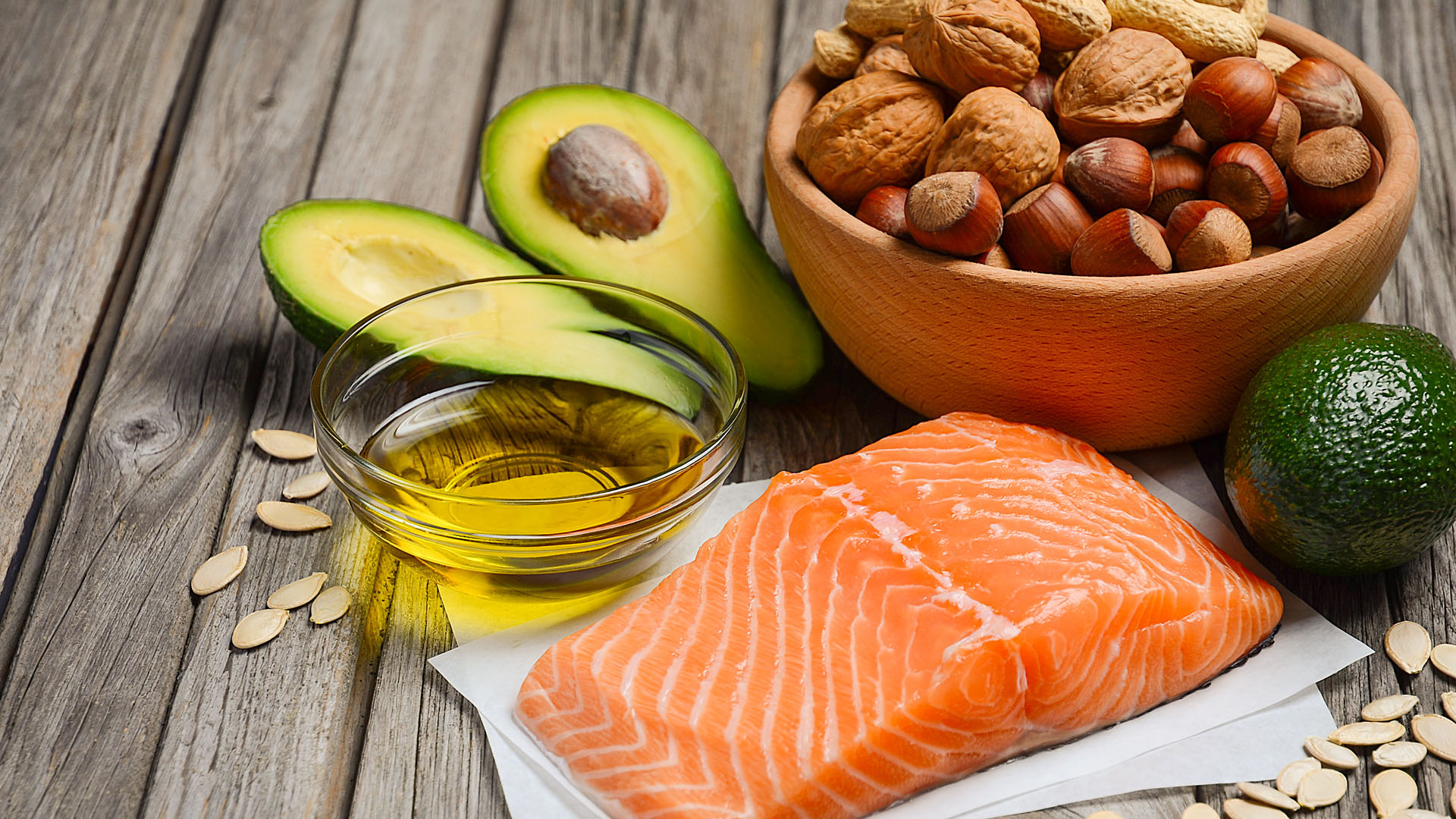
Storage affects the quality of the olive oil type of fat and its natural plant compounds. Heat, light, air, and time can make olive oil lose flavor.
Use these storage tips:
- Keep the bottle in a cool, dark cabinet.
- Avoid storing it beside the stove.
- Choose a dark glass or metal container when possible.
- Close the cap after each use.
- Buy a size you can finish in a few months.
- Check for a harvest date when available.
- Do not rely only on the expiration date.
Fresh olive oil should smell fruity, grassy, or gently peppery. Rancid oil may smell like crayons, old nuts, wax, or stale food. If it tastes flat and unpleasant, replace it.
Clear bottles are not always bad, but they allow more light to reach the oil. A dark bottle can offer better protection during storage.
One mistake I often see at home is keeping a large bottle near a warm cooktop for months. A smaller bottle stored in a cool cabinet usually tastes much better.
How much olive oil should you eat?
There is no single perfect amount for everyone. Your ideal intake depends on your calorie needs, health goals, and the other foods in your diet.
Many Mediterranean-style eating plans use olive oil regularly, often in modest amounts across meals. You might use one teaspoon on vegetables, one tablespoon in a salad dressing, or a small amount for cooking.
Focus on substitution:
- Use olive oil instead of butter on roasted vegetables.
- Use it instead of creamy dressing on salad.
- Use it instead of shortening in some recipes.
- Use it with beans, tomatoes, herbs, and whole grains.
Avoid treating olive oil as a health supplement that must be taken by the spoonful. Food works best as part of a varied diet.
People with gallbladder disease, digestive conditions, or medically prescribed diets may need personal advice from a doctor or registered dietitian. Olive oil can affect total fat intake, even though its fat profile is favorable.
Common mistakes when buying olive oil
A good bottle is not always the most expensive bottle. Labels can help, but they do not tell the entire story.
Watch for these common mistakes:
- Assuming “light” means low calorie.
- Buying a large bottle that sits for a year.
- Choosing oil only by color.
- Storing the bottle in sunlight.
- Ignoring the ingredient list.
- Believing an expensive label guarantees freshness.
- Using olive oil that smells stale.
- Confusing flavored olive oil with extra virgin olive oil.
Look for “extra virgin” when you want the least processed option. A harvest date can provide more useful information than a distant best by date.
If possible, buy from a producer that shares its origin and quality details. Taste also matters. A fresh oil should make food taste better, not cover it with a flat or stale flavor.
Olive oil and health conditions
The olive oil type of fat may fit many health-focused diets, but individual needs differ.
Heart health
Replacing saturated fat with unsaturated fat may support healthier LDL cholesterol levels. Olive oil may be useful in this role when it replaces butter, fatty sauces, or shortening.
However, olive oil does not replace prescribed medicine or medical care. People with heart disease should follow their health professional’s advice.
Diabetes
Olive oil contains little carbohydrate and does not usually cause a direct blood sugar spike. Meals that combine olive oil with vegetables, beans, whole grains, and lean protein may support a balanced eating pattern.
The full meal still matters. A large serving of refined carbohydrates with oil is not automatically a healthy meal.
Inflammation
Extra virgin olive oil contains polyphenols that may have antioxidant and anti-inflammatory activity. Laboratory findings are promising, but they should not be used to claim that olive oil treats chronic inflammation.
A whole diet rich in plants, sleep, movement, and medical care remains more important than one food.
Allergies and sensitivities
A true olive allergy is uncommon, but it can happen. Some flavored oils may contain herbs, garlic, or other ingredients that cause a reaction.
Check labels carefully if you have a food allergy. Seek urgent medical help for trouble breathing, facial swelling, or other serious allergy symptoms.
Frequently Asked Questions About the Olive Oil Type of Fat
Is olive oil a monounsaturated fat?
Olive oil is not made of only one type of fat. It is mainly monounsaturated fat, with smaller amounts of polyunsaturated and saturated fat.
Is olive oil healthier than butter?
Olive oil is generally higher in monounsaturated fat, while butter is higher in saturated fat. Replacing some butter with olive oil may improve the fat quality of your diet.
Is extra virgin olive oil better than regular olive oil?
Extra virgin olive oil is less processed and usually contains more natural plant compounds. Regular olive oil has a milder flavor and can still provide mostly monounsaturated fat.
Does olive oil make you gain weight?
Olive oil can contribute to weight gain if it adds more calories than your body needs. Use sensible portions and replace less healthy fats instead of adding large amounts on top of your usual diet.
Can you cook with extra virgin olive oil?
Yes, extra virgin olive oil works well for sautéing, roasting, baking, and many other cooking methods. Use moderate heat and avoid letting the oil smoke heavily.
Is olive oil high in omega 3 fat?
No, olive oil is not a major source of omega 3 fat. Fatty fish, walnuts, chia seeds, and flaxseed provide more omega 3s.
Conclusion
The olive oil type of fat is mainly monounsaturated fat, supported by smaller amounts of polyunsaturated and saturated fat. Extra virgin olive oil also provides natural plant compounds, while all olive oils remain calorie dense.
Use olive oil in place of butter and other fats high in saturated fat. Store it in a cool, dark place, choose fresh bottles, and measure portions when calories matter. Add it to vegetables, beans, salads, whole grains, and simple home cooked meals.
A small change can make a daily meal more flavorful and nutritious. Try replacing one cooking fat this week, then explore trusted nutrition resources or share your favorite olive oil recipe in the comments.