
Blender lets you model, animate, render, sculpt, edit video, create games, and build complete 3D worlds.
You may open Blender for the first time and wonder what to do with all those buttons. I felt the same way at first. Blender can turn a simple idea into a 3D model, short film, product image, game asset, or video. It can also help with motion graphics, art, design, and learning. This guide explains what can you do with Blender in clear terms, then reviews the listed Amazon items so you can see which ones may support your creative journey.
Personal Growth Book for Creative Focus

I Don’t Understand: Why People Don’t Change and What You Can Do About It is not a Blender guide. It is a personal growth title that may help creative people think about habits, choices, and behavior. That matters because learning Blender takes patience. I often see beginners blame the software when the real problem is an unclear goal or a habit of quitting too soon.
The book may fit readers who want a thoughtful look at why people resist change. It can offer useful ideas for anyone trying to build a daily practice, including a 3D modeling routine. Still, it does not teach Blender tools, keyboard shortcuts, rendering, or animation. I would treat it as a mindset companion, not as a technical course for learning what can you do with Blender.
Pros:
- Supports reflection and personal growth
- May help readers understand habits
- Useful for people facing creative blocks
- Can encourage more consistent practice
- Works well as a nontechnical companion book
- May help beginners handle slow progress
Cons:
- Does not teach Blender skills
- May feel too general for technical learners
- Its value depends on the reader’s interest in self-help
My Recommendation
I recommend this book for a new Blender learner who struggles to stay consistent. Blender has a steep learning curve, and a better mindset can make that curve feel less sharp. It may also suit artists who understand the tools but find it hard to finish projects. If you want direct lessons on modeling or rendering, choose a dedicated Blender course instead.
Bee Graphic Shirt for Casual Motivation

This bee graphic V-neck shirt offers a light, friendly message and a casual look. It has no direct link to Blender software, but it may appeal to artists who enjoy wearing playful designs. A comfortable shirt can make long practice sessions feel a bit more relaxed. That small comfort matters when I spend hours shaping models or waiting for a render.
The beige color should work with many casual outfits, while the bee theme gives the shirt a warm and cheerful style. I would check the current size chart, fabric details, and customer photos before ordering. The shirt is best viewed as lifestyle apparel for a creative person, not as equipment that explains what can you do with Blender.
Pros:
- Friendly bee graphic adds visual interest
- Casual style suits daily wear
- V-neck shape offers a relaxed look
- Beige color pairs with many outfits
- Can make a thoughtful gift for an artist
- Light message fits positive creative spaces
Cons:
- Does not provide Blender instruction
- Fit and fabric feel may vary by size
- Graphic style may not suit every wardrobe
My Recommendation
I recommend this shirt for Blender users who want a simple, cheerful top for casual use. It may suit students, digital artists, or anyone who enjoys a kind message and a soft graphic style. It will not help you model, sculpt, or animate, so do not buy it as a learning tool. Buy it for comfort and personality while you explore what can you do with Blender.
Inspirational “You Can Do Hard Things” Shirt

This inspirational shirt uses a direct message that many beginners need to hear. Blender can feel hard during the first week, especially when the interface, camera, lights, and modifiers seem unfamiliar. A shirt cannot solve that problem, but its message can serve as a small reminder to keep going. I like that the design fits teachers, students, and people who enjoy encouraging clothing.
The A-apricot color gives the shirt a warm seasonal feel. It may work well for school, casual events, or home practice. Before buying, I would review the size information and laundering instructions because printed shirts need sensible care. This is an apparel pick for motivation, not a product that teaches what can you do with Blender.
Pros:
- Clear message supports persistence
- Useful for teachers and students
- Casual design fits everyday outfits
- Warm color creates a friendly look
- Could make a practical motivational gift
- Good match for creative learners facing a steep curve
Cons:
- Not related to Blender functions
- Printed lettering may need careful washing
- Message may feel too bold for some users
My Recommendation
This shirt is best for beginners who need a little encouragement while learning a complex creative program. Blender can teach patience because even a simple object may require modeling, materials, lighting, and rendering. If you prefer motivational clothing, this design offers a clear message. If you need to understand what can you do with Blender, pair it with the official manual or a structured video course.
Family Conversation Game for Creative Breaks

WHAT DO YOU MEME? Let’s Get Deep Family Edition is a conversation game designed for shared time with family or friends. It does not offer Blender lessons, but it can provide a useful break from screen work. Long Blender sessions can make me sit too still and lose track of time. A short game can reset the mind before I return to a difficult scene or animation.
The family focus may make it suitable for group gatherings, holidays, or relaxed evenings. The best experience depends on the players’ ages, comfort levels, and sense of humor. I would read the current package details and reviews before purchase to confirm that the discussion style suits your group. For Blender users, its value comes from balance and connection rather than software training.
Pros:
- Encourages face-to-face conversation
- Offers a break from long computer sessions
- Can support family bonding
- May spark ideas for characters and stories
- Easy activity for group gatherings
- Useful for creative teams during downtime
Cons:
- Does not explain Blender features
- Some prompts may not suit every family
- Needs several players for the best experience
My Recommendation
I recommend this game for Blender artists who want an easy social activity away from the workstation. It may be especially useful for families with a young learner who spends many hours practicing digital art. Creative ideas often grow through conversation, and the game may help players notice stories, personalities, and themes. It is not a purchase for learning what can you do with Blender, but it can support a healthier creative routine.
Teacher Shirt for Positive Classroom Style

This charcoal gray teacher shirt combines a practical color with an encouraging phrase. It appears aimed at first-grade teachers, but the message can also suit a Blender instructor or a parent helping a child learn 3D art. The phrase “You Can Do Hard Things” fits the real experience of learning a large creative application. I would choose it for casual wear rather than formal school events.
The shirt may work well during lessons, workshops, or school spirit days. Charcoal gray tends to hide small marks better than very light colors, which can help during busy classroom work. As with any online apparel purchase, I would check the measurement chart and read recent reviews about fit. It is a style item, not a Blender reference product.
Pros:
- Strong message suits teachers and mentors
- Charcoal color is easy to match
- Graphic tee style works for casual settings
- May encourage students during hard tasks
- Useful for Blender tutors and art teachers
- Simple design keeps the message clear
Cons:
- Not a source of Blender education
- Teacher-focused wording may not suit everyone
- Online shirt sizing can require careful checking
My Recommendation
This shirt is best for a teacher, mentor, or Blender tutor who likes positive classroom clothing. It can support a calm learning mood when students are working through modeling or animation exercises. I would not select it for someone who wants a technical product or a professional garment. For those asking what can you do with Blender, this shirt works only as a motivational extra.
Metal Sign for a Creative Workspace

This 8-by-12-inch aluminum sign offers a short reminder about effort and action. It may look at home in a garage, studio, office, or workshop. I can see it fitting above a desk where a Blender artist plans models, studies tutorials, and works through failed renders. It does not improve computer performance, but it can add character to a creative space.
The metal format may be more durable than paper wall art, though the final result depends on the finish and mounting method. I would check whether hanging hardware comes included before ordering. The message is direct, so it may suit people who prefer practical motivation over decorative quotes. It supports the process of learning Blender without pretending to replace good instruction.
Pros:
- Compact size fits many workspaces
- Metal construction may offer lasting use
- Message suits project-based learning
- Works in a studio, office, or garage
- Adds personality near a creative desk
- May encourage action during difficult projects
Cons:
- Does not explain Blender tools
- Hanging hardware may need confirmation
- Vintage style may not match modern rooms
My Recommendation
I recommend this sign for a Blender user who enjoys simple workspace decor. It may help keep attention on practice when a project feels too large. The sign is most useful as a visual cue: start the task, test the idea, and improve it step by step. It is a small decorative buy, while the real answer to what can you do with Blender comes from practice and experimentation.
Heart Health Book for Better Work Habits

The Haywire Heart focuses on the possible heart risks linked to excessive exercise and discusses ways to protect heart health. It is not about Blender, but its subject connects with an issue many digital artists forget: physical health. A Blender session can last for hours, and poor posture or no movement can leave me tired and stiff. A health-focused book may encourage better balance.
This title should not replace personal medical advice. Anyone with symptoms or health concerns should speak with a qualified medical professional. For general readers, the book may promote useful questions about training, rest, and risk. It has no modeling lessons, yet it can complement a healthy routine while you explore what can you do with Blender at your desk.
Pros:
- Raises awareness of exercise-related heart concerns
- Encourages readers to consider health habits
- Relevant to people with demanding routines
- May inspire regular rest during screen work
- Supports a broader view of creative productivity
- Can encourage informed conversations with doctors
Cons:
- Not a Blender or desk ergonomics guide
- Medical topics may feel serious for casual readers
- Cannot replace professional health advice
My Recommendation
I recommend this book for adults who want to think more carefully about exercise and heart health. It may be useful for Blender artists who sit for long periods or push hard in other activities without enough rest. Read it as general information, not as a diagnosis. It will not show what can you do with Blender, but it may help you protect the body that supports your creative work.
Baby Activity Book for New Parents
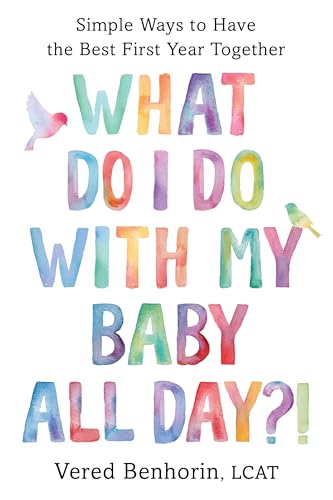
What Do I Do with My Baby All Day?! offers simple ideas for spending the first year together. It has no connection to Blender software, yet it may help creative parents plan time away from the computer. New parents often want to learn 3D art but cannot follow a rigid schedule. Short, practical activities can make it easier to balance family needs with personal goals.
The book may suit parents who want ideas for play, connection, and daily routines. Infant development changes quickly, so I would use the book alongside current advice from a pediatric professional. It should not be treated as a Blender course or a substitute for child care guidance. Its value lies in helping a parent create a realistic rhythm before returning to a project.
Pros:
- Offers ideas for the first year
- May reduce stress for new parents
- Supports parent-child connection
- Can help plan short creative work periods
- Useful for parents with changing daily schedules
- Provides a practical alternative to screen time
Cons:
- Does not teach Blender or digital art
- Advice may need adjustment for each family
- Should not replace pediatric guidance
My Recommendation
I recommend this book for a new parent who wants simple ideas for the baby’s first year. It may also help a creative parent protect small blocks of time for learning Blender. A ten-minute practice session can still build skill when repeated often. This book is best for family support, while a Blender manual answers what can you do with Blender.
What Can You Do With Blender?
Blender is a free, open-source 3D creation program. The Blender Foundation develops it with help from a global community. Current Blender releases in 2026 continue to support a broad toolset for 3D work, animation, rendering, compositing, video editing, and game asset creation. The software runs on Windows, macOS, and Linux.
The short answer is simple: Blender can take an idea from a rough shape to a finished image or moving scene. You can make a chair, character, room, logo, product mockup, short film, or game prop. You can work alone or use assets from other tools. The program is deep, but you do not need to learn every feature at once.
1. Create 3D Models
One of the main answers to what can you do with Blender is 3D modeling. You can start with basic shapes such as cubes, spheres, cylinders, and planes. Then you can move, scale, rotate, cut, and combine them. These simple tools can become furniture, buildings, vehicles, toys, machines, and characters.
Blender offers several modeling methods. Polygon modeling gives you control over points, edges, and faces. Curve tools help you make smooth paths, cables, text, and logos. Modifiers let you repeat tasks, add thickness, mirror a design, or smooth a surface. This non-destructive approach makes it easier to test ideas without damaging the original model.
For product design, Blender can create clean concept images before a physical sample exists. A small brand could model a bottle, lamp, package, or piece of furniture. An educator could build a simple diagram in 3D. A hobbyist could design a printable object, then check the model before sending it to a 3D printer.
2. Sculpt Digital Characters and Creatures
Blender also includes digital sculpting tools. Sculpting feels more like working with clay than building with hard blocks. You can push, pull, smooth, pinch, flatten, and add detail to a mesh. This makes Blender useful for faces, animals, monsters, cloth forms, and organic objects.
Dynamic topology can add or remove mesh detail as you sculpt. Voxel remesh can help you rebuild a rough form with a more even surface. Multiresolution modeling lets you move between a simple base shape and a detailed version. These tools help artists work from big forms to small details, much like a traditional sculptor.
Sculpting needs a good workflow. Start with the head, body, or main mass. Do not spend an hour on tiny details before the whole shape works. I also recommend saving versions because high-detail models can use a lot of memory. A drawing tablet may improve control, but a mouse can still handle basic sculpting.
3. Make Materials and Textures
What can you do with Blender after modeling an object? You can give it a surface. Blender’s material system lets you control color, roughness, shine, transparency, emission, and many other traits. A plain sphere can become glass, metal, rubber, wood, stone, skin, or painted plastic.
The Shader Editor uses nodes to build materials. Nodes may look confusing at first, but each one has a clear job. A noise texture can create uneven detail. A color ramp can control tones. A bump node can make a surface look rough without adding heavy geometry. Principled BSDF is a common starting point for many realistic materials.
You can also paint textures directly on a model. Texture painting helps when you need marks that follow a specific shape. UV mapping tells Blender how a flat image wraps around a 3D object. This process is useful for game assets, signs, clothing, faces, and hand-painted art.
4. Design Realistic Scenes
Blender can build a complete 3D scene. A scene may include objects, materials, lights, cameras, and a background. You can create a small room, a forest, a city street, a product set, or an imaginary planet. The viewport helps you arrange the parts and preview the result.
Lighting changes the mood of a scene. A large soft light can make a product image feel clean. A small bright light can create sharp shadows. Colored lights can add drama. World lighting can provide a broad base level of brightness. I usually place the camera early because it shows me what the viewer will actually see.
Good composition matters as much as technical detail. A beautiful model can look weak if the camera angle is poor. Use space, contrast, and a clear focal point. You can also use depth of field to blur the background and guide the eye. These choices explain why what can you do with Blender goes beyond simple object creation.
5. Render Images and Animation
Rendering turns a 3D scene into a 2D image or sequence. Blender supports multiple rendering options, including the real-time Eevee engine and the path-tracing Cycles engine. Eevee can provide fast previews and quick final images. Cycles can create realistic light behavior but usually needs more time and computer power.
Render time depends on scene detail, output size, samples, lighting, reflections, shadows, and hardware. A simple image may finish quickly. A detailed animation can take much longer. Use lower settings while testing. Save higher settings for the final output. This habit can save hours and reduce frustration.
You can render still images for portfolios, stores, social media, or design reviews. You can also render image sequences for animation. Blender supports common output formats, but the best choice depends on your project. A lossless image sequence can provide more control during editing than a single compressed video file.
6. Animate Characters and Objects
Animation is another major answer to what can you do with Blender. You can animate an object’s location, rotation, scale, color, visibility, and many other settings. A keyframe stores a value at a point in time. Blender then creates movement between keyframes.
For characters, rigging gives a model a digital skeleton. You can pose the rig and create a walk, jump, wave, or facial expression. Weight painting controls how the mesh follows each bone. This step may take time, but a good rig lets you reuse the character in many scenes.
Blender also includes tools for shape keys, inverse kinematics, constraints, and non-linear animation. These features support facial movement, mechanical motion, and repeated actions. Beginners should start with a bouncing ball or a simple rotating object. Small projects teach timing, spacing, and rhythm without overwhelming the learner.
7. Build Motion Graphics
Blender can create animated text, logos, diagrams, and graphic effects. You can make letters move through space, break apart, change color, or follow a curve. This makes Blender useful for title cards, social clips, presentations, and brand videos.
Geometry Nodes can create procedural designs. Instead of placing every object by hand, you can use rules to distribute, scale, and change objects. For example, you could create a field of grass, a wall of repeating panels, or a group of objects that follows a curve. Geometry Nodes can feel advanced, but simple node groups can save a lot of time.
Motion graphics work best when the design stays clear. Do not add movement just because you can. Use animation to guide attention or explain an idea. Blender gives you many options, but strong visual communication still needs planning.
8. Create Game Assets
Blender can help you make assets for game engines. You can model a character, prop, building, weapon, vehicle, or environment piece. You can unwrap it, create materials, add a skeleton, and export it in a format supported by your game engine.
Game assets need careful planning. A model must use a sensible amount of geometry. Textures need suitable sizes. The object’s scale, rotation, origin, and naming should remain clean. A beautiful model that performs poorly in a game may need revision.
Blender does not replace a full game engine. It focuses on asset creation and scene work. You may export to engines such as Unreal Engine or Unity, depending on your workflow and current format support. Always test the exported asset because materials, bones, and animation settings may need adjustment.
9. Make 3D Printable Objects
What can you do with Blender for physical projects? You can create models for 3D printing. This includes toys, miniatures, holders, ornaments, replacement parts, and prototypes. You can design the shape in Blender, check the mesh, and export it for slicing.
A printable model needs closed geometry. It should not have unwanted holes, flipped normals, or paper-thin areas. You also need to think about supports, wall thickness, scale, and the limits of the printer. Blender can help inspect and repair some problems, but a slicer remains an important part of the workflow.
For a first project, make a simple key tag, tray, or small stand. Avoid a complex moving part until you understand clearance and tolerances. Print a test piece before using expensive material. Blender gives you design control, but the printer and material still shape the final result.
10. Edit Video and Add Effects
Blender includes a Video Sequencer Editor. You can use it to arrange video clips, images, audio, and transitions. It may work well for basic edits, short projects, and creators who already use Blender for visual effects.
You can also use Blender’s compositor to combine layers and adjust an image. Masks can isolate parts of a scene. Green-screen footage can blend with a 3D background. Glare, blur, color changes, and other effects can enhance a shot when used with care.
Blender is not always the fastest choice for every video project. A dedicated video editor may offer a simpler workflow for long videos. Still, having editing and compositing tools in one 3D application can be useful. It lets you move from model to animation to final edit without changing programs.
11. Use Camera Tracking and Visual Effects
Blender can track movement in real footage. You can use a camera solve to place a 3D object into a real scene. This helps with visual effects, product previews, title graphics, and creative experiments.
The process usually involves analyzing footage, placing tracking points, solving the camera, and matching the 3D scene to the footage. Good lighting and a clean track make the result more believable. You may also need to create shadows, reflections, or motion blur so the 3D object feels part of the real world.
Beginners should try a small test. Track a short clip of a table, then place a simple cube on it. This project teaches camera movement, scale, lighting, and compositing. It gives a practical answer to what can you do with Blender without requiring a full film crew.
12. Create Virtual Reality and 360-Degree Content
Blender can help create models and environments for immersive projects. You can build a room, landscape, product, or interactive scene, then prepare the assets for a compatible platform. You can also create panoramic images and 360-degree content with the right camera setup.
Virtual reality work needs extra care with scale, performance, and comfort. Heavy scenes may run poorly on a headset. Bright flashes and fast camera motion may feel unpleasant. Test often and keep the viewer’s experience in mind.
Blender is usually one part of a larger VR pipeline. You may need a game engine, headset tools, or a platform-specific exporter. Even so, Blender remains useful for building the visual parts of the experience.
13. Write Python Scripts and Automate Tasks
Blender includes Python support. You can use scripts to create objects, change settings, rename files, build scenes, and automate repeated work. This feature helps artists who manage many assets or need the same task done again and again.
You do not need to be an expert programmer to begin. A small script can add a row of objects or rename selected items. Over time, you can learn variables, loops, functions, and Blender’s Python API. Save a copy before testing scripts because code can change many objects quickly.
Automation is one reason professionals use Blender in larger workflows. It can reduce manual work and improve consistency. The learning curve is real, but even basic scripting can save time after repeated use.
14. Learn Through Practice Projects
The best way to learn what can you do with Blender is to make small projects. Start with a simple mug, lamp, room, or low-poly tree. Then add one new skill at a time. You might model the object on day one, add materials on day two, light it on day three, and render it on day four.
Short projects give you clear wins. They also show where your skill needs work. If the shape looks wrong, study modeling. If the material looks flat, study shaders and lighting. If the animation feels stiff, study timing. A finished small project teaches more than an unfinished giant scene.
Use official Blender documentation for exact tool details. Tutorials can help, but check the Blender version because menus and features change. Save often, name your files clearly, and keep regular backup copies. These habits protect your work while you explore.
Best Uses for Each Listed Product
| Best for | Why |
|---|---|
| Creative motivation | The personal growth book and motivational shirts may help learners stay positive during a hard Blender project. |
| Workspace balance | The conversation game, health book, and baby activity book encourage breaks, family time, and healthier routines. |
| Studio personality | The bee shirt and metal sign add casual style and encouragement to a home office or creative workspace. |
FAQs Of what can you do with blender
Is Blender good for beginners?
Yes. Blender is free and offers many learning resources. The interface can feel large at first, so beginners should start with simple projects and learn one tool at a time.
Can Blender make animations?
Yes. You can animate objects, cameras, characters, lights, materials, and effects. Blender also supports rigging, keyframes, shape keys, and animation editing.
Can you use Blender for 3D printing?
Yes. You can design and prepare models for 3D printing. Check for closed geometry, proper thickness, correct scale, and printer limits before exporting.
Can Blender edit videos?
Yes. Blender includes a Video Sequencer Editor for clips, images, sound, and basic transitions. It also offers compositing and visual effects tools.
What computer do you need for Blender?
A modern computer with a multi-core processor, enough memory, and a capable graphics card is helpful. Simple scenes run on modest systems, while complex Cycles renders and large simulations need stronger hardware.
Final Verdict: Which Should You Buy?
The best listed choice for a Blender learner is the motivational book or “You Can Do Hard Things” shirt. These items support patience, but none teaches the software. To understand what can you do with Blender, use the free program, official documentation, and small practice projects.
Blender can model, sculpt, animate, render, edit video, and build game assets. Start small, save often, and keep learning. The listed products add lifestyle value, while Blender itself remains the essential creative tool.