
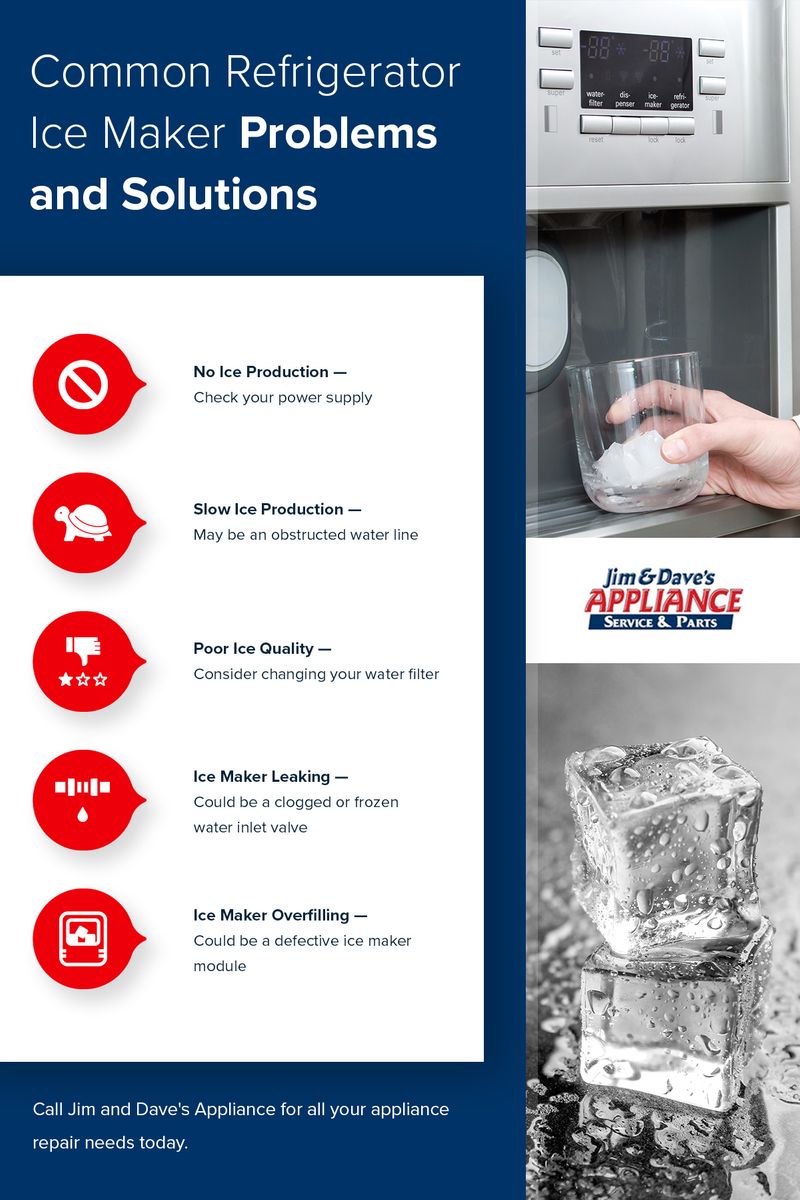
A faulty water inlet valve, sensor, or shutoff arm often lets too much water into the ice maker.
If you are wondering why is my ice maker overfilling with water, the cause is usually a small part that is stuck, worn, or out of balance. The good news is that you can check several common problems safely before calling a technician. This guide explains what to look for, how to test the system, and when a repair is the smarter choice.

Why Is My Ice Maker Overfilling With Water?
An ice maker fills when its control module sends power to the water inlet valve. The valve opens for a set time, then closes. Water freezes in the mold, and the ice maker later releases the cubes.
When too much water enters the mold, one of three things is often happening:
• The water inlet valve is not closing fully.
• The ice maker is receiving power for too long.
• The ice maker cannot sense the correct fill level.
A normal ice maker fill cycle often lasts about five to eight seconds, though timing varies by model. The mold should not overflow, and water should not spill into the freezer. If the water freezes into a large slab or drips down the ice bucket, the fill system needs attention.
Common Signs of an Overfilling Ice Maker
The symptoms can help you find the problem faster. Look closely at the ice mold, bucket, and freezer floor.
Common signs include:
• Water spills over the ice mold.
• Ice cubes join together in one large block.
• The ice bucket contains a sheet of ice.
• Water freezes on the bottom of the freezer.
• Ice cubes look unusually large or cloudy.
• The ice maker keeps making ice after the bucket is full.
• A thin stream of water enters the mold when the ice maker is off.
That last sign is especially useful. If water enters the ice maker when it is not in a fill cycle, the water inlet valve may be leaking. Think of the valve as a faucet that should snap shut. If it does not close tightly, water slowly sneaks through.

Main Causes of Ice Maker Overfilling
A defective water inlet valve
The water inlet valve controls the flow of water from the household supply line. It opens when the ice maker calls for water and closes when the fill cycle ends.
A worn valve may stick open or fail to seal. Mineral deposits can also prevent the valve from closing completely. In this case, water may keep flowing for a few seconds after the cycle ends, or it may drip into the mold between cycles.
This is one of the most common reasons why is my ice maker overfilling with water becomes a repeated problem. Replacing the valve often solves the issue, but the correct part must match the refrigerator model.
A damaged ice maker control module
The control module tells the ice maker when to harvest ice and when to fill with water. If its internal switch or motor fails, the water valve may stay open too long.
A control problem can also cause the ice maker to fill at the wrong time. Some models use a replaceable module, while others require a complete ice maker assembly.
A faulty fill cup or ice mold
The fill cup guides water into the ice mold. If it is cracked, loose, or out of position, water can splash over the side. A damaged mold can also make the water appear to be overfilling even when the water level is normal.
Inspect the plastic around the mold. Look for cracks, warping, frost buildup, or a cup that has shifted away from the water tube.
A blocked or frozen water fill tube
A frozen fill tube can redirect water. Instead of flowing smoothly into the mold, water may spray outward or back up into the freezer.
Low water flow can also create small ice pieces and strange fill patterns. Check whether the tube has ice inside it. Do not use a sharp tool to remove the ice because you may puncture the tube or damage nearby parts.
An incorrect water pressure level
Most refrigerator ice makers need steady household water pressure. Very high pressure can force excess water through the valve. Very low pressure may cause a weak stream that freezes in the wrong place.
The exact pressure range depends on the refrigerator and valve design. Check the owner’s manual before adjusting a pressure regulator. Never remove a pressure-limiting device without knowing why it was installed.
A stuck or misaligned shutoff arm
Many ice makers use a metal shutoff arm. When the ice bucket fills, the arm rises and tells the ice maker to stop producing ice.
If the arm is stuck, bent, or blocked by ice, the ice maker may continue making cubes. This usually does not cause one fill cycle to add too much water, but it can create an overflowing bucket over time.
Some newer refrigerators use an electronic sensor instead of a metal arm. A dirty sensor, blocked beam, or control fault can produce a similar result.

How to Diagnose an Ice Maker That Overfills
Before testing, unplug the refrigerator or turn off the ice maker. Keep your hands away from moving parts, exposed wires, and sharp metal edges. Do not work on a refrigerator while standing in water.
Use this simple process:
- Check the ice maker shutoff arm
Make sure the arm moves freely. It should not be trapped under ice or pressed against the ice bucket. If the arm feels loose, bent, or stuck, the ice maker may need a new control or assembly.
- Inspect the ice mold
Look for cracks, heavy frost, or a water line that is higher on one side. A normal mold has an even fill pattern. Water piled on one side points to a blocked fill cup, a shifted tube, or an uneven ice maker.
- Watch one fill cycle
If your model has a test button, use it according to the owner’s manual. Watch the water flow. The stream should stop cleanly when the cycle ends.
Do not force the gear or manually rotate the ice maker unless the manufacturer allows it. A broken gear can turn a small repair into a full replacement.
- Look for water after the cycle
Wait several minutes after the fill cycle. If water continues to drip, the inlet valve may be leaking. A slow leak can freeze into a mound and make the ice maker look as if it is overfilling.
- Check the fill tube
Inspect the tube above the ice mold. If ice blocks it, thaw the area with a warm towel or a hair dryer on a low setting held well away from plastic and water. Never use an open flame.
- Check the refrigerator’s level
A refrigerator that leans sharply can affect water flow and ice mold position. Use a level on a flat shelf. Small adjustments to the front leveling feet may help, but follow the manufacturer’s instructions.
In appliance troubleshooting, I have found that watching one complete fill cycle is more useful than guessing from the shape of the ice. A frozen block shows the result, but the water stream reveals the cause.
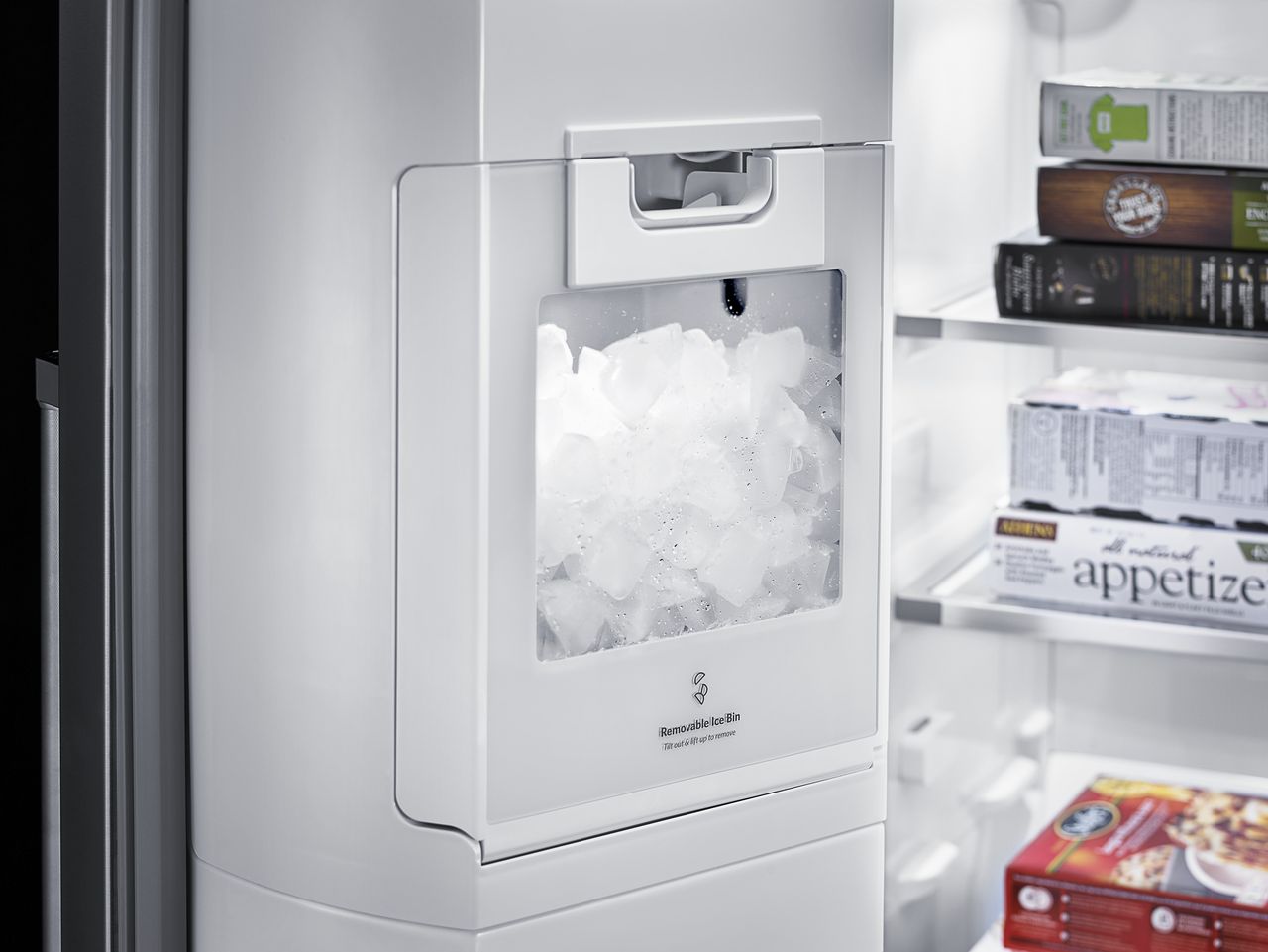
How to Fix an Overfilling Ice Maker
The right repair depends on the failed part.
Clean the water fill area
Remove loose ice and frost from the fill cup and tube. Clean mineral deposits with a soft cloth. Avoid strong cleaners inside the ice maker because residue can affect taste and may damage plastic.
Replace a leaking water inlet valve
If water continues to enter the mold when the ice maker is off, replace the inlet valve. Shut off the household water supply and unplug the refrigerator first.
Take a photo of the wire connections and water lines before removal. Install each line in the correct port. A valve that looks similar may still have the wrong flow rate or electrical rating.
Replace the ice maker assembly
A cracked mold, broken motor, failed thermostat, or damaged control module may require a complete ice maker assembly. Use the refrigerator model number to find the correct replacement.
Do not rely on appearance alone. Two ice makers may look alike but use different wiring or mounting brackets.
Correct the water pressure problem
If the valve and ice maker work correctly but the flow is unusually strong, test the household water pressure with a suitable gauge. Ask a qualified plumber to adjust the pressure if needed.
Replace the water filter when appropriate
A clogged filter usually causes low water flow rather than overfilling. Still, poor flow can create irregular ice and splashing. Replace the filter if it is overdue, damaged, or not seated correctly.
Use the filter type recommended for your refrigerator. An incorrect filter can restrict water or leak around the housing.
When to Call a Professional
Some repairs are simple, but refrigerators combine water, electricity, and sealed cooling systems. Call a qualified appliance technician if:
• The refrigerator trips a breaker.
• You see damaged wires or burnt connectors.
• The water line leaks behind the refrigerator.
• The ice maker fills without a control signal.
• A replacement valve does not stop the leak.
• The problem returns after cleaning.
• The refrigerator has a built-in dispenser and several water issues.
A technician can test voltage at the inlet valve and check whether the ice maker is sending the correct signal. This helps prevent replacing good parts based on guesswork.
Stop using the ice maker if water reaches electrical parts or collects near the refrigerator’s power cord. Clean standing water at once to reduce slip and damage risks.

Mistakes to Avoid
When people ask why is my ice maker overfilling with water, they often replace the first part they see. That can waste time and money. Avoid these common mistakes:
• Do not keep using an ice maker that is flooding the freezer.
• Do not pry out frozen parts with a knife or screwdriver.
• Do not buy a valve without checking the refrigerator model number.
• Do not assume a clogged filter is always the cause.
• Do not bypass the shutoff arm or sensor.
• Do not pour boiling water into the ice maker.
• Do not reconnect water lines without checking for leaks.
One lesson worth remembering is that symptoms can overlap. A bad valve may look like a control problem, while a frozen fill tube may look like low water pressure. Test the water flow and timing before buying parts.
How to Prevent Ice Maker Overfilling
Regular care can reduce the chance of future water problems.
• Replace the water filter on the schedule listed in the manual.
• Keep the freezer near 0°F, which is the commonly recommended food storage temperature.
• Make sure the ice bucket sits in the correct position.
• Keep the shutoff arm or sensor free from ice and food packages.
• Inspect the fill tube during routine cleaning.
• Check the water line for kinks after moving the refrigerator.
• Do not overfill the ice bucket by pushing cubes against the sensor.
Use clean, filtered water if your refrigerator supports it. Hard water can leave mineral deposits in the valve and fill system, although filtration does not prevent every mechanical failure.
Manufacturer instructions are the best guide for temperature, filter life, and part testing. Refrigerator designs vary, so a repair method that works on one brand may not work on another.
Frequently Asked Questions About Why Is My Ice Maker Overfilling With Water
Why is my ice maker overfilling with water but the inlet valve looks fine?
The ice maker control module, shutoff system, fill tube, or water pressure may be the cause. A valve can also leak internally even when its outside looks clean and undamaged.
Can a water filter cause an ice maker to overfill?
A clogged filter usually causes slow or weak water flow, not true overfilling. However, an incorrect filter or poorly seated filter can disturb water flow and create splashing or leaks.
How do I know if my ice maker water valve is bad?
Turn off the ice maker and watch the fill area. If water continues to drip into the mold when no fill cycle is active, the inlet valve may not be closing properly.
Is it safe to use an ice maker that is overfilling?
It is best to turn it off until the cause is fixed. Overflowing water can freeze around electrical parts, damage food, create a slip hazard, and stress the refrigerator.
Why does my ice maker make large blocks of ice?
Large blocks often form when excess water enters the mold, cubes melt and refreeze, or the ice bucket is not used often. Check the water valve, fill tube, freezer temperature, and bucket position.
Can low freezer temperature cause an ice maker to overfill?
Very low temperatures do not usually make the valve add more water. They can cause frozen fill tubes, though, which may redirect water and make the mold appear to overfill.
Conclusion
When you ask why is my ice maker overfilling with water, start with the water inlet valve, fill tube, ice mold, shutoff arm, and control module. Watch a full fill cycle, look for continued dripping, and check for ice or mineral buildup before replacing parts.
Turn off the ice maker if water is reaching the freezer floor or electrical components. With a careful inspection and the correct model-specific part, many overfilling problems can be fixed without replacing the whole refrigerator. Use your owner’s manual for testing steps, and consider professional help when water and electricity are involved. Share your symptoms or explore more refrigerator repair guides to find the next safe step.