
Most ice makers take 6 to 12 minutes to freeze one batch, but a full bin may take hours.
If you are wondering how long does an ice maker take to make ice, the honest answer depends on the machine, room temperature, water flow, and ice settings. A refrigerator ice maker often needs about 90 minutes to two hours for its first batch, while a countertop model may produce ice in 6 to 20 minutes. This guide explains the timing, the causes of delays, and the simple steps that help your ice maker work faster.

How Long Does an Ice Maker Take to Make Ice?
A standard refrigerator ice maker usually takes 60 to 120 minutes to complete one ice-making cycle. Some older models may need closer to three hours. A countertop ice maker is much faster and often makes its first small batch within 6 to 15 minutes.
The answer to how long does an ice maker take to make ice also depends on what you mean by “make ice.” One cycle may create only 6 to 10 cubes. Filling the entire storage bin can take several hours.
Here are common time ranges:
• Countertop ice maker: 6 to 20 minutes per batch
• Refrigerator ice maker: 60 to 120 minutes per batch
• Commercial ice machine: 10 to 20 minutes per cycle
• Portable ice maker after startup: often faster than the first cycle
• Full household ice bin: 3 to 24 hours, depending on size and demand
A refrigerator ice maker works slowly because it must cool a small mold, freeze the water, release the cubes, and refill the mold. It is more like a small assembly line than a glass of water placed in a freezer.

How an Ice Maker Makes Ice
Understanding the cycle makes the timing easier to understand. Most automatic ice makers use a thermostat, a water valve, a motor, a mold, and ejector fingers.
The basic process works like this:
-
The water inlet valve opens and fills the ice mold.
-
The mold cools until the water freezes.
-
A thermostat senses that the ice is solid.
-
A small heater loosens the cubes from the mold.
-
Ejector arms push the cubes into the storage bin.
-
The water valve opens again for the next cycle.
The freezing stage takes most of the time. The release and refill stages usually take only a few minutes. If the freezer is warm, the thermostat may delay harvest to protect ice quality and prevent soft or partly frozen cubes.
This process also explains why the first batch takes longer. After installation or cleaning, the freezer needs time to reach its normal temperature. The water line may also need to fill before the first cycle begins.
Ice Maker Timing by Type
Different ice maker designs have different speeds. Comparing them helps you set a realistic expectation.
Refrigerator ice makers
A built-in refrigerator ice maker commonly produces one batch every 60 to 120 minutes. Many models can make between 3 and 10 pounds of ice in 24 hours under normal conditions.
The first batch may take 2 to 3 hours after you turn the ice maker on. The freezer should usually be at or below 0°F for reliable ice production. Warmer settings can slow freezing and lead to small or wet cubes.
Countertop ice makers
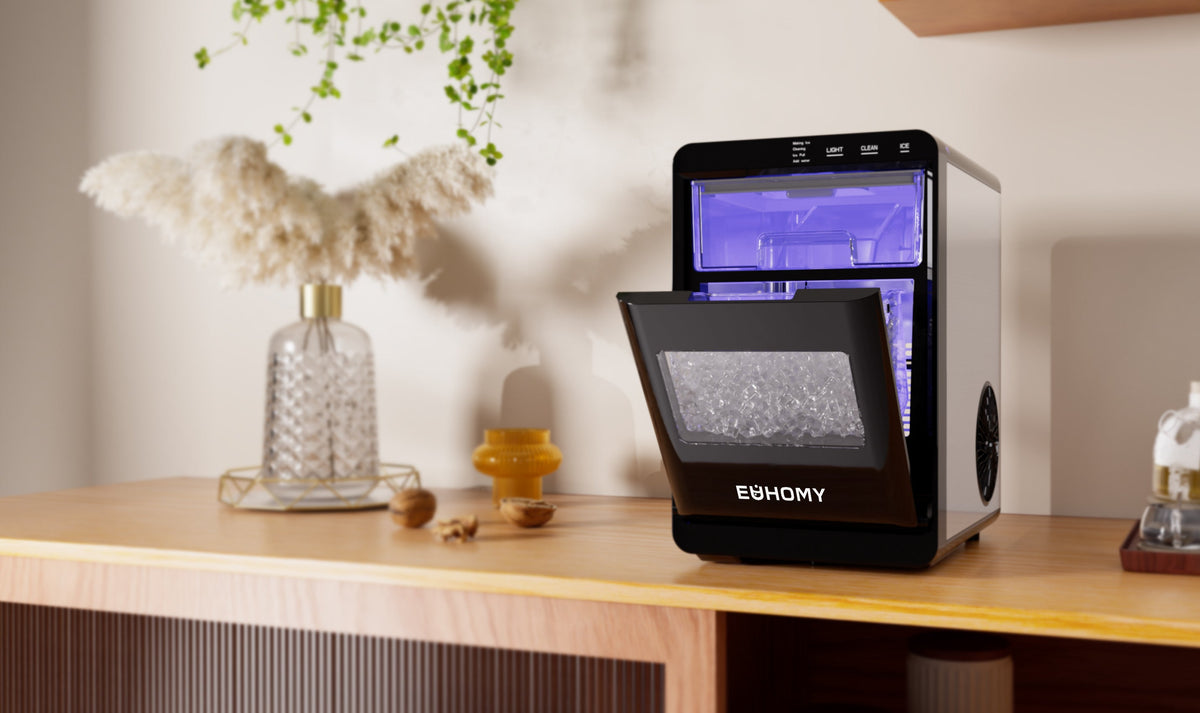
Countertop units are designed for speed. Many produce bullet-shaped ice in 6 to 15 minutes, though some need closer to 20 minutes.
These machines do not usually freeze ice as hard as a refrigerator freezer. Their ice may melt faster, especially in a warm room. For that reason, countertop ice makers often recycle melted water back into the reservoir.
Commercial ice makers
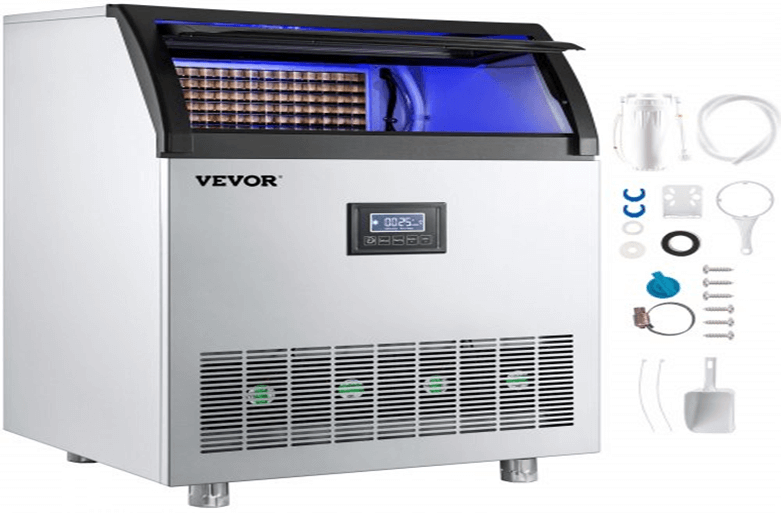
Commercial machines use stronger cooling systems and larger water pumps. They may complete a cycle in 10 to 20 minutes and produce a large amount of ice each day.
Their speed depends on the ice style. Flake ice and small nugget ice may form faster than thick, clear cubes. Commercial machines also need good airflow, clean condenser coils, and a steady water supply.
Portable ice makers
Portable ice makers are similar to countertop models. They are convenient for apartments, RVs, offices, and small gatherings.
The first batch may take longer because the water reservoir and internal parts start at room temperature. Later batches often come out faster once the cooling system is cold.

What Affects How Fast an Ice Maker Makes Ice?
Several conditions can change how long does an ice maker take to make ice. A machine that normally works well may slow down during a hot day or after a freezer door is opened many times.
Freezer temperature
Temperature is one of the biggest factors. A refrigerator freezer should generally stay around 0°F. If it rises above 10°F, ice may form slowly or remain soft.
Check the freezer with an appliance thermometer if you suspect a problem. The display on the refrigerator may show a target setting, not the actual air temperature.
Room temperature
Countertop machines release heat into the room. A hot kitchen makes it harder for the machine to remove heat from the water.
Keep the unit away from ovens, direct sunlight, and crowded walls. Leave the air gaps recommended in the user manual.
Water temperature
Cold water freezes sooner than warm water. Room-temperature water is usually fine, but very warm tap water can add time to the first cycle.
Do not use boiling water. It can damage plastic parts and may create excess heat inside the machine.
Water level
A low reservoir stops production. Some machines show a “add water” light, while others simply stop making ice.
Fill the tank to the marked line. Overfilling can cause leaks, poor circulation, or sensor problems.
Ice size setting
Many countertop ice makers offer small, medium, and large cubes. Large cubes need more time to freeze.
If speed matters, choose the small setting. If slow melting matters more, choose larger ice and allow extra time.
Airflow and clearance
Cooling systems need to release heat. A machine pressed against a wall or surrounded by clutter cannot work as efficiently.
Keep the air vents clear. Clean dust from the vents and condenser area according to the manual.
Water filter condition
A clogged refrigerator water filter can reduce water flow. The mold may fill slowly, or it may not fill enough to produce a normal batch.
Replace the filter at the interval listed by the manufacturer. A weak filter can affect both ice production and drinking water quality.
Why Is My Ice Maker Taking So Long?
When asking how long does an ice maker take to make ice, many people are really asking why their machine has stopped keeping up. A delay does not always mean the ice maker is broken.
Common causes include:
• The freezer temperature is too high.
• The ice maker was recently turned on.
• The water line is kinked or blocked.
• The filter is clogged.
• The storage bin is full.
• The condenser coils are dusty.
• The door gasket is leaking cold air.
• The ice mold has a frozen clump.
• The water inlet valve is weak.
• The room is too hot for a countertop model.
A full ice bin can also create confusion. Many machines stop making ice when an arm or sensor detects a full bin. Move the cubes gently and check whether the shutoff arm is stuck in the raised position.
In hands-on troubleshooting, one common mistake is judging the machine after only 15 minutes. Refrigerator ice makers rarely work that fast. I recommend giving a newly activated refrigerator ice maker at least 3 hours before deciding that it has failed.

How to Make an Ice Maker Work Faster
You cannot safely force a refrigerator ice maker to freeze beyond its design limits. However, a few practical steps can improve production.
-
Set the freezer close to 0°F.
-
Keep the freezer door closed as much as possible.
-
Remove heavy frost from vents and shelves.
-
Check that the water line is straight and open.
-
Replace an old water filter.
-
Clean the ice mold and storage bin.
-
Keep a countertop unit away from heat.
-
Leave space around the machine for airflow.
-
Use cold, clean water in portable models.
-
Empty old ice so the sensor can detect available space.
Do not place hot items beside the ice maker. Do not block freezer vents with food. These small habits can make the cooling system work harder and may increase electricity use.
If you need ice for a party, start the machine the night before. This is more reliable than waiting for a full bin in the final hour. For large events, buying a bag of ice is often more practical than overworking a small household machine.
How Much Ice Does an Ice Maker Produce?
Speed and total output are not the same. A countertop ice maker may produce a batch every 6 to 15 minutes, but its small bin may hold only 1 to 2 pounds.
A refrigerator ice maker may seem slow, yet it can produce several pounds over a full day. Its output depends on freezer temperature, water pressure, mold size, and how often ice is removed.
Typical daily output may look like this:
• Small refrigerator ice maker: 3 to 5 pounds per day
• Larger refrigerator ice maker: 5 to 10 pounds per day
• Countertop ice maker: 20 to 35 pounds per day in ideal conditions
• Commercial ice machine: 50 pounds or much more per day
Published output figures are usually measured in controlled conditions. Real homes are warmer, doors open more often, and machines may pause when the bin is full. Treat these numbers as upper estimates, not guarantees.
How to Tell Whether Your Ice Maker Is Working Normally
A normal machine should show a steady pattern. The mold fills, the water freezes, the cubes fall, and the next cycle begins. Some pauses are normal, especially after the bin fills.
Use this simple check:
• Confirm that the ice maker is switched on.
• Check that the freezer is at or below 0°F.
• Look for water in the ice mold.
• Listen for the water valve after a harvest cycle.
• Check for ice blocking the ejector arms.
• Inspect the water line for kinks.
• Test the dispenser, if your model has one.
If the mold has water but never freezes, the cooling system may have a problem. If the mold is dry, suspect water flow, the inlet valve, the filter, or the control arm.
A little patience matters here. After a power outage, cleaning, or temperature change, wait several hours. If no ice appears after 24 hours, the machine likely needs closer inspection.
When to Repair or Replace an Ice Maker
A slow ice maker may need a simple fix, but some symptoms point to a larger fault. A service call may be wise if the freezer is cold and the water supply is strong, yet the machine still produces no ice.
Consider professional help when:
• The ice maker makes repeated clicking sounds.
• Water leaks into the freezer.
• The mold overfills or freezes into one block.
• The refrigerator cannot hold a safe freezer temperature.
• The inlet valve hums but does not deliver water.
• The machine trips a circuit or smells overheated.
• Ice production stopped after a control board error.
Avoid taking apart sealed refrigeration parts. Refrigerant systems require trained service and proper equipment. You can safely clean removable bins, check settings, inspect the water line, and replace many filters, but deeper repairs should follow the manufacturer’s instructions.
Frequently Asked Questions About How Long Does an Ice Maker Take to Make Ice
How long does a refrigerator ice maker take to make the first batch?
A refrigerator ice maker often needs 1 to 3 hours for its first batch. After the freezer reaches 0°F and the water line fills, later batches usually arrive every 60 to 120 minutes.
How long does a countertop ice maker take to make ice?
Most countertop ice makers make their first batch in 6 to 20 minutes. Small ice usually forms faster than large ice, and a hot room can increase the time.
Why is my ice maker making ice slowly?
A warm freezer, clogged filter, blocked water line, dirty condenser, or full storage bin can slow production. Check these areas before assuming the ice maker needs replacement.
Does cold water make ice faster?
Cold water may freeze a little faster than warm water, especially in a portable machine. Still, freezer temperature and airflow usually have a greater effect on total production time.
How long does an ice maker take to fill the bin?
A household ice maker may need 3 to 24 hours to fill its bin. The exact time depends on bin size, cycle length, daily output, and how often ice is used.
Should I leave my ice maker on all the time?
You can leave most automatic ice makers on if the water supply and temperature are normal. Turn the unit off during long absences, cleaning, or when you do not need more ice.
Conclusion
So, how long does an ice maker take to make ice? A countertop model may produce ice in 6 to 20 minutes, while a refrigerator ice maker commonly needs 60 to 120 minutes per cycle. The first batch often takes longer, and a full bin may require several hours.
Keep the freezer near 0°F, maintain clear airflow, use a clean filter, and give a new or recently reset machine enough time to start. If production remains slow after these checks, inspect the water supply or contact a qualified appliance technician. Share your ice maker model and experience in the comments, or explore more appliance care guides for practical tips.