
Cool, filter, and seal deep fryer oil in a clean, dark, airtight container before storing it.
Knowing how to store oil from a deep fryer can save money, reduce waste, and keep your next batch of food tasting fresh. The right method is simple, but small details matter. Oil that holds crumbs, water, or heat can spoil faster and may create smoke or off flavors. This guide explains safe storage, oil reuse, common mistakes, and easy ways to know when the oil should go.
Why Proper Deep Fryer Oil Storage Matters
Deep fryer oil does not become useless after one use. Many oils can be reused several times if they stay clean and are stored well. However, heat, air, light, water, and food bits slowly break the oil down.
Old or poorly stored oil may:
• Smoke at a lower temperature
• Make food taste stale or bitter
• Turn dark, thick, or sticky
• Create more foam during frying
• Carry flavors from earlier foods into new dishes
Storing oil correctly protects its flavor and quality. Think of the oil as a sponge. It can hold crumbs, moisture, and food smells. The cleaner the oil is before storage, the better it will perform next time.
Food safety guidance also stresses careful cooling and clean storage. Hot oil can cause severe burns, and even a small amount of water can make it splatter. Safe handling must come before speed.

How to Store Oil From a Deep Fryer Safely
The best way to store oil from a deep fryer is to cool it, strain it, place it in a clean container, and keep it away from heat and light.
Follow these steps:
1. Turn Off the Fryer and Let the Oil Cool
Switch off the deep fryer and unplug it if it is safe to do so. Let the oil cool until it is warm but not hot. This may take several hours, depending on the amount of oil and the type of fryer.
Never pour hot oil into a plastic container. It can melt or warp the container. Hot oil can also burn your skin, damage a counter, or crack a glass jar.
Do not leave the fryer near children or pets while it cools. A covered fryer is helpful, but do not seal a hot fryer tightly. Trapped heat and steam can create pressure.
2. Strain the Oil
Place a fine mesh strainer over a large heat-safe bowl or pot. For extra-clean oil, line the strainer with cheesecloth, a coffee filter, or a clean paper towel.
Pour the oil slowly through the filter. Do not rush this step. Small crumbs left in the oil can burn during the next cooking session and make the whole batch taste bitter.
If the oil contains a lot of food debris, strain it twice. A coffee filter works well, but it may drain slowly. Patience here is worthwhile.
3. Choose a Suitable Container
Use a clean, dry container with a tight lid. Good choices include:
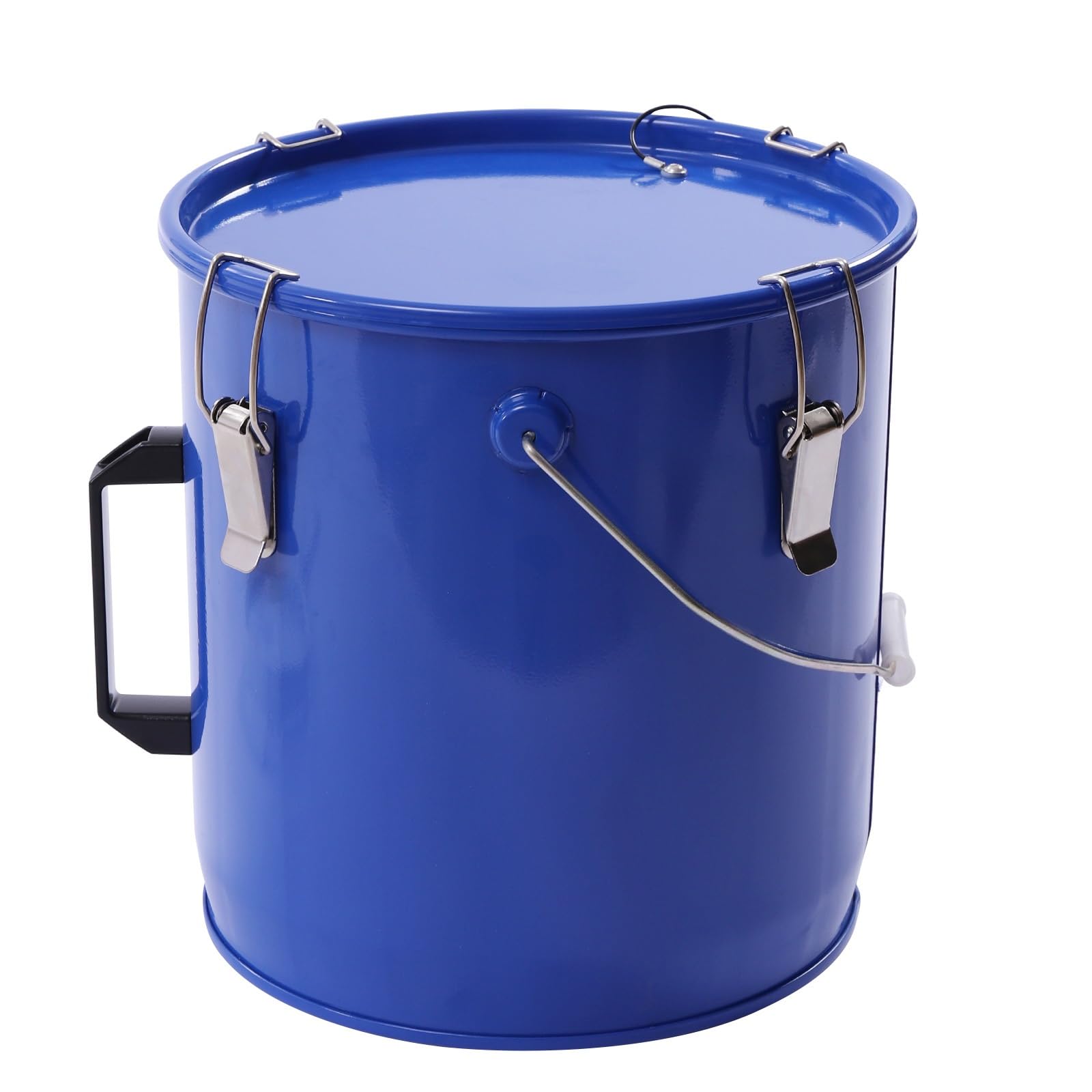
• A stainless steel oil container
• A dark glass jar
• A food-grade plastic container made for hot liquids
• The original oil bottle, if it is clean and fully dry
Glass does not absorb odors, but it can break if handled roughly. Plastic is light and convenient, but it may hold strong smells. Avoid thin, single-use containers that can weaken over time.
Label the container with the type of oil and the date. If you fry fish, chicken, or heavily seasoned food, note that too. This small habit helps you remember how old the oil is and what flavors it may carry.
4. Seal and Store the Oil
Close the container tightly. Store it in a cool, dark, dry place, such as a pantry or cabinet. Keep it away from the stove, oven, dishwasher, windows, and other heat sources.
Light and heat speed up oxidation. Oxidation makes oil lose freshness and develop stale flavors. A dark container offers extra protection, but a clear jar can also work if it stays inside a dark cabinet.
For longer storage, place the sealed oil in the refrigerator. Chilled oil may become cloudy or partly solid. This is normal and does not automatically mean the oil is spoiled. Let it return to room temperature before pouring it into a fryer.

How Long Can You Store Used Fryer Oil?
The storage time depends on the oil type, cooking temperature, food fried, and how well the oil was filtered. There is no single number that works for every kitchen.
As a general guide, filtered oil stored in a cool, dark place may last several weeks. Refrigerated oil may keep its quality for a longer period, often up to a few months. These are quality guidelines, not guarantees.
Use the oil sooner when it has been used for:
• Fish or seafood
• Strongly spiced foods
• Foods with wet batter
• Foods that left many crumbs
• Foods cooked at very high heat
Oil used for plain potatoes or vegetables may remain pleasant longer than oil used for battered fish. Still, smell and appearance matter more than a calendar alone.
For the best results, write the storage date on the container. A simple label prevents the common mistake of keeping oil for too long because you cannot remember when you saved it.
How Many Times Can You Reuse Deep Fryer Oil?
Many home cooks reuse oil two to four times. Some clean oils may work more often, while heavily contaminated oil may be ready for disposal after one use.
The number of uses depends on several factors:
• The oil’s smoke point
• The frying temperature
• The type of food
• The amount of food debris
• The length of each frying session
• Whether water entered the oil
Do not reuse oil just because it looks acceptable. Smell a small amount before heating it. Fresh or usable oil should have a mild, familiar smell. If it smells sour, stale, burnt, fishy, or like paint, discard it.
You can also rub a drop between clean fingers after it cools. If it feels unusually sticky or thick, it may be breaking down. Never taste questionable oil.
A practical lesson is to avoid mixing old oil with a fresh bottle. Mixing may extend the amount, but it can also lower the quality of the fresh oil. If you do combine oils, make sure both are clean, compatible, and free from off odors.
Which Oils Store Best After Deep Frying?
Oils with higher smoke points and good stability often perform well for deep frying. Common choices include:
• Peanut oil
• Canola oil
• Vegetable oil
• Corn oil
• Sunflower oil
• Refined safflower oil
Peanut oil can be excellent for frying, but it is not suitable for people with peanut allergies unless the product and cooking setting are carefully evaluated. Always consider the people who will eat the food.
Extra virgin olive oil has a strong flavor and may be less practical for repeated deep frying. Refined olive oil is more neutral and may work better, depending on the fryer and recipe.
Avoid storing oil that has been overheated until it smoked heavily. Smoking means the oil has reached a temperature where it begins to break down. It may still look normal, but its flavor and performance can suffer.
Oil type matters, but handling matters just as much. Even a stable oil can spoil faster when it is exposed to water, air, crumbs, or repeated high heat.
Signs That Stored Fryer Oil Has Gone Bad
Before using stored oil, inspect it carefully. Discard it if you notice one or more of these signs:
• A sour, rancid, burnt, or chemical smell
• A very dark or unusually cloudy appearance
• A thick, sticky, or syrup-like texture
• Excessive foaming when heated
• Smoke at a normal frying temperature
• A strong flavor from old food
• Food that turns greasy instead of crisp
Cloudiness alone is not always a problem, especially after refrigeration. Oil may become cloudy as it cools and clear again when warmed. Look for other signs before deciding.
If you are unsure, throw it away. The cost of a small amount of oil is less than the cost of ruining food or making someone sick. Never try to hide bad oil with spices or strong sauces.
Common Mistakes When Storing Fryer Oil
Learning how to store oil from a deep fryer also means learning what not to do. These mistakes are common in home kitchens.
Pouring Oil Down the Sink
Used oil can coat pipes and collect food particles. Over time, this may create a serious clog. Even hot water and soap may not remove all the grease.
Let the oil cool, pour it into a sealed container, and place it in the trash according to local rules. Some communities collect used cooking oil for recycling or biodiesel production.
Storing Oil With Food Crumbs
Crumbs continue to cook when the oil is reheated. They can burn, darken the oil, and create unpleasant flavors.
Always strain the oil before storage. A fine strainer is one of the most useful tools for extending oil quality.
Using a Wet Container
Water and hot oil are a dangerous pair. A wet jar can cause violent splattering when the oil is reheated.
Wash the container well, rinse it, and let it dry completely. You can also wipe the inside with a clean towel before filling it.
Leaving Oil in the Fryer
Keeping oil in the fryer exposes it to air, light, and leftover crumbs. It may also absorb odors from the kitchen.
If you will not use the fryer within a day or two, remove the oil, filter it, and store it in a sealed container.
Forgetting the Date
Without a date, it is easy to keep oil far longer than planned. Labeling takes only a few seconds and makes safe decisions much easier.

How to Dispose of Used Fryer Oil
When the oil no longer looks or smells good, dispose of it safely.
First, allow the oil to cool fully. Pour it into a sealed bottle, jar, or leak-proof container. You may mix a small amount of oil with absorbent material, such as cat litter or paper towels, if local waste rules allow it.
Never pour cooking oil into:
• A sink
• A toilet
• A storm drain
• Soil or garden beds
• A compost bin
Check your city or county waste service for cooking oil recycling sites. Some restaurants, recycling centers, and community programs accept large amounts of used oil.
If you use disposable fryer liners or absorbent products, follow the package directions. The goal is to prevent leaks, plumbing damage, and harm to waterways.
Tips for Keeping Fryer Oil Fresh Longer
Good frying habits can make oil last longer and taste better.
• Keep the frying temperature steady. A thermometer helps prevent overheating.
• Remove loose crumbs between batches.
• Avoid adding wet food to hot oil.
• Do not overcrowd the fryer.
• Filter oil after each use if you plan to reuse it.
• Store the container away from light and heat.
• Keep separate oil for fish and neutral foods.
• Use a clean, dry utensil when handling stored oil.
• Do not top off very old oil with new oil.
These steps are simple, but they work together. Clean oil is like clean water in a cooking pot: it gives the food room to shine instead of carrying yesterday’s flavors forward.
From a practical kitchen standpoint, the biggest improvement usually comes from filtering oil while it is still warm. It flows more easily then, but it must never be hot enough to burn or melt the container. A heat-safe bowl and a fine strainer make this job safer and less messy.

Can You Store Deep Fryer Oil in the Refrigerator?
Yes, you can store filtered fryer oil in the refrigerator if it is in a clean, airtight container. Cold oil may turn cloudy or solid, but this change is usually reversible.
Let the oil warm at room temperature before transferring it to the fryer. Do not heat a cold glass jar quickly or place it directly on a hot surface, because sudden temperature changes can crack the glass.
Refrigeration slows quality loss, but it does not make bad oil fresh again. Always check the smell, color, and texture before use.
Does Used Fryer Oil Need to Be Filtered?
Yes, filtering is strongly recommended before storing used fryer oil. It removes crumbs, batter, and food particles that can burn and shorten the oil’s useful life.
A fine mesh strainer removes large pieces. Cheesecloth or a coffee filter can catch smaller particles. Make sure the filter and container are clean and dry.
Can You Mix Different Types of Cooking Oil?
It is better not to mix different oils when possible. Different oils can have different flavors, smoke points, and storage qualities.
If you do mix them, combine only oils that are clean and have similar cooking properties. Never mix fresh oil with oil that smells rancid or has been badly overheated.
How Do You Know When Stored Fryer Oil Is Bad?
Bad fryer oil may smell sour, stale, burnt, or chemical-like. It may also become thick, very dark, sticky, smoky, or foamy during heating.
When in doubt, discard it. Do not taste oil to test it, and do not use strong seasoning to cover an off smell.
How Should You Store Oil From a Deep Fryer Overnight?
To store oil from a deep fryer overnight, turn off the fryer, let the oil cool, strain it, and place it in a sealed, dry container. Keep it in a cool, dark cabinet if you will use it soon, or refrigerate it for longer storage.
Do not leave the oil exposed in the fryer with crumbs or food particles. Labeling the container with the date is also a smart safety step.
Can You Reuse Oil After Frying Fish?
Yes, but fish can leave a strong flavor and odor in the oil. Filter it well and store it separately from oil used for fries, vegetables, or desserts.
Use fish oil only when its flavor will not harm the next dish. Discard it if it smells rancid, burns easily, or tastes unpleasant.
Conclusion
The safest method for how to store oil from a deep fryer is simple: cool it, filter it, seal it, label it, and keep it away from heat and light. A clean, dry container protects the oil, while refrigeration can help preserve quality for longer storage.
Check the oil before every use. If it smells bad, looks unusually dark, feels sticky, or smokes too soon, do not risk using it. Follow these steps each time, and you can reduce waste while keeping fried food crisp and flavorful. Try the routine with your next batch, and share your best oil-saving tips in the comments.