
Cool, filter, and reuse deep fryer oil when it is still fresh, or seal it in a container and recycle or trash it safely.
Knowing what to do with deep fryer oil helps protect your plumbing, reduce waste, and keep your kitchen safe. After years of home cooking, I have learned that oil is easy to manage when you treat it like a hot liquid that needs time, care, and the right container. This guide explains when to reuse it, how to store it, and how to dispose of it without causing damage.
Let the Oil Cool Completely
The first step in what to do with deep fryer oil is simple: turn off the fryer and let the oil cool.
Hot oil can cause serious burns. It can also melt plastic containers, damage trash bags, and start a fire if it touches paper or other dry material. Never carry a fryer full of hot oil across the kitchen.
Follow these safety steps:
- Turn off and unplug the deep fryer.
- Let the oil cool for several hours.
- Keep children and pets away from the fryer.
- Do not add water or ice to the oil.
- Move the oil only when it feels cool to the touch.
Never pour water onto an oil fire. Water can make burning oil splash and spread. If a grease fire starts, turn off the heat if it is safe to do so and cover the pan with a metal lid. Leave the area and call 911 if the fire does not stop quickly.
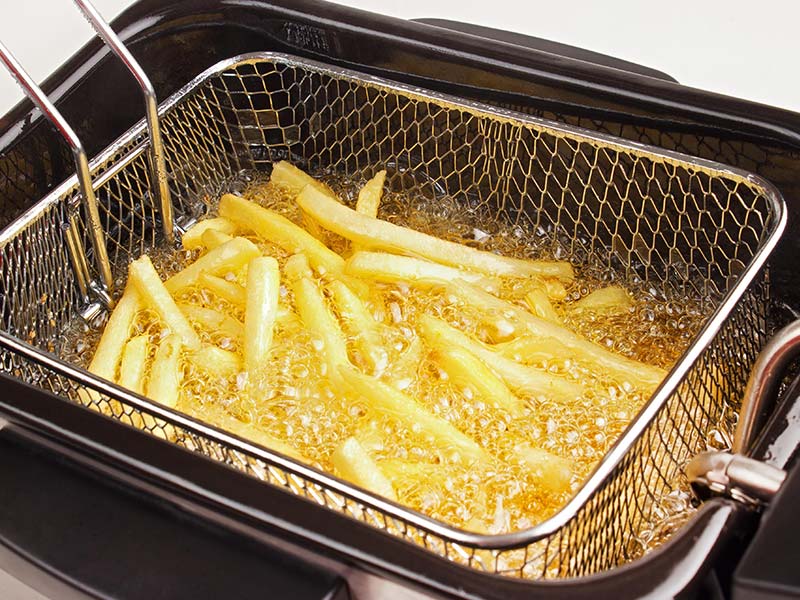
Decide Whether the Oil Can Be Reused
One of the best answers to what to do with deep fryer oil is to use it again. Frying oil can often be reused two or three times, and sometimes more, if it remains clean and has not overheated.
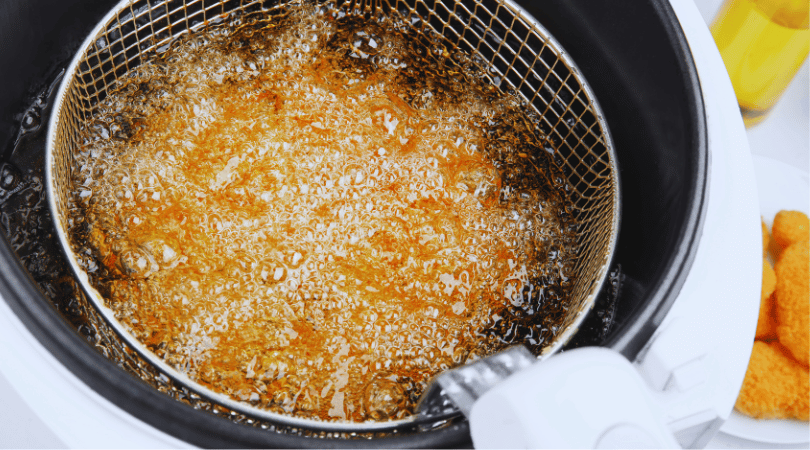
Check the oil before saving it. Good oil usually looks clear and smells mild. Oil that is dark, cloudy, sticky, or smoky should not go back into the fryer.
Discard the oil if you notice:
• A strong burnt or rancid smell
• A very dark color
• Thick foam on the surface
• Excessive smoke at normal frying temperatures
• A sticky or syrup-like texture
• Many crumbs or food particles that will not filter out
Oil also absorbs flavors. For example, oil used for fish may give french fries a fishy taste. Keep strongly flavored oil separate from neutral oil.
How many times can you reuse fryer oil?
There is no exact number for every oil. The answer depends on the type of oil, frying temperature, food, and cooking time.
Oil used for battered foods often breaks down faster because crumbs burn in the oil. Oil used for vegetables or fries may last longer. A good rule is to judge the oil by its smell, color, smoke, and cooking performance rather than by counting uses alone.
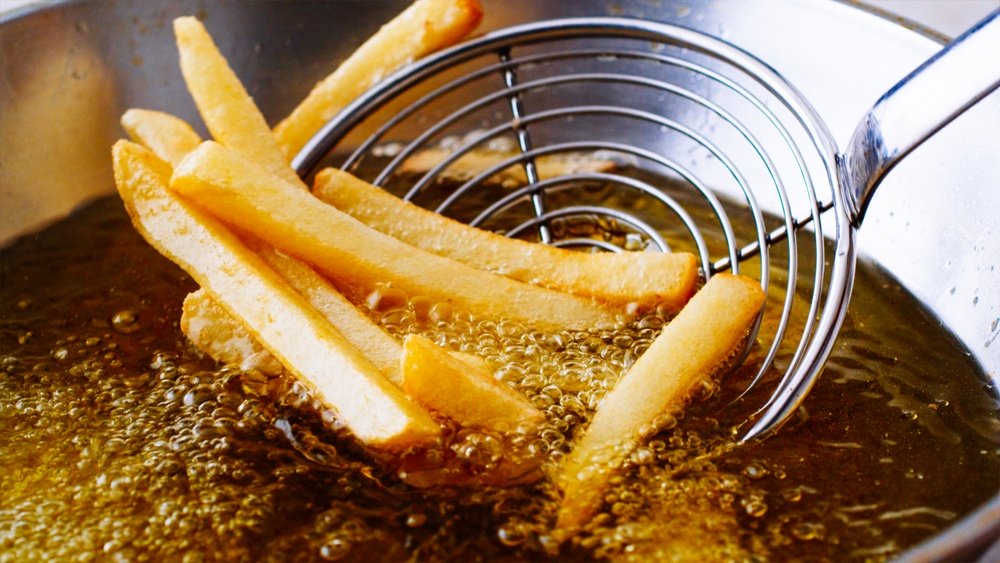
How to Filter and Store Used Fryer Oil
Filtering removes crumbs that can burn during the next frying session. It also helps the oil last longer and keeps your next batch of food from tasting bitter.
Use this method for what to do with deep fryer oil after it cools:
- Place a fine mesh strainer over a clean, dry bowl.
- Line the strainer with cheesecloth, a coffee filter, or a clean paper towel.
- Pour the cooled oil through the filter slowly.
- Let the oil drain without pressing the crumbs.
- Transfer the clean oil to a dry, sealable container.
A glass jar works well for small amounts. A food-safe plastic container can also work if the oil is fully cool. Do not use a container that held chemicals, cleaning products, or nonfood materials.
Label the container with the oil type and the date. Store it in a cool, dark cabinet. Refrigeration can extend its life, but cold oil may become cloudy or thick. That change is normal and does not always mean the oil has spoiled.
Keep water out of stored oil. Even a small amount of water can cause dangerous splattering when the oil heats again.
:max_bytes(150000):strip_icc()/__opt__aboutcom__coeus__resources__content_migration__serious_eats__seriouseats.com__images__2016__06__20160610-clarify-oil-with-gelatin-5-d240630567c8441b978aa60a1cdaa848.jpg)
How to Dispose of Deep Fryer Oil
When the oil is no longer safe or pleasant to use, proper disposal becomes the most important part of what to do with deep fryer oil.
Never pour cooking oil into a sink, toilet, storm drain, or outdoor soil. Oil can cling to pipes and trap food particles. Over time, this may create a blockage. In sewer systems, cooking grease can also join with other waste and form hard masses.
Use one of these safer disposal methods:
• Pour cooled oil into a sealed container and place it in the trash if local rules allow it.
• Return the oil to its original bottle, close the cap tightly, and place it in your household garbage.
• Mix small amounts of oil with absorbent material, such as cat litter, sawdust, or paper towels, before throwing it away.
• Take larger amounts to a local household cooking oil recycling site.
• Ask your city or county whether it collects used cooking oil.
Do not pour loose oil into a trash bag. The bag can leak and create a slippery mess. A sealed container is safer for your home, sanitation workers, and the environment.
Can you pour fryer oil outside?
No. Pouring oil onto grass, gravel, or soil can harm plants and animals. It may also attract insects and rodents, contaminate soil, and flow into storm drains during rain.
Find a Cooking Oil Recycling Program
Recycling is often the best choice for large quantities of used fryer oil. Many communities collect cooking oil and turn it into products such as biodiesel, renewable fuel, soap, or industrial materials.
Search your local government website for terms such as:
• Used cooking oil recycling
• Household hazardous waste collection
• Grease recycling
• Restaurant oil recycling
Call before you go. Some programs accept only large containers, while others collect oil during special events. A recycling site may also require the oil to be free of water, food scraps, and other liquids.
Restaurants often use large collection bins, but these are not always open to the public. Ask the manager before adding household oil to a commercial container.
For larger amounts, keep the oil in a sturdy, sealed container. Do not fill it so high that it becomes difficult to lift or close. A small leak can turn a simple recycling trip into a slippery safety problem.
Clean the Deep Fryer After Removing the Oil
What to do with deep fryer oil also includes cleaning the appliance. Old oil leaves a film on the basket, heating element, lid, and inner walls.
Start by wiping away leftover oil with paper towels. Then wash removable parts with hot water and dish soap, following the fryer manufacturer’s instructions. Some parts may be dishwasher safe, but the heating unit and electrical controls should never be submerged.
For stuck-on grease, let the removable parts soak in warm, soapy water. Use a soft sponge or nylon brush. Avoid metal tools that can scratch nonstick surfaces.
Dry every part fully before using the fryer again. Water left in the fryer can splatter when it touches hot oil. A clean fryer also helps new oil last longer and reduces unwanted flavors.
In my own kitchen, my biggest mistake was saving oil without filtering it first. The crumbs settled at the bottom, burned during the next use, and made the whole batch smell stale. A two-minute filter step would have prevented the problem.

Common Mistakes to Avoid
Small mistakes can create big problems when deciding what to do with deep fryer oil. The safest approach is to slow down and avoid shortcuts.
Watch out for these common errors:
• Pouring oil down the drain because it is still liquid
• Handling the oil while it is hot
• Storing oil in an open bowl
• Mixing oil with water or cleaning products
• Reusing oil that smells burnt
• Leaving food crumbs in the oil
• Filling a thin plastic bag with loose oil
• Putting hot oil into a glass jar
• Placing an unsealed container in the trash
• Using oil that smokes at normal cooking temperatures
It is also wise to avoid mixing different oils unless you understand how they will behave. Different oils have different smoke points and flavors. When in doubt, keep them separate and label each container.
Oil does not always look spoiled at the same speed. Some oils stay pale while their quality drops from repeated heating. Smell, smoke, foam, and cooking results give a better overall picture than color alone.
Choosing Better Frying Oil for Future Use
The type of oil affects what to do with deep fryer oil later. Oils with a higher smoke point are often better suited for deep frying.
Common frying oils include:
• Peanut oil
• Canola oil
• Sunflower oil
• Vegetable oil blends
• Corn oil
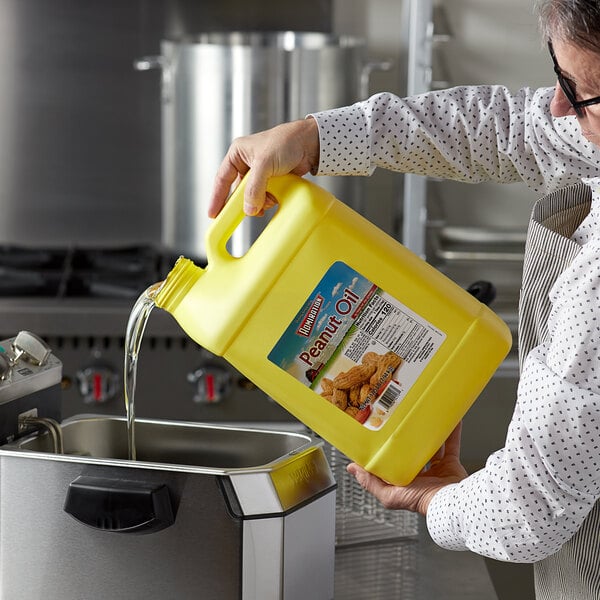
Peanut oil can add a mild flavor and works well for frying, but it is not suitable for people with peanut allergies. Canola oil has a mild taste and is widely used for home cooking. Always consider allergies and the flavor of the food.
Keep the fryer at the temperature recommended for the food and appliance. Oil that is too cool may soak into food. Oil that is too hot breaks down faster and can burn the outside before the inside cooks.
A cooking thermometer can help. Many deep-fried foods cook well around 350°F to 375°F, but the best temperature depends on the recipe and the fryer. Follow the appliance manual and recipe instructions.
Environmental and Health Considerations
Used cooking oil is not automatically dangerous waste, but it can become a household hazard when handled poorly. Repeatedly heated oil may contain degraded compounds and food particles, which is why old oil should not be used forever.
Food safety also matters. Oil that has touched raw meat or seafood can carry food residue. Filter it carefully, keep it sealed, and wash all tools that touched it with hot, soapy water.
Recycling reduces waste, but local programs vary. Some areas accept cooking oil at drop-off centers, while others recommend sealed trash disposal for small household amounts. Local instructions should always take priority over general advice.
The simplest way to reduce waste is to use only the amount of oil you need. A smaller batch can be easier to filter, store, reuse, or dispose of safely.
Frequently Asked Questions About What to Do With Deep Fryer Oil
Can you reuse deep fryer oil?
Yes, you can reuse deep fryer oil when it is clear, smells fresh, and has not produced excess smoke or foam. Filter it after cooling and store it in a clean, sealed container away from heat and light.
How long does used fryer oil last?
Filtered fryer oil may last several weeks when stored properly, but its quality depends on how often it was heated and what food was cooked in it. Discard it sooner if it smells rancid, looks very dark, or smokes at a normal cooking temperature.
Is it safe to pour cooking oil down the drain?
No. Cooking oil can coat pipes, trap food particles, and cause serious blockages. Let the oil cool, seal it in a container, and use an approved trash or recycling method instead.
Can you put deep fryer oil in the garbage?
You can usually place small amounts in the garbage after cooling the oil and sealing it in a sturdy container, but local rules may differ. For large amounts, use a cooking oil recycling program or contact your local waste department.
Can you compost deep fryer oil?
No. Adding fryer oil to a home compost pile can create odors, attract pests, and upset the balance of the compost. Keep used oil out of compost and dispose of it through trash or recycling.
What should you do with oil after frying fish?
Filter fish oil separately and reuse it only for foods that can handle the flavor. If the smell is strong or the oil is heavily contaminated with crumbs, cool it, seal it, and recycle or discard it safely.
Can you mix old and new fryer oil?
It is better not to mix old oil with fresh oil if the old oil shows signs of spoilage. A small amount of used oil may be mixed with new oil only when the used oil is clean, mild-smelling, and still suitable for cooking.
Conclusion
The best answer to what to do with deep fryer oil depends on its condition. Cool it fully, filter it, and reuse it when it still looks and smells fresh. When the oil is old, smoky, or rancid, seal it in a sturdy container and use a local recycling or trash option.
Never pour fryer oil down a drain or onto the ground. A few careful steps can protect your pipes, reduce waste, and prevent burns or spills. Check your local disposal rules, and share your own fryer oil tips in the comments or explore more safe kitchen guides.