
A slow cooker can turn a lamb roast into a tender, flavorful meal with little hands-on work. For the best result, use a lamb shoulder for soft, pull-apart meat or a leg of lamb for neat slices. Cook the roast with vegetables, broth, garlic, and herbs on LOW for 7 to 9 hours, then check the center with a food thermometer.
For food safety, the USDA recommends cooking whole cuts of lamb to at least 145°F (63°C) and letting them rest for 3 minutes. Ground lamb should reach 160°F (71°C). A slow cooker makes lamb tender, but it does not remove the need to check the final temperature.

Best Lamb Roast Cuts for a Slow Cooker
The best lamb roast depends on whether you want sliced meat or meat that falls apart. Lamb shoulder has more fat and connective tissue, so it becomes very tender during a long, slow cook. Leg of lamb is leaner and works well when you want slices, but it can become dry if overcooked.
| Lamb cut | Best result | Typical slow-cooker time |
|---|---|---|
| Lamb shoulder | Pull-apart, rich, tender meat | 8–10 hours on LOW |
| Boneless leg of lamb | Sliced roast | 6–8 hours on LOW |
| Bone-in leg of lamb | Sliced or lightly shreddable meat | 7–9 hours on LOW |
| Lamb shanks | Very soft, spoon-tender meat | 7–9 hours on LOW |
Cooking times are estimates. The size, shape, bone, starting temperature, and slow cooker model all affect the result. A narrow roast may cook faster than a wide roast of the same weight.
Shoulder or leg: which should you choose?
Choose lamb shoulder if you want meat for sandwiches, pita, rice bowls, or a family-style dinner. The extra fat helps protect the meat during long cooking.
Choose leg of lamb if you prefer a classic roast with slices. Use the shorter end of the cooking range and check it early. Lean leg meat has less room for error than shoulder.
Avoid using a very small, thin roast in a large slow cooker. It may cook too fast and lose moisture. The roast should sit in the cooker with space around it, but it should not be buried under a deep layer of liquid.
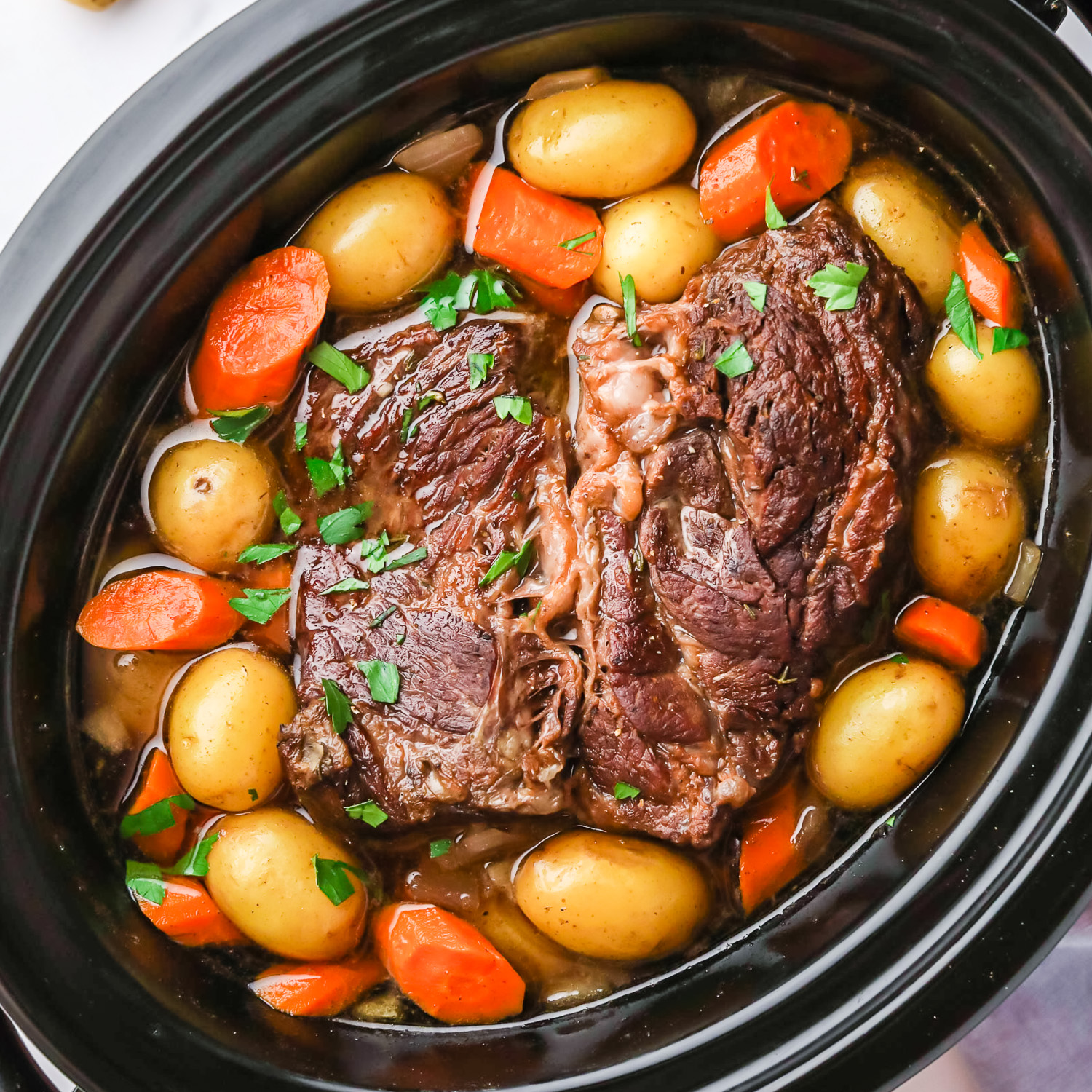
Ingredients for Slow Cooker Lamb Roast
This simple recipe serves about 6 to 8 people, depending on the size of the roast and the side dishes.
- 1 lamb shoulder or leg roast, about 3 to 4 pounds
- 1 tablespoon olive oil
- 1½ teaspoons kosher salt
- 1 teaspoon ground black pepper
- 5 garlic cloves, sliced or minced
- 1 tablespoon chopped fresh rosemary, or 1 teaspoon dried rosemary
- 1 tablespoon chopped fresh thyme, or 1 teaspoon dried thyme
- 1 large yellow onion, sliced
- 3 carrots, cut into large pieces
- 1 pound baby potatoes, halved if large
- 1 cup low-sodium beef, chicken, or vegetable broth
- ½ cup dry red wine, optional
- 1 tablespoon lemon juice
- 1 bay leaf
The broth adds moisture and flavor, but the lamb does not need to be fully covered. Too much liquid can make the dish taste more like boiled lamb and can weaken the flavor of the cooking juices.
For a thicker gravy, plan to strain the liquid after cooking and thicken it in a saucepan with a small cornstarch slurry. Mix 1 tablespoon cornstarch with 2 tablespoons cold water, then whisk it into simmering liquid.

How to Cook a Lamb Roast in a Slow Cooker
Follow these steps for a tender slow-cooker lamb roast with vegetables and herb flavor.
1. Thaw and prepare the lamb
Thaw the lamb in the refrigerator before cooking. Do not place a frozen roast in a slow cooker. A frozen roast may spend too long at an unsafe temperature while the center warms.
Pat the lamb dry with paper towels. Trim off thick areas of surface fat, but leave a thin layer for flavor and moisture. Cut small slits in the meat and insert pieces of garlic if you want a stronger garlic taste.
Rub the lamb with olive oil, salt, pepper, rosemary, and thyme. Season all sides, including the ends.
2. Brown the roast, if desired
Heat a large skillet over medium-high heat. Add a small amount of oil and brown the lamb on all sides for about 2 to 3 minutes per side.
Browning is optional. It does not seal juices inside the meat, but it creates browned flavors that make the finished roast taste deeper. If you skip this step, the slow cooker will still cook the lamb safely and thoroughly.
Move the browned lamb to a plate while you prepare the cooker.
3. Build the slow-cooker base
Place the onion, carrots, and potatoes in the bottom of a 6-quart slow cooker. Add the bay leaf and any extra garlic.
Pour in the broth, wine if using, and lemon juice. The liquid should cover the bottom of the cooker by about ½ to 1 inch. It should not cover the lamb.
Place the roast on top of the vegetables, with the fat side facing up when possible. This allows the fat to baste the surface as it melts.
4. Cook on LOW
Cover the slow cooker and cook on LOW:
- Lamb shoulder: 8 to 10 hours
- Boneless leg: 6 to 8 hours
- Bone-in leg: 7 to 9 hours
Keep the lid closed during cooking. Each time you lift the lid, heat escapes and the cooking time may increase.
Start checking a boneless leg after about 5½ to 6 hours. Start checking a shoulder after about 7½ hours. Insert an instant-read thermometer into the thickest part of the meat. Avoid touching the bone or the slow-cooker insert.
5. Check temperature and texture
For a whole cut of lamb, remove the roast when the center reaches at least 145°F (63°C), then rest it for 3 minutes. The temperature may rise slightly during the rest.
For shoulder, temperature is only part of the test. If you want pull-apart lamb, the meat should feel very soft when pierced with a fork. Shoulder often needs a longer cook than the minimum safe temperature requires because its connective tissue needs time to soften.
If the lamb has reached a safe temperature but is still firm, cover it and continue cooking on LOW. Check it again after 30 to 60 minutes.
6. Rest, slice, or shred the lamb
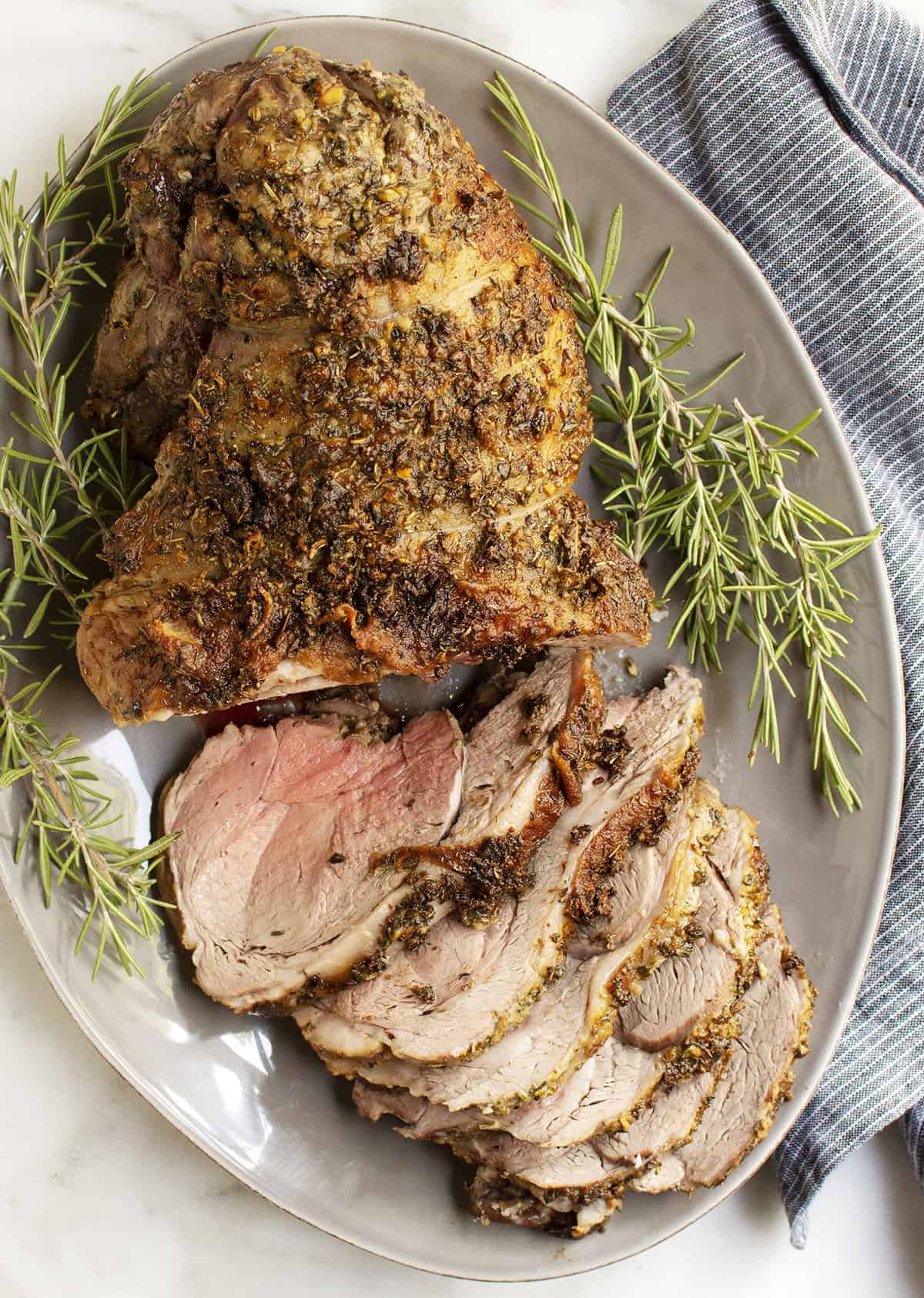
Transfer the lamb to a cutting board and cover it loosely with foil. Rest it for 15 to 20 minutes before slicing or shredding.
Slice a leg of lamb across the grain. Cutting across the grain shortens the muscle fibers and makes each bite easier to chew.
Pull shoulder meat apart with two forks, removing large pieces of fat and any bone. Save the cooking liquid for gravy or spoon it over the meat.
7. Finish the vegetables and gravy
Check the potatoes and carrots with a fork. If they are not tender, return them to the slow cooker while the lamb rests, or cook them in a saucepan with some of the cooking liquid.
To make gravy, strain the liquid into a saucepan and skim off excess fat. Bring it to a simmer. Add a cornstarch slurry a little at a time and whisk until the gravy thickens.
Taste before adding more salt. Broth and cooking juices can already contain a large amount of sodium.

How Long to Cook Lamb Roast in a Slow Cooker
Cooking time depends more on the cut and shape than on weight alone. Use time as a guide, not as the final test.
A 3-pound boneless leg may finish in about 6 hours on LOW. A 4-pound shoulder may need 9 hours or more before it becomes tender enough to shred. Cooking on HIGH can shorten the process, but LOW usually gives you better control and a more tender texture.
| Goal | Cut | Setting | Starting point |
|---|---|---|---|
| Sliced lamb | Boneless leg | LOW | 6 hours |
| Sliced lamb | Bone-in leg | LOW | 7 hours |
| Fork-tender lamb | Shoulder | LOW | 8 hours |
| Shredded lamb | Shoulder | LOW | 9–10 hours |
Do not rely on a fixed time for food safety. The USDA recommends using a food thermometer for meat. Place the thermometer in the thickest section and check more than one spot if the roast has an uneven shape.
For the most reliable results, use a slow cooker that is large enough for the roast without packing it tightly. The USDA advises keeping the cooker at least half full and no more than about two-thirds full when preparing food in a slow cooker.

How to Get More Flavor
The easiest way to improve slow-cooker lamb is to layer flavor before the long cook.
- Brown the lamb: This adds roasted flavor to the outside.
- Use fresh garlic and herbs: Rosemary, thyme, mint, parsley, and oregano all pair well with lamb.
- Add acid: Lemon juice or a small amount of red wine can balance the rich meat.
- Season in stages: Salt the lamb before cooking, then adjust the sauce after it reduces.
- Use vegetables as a base: Onions, carrots, celery, and potatoes absorb the lamb juices.
- Finish with fresh herbs: Add chopped parsley or mint just before serving.
For a Mediterranean-style roast, use lemon, garlic, oregano, rosemary, and olive oil. For a richer roast, use red wine, onions, rosemary, and beef broth. For a Middle Eastern flavor, add cumin, coriander, cinnamon, and a little lemon.
Do not add too much water. Slow cookers lose little moisture compared with an uncovered pot, so a recipe that uses a large amount of liquid can produce a thin or bland sauce.

What to Serve With Slow Cooker Lamb
Slow-cooked lamb pairs well with sides that can absorb the juices or balance the rich meat.
Good choices include:
- Mashed potatoes
- Roasted or steamed green beans
- Peas with mint
- Couscous or rice
- Crusty bread
- Greek salad
- Roasted carrots
- Yorkshire pudding
- Tzatziki or plain yogurt with lemon
For a balanced plate, pair the lamb with one starchy side, one green vegetable, and a fresh or acidic sauce. Mint sauce, lemon yogurt, or a simple herb salad can cut through the richness of the meat.

Common Slow-Cooker Lamb Problems
The lamb is tough
The lamb may need more time, especially if you used shoulder. Tough texture often means the connective tissue has not softened yet. Cover the cooker and continue on LOW for 30 to 60 minutes, then test again.
If the roast is lean leg meat and has already reached a high internal temperature, more cooking may make it drier rather than more tender. Slice it thinly across the grain and serve it with the cooking juices.
The lamb is dry
Dry lamb can result from using a lean cut, cooking it too long, or using a roast that is too small for the cooker. Next time, choose shoulder for long cooking, check leg earlier, and keep the lid closed.
A sauce can improve the eating quality, but it cannot restore moisture that the meat has lost. Thin slices and hot gravy are the best ways to serve an overcooked roast.
The vegetables are hard
Cut dense vegetables into similar-size pieces and place them under the lamb. Potatoes and carrots may cook more slowly than the meat if they are large.
If the lamb is ready first, remove it to rest and continue cooking the vegetables in the liquid until tender.
The sauce is watery
Slow cookers trap steam, so the liquid may not reduce much. Strain the liquid and simmer it in a saucepan. Thicken it with a cornstarch slurry, or reduce it until the flavor becomes more concentrated.
The lamb tastes greasy
Lamb shoulder naturally contains more fat. Chill the cooking liquid briefly and lift off the solid fat, or skim the surface with a spoon while the liquid is warm.
Removing some fat improves the sauce without removing all of the lamb flavor.
Slow-Cooker Lamb Food Safety
Use these safety steps every time:
- Thaw the lamb in the refrigerator, not on the counter.
- Wash your hands before and after handling raw lamb.
- Keep raw lamb separate from vegetables and ready-to-eat foods.
- Use a clean thermometer to check the thickest part of the roast.
- Cook whole lamb cuts to at least 145°F, followed by a 3-minute rest.
- Cook ground lamb to 160°F.
- Refrigerate leftovers within 2 hours, or within 1 hour if the room is above 90°F.
- Store leftovers in shallow containers so they cool quickly.
- Reheat leftovers to 165°F.
Do not use the color of the lamb as the only safety test. Meat can remain pink after reaching a safe temperature, and color alone cannot show whether harmful bacteria have been destroyed.
The USDA’s slow-cooker guidance also recommends starting with thawed meat, keeping the lid in place, and following the appliance manufacturer’s instructions.

How to Store and Reheat Leftover Lamb
Store cooked lamb in an airtight container in the refrigerator. Use it within 3 to 4 days, or freeze it for longer storage.
Keep the lamb with some cooking juices before refrigerating or freezing. The liquid helps protect the meat from drying out during reheating.
To reheat, place the lamb and a little sauce in a covered skillet over medium-low heat. You can also use a microwave in short intervals, stirring or turning the meat as needed. Reheat leftovers to 165°F.
Leftover lamb works well in:
- Shepherd’s pie
- Flatbread wraps
- Lamb tacos
- Grain bowls
- Pasta with herb sauce
- Soup or stew
- Hash with potatoes and onions
Frequently Asked Questions
Can I put a frozen lamb roast in a slow cooker?
No. Thaw the roast in the refrigerator first. A frozen roast can take too long to pass through the food-safety temperature range in a slow cooker.
Should I sear lamb before slow cooking?
Searing is optional. It does not seal in the juices, but it adds browned flavor. If you have time, sear the roast in a hot skillet before placing it in the slow cooker.
Do I need to cover the lamb with liquid?
No. Add enough liquid to cover the bottom of the cooker by about ½ to 1 inch. The lamb will release additional juices as it cooks.
Can I cook lamb roast on HIGH?
Yes, but LOW is usually the better choice for a tender result. If using HIGH, begin checking the roast earlier because cooking times vary widely between slow cookers and roast shapes.
Why is my lamb not falling apart?
It may not have cooked long enough, or you may have used a lean cut such as leg. Lamb shoulder is the better choice for shredding. Continue cooking shoulder on LOW until a fork slides into the meat with little resistance.
Can I prepare this recipe without wine?
Yes. Replace the wine with extra broth. Lemon juice, vinegar, or a few sliced tomatoes can add acidity without alcohol.
Final Recommendation
For the most tender slow-cooker lamb roast, choose a 3- to 4-pound lamb shoulder, season it with garlic and herbs, add a small amount of broth, and cook it on LOW for 8 to 10 hours. Check the thickest part with a thermometer, rest the meat before serving, and reduce the cooking liquid for gravy.
Choose a leg of lamb when you want slices, and check it earlier to prevent dryness. The best next step is to decide whether you want sliced lamb or pull-apart lamb, then select the cut and cooking time that match that result.